Fenugreek Seeds and Blood Sugar Support: What the Research Says
Keeping blood sugar within a healthy range can be difficult, especially as age, eating habits, and daily lifestyle choices begin to affect metabolic health. Many people deal with energy crashes, tiredness after eating, and worries about long-term wellness. Because of this, interest is growing in natural foods that may offer extra support. One option being studied is fenugreek seeds, a common kitchen ingredient with promising nutritional properties.
Could a small seed used in everyday cooking become a helpful part of a healthier routine? Let’s examine what current evidence suggests about fenugreek for blood sugar support and overall metabolic wellness.
What Are Fenugreek Seeds?
Fenugreek, or Trigonella foenum-graecum, is a plant in the legume family. Its seeds are widely used in Indian, Middle Eastern, and Mediterranean cuisine. These tiny yellow-brown seeds have a slightly bitter taste with a mild maple-like aroma.
Nutritionally, fenugreek seeds contain several beneficial compounds, including:
- Soluble fiber
- Protein
- Iron
- Magnesium
- Saponins
- Flavonoids
- Alkaloids
One of the most notable features of fenugreek is its high soluble fiber content. When soaked, the seeds develop a gel-like texture. This may slow digestion and affect how the body absorbs carbohydrates and other nutrients.
Researchers believe fenugreek’s potential benefits may come from two main actions:
- Slowing carbohydrate absorption due to its fiber
- Supporting insulin sensitivity through its bioactive compounds
Potential Benefits Supported by Research
A number of small clinical studies and research reviews have explored the connection between fenugreek seeds and metabolic health. While results are not identical across all studies, several possible benefits stand out.
1. Blood Sugar Management
Some studies suggest that fenugreek seeds, whether eaten whole, powdered, or taken as a supplement, may help improve blood sugar control in people with type 2 diabetes. Reported effects include:
- Lower fasting blood glucose
- Better insulin response
- Reduced blood sugar spikes after meals
These effects are often linked to fenugreek’s soluble fiber, which may slow the digestion of carbohydrates and reduce the speed at which glucose enters the bloodstream.
2. Cholesterol and Lipid Support
Fenugreek has also been investigated for its role in heart and metabolic health. Certain studies indicate it may help support healthier lipid levels by:
- Lowering total cholesterol
- Reducing LDL cholesterol, often called “bad” cholesterol
- Helping maintain HDL cholesterol, known as “good” cholesterol
Although more large-scale studies are needed, these findings make fenugreek an interesting food for people focused on broader metabolic balance.
3. Additional Wellness Benefits
Early research also points to possible anti-inflammatory and antioxidant properties. These effects may contribute to general health support beyond blood sugar alone. Traditionally, fenugreek has also been used for:
- Digestive support
- General wellness routines
- Supporting milk production in some breastfeeding individuals
Most studies showing benefits used fenugreek consistently, often in amounts ranging from 5 to 25 grams per day. However, outcomes can differ depending on the person, the form used, and the dose.
How to Add Fenugreek Seeds to Your Routine
If you want to try fenugreek seeds, it is best to begin with a small amount and speak with a healthcare professional first. This is especially important if you have diabetes, are taking medication, or are pregnant.
Here are a few simple ways to use fenugreek seeds at home:
Soaked Fenugreek Seeds
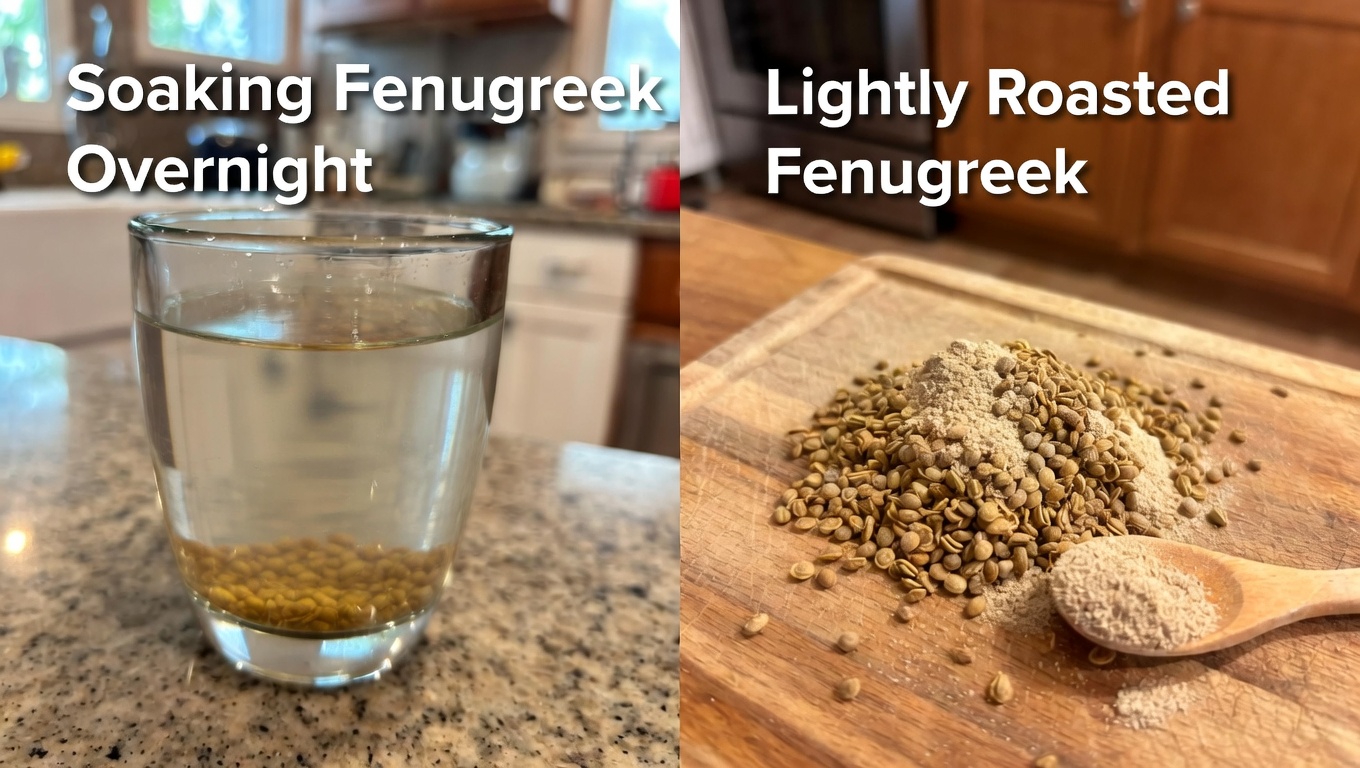
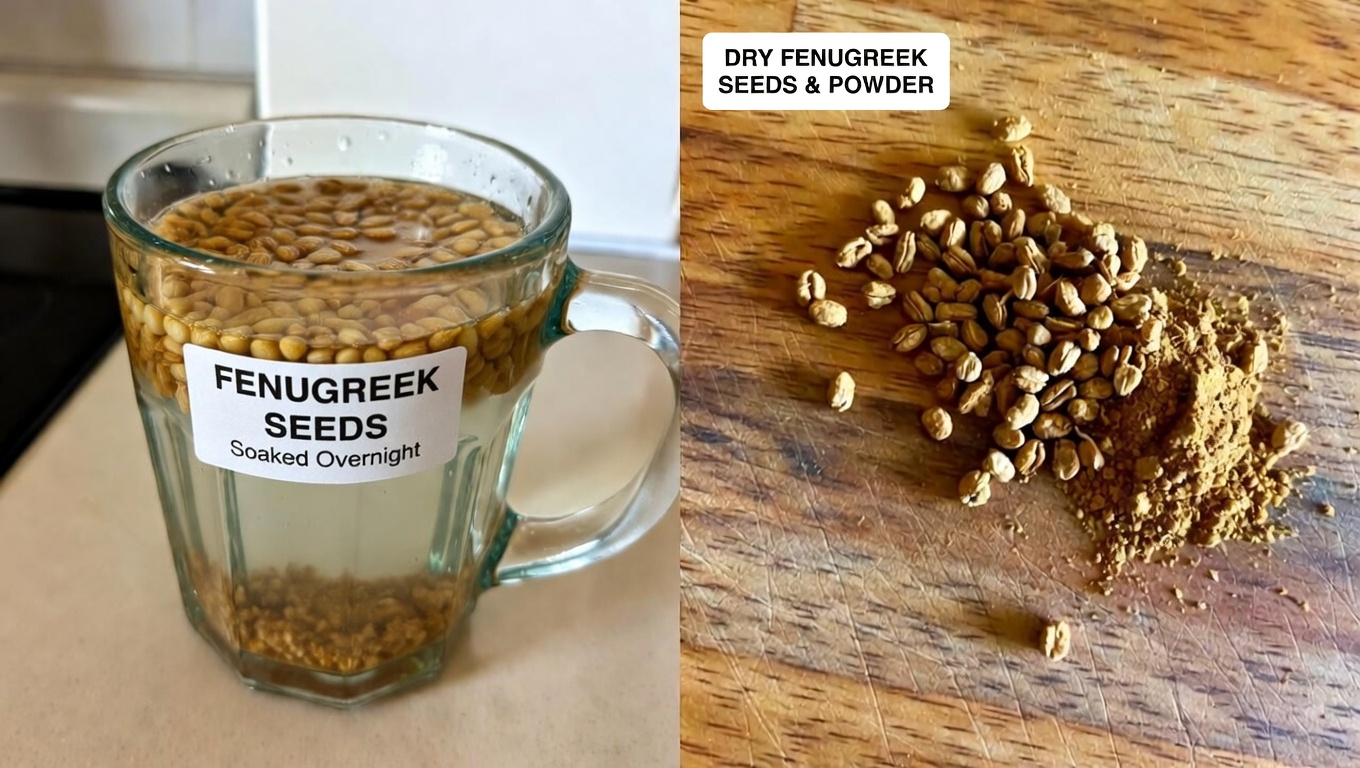
A traditional approach is to soak 1 teaspoon of fenugreek seeds in water overnight. In the morning, drink the water and, if desired, eat the softened seeds as well.
Sprouted or Powdered Fenugreek
You can sprout the seeds and mix them into salads, or use fenugreek powder in:
- Curries
- Herbal teas
- Smoothies
- Soups and savory dishes
As a Cooking Spice
Lightly roasting fenugreek seeds and grinding them can enhance flavor in meals while also making them easier to incorporate into everyday cooking.
When starting out, use only a small amount and pay attention to how your body responds. Some people notice a maple-like smell in sweat or urine after consuming fenugreek. This is usually harmless, though it can be surprising if you are not expecting it.
Safety and Important Precautions
Fenugreek is generally considered safe when used in normal food quantities. However, larger supplemental doses may cause side effects in some people, such as:
- Bloating
- Gas
- Diarrhea
- Digestive discomfort
- Allergic reactions
People with allergies to legumes, including peanuts or chickpeas, may be more likely to react to fenugreek.
Fenugreek may also interact with certain medications, especially:
- Blood sugar-lowering medications
- Blood-thinning drugs
Because it may enhance the effects of these medicines, using fenugreek without guidance could increase the risk of low blood sugar or other complications.
For that reason, fenugreek should be viewed as a supportive dietary addition, not a substitute for proven medical care. A healthy eating pattern, regular physical activity, and professional medical advice remain essential for managing blood sugar and overall health.
Final Thoughts
Fenugreek seeds are a nutrient-dense food with growing interest in the world of blood sugar support and metabolic health. Research suggests they may offer modest benefits, particularly when used consistently and as part of a balanced lifestyle. Still, they are not a cure-all and should never replace medical treatment or expert guidance.
Used thoughtfully, fenugreek may be a simple and practical addition to daily habits for those looking to support long-term wellness.
FAQ
What is the best way to consume fenugreek seeds for potential benefits?
A common and gentle method is soaking 1 to 2 teaspoons of fenugreek seeds overnight and drinking the water in the morning. Powdered fenugreek can also be added to foods and drinks. It is best to start with a small amount and observe how your body feels.
Are there any side effects of fenugreek seeds?
Yes, some people may experience mild digestive side effects such as bloating, gas, or diarrhea. A harmless maple syrup-like body odor may also occur. Higher doses should be avoided during pregnancy or when taking certain medications unless approved by a healthcare provider.
Can fenugreek replace diabetes medication?
No. Although some studies suggest fenugreek may help support blood sugar control, it should not replace prescribed diabetes medication. Always speak with your doctor before making any changes to your treatment plan.