
Cinnamon Before Bed: A Simple Habit That May Support Healthy Circulation as You Age
As the years go by, many adults begin to notice that circulation does not feel quite the same—particularly in the legs and feet. Common signs may include a sense of heaviness, occasional chilliness, or mild discomfort after long periods of standing or walking. These changes are fairly common with aging and are often linked to lower activity levels, normal shifts in blood vessel function, and everyday lifestyle patterns.
When blood flow feels less efficient, daily tasks can become more draining and overall comfort may decline. The good news is that small, natural habits may help support healthy circulation as part of a balanced lifestyle. One kitchen staple that has gained scientific interest for its possible cardiovascular benefits is cinnamon.
In this article, we’ll look at how adding cinnamon to your evening routine may help promote healthy blood flow—especially for older adults—based on research into its active compounds and their effects on the body.

Why Healthy Circulation Becomes More Important With Age
Good circulation is essential because it carries oxygen and nutrients throughout the body while helping remove waste products from tissues. When blood flow slows down, especially in the lower limbs, it can influence both comfort and energy.
Research suggests that several factors are important for maintaining strong circulation, including:
- Healthy blood vessel flexibility
- Balanced lipid levels
- Low oxidative stress
- Controlled inflammation
Certain plant compounds appear to support these functions. Cinnamon, which comes from the bark of trees in the Cinnamomum family, contains bioactive substances such as cinnamaldehyde. Laboratory and human studies suggest these compounds may have favorable effects on blood vessel health and overall cardiovascular function.
How Cinnamon May Help Support Cardiovascular Wellness
Cinnamon has been examined in a number of studies for its potential effects on the heart and circulatory system. Reviews and clinical research indicate that regular intake may help support healthy blood pressure levels over time.
Some published studies have reported that consistent cinnamon use may produce modest reductions in both systolic and diastolic blood pressure over several weeks or months. Researchers believe this may happen through mechanisms such as:
- Encouraging blood vessel relaxation
- Supporting vasodilation
- Improving endothelial function, which is the performance of the inner lining of blood vessels
One meta-analysis of randomized controlled trials found blood pressure improvements in participants consuming about 1.5 grams of cinnamon per day. Another study involving adults with mild hypertension showed a moderate but statistically meaningful reduction in ambulatory systolic pressure after 90 days of use.
Cinnamon may also help in other ways. Its antioxidant properties can reduce oxidative stress, which is known to affect vascular health over time. In addition, some evidence suggests cinnamon may help maintain healthier cholesterol and triglyceride levels, which may indirectly support smoother blood flow throughout the body.
What This Could Mean for Leg and Foot Circulation
Although there are not many studies focused specifically on “leg circulation,” cinnamon’s broader cardiovascular effects may also benefit peripheral circulation, including the legs and feet. Better blood vessel relaxation and lower inflammation may contribute to improved flow in these areas.
In traditional wellness practices, cinnamon has long been viewed as a warming spice associated with circulation support. Modern research offers some support for this idea, with animal studies and human trials showing vasodilatory effects. For older adults, who often experience a natural decline in peripheral circulation, this makes cinnamon a practical and interesting option to consider.
Easy Ways to Add Cinnamon to Your Nighttime Routine
A simple and popular method is to take around 1 teaspoon of ground cinnamon before bedtime. This equals roughly 2 to 3 grams, though it is best to begin with a smaller amount if you are new to it.
Here are a few easy ways to use cinnamon in the evening:
-
Basic cinnamon drink
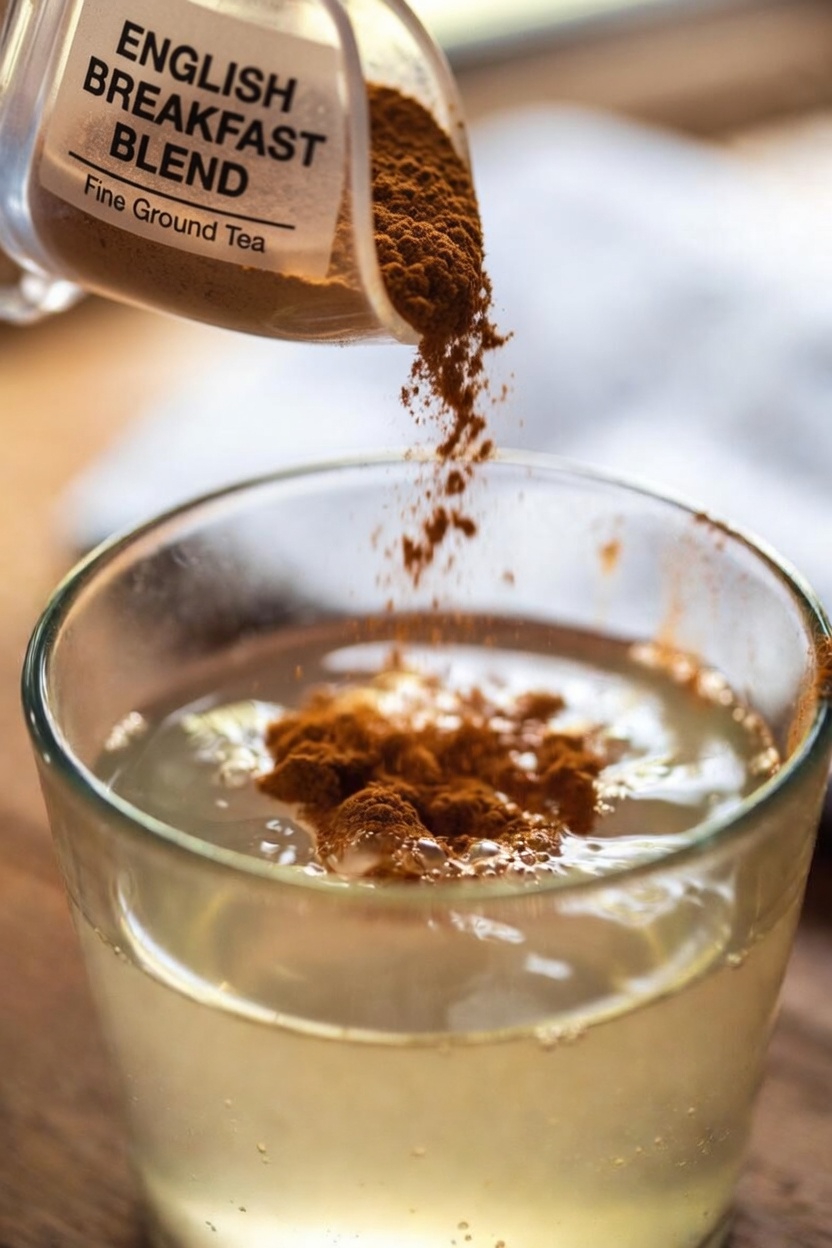
- Mix 1 teaspoon of ground cinnamon into warm water or herbal tea.
- Let it sit for 5 to 10 minutes.
- Sip it slowly before bed.
- Add a small amount of honey if you like, but keep it minimal if you are mindful of blood sugar.
-
With warm milk or a plant-based alternative
- Stir cinnamon into warm almond milk, oat milk, or another preferred option.
- This can create a calming bedtime drink.
-
Sprinkled over a light snack
- Add cinnamon to yogurt, oatmeal, or sliced banana for a simple evening snack.
The key is consistency, not excessive amounts. Daily use in moderation is generally more useful than taking large amounts occasionally.
Tips for Better Results and Safer Use
To get the most from cinnamon while using it responsibly, keep these tips in mind:
-
Choose Ceylon cinnamon when possible
- Ceylon, often called “true cinnamon,” contains less coumarin than Cassia cinnamon and is generally preferred for regular, long-term use.
-
Start small
- Begin with about 1/2 teaspoon to see how your body responds before increasing the amount.
-
Combine it with movement
- A short evening walk or elevating your legs can work well alongside circulation-supportive habits.
-
Pay attention to changes
- Over a few weeks, notice whether you feel more warmth in your hands or feet, more ease while walking, or improved daily comfort.
Always speak with your healthcare provider before changing your routine, especially if you take medication for:
- Blood pressure
- Diabetes
- Blood thinning
Additional Wellness Benefits of Cinnamon
Beyond circulation support, cinnamon has been linked in research to several other potential health benefits, including:
- Helping support steadier overnight blood sugar levels
- Offering anti-inflammatory effects that may ease general discomfort
- Increasing antioxidant intake to help counter daily oxidative stress
Because of these combined properties, cinnamon can be a useful spice for people looking to support healthy aging in a simple, natural way.
Conclusion
A spoonful of cinnamon before bed may be an easy and enjoyable habit to help support the body’s natural circulation—especially at a stage of life when blood flow deserves extra attention. It is not a dramatic solution, but current evidence suggests it may gently benefit blood pressure, blood vessel function, and overall cardiovascular health when used as part of a healthy lifestyle.
Use it mindfully, be consistent, and combine it with other smart habits such as regular activity and nutritious eating. Over time, small daily choices can make a noticeable difference in comfort and well-being.
FAQ
How much cinnamon is commonly used for circulation support?
Many studies use between 1 and 6 grams per day, which is about 1/2 to 2 teaspoons. For beginners, starting around 1 teaspoon or less is usually a sensible approach.
Is cinnamon better in the morning or at night?
There is no single best time, as consistency matters most. However, taking cinnamon before bed may fit easily into a routine and may also support overnight metabolic balance.
Is cinnamon safe for everyone?
Most people can use cinnamon in moderation, but it is not ideal for everyone. People with liver issues, those taking blood thinners, or anyone with a cinnamon allergy should check with a healthcare professional first, especially because some varieties contain higher levels of coumarin.