Foods Commonly Linked to Higher Cancer Risk: What Research Shows
Many people feel uneasy about the hidden dangers in everyday foods, especially when news reports suggest that familiar meals may quietly raise the risk of serious illnesses such as cancer. Current evidence from respected health organizations indicates that no single food automatically causes cancer by itself. However, eating patterns matter. Regularly consuming certain foods has been associated with a greater likelihood of developing some cancers, especially colorectal cancer.
The positive takeaway is that even modest, practical dietary changes can improve overall well-being and may help reduce risk over time. This guide reviews research-based information on nine foods often connected to increased cancer risk, explains the science in a clear way, and offers simple changes you can make right away.
What Science Says About Diet and Cancer
A large body of research shows that lifestyle habits, including the way we eat, can influence cancer risk. Leading institutions such as the World Health Organization’s International Agency for Research on Cancer (IARC), the American Cancer Society, and MD Anderson Cancer Center report that high intake of some foods is linked with elevated risk. These effects may occur through pathways such as chronic inflammation, DNA damage, or weight gain.
For example, processed meat is classified by IARC as a Group 1 carcinogen, meaning there is strong evidence that it can contribute to cancer in humans, particularly colorectal cancer. Red meat is placed in Group 2A, meaning it is considered probably carcinogenic. Alcohol and ultra-processed foods also appear repeatedly in scientific reviews as concerns when consumed often.
That said, the goal is not fear or extreme restriction. Research consistently supports balance, moderation, and a diet centered on whole, nutrient-dense foods.
9 Foods Associated With Higher Cancer Risk
Below are nine commonly eaten foods or food categories that have been linked to increased cancer risk in observational studies and expert evaluations. The purpose is not to create anxiety, but to help you make more informed choices.
1. Processed Meats
Examples include bacon, hot dogs, sausages, ham, and deli meats.
Processed meats are among the most concerning foods in cancer research. IARC classifies them as carcinogenic to humans, with the strongest evidence tied to colorectal cancer. Ingredients and compounds such as nitrates, nitrites, and heme iron are believed to play a role in damaging cells. Some studies suggest that eating as little as 50 grams per day, about the amount in one hot dog, may increase colorectal cancer risk by roughly 18%.
2. Red Meat
This category includes beef, pork, and lamb.
Red meat has been classified as probably carcinogenic. Higher intake, especially above about 18 ounces of cooked meat per week, has been associated with colorectal cancer and may also be linked to pancreatic or prostate cancer. Potential reasons include heme iron and harmful compounds formed when meat is cooked at very high temperatures, such as HCAs and PAHs.
3. Ultra-Processed Foods
Examples include packaged snack foods, sweetened breakfast cereals, frozen pizza, and many ready-made convenience meals.
These heavily manufactured products are often low in fiber and nutrients while being high in additives, unhealthy fats, salt, or sugar. They can crowd out healthier foods in the diet and are associated with weight gain, inflammation, and a higher overall cancer rate in large population studies. Some recent findings have also suggested a possible link with lung cancer risk in certain groups.
4. Sugary Drinks and Sweets
This includes soda, energy drinks, candy, and similar products high in added sugar.
Sugar itself does not directly feed cancer in the simple way people often assume. Still, regularly consuming too much added sugar can contribute to obesity, and obesity is a well-established risk factor for several cancers. Diets high in sugar may also support inflammation and excess body fat accumulation.
5. Alcohol
Beer, wine, and spirits all fall into this category.
Alcohol is also classified as a Group 1 carcinogen. It has been linked to at least seven types of cancer, including breast, colorectal, and liver cancer. Even moderate drinking has shown associations with increased risk, and there is currently no confirmed safe amount when the goal is cancer prevention.
6. Charred or Burnt Grilled Meats
Cooking meat over very high heat or allowing it to become blackened can create heterocyclic amines (HCAs) and polycyclic aromatic hydrocarbons (PAHs). Animal research has connected these compounds to cancer development, and frequent consumption of heavily charred meat may raise human cancer risk, particularly for colorectal cancer.
7. Fried Foods
Common examples are French fries, chips, and other deep-fried snacks.
Fried foods are often calorie-dense, highly processed, and rich in unhealthy fats. They can contribute to obesity and inflammation, both of which are linked to cancer risk. In starchy foods such as potatoes, frying can also produce acrylamide, a substance that continues to be studied for its potential role in cancer.
8. Foods Preserved With Excess Salt
Examples include some salty snacks, certain canned soups, and heavily salted preserved foods.
A high-salt diet has been associated with stomach cancer in some populations. One possible explanation is that too much salt may irritate and damage the stomach lining over time, making it more vulnerable to harmful changes.
9. Highly Processed Breakfast Foods
Sugary cereals, pastries, and similar packaged breakfast items fit into this group.
These foods are typically low in fiber and important nutrients while being high in refined carbohydrates, added sugar, and unhealthy fats. Regularly relying on them may contribute to an overall dietary pattern associated with increased cancer risk.
The Bigger Opportunity: What You Eat Instead Matters
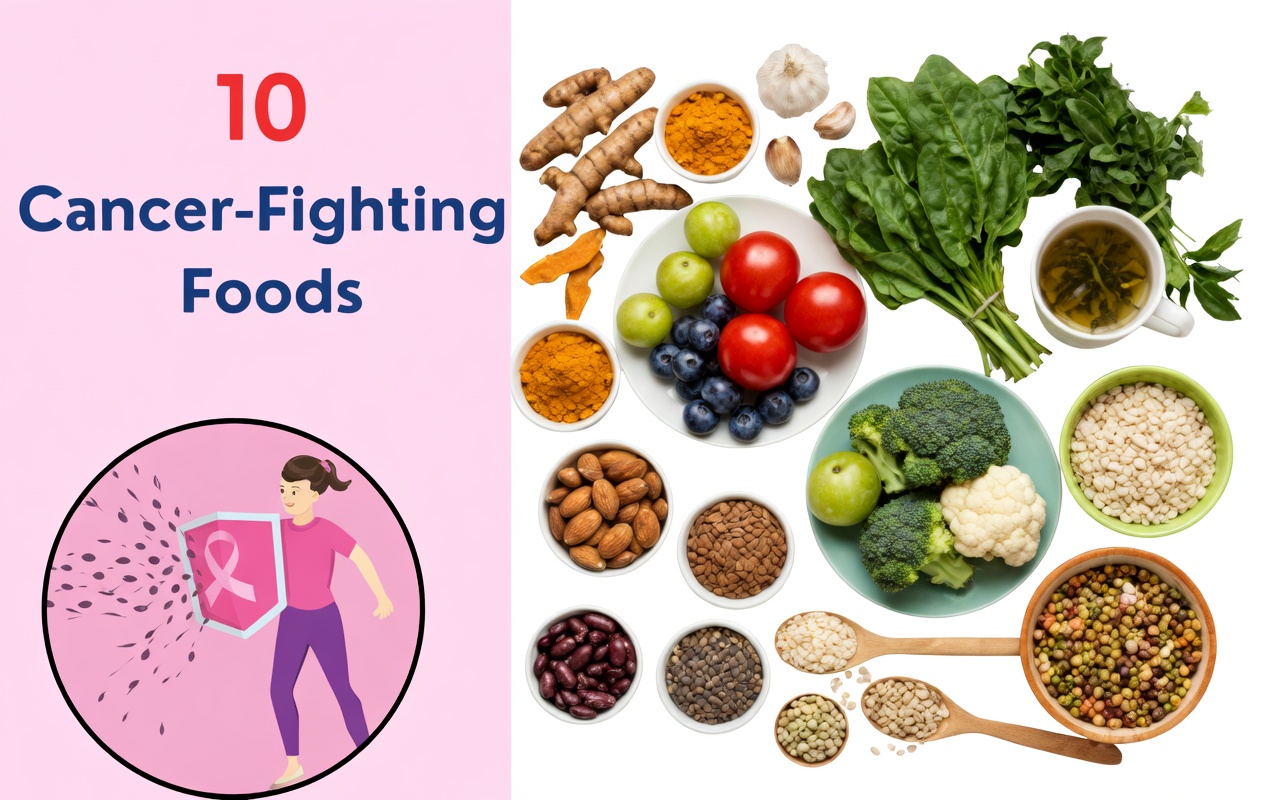
Avoiding certain foods is only one part of the picture. The greatest benefit often comes from replacing less healthy choices with more nourishing ones. Shifting toward a diet rich in plants, whole grains, healthy fats, and quality protein can support long-term health and align with cancer-prevention guidance.
Practical Food Swaps to Help Lower Risk
You do not need to completely change your diet overnight. Small, sustainable steps can make a real difference.
- Keep processed meats for rare occasions and eat them sparingly.
- Limit red meat intake to under 18 ounces per week when possible.
- Choose more plant proteins such as beans, lentils, tofu, and nuts.
- Use gentler cooking methods like steaming, baking, or stir-frying.
- If grilling, cook at lower temperatures and avoid burning food.
- Replace soda and sugary drinks with water, herbal tea, or infused water.
- Fill at least half of your plate with fruits and vegetables.
- Reduce alcohol intake, or avoid it if possible.
Quick Comparison: Less Healthy Choices vs. Better Alternatives
- Processed meats → grilled chicken, fish, or veggie burgers
- Red meat → mushrooms, lentil dishes, or plant-based patties
- Sugary soda → sparkling water with lemon or lime
- Fried snacks → fresh fruit or air-popped popcorn
- Burnt grilled meats → marinated foods cooked over lower heat
These small adjustments can add up over time and support the type of eating pattern promoted by the American Cancer Society.
Why the Overall Diet Pattern Matters Most
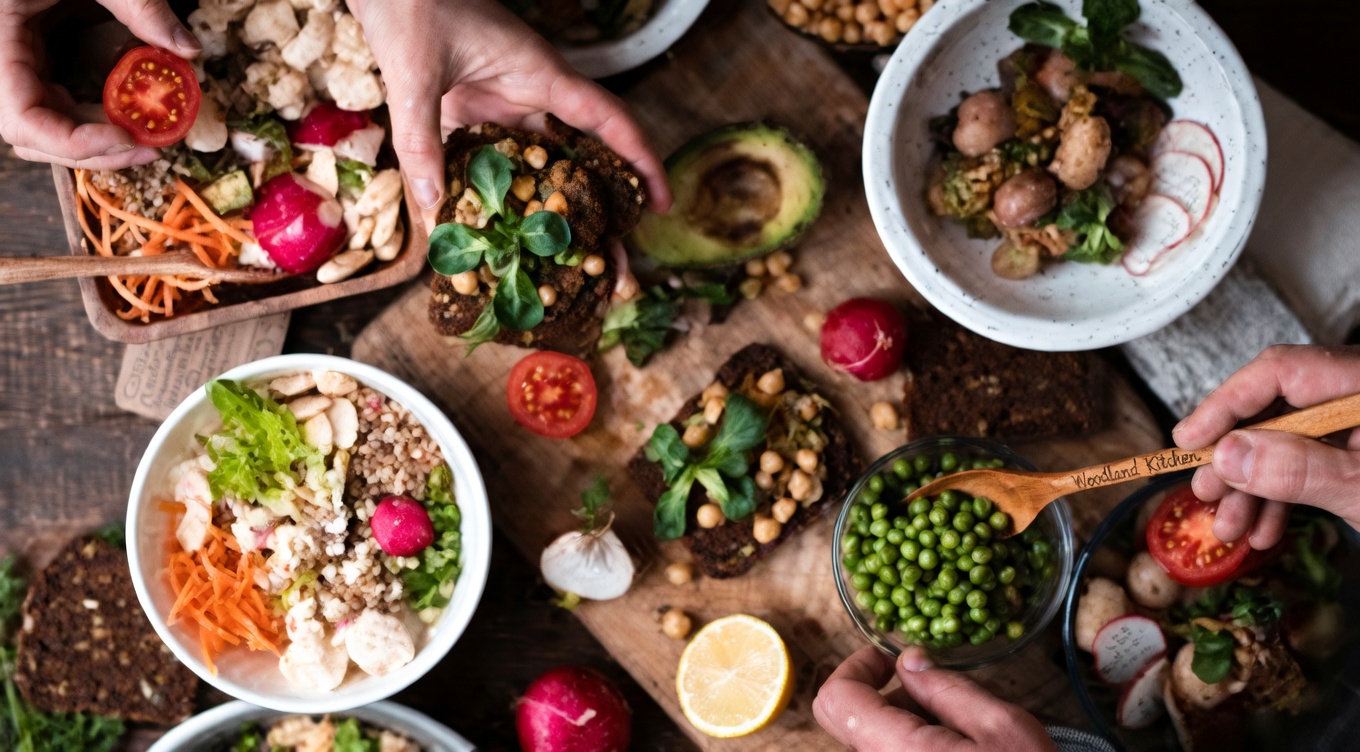
Cancer is influenced by many factors, including genetics, environment, physical activity, and body weight. Still, diet is one of the areas you can manage every day. A pattern built around whole foods rich in fiber, antioxidants, vitamins, minerals, and healthy fats may help the body protect itself more effectively.
Research often highlights eating styles such as the Mediterranean diet, which emphasizes vegetables, fruits, legumes, whole grains, olive oil, and moderate amounts of protein. This type of approach has been associated with lower risk for several chronic diseases, including some cancers.
Final Thoughts
Making smarter food choices does not have to feel extreme or stressful. Start with one or two realistic changes this week. You might swap bacon for avocado on toast, choose grilled fish instead of deli meat, or trade soda for sparkling water. Over time, these simple habits can support better health and may help reduce cancer risk in the long run.
FAQ
Which foods may help lower cancer risk?
Studies suggest that fruits, vegetables, whole grains, and calcium-rich dairy foods may have protective effects. Cruciferous vegetables such as broccoli, cabbage, and Brussels sprouts are often highlighted, especially in relation to colorectal cancer.
Can I still eat red meat?
Yes, red meat can still fit into a healthy diet when eaten in moderation. Most guidelines recommend limiting portion size and balancing it with plenty of plant-based foods.
Do ultra-processed foods directly cause cancer?
No single food directly causes cancer on its own. However, diets high in ultra-processed foods are linked to higher risk through factors such as obesity, inflammation, and poor nutritional quality. A good rule is to focus on whole foods most of the time.