
Amlodipine Side Effects: What to Expect and How to Manage Them
If you take amlodipine for high blood pressure or certain heart-related conditions, you may notice a few physical changes after starting treatment. Common complaints include ankle swelling, headaches, dizziness, facial flushing, and tiredness. Although these reactions are widely recognized and often improve as the body adapts, they can still affect everyday comfort.
Knowing why these effects happen can make them less worrying and help you decide when it is time to seek medical advice. This guide covers the most common amlodipine side effects, using information consistent with trusted sources such as the NHS, Mayo Clinic, and other established health authorities. It also includes simple, practical ways to cope with them.

What Amlodipine Does and Why Side Effects Can Occur
Amlodipine is part of a group of medicines known as calcium channel blockers. Its main job is to relax and widen blood vessels, which improves blood flow, reduces strain on the heart, and lowers blood pressure.
This action is helpful for many patients, but it can also explain why certain side effects appear. When blood vessels relax, circulation and fluid balance may shift, leading to symptoms such as swelling, flushing, or lightheadedness.
Not everyone reacts the same way. Research and patient experience show that some people have few or no symptoms, while others notice several mild effects. In most cases, these problems are temporary and not dangerous.
Common Amlodipine Side Effects
Many people using amlodipine report a similar set of symptoms. Below are the effects most often mentioned.
Swelling of the Ankles, Feet, or Hands
This type of swelling, also called edema, is one of the best-known side effects of amlodipine. Because the medicine widens blood vessels, fluid can collect more easily in the lower body, especially around the ankles and feet. Clinical data suggest this may affect around 10% to 15% of users.
Headaches
Headaches may happen early in treatment as blood vessels adjust to improved blood flow. They are often more noticeable during the first few weeks and may fade with time.
Dizziness or Lightheadedness
Some people feel unsteady, especially when standing up too quickly. This usually happens because blood pressure drops, making the body slower to adjust to position changes.

Flushing or a Warm Feeling in the Face
A sudden sensation of warmth or redness in the face, neck, or chest is another common effect. It is usually harmless and often short-lived.
Fatigue or Unusual Tiredness
Amlodipine can leave some users feeling more tired than usual, particularly when they first begin taking it. This may improve as the body becomes used to the medication.
Nausea or Mild Stomach Upset
Digestive discomfort can also occur, though it is generally mild and tends to settle on its own.
Other Reported Effects
Less frequently, people also mention:
- Palpitations
- Sleepiness or drowsiness
- Muscle aches
These are still recognized side effects, but they are not as common as swelling or headache. The important thing is to understand which reactions are expected and which deserve medical review.
Less Common but More Serious Side Effects
Severe reactions to amlodipine are uncommon, but they should not be ignored. According to major health references, symptoms that may require urgent medical attention include:
- Fast or irregular heartbeat
- Shortness of breath
- Chest pain or chest tightness, especially if new or getting worse
- Severe dizziness
- Fainting
In many cases, these occur in fewer than 1 in 1,000 people. Even so, if you experience intense or worrying symptoms, contact your healthcare provider immediately.

How to Manage Common Amlodipine Side Effects
The encouraging news is that many mild side effects can be eased with a few practical changes. The following strategies are commonly recommended.
If You Have Swollen Ankles or Feet
- Raise your legs when sitting or lying down
- Reduce salt intake to help limit fluid retention
- Wear comfortable footwear
- Avoid standing for long periods
- Try light walking or ankle movements to support circulation
If You Have Headaches
- Drink plenty of water to stay hydrated
- Rest in a quiet, dark space if needed
- Ask your doctor whether over-the-counter pain relief is suitable for you
If You Feel Dizzy
- Stand up slowly from sitting or lying down
- Avoid sudden movements
- If dizziness continues, speak with your prescriber about whether the dose needs review
If You Experience Flushing
- Remember that it often improves with time
- Avoid very hot environments
- Limit spicy foods if they seem to trigger symptoms
Quick Reference: Simple Ways to Feel Better
Here is a helpful overview of common strategies:
-
Elevate your legs
- Helps reduce swelling
- Very easy to do
-
Stay well hydrated
- May ease headaches and dizziness
- Easy to maintain
-
Change position slowly
- Helps prevent lightheadedness
- Easy habit to build
-
Cut back on salt
- Can reduce fluid buildup
- Moderately easy, depending on diet
These small adjustments can make a noticeable difference while your body gets used to amlodipine.
When to Contact Your Doctor
For many people, side effects become milder after a few weeks. However, you should speak with your doctor if:
- Symptoms are making daily life difficult
- Side effects are becoming worse instead of better
- You notice new or unusual problems
- Swelling, dizziness, or chest symptoms feel severe
Your healthcare provider may review your treatment, adjust the dose, or discuss other options if necessary. Good communication helps ensure the medication is both effective and tolerable.
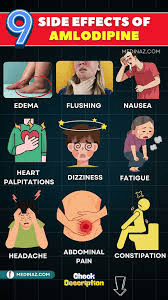
Key Points About Amlodipine Side Effects
Amlodipine is a widely prescribed medicine that works well for many people with high blood pressure and some heart conditions. Like any medication, it can cause side effects, but the most common ones are usually mild, manageable, and temporary.
The reactions people report most often include:
- Swelling
- Headaches
- Dizziness
- Flushing
- Fatigue
Understanding these effects can reduce anxiety and help you respond in a calm, informed way. By monitoring your symptoms, following your prescription properly, and staying in touch with your medical team, you can manage treatment with greater confidence.
FAQ
What is the most common side effect of amlodipine?
One of the most frequently reported side effects is swelling in the ankles or feet, also known as edema. In many cases, it improves over time or with simple measures such as elevating the legs.
Do amlodipine side effects go away?
Yes, many side effects become milder or disappear as the body adjusts, often within a few weeks. If symptoms continue or become troublesome, speak with your doctor.
Can I drink alcohol while taking amlodipine?
Alcohol can make dizziness or lightheadedness worse while taking amlodipine. It is usually best to limit alcohol and ask your healthcare provider for advice based on your individual situation.