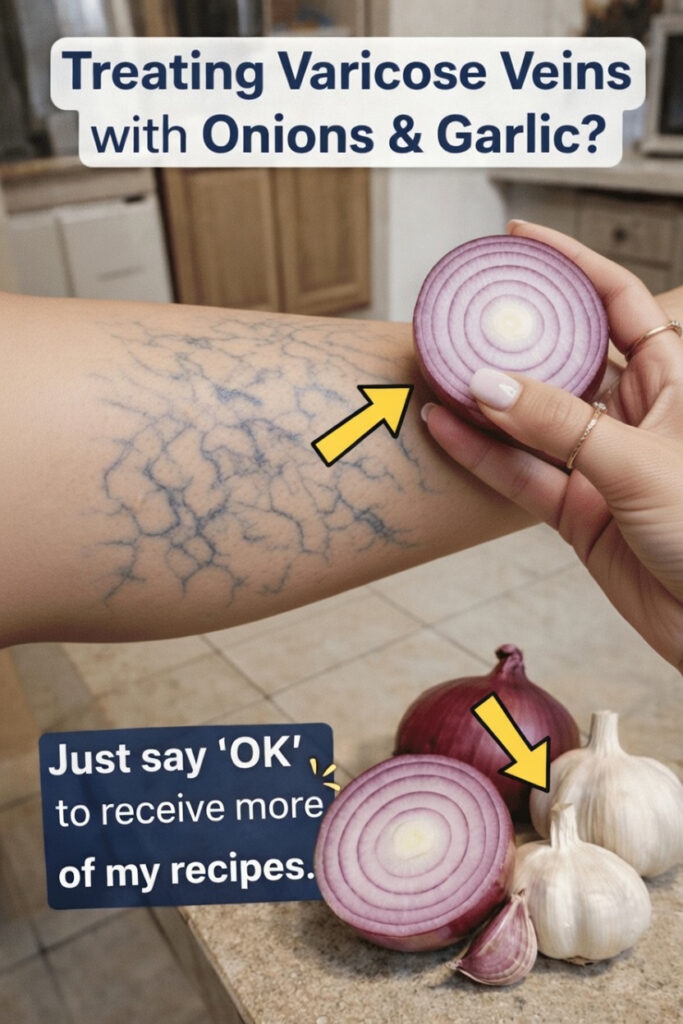
Can Onions and Garlic Support Varicose Vein Relief?
Varicose veins are a common source of leg discomfort. These enlarged, twisted veins often show up on the legs and may cause heaviness, aching, swelling, fatigue, and visible bulging. For many people, symptoms worsen after sitting or standing for long periods, making daily life feel more tiring and uncomfortable.
Although medical guidance is important when dealing with varicose veins, interest has grown around natural ways to support circulation and leg comfort. Two everyday ingredients often mentioned are onions and garlic. These kitchen staples contain plant compounds that may help promote vascular health and healthy blood flow.
This article explores what science currently says about onions and garlic for vein health, how they may help circulation, and simple ways to include them in your routine.
What Causes Varicose Veins?
Varicose veins form when the tiny valves inside the veins stop working efficiently. Instead of pushing blood smoothly back toward the heart, the blood can collect in the veins. Over time, this increases pressure, causing the veins to enlarge and become more noticeable.
Several factors can raise the risk of varicose veins, including:
- Aging
- Family history
- Pregnancy
- Excess body weight
- Long periods of sitting or standing
- Low physical activity
Because blood flow plays such a major role, habits that support circulation may help reduce day-to-day discomfort. Research suggests that foods rich in antioxidants and anti-inflammatory compounds may help protect blood vessels from stress and support their flexibility.
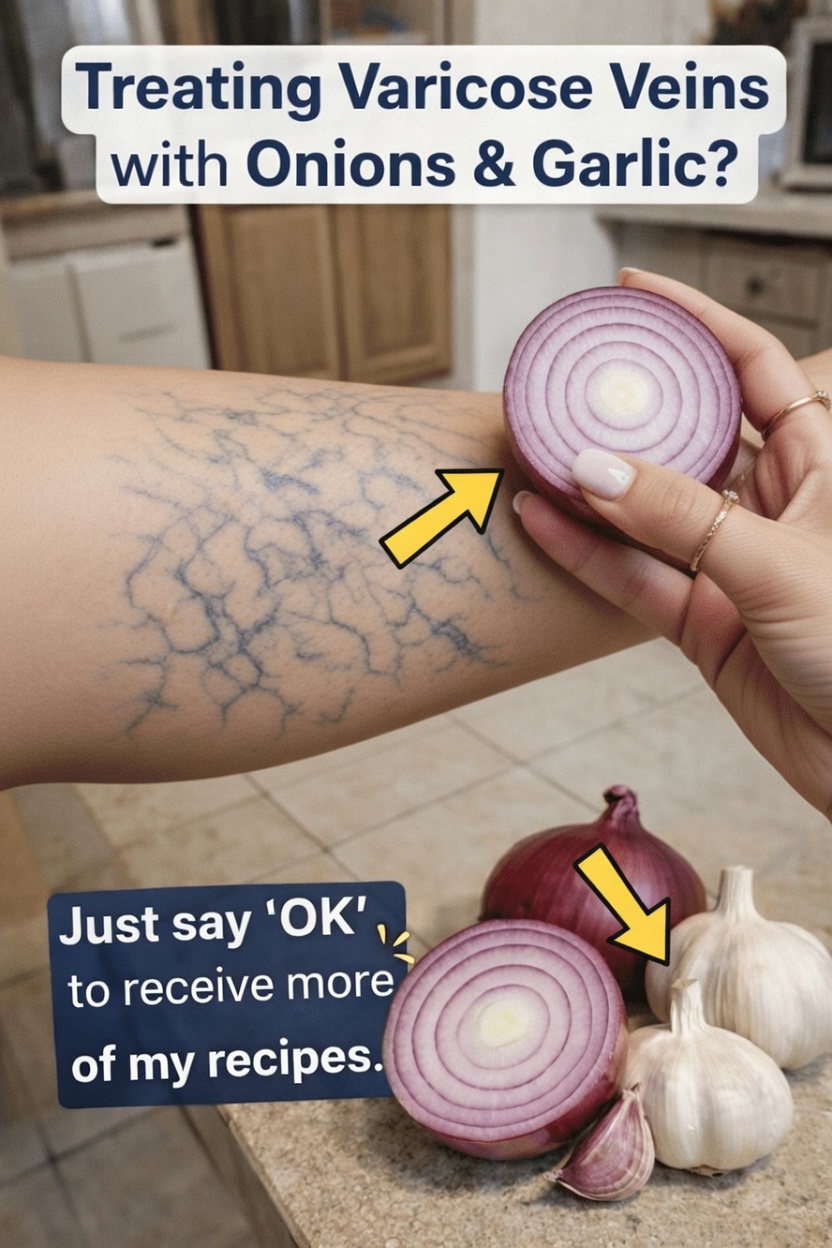
Why Onions and Garlic Stand Out
Both onions and garlic belong to the Allium family. They are widely used in cooking, but they also contain natural compounds that have attracted attention in studies related to cardiovascular and circulatory health.
Onions and Quercetin
Onions, especially red onions, are a valuable source of quercetin, a flavonoid known for its antioxidant activity. Quercetin may help:
- Defend cells against oxidative damage
- Support a balanced inflammatory response
- Help maintain blood vessel health
The outer layers of the onion tend to contain higher concentrations of this beneficial compound.
Garlic and Allicin
Garlic is known for allicin and other sulfur-containing compounds. These substances are released when garlic is chopped, crushed, or minced. Research has linked these compounds to possible benefits such as:
- Supporting blood vessel relaxation
- Encouraging healthier circulation
- Reducing inflammation
- Helping protect the inner lining of blood vessels
Some animal and laboratory studies suggest that these compounds may help reduce oxidative stress and support endothelial function, which is essential for healthy veins and arteries.
How Onions and Garlic May Help Varicose Vein Comfort
Adding onions and garlic to your diet is not a cure for varicose veins, but they may offer supportive benefits for circulation and vascular comfort.
1. They May Encourage Better Blood Flow
Garlic compounds may help blood vessels relax, which can support smoother circulation. When blood moves more efficiently, pressure inside the veins may be less intense.
2. They Provide Antioxidant Protection
Both vegetables are rich in antioxidants that help fight free radicals. This matters because oxidative stress can affect the structure and strength of blood vessel walls over time.
3. They May Help Lower Inflammation
Inflammation is often linked to vascular discomfort. Studies suggest that onion and garlic compounds may help lower inflammatory markers, which could contribute to improved leg comfort in people dealing with venous issues.
4. They Support Overall Vascular Health
While there are not many human studies focused specifically on varicose veins and garlic or onions, broader evidence on heart and circulation health suggests these foods may play a supportive role when used regularly as part of a healthy lifestyle.
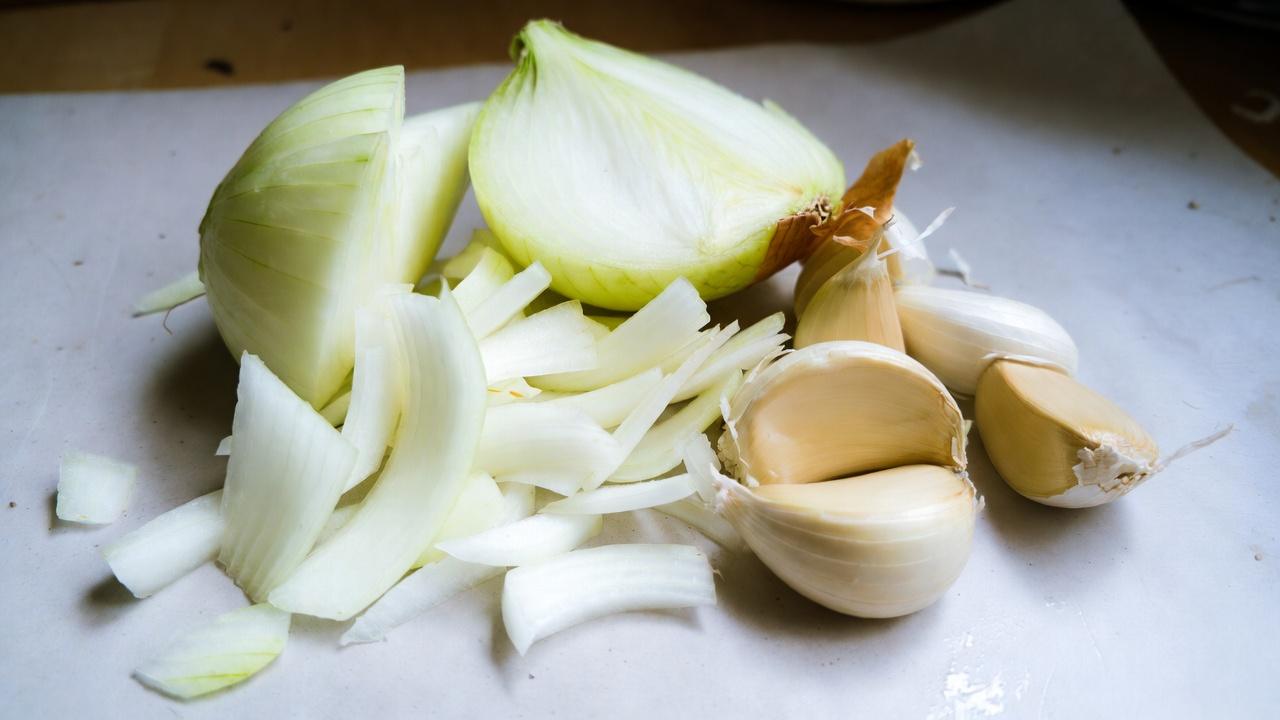
Easy Ways to Add Onions and Garlic to Your Diet
If you want to use these foods to support circulation naturally, consistency matters more than large amounts. Here are practical and safe ways to include them in daily meals.
Add Them to Everyday Dishes
Use onions and garlic in simple meals you already enjoy, such as:
- Salads
- Soups
- Stir-fries
- Pasta sauces
- Roasted vegetables
- Marinades
- Omelets and egg dishes
Raw onions can provide a stronger flavonoid boost, while cooked onions still contribute nutrients and flavor.
Aim for a Reasonable Daily Amount
A practical starting point may be:
- 1 to 2 cloves of garlic per day
- About half an onion daily
This amount can be adjusted depending on your taste, digestion, and personal tolerance.
Prepare Garlic Properly
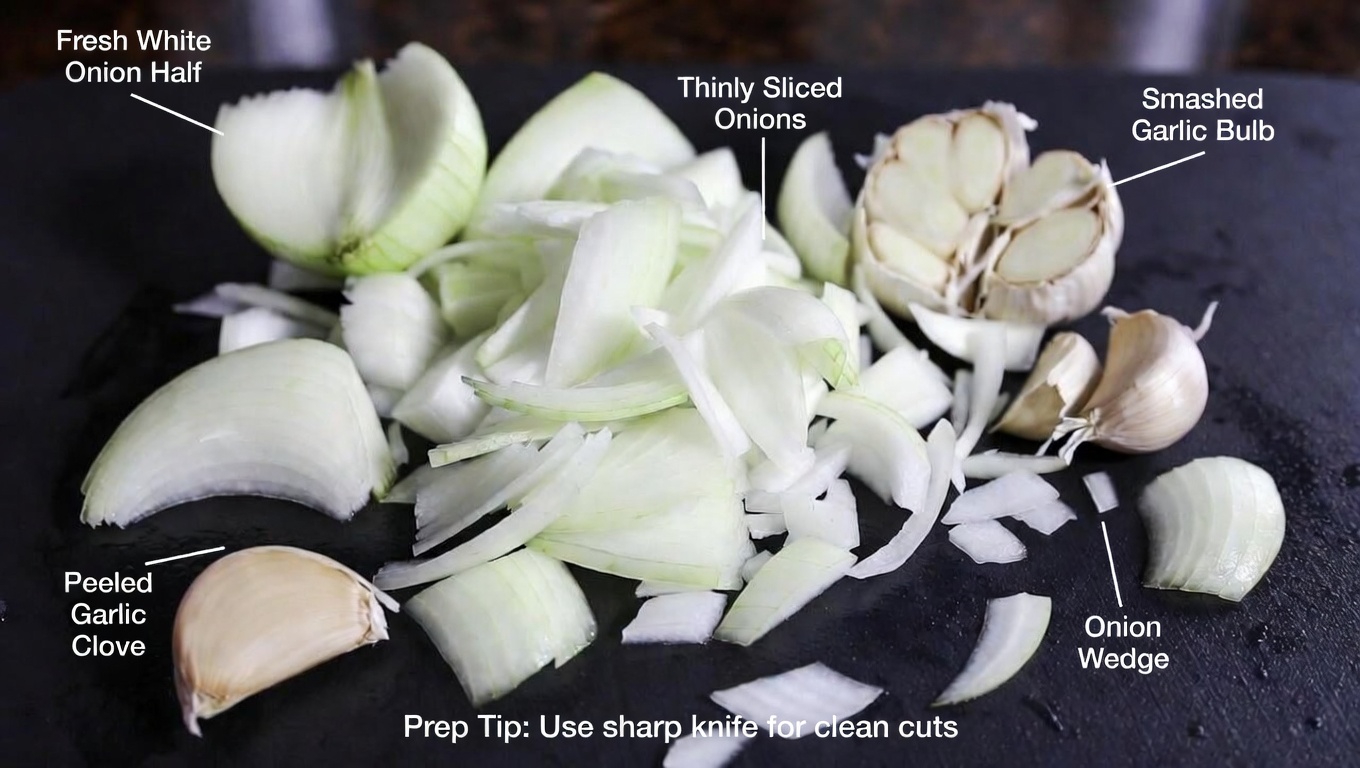
To get the most from garlic, crush or chop it and let it rest for about 10 minutes before cooking. This helps promote the formation of allicin.
Use More of the Onion’s Outer Layers
Much of the onion’s quercetin is found in the outer layers, so avoid peeling away more than necessary.
Pair Them With Other Circulation-Friendly Foods
Onions and garlic may fit even better into a vein-supportive diet when combined with foods rich in vitamin C, flavonoids, fiber, and healthy fats.
Best Foods to Combine With Onions and Garlic for Vein Health
To build meals that support circulation from different angles, pair onions and garlic with:
- Berries and citrus fruits for vitamin C and flavonoids
- Leafy greens such as spinach, kale, and arugula
- Nuts and seeds for healthy fats
- Whole grains for fiber and metabolic support
- Colorful vegetables for added antioxidants
These combinations can help create a nutrient-rich diet that supports vascular wellness more broadly.
Can You Apply Garlic or Onion to the Skin?
Some people try topical home remedies, such as mixing crushed garlic with olive oil and gently massaging it onto the legs. However, evidence for this is mostly anecdotal, and garlic can irritate the skin.
If you choose to try a topical mixture:
- Do a patch test first
- Never apply it to broken or sensitive skin
- Stop immediately if burning or redness occurs
In general, eating onions and garlic is the safer and more evidence-supported approach.
Lifestyle Habits That Work Alongside a Vein-Friendly Diet
Food alone is only one part of managing varicose vein discomfort. The best results usually come from combining healthy eating with supportive daily habits.
Stay Physically Active
Movement helps push blood upward from the legs. Good options include:
- Walking
- Swimming
- Cycling
- Gentle leg exercises
Elevate Your Legs
Raising your legs above heart level for 15 to 20 minutes a day may help reduce blood pooling and ease heaviness.
Use Compression Stockings
Graduated compression stockings can provide external support to the veins and are commonly recommended for symptom relief.
Maintain a Healthy Weight
Keeping body weight in a healthy range may reduce pressure on the leg veins.
Avoid Sitting or Standing Too Long
If your job or routine keeps you in one position for hours, take regular breaks to move, stretch, or walk around.
These habits are widely recommended by vein health professionals and can complement the potential benefits of circulation-supportive foods.
What Does the Research Actually Show?
The current evidence on onions and garlic is encouraging, but it is important to stay realistic. Laboratory and animal studies have shown antioxidant and anti-inflammatory effects that may benefit blood vessels. Health sources such as Medical News Today and Cleveland Clinic also note that flavonoid-rich foods may support circulation.
However, direct clinical research on onions or garlic specifically for varicose veins is still limited. That means these foods should be viewed as supportive tools, not as proven treatments.
If you have severe pain, skin discoloration, persistent swelling, or ulcers, you should seek professional medical evaluation. Natural approaches should never replace proper diagnosis or treatment when symptoms become serious.
Final Thoughts
Onions and garlic are simple, affordable ingredients that may help support circulation, antioxidant defense, and vascular comfort. While they are not a cure for varicose veins, they can be a smart addition to a vein-friendly lifestyle that also includes movement, weight management, and healthy daily habits.
Making small, sustainable changes often works best. By regularly adding onions and garlic to your meals and supporting your circulation in other ways, you may gradually notice that your legs feel lighter and more comfortable.
Frequently Asked Questions
Do onions and garlic really help varicose veins?
They contain natural compounds such as quercetin and allicin, which have shown circulation-supporting and anti-inflammatory effects in research. They may help as part of an overall healthy lifestyle, but they are not a standalone treatment.
How much onion and garlic should I eat each day?
A simple starting point is 1 to 2 garlic cloves and about half an onion daily. You can adjust this based on digestion, preference, and any advice from your healthcare provider.
Is it better to eat them raw or cooked?
Both forms can be useful. Raw garlic and onions may preserve more active compounds, while cooked versions are often easier to digest and still offer benefits. A mix of both can be a practical approach.
Can I apply garlic or onion directly on varicose veins?
Some home remedies suggest topical use, but there is little strong evidence to support it, and skin irritation is possible. Oral use through meals is generally the safer option.
Should I rely on onions and garlic instead of medical treatment?
No. If your symptoms are worsening or include severe pain, skin changes, or sores, medical care is essential. Onions and garlic should be seen as supportive dietary choices, not replacements for professional treatment.