Papaya Leaves for Hair Care: A Gentle, Natural Option for Healthier-Looking Hair
Many people deal with hair thinning, heavy shedding, or strands that feel weak and flat. Concerns like these can influence self-confidence and make daily hair care frustrating, especially when conventional products seem too aggressive or deliver disappointing results. Because of this, growing numbers of people are exploring plant-based remedies that feel milder and more supportive. One ingredient attracting interest is the papaya leaf, a part of the plant that is often ignored while the fruit gets all the attention.
So, why are papaya leaves becoming part of natural hair routines? This guide looks at their nutritional makeup, traditional uses, and what current research suggests—without overstating the results.
Nutrients in Papaya Leaves
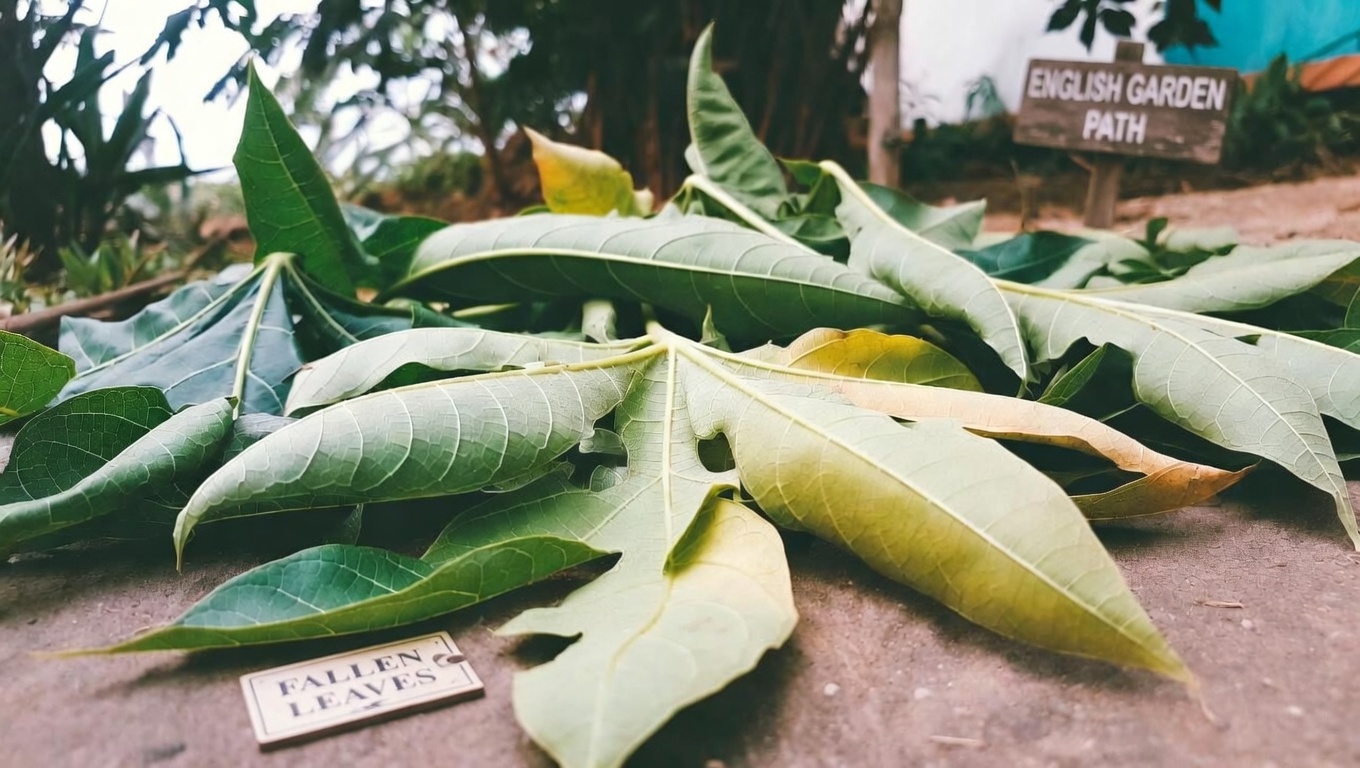
Papaya leaves come from the Carica papaya plant and contain several compounds that are frequently discussed in wellness and natural care. Among them are antioxidants such as flavonoids and vitamin E, along with enzymes like papain.
These components help explain why papaya leaves are sometimes used in scalp and hair treatments. Antioxidants may help support a healthier scalp environment by helping the skin deal with daily oxidative stress caused by pollution, heat styling, and other external factors. Papain, an enzyme naturally found in papaya, may also provide a gentle exfoliating effect when applied topically.
Studies also describe papaya leaves as a source of vitamins A, C, and E, as well as important minerals. These nutrients contribute to overall health and may indirectly support hair strength, appearance, and condition.
How Papaya Leaves Have Traditionally Been Used for Hair
In many cultures, papaya leaves have long been included in homemade scalp and hair remedies. Traditional methods vary, but some of the most common include:
- Boiling fresh or dried leaves to create a rinse or herbal infusion for the scalp
- Crushing the leaves into a paste and mixing them with yogurt or natural oils
- Blending papaya leaves with other plant-based ingredients to improve softness and moisture
People who use these methods often say the scalp feels refreshed and the hair becomes smoother after use. In traditional practice, papaya leaves are commonly linked with scalp cleansing and support for a healthier-looking hair growth cycle.
That said, results are highly individual, and not everyone will experience the same effects.
What Research Says About Papaya Leaves and Hair
Scientific attention on papaya has increased over time, including research on its leaves, fruit, and flowers. Much of this interest centers on antioxidant activity and enzyme-related properties.
Some laboratory and animal studies have explored whether papaya extracts may support hair-related processes. Findings from early research include:
- Certain extracts may affect enzymes such as 5α-reductase, which is relevant to hair health in some situations
- Some preclinical studies reported that hydroalcoholic papaya leaf extracts were associated with quicker hair regrowth markers than control groups
- Papaya compounds may help support follicle function through antioxidant effects and nutrient-related support
Even so, it is important to stay realistic. Most available evidence comes from test-tube studies, animal research, or limited small-scale investigations. Human clinical studies focused specifically on papaya leaf use for hair are still scarce, so strong conclusions cannot yet be made. Trusted health sources have also noted that while topical papaya use is popular, firm scientific proof for hair growth benefits is still developing.
Easy Ways to Add Papaya Leaves to Your Hair Routine
If you want to try papaya leaves at home, it is best to begin with simple, gentle methods. Always do a patch test first to make sure your skin does not react badly.
1. Papaya Leaf Hair Rinse
A basic rinse is one of the easiest ways to start.
- Gather 10 to 15 fresh young papaya leaves, or use dried leaves if fresh ones are unavailable.
- Wash the leaves well.
- Boil them in 2 to 3 cups of water for about 15 to 20 minutes.
- Strain the liquid and allow it to cool.
- After shampooing, pour the rinse over your scalp and hair.
- Massage gently, leave it on for 5 to 10 minutes, then rinse with plain water.
2. Papaya Leaf Hair Mask
A mask offers longer contact time and can be combined with moisturizing ingredients.
- Blend 8 to 10 clean leaves with a small amount of water until a paste forms.
- Add 2 tablespoons of coconut oil or aloe vera gel to improve texture and make application easier.
- Spread the mixture over the scalp and through the hair lengths.
- Cover with a shower cap and leave it on for 20 to 30 minutes.
- Wash thoroughly using a mild shampoo.
3. Dried Papaya Leaf Tea for the Scalp
If fresh leaves are hard to find, dried leaves can still be useful.
- Dry the leaves in the shade if preparing them yourself.
- Steep 1 to 2 tablespoons of dried leaves in hot water.
- Let the tea cool completely.
- Use it as a scalp soak or pour it into a spray bottle.
- Apply 2 to 3 times a week.
In most natural routines, steady use matters more than using large amounts. Many people who try papaya leaves say the effects, if any, tend to build gradually over time.
Benefits Commonly Associated with Papaya Leaves
People who include papaya leaves in their hair care often mention a few recurring benefits:
- A scalp that feels cleaner and calmer
- Hair that appears softer and shinier
- Less noticeable shedding over time
- Better nourishment for the hair due to naturally occurring vitamins
These reported effects match the plant’s nutrient profile, but outcomes depend on many personal factors, including diet, stress levels, hormones, and genetics.
Important Precautions Before Use
Papaya leaves are generally viewed as safe when used topically in moderate amounts, but a few precautions are worth remembering:
- Some individuals may develop mild irritation, especially if they are sensitive or allergic to papaya
- Do not apply papaya leaf mixtures to a scalp with cuts, wounds, or active irritation
- If you are pregnant or breastfeeding, speak with a healthcare professional before using them
- Papain can be potent, so it is best to dilute preparations properly and avoid excessive use
Frequently Asked Questions
How often can I use papaya leaf treatments on my hair?
A common starting point is 2 to 3 times per week. This helps reduce the chance of over-drying or irritating the scalp. From there, adjust based on how your scalp and hair respond.
Can papaya leaves replace medical or salon-based hair treatments?
No. Papaya leaves may be a helpful addition to a natural hair care routine, but they should not replace professional advice or proven treatment options for serious hair loss or scalp problems.
Where can I find papaya leaves?
If you live in a tropical area where papaya trees are common, fresh young leaves may be easy to collect. Otherwise, dried organic papaya leaves are often available in herbal stores or from reputable online sellers.
Final Thoughts
Papaya leaves offer a simple, plant-based way to explore more natural hair care. Their mix of antioxidants, enzymes, and vitamins makes them an appealing choice for people looking for gentle scalp support and hair that looks healthier overall. Early research on papaya-related extracts is promising, but more human studies are still needed to confirm exactly how effective papaya leaves may be for hair.
If you decide to try them, take a careful and consistent approach. Pay attention to how your scalp responds, keep track of any changes, and pair your routine with healthy habits such as balanced nutrition, stress control, and proper hair care for the best possible results.