
Turmeric, Ginger, Cinnamon, and Rosemary Tea: A Warming Herbal Blend with Everyday Wellness Benefits
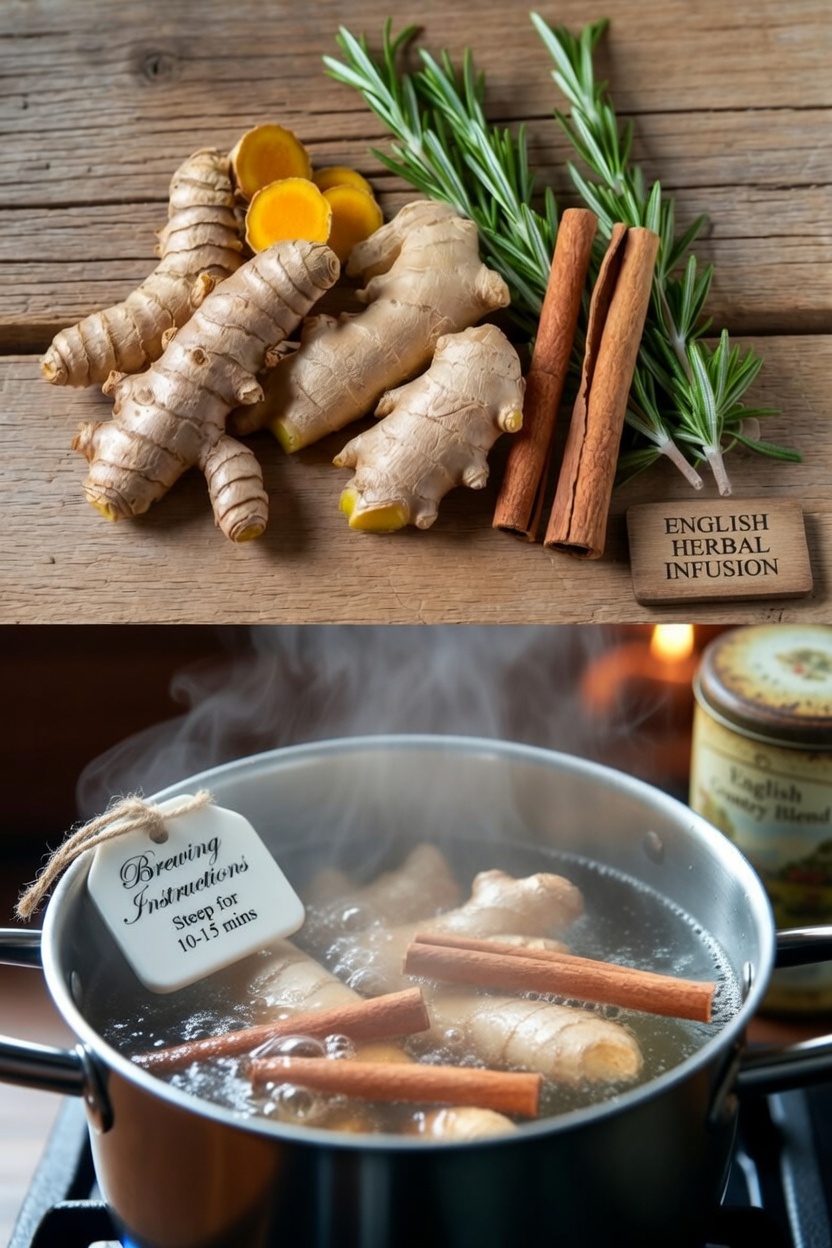
This soothing herbal tea brings together four familiar spices: turmeric, ginger, cinnamon, and rosemary. Turmeric provides curcumin, its best-known active compound, while ginger can be used fresh or dried, cinnamon works well as sticks or powder, and rosemary adds a fragrant herbal touch. For generations, these ingredients have been valued in traditional wellness practices, and modern research continues to examine their antioxidant and anti-inflammatory potential.
Current studies suggest that the natural compounds in these spices may help the body maintain healthy inflammation balance. Curcumin, for instance, is widely recognized for its role in supporting normal inflammatory function, while ginger and cinnamon may offer additional complementary support.
People are increasingly drawn to this tea for several reasons:
- It is naturally caffeine-free, making it a relaxing option any time of day.
- Its flavor is comforting and layered: ginger adds heat, cinnamon brings sweet warmth, rosemary offers brightness, and turmeric gives it a rich golden color.
- A small amount of black pepper is often included because it may improve curcumin absorption.
If you are curious about the health potential of this spice blend, keep reading to learn what research says and how to prepare it at home.

Why These Ingredients Stand Out
Researchers have explored each of these spices for their possible role in supporting daily health and overall wellness.
Turmeric and Curcumin
Turmeric is best known for curcumin, the vibrant yellow compound that has been studied extensively. Research suggests it may help support heart health markers, including healthy cholesterol levels and proper blood vessel function. Some scientific reviews also point to possible benefits for metabolic wellness, especially when paired with a balanced diet and healthy lifestyle.
Ginger
Ginger gives this tea its distinctive warming kick. Studies have linked ginger to support for digestion, circulation, and overall comfort. Evidence also suggests it may play a role in maintaining healthy blood pressure and lipid levels as part of a broader wellness routine.
Cinnamon
Cinnamon is a favorite spice not only for its flavor but also for its possible effect on blood sugar balance. Several analyses indicate that cinnamon may help support healthy fasting blood sugar levels and may also benefit cardiovascular health by positively influencing cholesterol and triglycerides.
Rosemary
Rosemary contributes a fresh, herbal aroma and contains antioxidant compounds such as carnosic acid. Early research suggests it may support circulation, mental clarity, and mild blood sugar regulation.
An interesting point is that these spices may work especially well together. Their combined antioxidant properties could help the body better manage everyday oxidative stress.
How This Herbal Tea May Support Key Areas of Health
Many people look for simple, natural habits that may help support heart health, energy, and metabolic function. Here are some of the main areas this tea blend may benefit.
1. Cardiovascular Wellness
Compounds found in turmeric, ginger, and cinnamon have been associated in various studies with:
- Better endothelial function, which supports healthy blood vessels
- Reduced oxidative stress
- Improved cholesterol and lipid balance
2. Metabolic Support
Ginger and cinnamon have shown potential in helping maintain more stable blood sugar levels, while turmeric may contribute to broader metabolic health.
3. Inflammation Balance and Everyday Comfort
All four ingredients contain compounds studied for their anti-inflammatory activity. Together, they may help the body respond to everyday inflammation related to stress, food choices, or physical activity.
4. Circulation and Vitality
Ginger and rosemary are often noted for their possible ability to support healthy blood flow. This may contribute to a greater sense of energy and may also help ease occasional leg heaviness from long periods of sitting.
It is important to remember that this tea is a supportive wellness habit, not a medical treatment. Results can differ depending on factors such as diet, activity level, and overall lifestyle.
How to Make Turmeric Ginger Cinnamon Rosemary Tea at Home
This herbal infusion is easy to prepare and takes only a short time. The recipe below makes 1 to 2 servings.
Ingredients
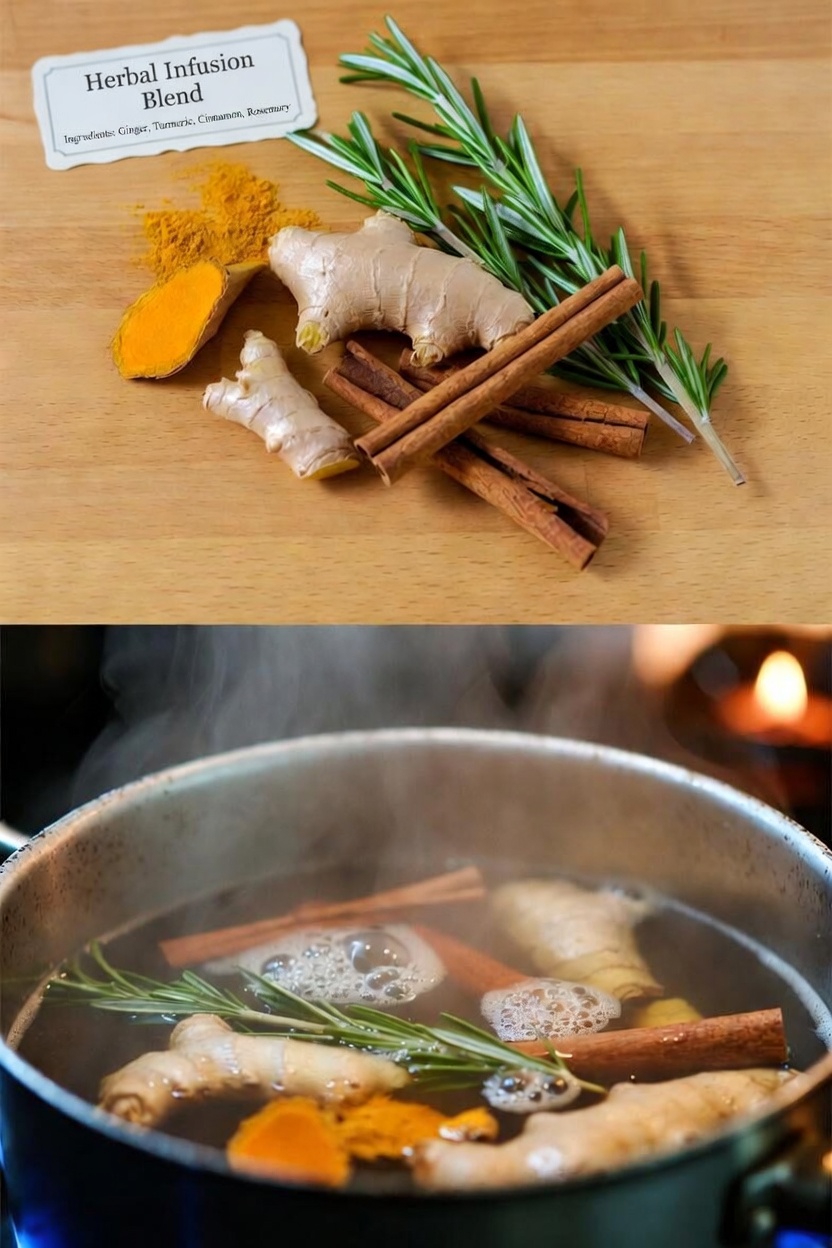
- 1-inch piece of fresh turmeric or 1 teaspoon ground turmeric
- 1-inch piece of fresh ginger or 1 teaspoon ground ginger
- 1 cinnamon stick or 1/2 teaspoon ground cinnamon
- 1 to 2 fresh rosemary sprigs or 1/2 teaspoon dried rosemary
- Optional: a pinch of black pepper
- 2 cups water or milk for a creamier version
- Optional: honey or lemon to taste
Step-by-Step Instructions
-
Prepare the fresh ingredients
- Slice or grate the turmeric and ginger.
- If using fresh turmeric, consider wearing gloves since it can stain.
-
Combine everything in a pot
- Add the turmeric, ginger, cinnamon, rosemary, and black pepper to a small saucepan.
- Pour in the water or milk.
-
Simmer gently
- Bring the mixture to a light boil.
- Lower the heat and let it simmer for 10 to 15 minutes.
-
Strain and serve
- Pour the tea through a strainer into a mug.
-
Enjoy warm
- Drink it once or twice daily if it suits your routine.
A helpful tip: if you are new to strong spices, begin with smaller amounts and gradually adjust the flavor to your preference.
Tips for Better Results
To get the most out of this tea, keep these practical tips in mind:
-
Use moderate amounts
- Around 1 to 2 cups per day is a reasonable amount for most people.
-
Add black pepper
- Piperine in black pepper may help increase curcumin bioavailability.
-
Store ingredients properly
- Fresh roots keep longer in the refrigerator.
- Ground spices stay best in sealed, airtight containers.
Safety Considerations
These spices are generally considered safe in normal culinary amounts, but there are a few things to be aware of:
- Larger quantities may cause mild digestive discomfort in some people.
- Speak with a healthcare professional if you:
- take medication for blood pressure, blood sugar, or blood clotting
- are pregnant
- have a condition such as gallstones
- Professional medical advice should always come before self-treatment.
Final Thoughts
Adding this flavorful herbal tea to your day can be a simple and enjoyable way to include more antioxidant-rich spices in your routine. Research is still developing, but existing studies suggest these ingredients may offer supportive benefits for inflammation response, circulation, and metabolic health.
Even beyond the potential health benefits, many people appreciate the daily ritual itself. A warm cup of this tea can feel grounding, nourishing, and comforting. For best results, start gently, pay attention to how your body responds, and combine this habit with balanced meals, regular movement, and enough rest.
Frequently Asked Questions
Can I drink this tea every day?
Yes, for most people, drinking 1 to 2 cups daily in moderation can be a gentle addition to a healthy lifestyle.
Can this tea replace medication?
No. This is a supportive, food-based habit and should not be used instead of prescribed medicine or professional medical guidance.
What if I do not enjoy the taste?
You can soften the flavor by adding:
- Honey
- Lemon
- A splash of milk
These simple additions can make the tea more enjoyable while preserving its core benefits.