
How Virgin Coconut Oil May Help Support Joint Health
Healthy joints depend on cartilage, the smooth, resilient tissue that cushions bones and allows comfortable movement. As the years go by, cartilage can be influenced by repeated physical stress, inflammation, and everyday lifestyle factors, all of which may affect how joints feel and function.
Research indicates that not all dietary fats interact with joint tissues in the same way. Some saturated fats commonly found in animal-based foods have been associated with less favorable changes in cartilage structure, while certain plant-derived fats appear more promising in early studies.

Why Virgin Coconut Oil Gets Attention
Virgin coconut oil stands out because of its distinctive fat composition. It contains a high level of medium-chain fatty acids, especially lauric acid, which makes up a large share of the oil. Unlike some longer-chain saturated fats, lauric acid has been explored in laboratory and animal research for possible protective effects.
One widely cited study from Queensland University of Technology reported that when certain animal fats were replaced with lauric acid from sources such as coconut oil, there were fewer signs of cartilage deterioration in models involving metabolic dysfunction and joint-related problems. The researchers suggested that lauric acid showed a more protective pattern than other fats tested.
Virgin coconut oil also provides antioxidant compounds and has shown anti-inflammatory activity in several experimental settings. In arthritis-related models, polyphenol-rich components from virgin coconut oil were linked to reductions in oxidative stress and inflammatory markers.
Human evidence is still limited, but some findings are encouraging. In one study, virgin coconut oil used together with vitamin D3 was associated with improvements in pain ratings, inflammatory markers, and physical function among people with early knee issues. This suggests it may play a supportive role as part of a wider nutrition strategy.
Although these results are promising, larger and more robust human studies are still needed before drawing firm conclusions.
Ways Virgin Coconut Oil May Promote Joint Comfort
Virgin coconut oil is not a cure for joint problems, but current research points to several mechanisms that may help support joint wellness:
- May help regulate inflammation: Certain compounds in virgin coconut oil could influence inflammatory responses, which are closely linked to joint discomfort.
- Provides antioxidant support: By helping reduce oxidative stress, it may indirectly benefit cartilage and surrounding tissues.
- Contains lauric acid: This medium-chain fatty acid differs from many animal-based saturated fats and has shown cartilage-supportive signals in some studies.
Used sensibly, virgin coconut oil can fit into an anti-inflammatory eating pattern that supports long-term joint care.
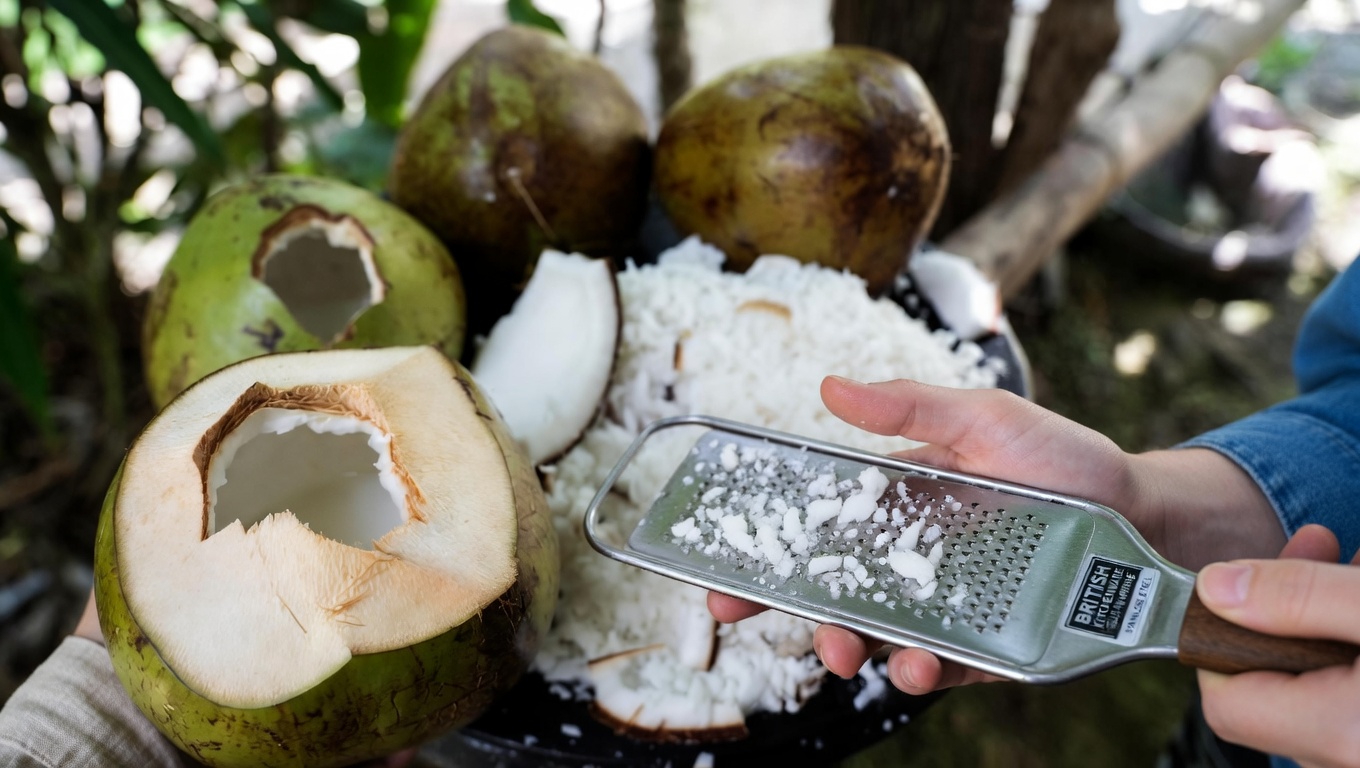
Easy Daily Ways to Use Virgin Coconut Oil
If you want to include virgin coconut oil in your routine, a practical target is about 1 to 2 tablespoons per day. Here are some simple options:
- Cook with it: Use it for light sautéing vegetables, eggs, or other foods over medium heat.
- Blend it into drinks: Add a spoonful to smoothies or coffee for a creamy consistency and mild coconut flavor.
- Apply it topically: Warm a small amount and gently massage it onto joints for a soothing feel. Always do a patch test first.
- Use it in baking or spreads: Swap it for butter in certain recipes or spread a little on toast.
It is best to begin with a small amount and monitor how your body responds. For the best quality, choose unrefined virgin coconut oil.
Lifestyle Habits That Work Alongside It
Adding virgin coconut oil to your diet is only one piece of the puzzle. For better joint support, combine it with habits known to benefit mobility and tissue health:
- Keep moving with low-impact exercise: Walking, swimming, and gentle yoga can help preserve flexibility, strength, and joint lubrication.
- Aim for a healthy body weight: Less pressure on the knees and hips can reduce daily strain.
- Eat more anti-inflammatory foods: Include options such as fatty fish rich in omega-3s, berries, leafy greens, and turmeric.
- Stay hydrated and sleep well: Both are important for tissue repair and inflammation control.
Together, these practices create a more complete approach to maintaining joint comfort over time.
Coconut Oil Compared With Other Common Fats
Here is a quick look at how virgin coconut oil compares with other popular fat sources:
| Fat Source | Key Compound | Potential Joint Impact Based on Studies | Best Way to Use |
|---|---|---|---|
| Virgin Coconut Oil | Lauric acid | May show cartilage-supportive effects in some models | Daily cooking, smoothies |
| Animal Fats (such as butter) | Longer-chain saturated fats | Linked in some research to less favorable cartilage changes | Best limited in excess |
| Olive Oil | Oleic acid | Known for strong anti-inflammatory potential | Salads, finishing oil, drizzling |
| Fish Oil | Omega-3 fatty acids | Well studied for helping reduce inflammation | Supplements or oily fish intake |
This comparison helps explain why virgin coconut oil can be a useful part of a balanced diet rather than a replacement for all other healthy fats.

Final Thoughts
Virgin coconut oil may be a helpful addition to a joint-friendly lifestyle, especially when paired with nutritious food choices, regular movement, and other healthy routines. Its unique fatty acid profile, antioxidant content, and anti-inflammatory potential make it an interesting option for people looking for natural ways to support joint comfort.
That said, results can vary from person to person, and the current evidence in humans remains limited. It is best viewed as one supportive tool within a broader wellness plan.
If you have a medical condition or take medication, speak with a healthcare professional before making major dietary changes.
FAQ
Is virgin coconut oil safe to use every day?
For most people, 1 to 2 tablespoons daily is generally considered a moderate amount and is usually well tolerated within a balanced diet. Some individuals may notice mild digestive changes at first, so starting slowly is a good idea.
Can coconut oil be applied directly to the joints?
Many people use virgin coconut oil as a massage oil because it is moisturizing and may feel soothing on the skin. However, evidence for direct joint relief from topical use is mostly anecdotal, so it should be seen as a complementary practice rather than a proven treatment.
How soon could I notice any benefits?
The timeline varies depending on the individual. Some nutrition-related studies have reported improvements over a period of several weeks to months. Consistent use, along with exercise, a balanced diet, and other supportive habits, is likely to offer the best chance of noticeable results.