Why Chayote Is a Smart Addition to a Healthy Lifestyle After 50
Many adults over 50 experience common day-to-day challenges, such as mild joint stiffness after activity, reduced energy, or ongoing attention to healthy blood pressure and cholesterol during regular check-ups. Even simple tasks can start to feel a little harder, which can be discouraging when comfort and mobility are not what they used to be.
What if a simple, affordable squash could provide useful nutritional support as part of a balanced routine? Chayote, also called choko or mirliton, has a long history of traditional use and is increasingly recognized for its impressive nutrition. This low-calorie vegetable may help support heart wellness, circulation, and overall vitality when included in a healthy diet.
In this article, you’ll learn what makes chayote so nutritious, how it may benefit everyday wellness, and an easy way to turn it into a light, refreshing drink at home.
What Makes Chayote Nutritionally Valuable?
Chayote offers a strong nutrient profile while staying very low in calories. A medium chayote contains roughly 39 calories, making it an excellent choice for people who want more nutrition without adding heavy foods to their meals.
It is especially known for providing:
- Folate (Vitamin B9) — One chayote can supply close to half of the recommended daily intake. Folate is important for cell function and overall health.
- Vitamin C — This antioxidant supports the immune system and helps the body handle everyday oxidative stress.
- Potassium — A key mineral involved in fluid balance and healthy blood pressure support, especially in diets that are not high in sodium.
- Fiber — Chayote delivers about 12% of the daily value, which can support digestion and help promote fullness.
- Antioxidants such as myricetin and other flavonoids — These plant compounds are associated with cellular protection and lower inflammation markers in research.
Sources including WebMD and Healthline point out that the fiber and antioxidants in chayote may contribute to heart health by helping support healthy cholesterol levels and circulation. Early studies in animals and limited human research also suggest possible benefits for blood pressure balance due to its potassium content and other active compounds.
How Chayote May Help Support Heart Health and Circulation
As people get older, cardiovascular health often becomes more important. Blood pressure, cholesterol, and circulation are frequent topics during healthcare visits, and food choices can play a helpful supporting role.
Chayote fits well into heart-conscious eating habits for several reasons:
- High potassium and naturally low sodium may help maintain electrolyte balance, which is linked to better blood pressure support.
- Fiber and flavonoids may help the body manage cholesterol by supporting healthy fat metabolism.
- Antioxidants like myricetin have shown promise in laboratory and animal studies for supporting blood vessel function and reducing oxidative stress that can affect circulation.
Taken together, these qualities make chayote a useful vegetable for a heart-friendly lifestyle. It is not a substitute for medical treatment, but it can be a practical nutritional addition to an overall wellness plan.
Chayote Compared With Other Common Vegetables
Per 1 cup of raw vegetable, chayote compares well with other familiar options:
-
Chayote
- About 25 calories
- Around 4g of fiber
- High in potassium
- Excellent source of folate
-
Cucumber
- About 16 calories
- Lower in fiber
- Moderate potassium
-
Zucchini
- About 20 calories
- Good fiber content
- Less folate than chayote
Chayote stands out because it combines low calories with notable folate content and antioxidant value.
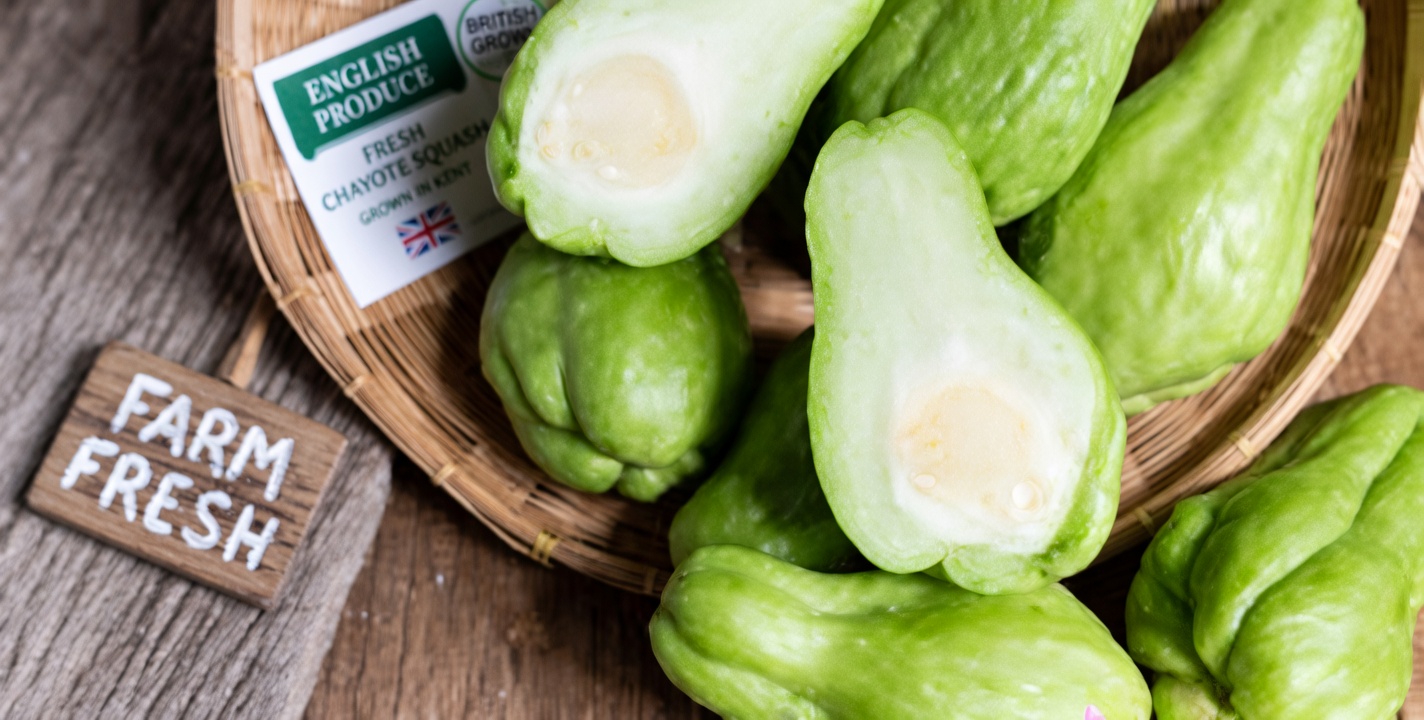
Everyday Wellness Benefits of Chayote
In addition to supporting heart health, chayote may also contribute to greater daily comfort and better energy.
Joint Comfort and Mobility
Chayote contains antioxidant compounds that may help the body deal with oxidative stress. Traditional use and early research suggest these properties could support everyday comfort, especially in relation to occasional stiffness or mild swelling.
Energy Support
Because it contains folate and small amounts of iron, chayote may support red blood cell health. This can be especially relevant for people who sometimes feel tired or low in energy.
Circulation and Fluid Balance
Potassium helps regulate fluid balance, while antioxidants may support healthy blood flow. Together, these nutrients may offer gentle support for people concerned about swelling in the feet or circulation-related discomfort.
Some clinical studies involving older adults with metabolic concerns have reported improvements in blood pressure and oxidative stress markers after regular chayote intake. These findings suggest that consistent use may support wellness over time.
Simple Ways to Add Chayote to Your Diet
One of the best things about chayote is how easy it is to use. You do not need to make major changes to enjoy it regularly.
Try these ideas:
- Add it raw to salads for a crisp texture and mild flavor
- Steam, sauté, or roast it as a light side dish with herbs and spices
- Use it in soups and stews to add volume and nutrients without many calories
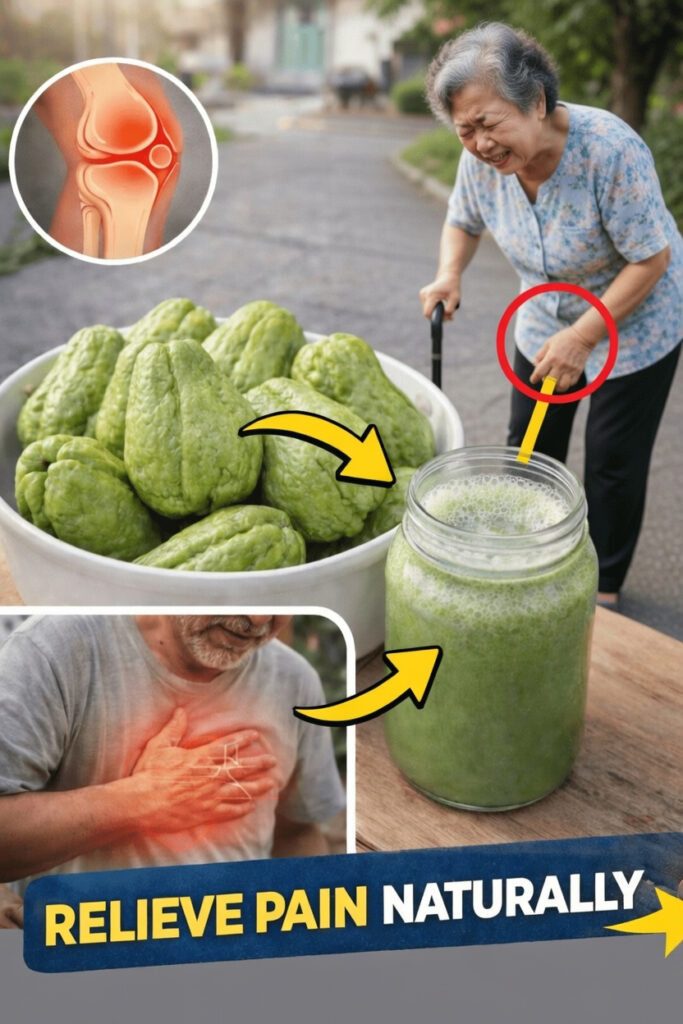
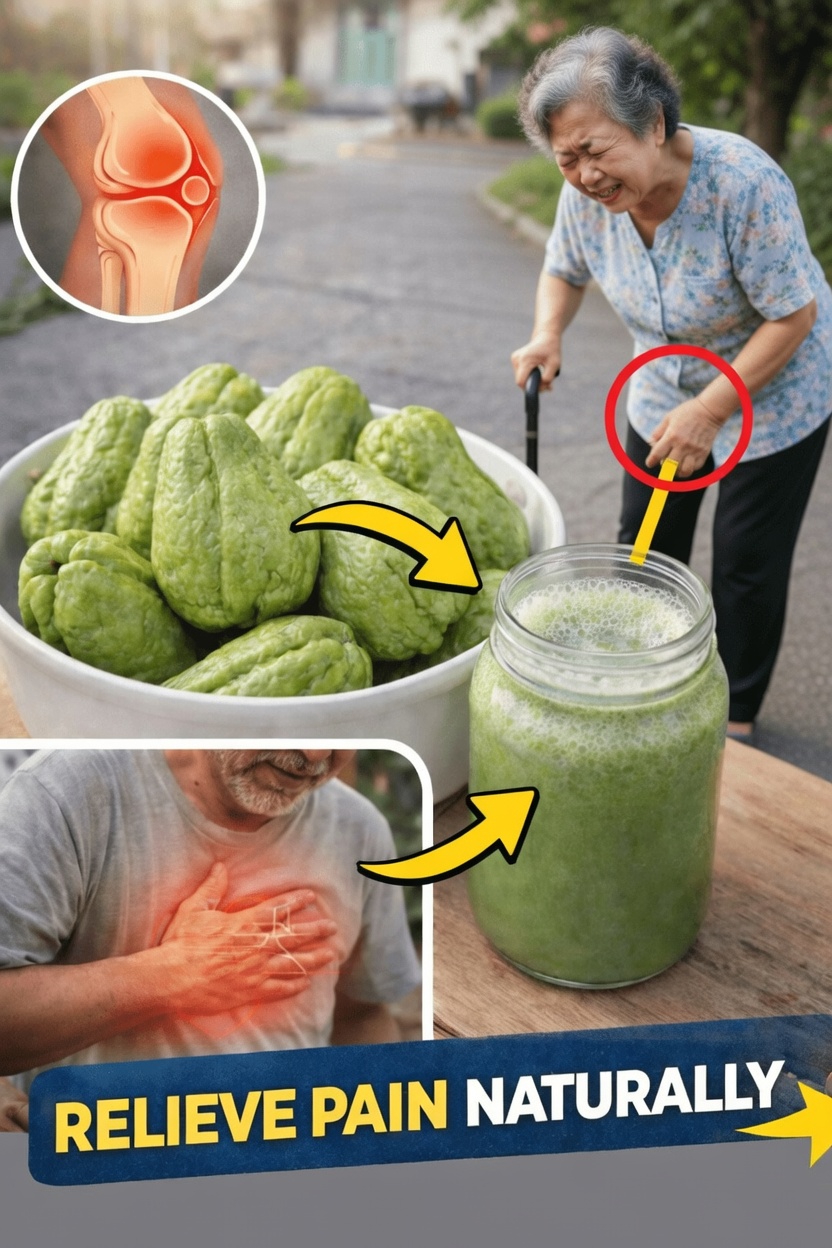
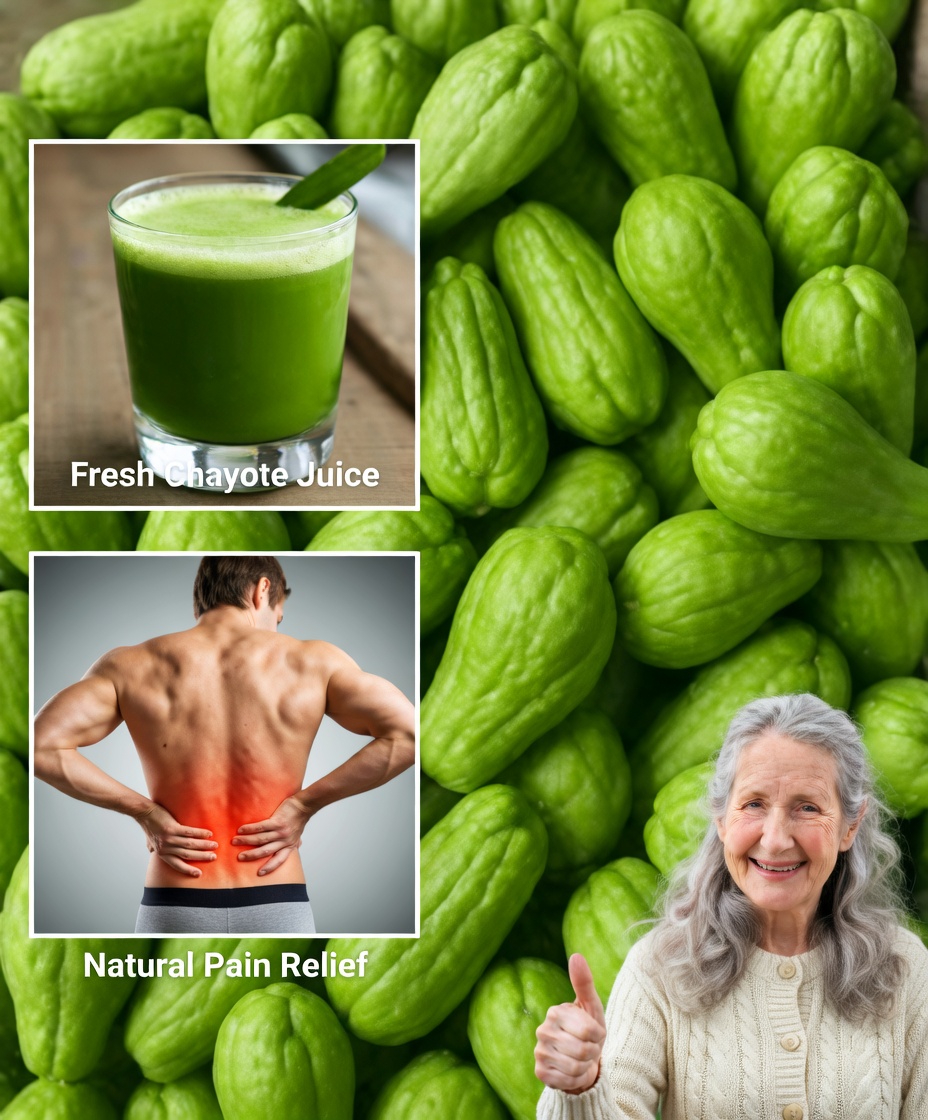
If you want an especially easy option, a homemade chayote drink is a great choice. It is refreshing, simple to prepare, and easy to include in a weekly routine.
Step-by-Step Chayote Green Juice Recipe
Follow these simple steps to make a fresh chayote-based drink:
- Wash 2 to 3 fresh chayote squash well.
- Peel them if desired, especially if the skin feels tough. If organic and tender, peeling is optional.
- Cut the chayote into chunks.
- Blend with 1 to 2 cups of water. You can also add cucumber for extra freshness and hydration.
- Strain the mixture if you want a smoother drink, or leave the fiber in for added nutritional value.
- Add fresh lemon juice for a brighter taste and extra vitamin C.
- For optional flavor, mix in a small piece of ginger or a little apple without adding too much sugar.
- Drink it fresh, preferably in the morning or between meals, 3 to 4 times per week.
Many people find the flavor light and pleasant, with none of the bitterness often associated with green drinks.
Why Regular Use Matters
Like many healthy foods, chayote works best when eaten consistently rather than occasionally. Its nutrients can provide better support over time when paired with other healthy habits.
To get the most benefit:
- Include chayote regularly in meals or drinks
- Stay active with gentle movement such as walking
- Eat a balanced diet rich in fruits, vegetables, and whole grains
- Be patient and focus on long-term habits
Research involving older adults has shown that antioxidant status can improve after months of regular chayote intake, highlighting the importance of consistency and overall lifestyle balance.
Conclusion
Chayote is much more than an ordinary squash. It is an affordable, versatile, and nutrient-rich food that may help support heart health, circulation, energy, and everyday comfort. Whether you add it to meals or prepare the simple green juice recipe, chayote offers an easy way to boost your daily nutrition.
Try adding it to your routine this week and see how naturally it fits into a healthy lifestyle.
Frequently Asked Questions
Is chayote safe to eat every day?
Yes, chayote is generally considered a safe and nutritious food when eaten as part of a varied diet. If you have never tried it before, begin with small portions and see how your body responds.
Can chayote replace blood pressure or cholesterol medication?
No. Chayote should not be used in place of prescribed medication or medical advice. If you are managing a health condition, speak with your doctor before making any major changes.
What does chayote taste like, and how do I pick a good one?
Chayote has a mild, slightly sweet flavor that is often compared to cucumber or zucchini. Choose squash that feel firm, look fresh, and have smooth, unblemished skin.