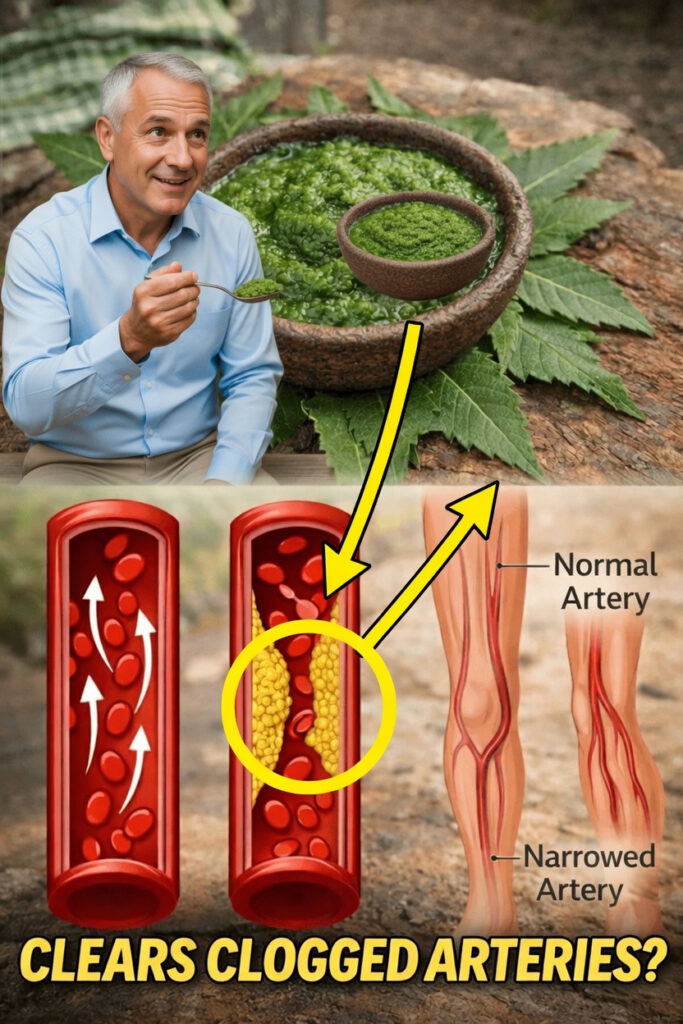
Moringa Leaves for Metabolic Health and Circulation: What the Evidence Suggests
Many people face daily wellness concerns such as uneven energy, blood sugar fluctuations, blood pressure management, cholesterol balance, and healthy circulation. When these issues interfere with comfort, movement, and long-term health goals, they can become discouraging. Fortunately, nutrition can play a supportive role, and some plant foods stand out for their impressive nutrient content.
One of the most talked-about options is moringa (Moringa oleifera), often referred to as the “miracle tree” because of its dense nutritional profile. But can moringa leaves truly help support metabolic health and blood flow? Let’s explore what makes this plant so unique, what research currently shows, and how to use it in a practical way.
Why Moringa Leaves Are Nutritionally Impressive
Moringa oleifera is a rapidly growing tree originally found in parts of Asia and Africa, though it is now grown in many regions around the world. Its leaves are especially valued because they contain a broad range of nutrients and beneficial plant compounds.
Key nutritional highlights of moringa leaves include:
- High levels of essential nutrients such as vitamin C, vitamin A, calcium, potassium, and plant protein
- Strong antioxidant content, including quercetin, chlorogenic acid, and beta-carotene
- Polyphenols and flavonoids that may help support the body’s natural anti-inflammatory and metabolic processes
These compounds work together in ways that may help protect the body from oxidative stress, an important factor in maintaining overall wellness over time.
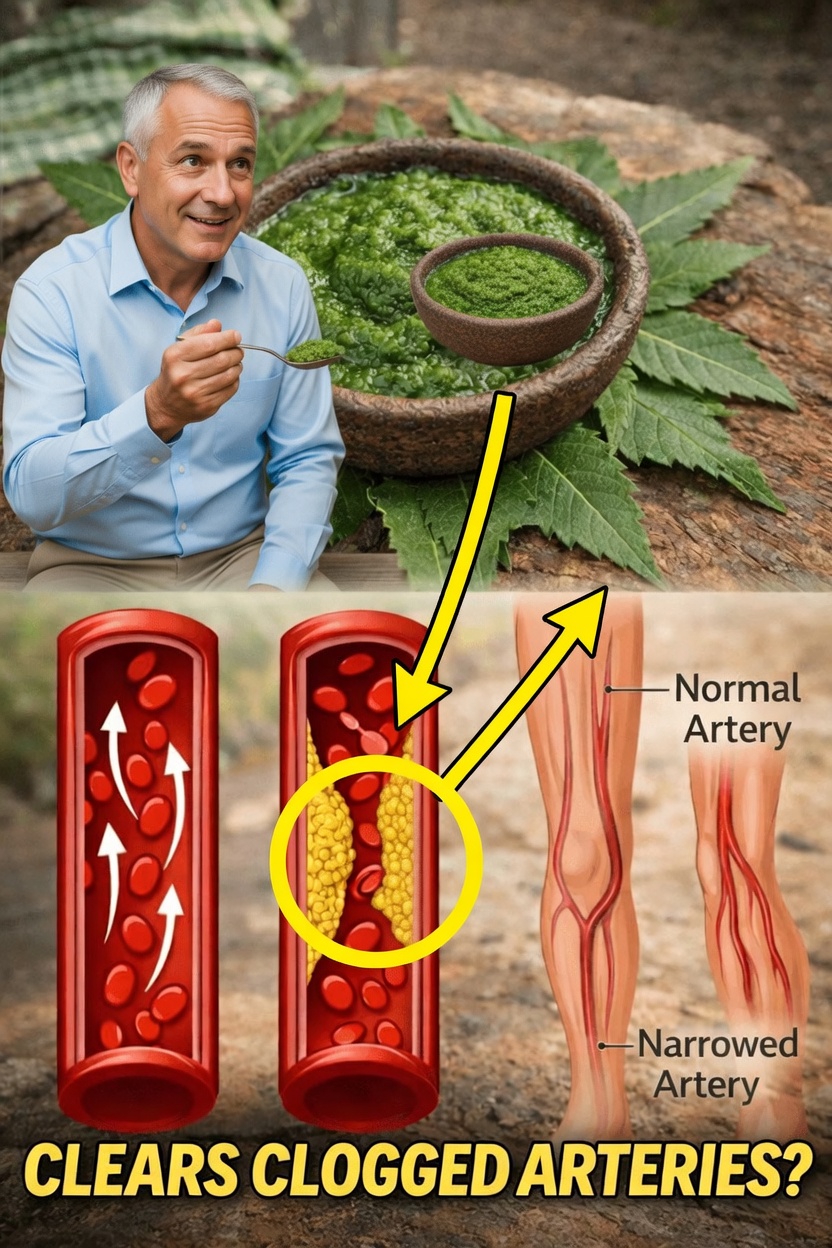
Can Moringa Help Support Healthy Blood Sugar?
Stable blood sugar levels are important for consistent energy, balanced mood, and avoiding the highs and lows that can affect daily life. This is one of the most researched areas when it comes to moringa leaves.
Some animal studies and small human trials suggest that moringa leaf powder or extract may help reduce blood sugar rises after meals. Researchers believe this effect may be linked to compounds that:
- Support insulin sensitivity
- Slow the absorption of carbohydrates
- Influence how the body processes glucose
A few reviews have reported modest improvements in fasting blood sugar and post-meal glucose levels in certain situations. One small study found that adding moringa to meals may offer some benefit, although results have not been consistent across all trials.
The current takeaway is balanced: moringa looks promising, but the human evidence is still limited. It may be most useful as part of a diet built around:
- Whole foods
- Fiber-rich meals
- Balanced carbohydrate intake
- Regular physical activity
Moringa and Blood Pressure Support
Healthy blood pressure is closely tied to cardiovascular wellness and good circulation. Moringa leaves contain flavonoids such as quercetin, which may help support blood vessel relaxation and nitric oxide activity.
Some animal research has shown:
- Better vascular function
- Mild improvements in blood pressure markers
- Reduced stress on blood vessels
In human studies, a few findings suggest that regular use of moringa at lower doses over several weeks or months may slightly reduce diastolic blood pressure. However, these effects are generally modest and not consistently seen in every study.
That means moringa should be viewed as a supportive food rather than a primary solution. Proven lifestyle habits remain essential for blood pressure management, including:
- Regular exercise
- Lower sodium intake
- Stress reduction
- Adequate sleep
- A diet rich in whole plant foods
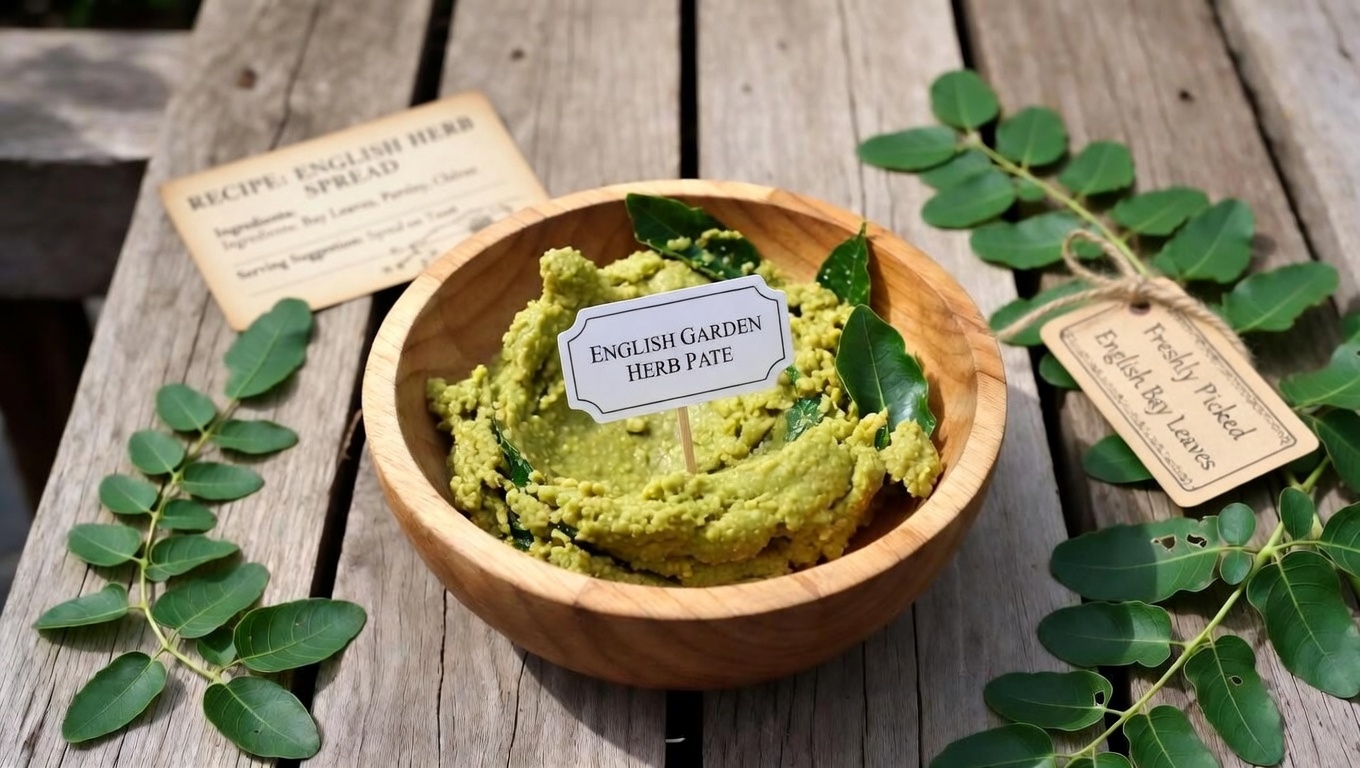
Possible Benefits for Circulation and Blood Flow
Good circulation helps deliver oxygen and nutrients throughout the body while supporting healthy blood vessels. Because moringa contains antioxidants and plant compounds associated with vascular support, researchers have also looked at its role in circulation.
Potential circulation-related benefits may include:
- Support for healthy blood vessel function
- Reduced oxidative stress in the vascular system
- Better nutrient delivery through improved blood flow pathways
Still, larger reviews note that these effects are not yet strong enough to make broad claims. Dosage, consistency, and duration of use appear to matter, and more high-quality human trials are needed.
What Research Says About Cholesterol and Lipid Balance
Maintaining healthy cholesterol and triglyceride levels is important for long-term heart and artery health. Moringa has also been studied for its potential effects on lipid profiles.
Some studies, including a small number of human trials, suggest moringa may help with:
- Lowering total cholesterol
- Reducing LDL cholesterol
- Decreasing triglycerides
- Possibly increasing HDL cholesterol
These effects may be connected to moringa’s antioxidant compounds and fiber content, both of which can influence fat metabolism. In one study involving overweight participants, low-dose moringa powder was associated with improved lipid markers after several weeks.
Even so, the research is mixed. Some studies report positive results, while others show little change. For now, moringa is best seen as one helpful addition to a broader heart-healthy eating pattern rather than a standalone answer.
Supporting Energy, Comfort, and General Wellness
Moringa’s value is not limited to blood sugar, blood pressure, or cholesterol. Because it is nutrient-dense, it may also contribute to overall vitality and everyday well-being.
Possible general wellness benefits include:
- Support for daily energy through improved nutrient intake
- Help in managing oxidative stress
- Mild support for comfort related to inflammation
Traditional use has also linked moringa with joint comfort and recovery, although scientific support for these uses varies. Some people simply feel better overall when adding more nutrient-rich foods like moringa to their routine.
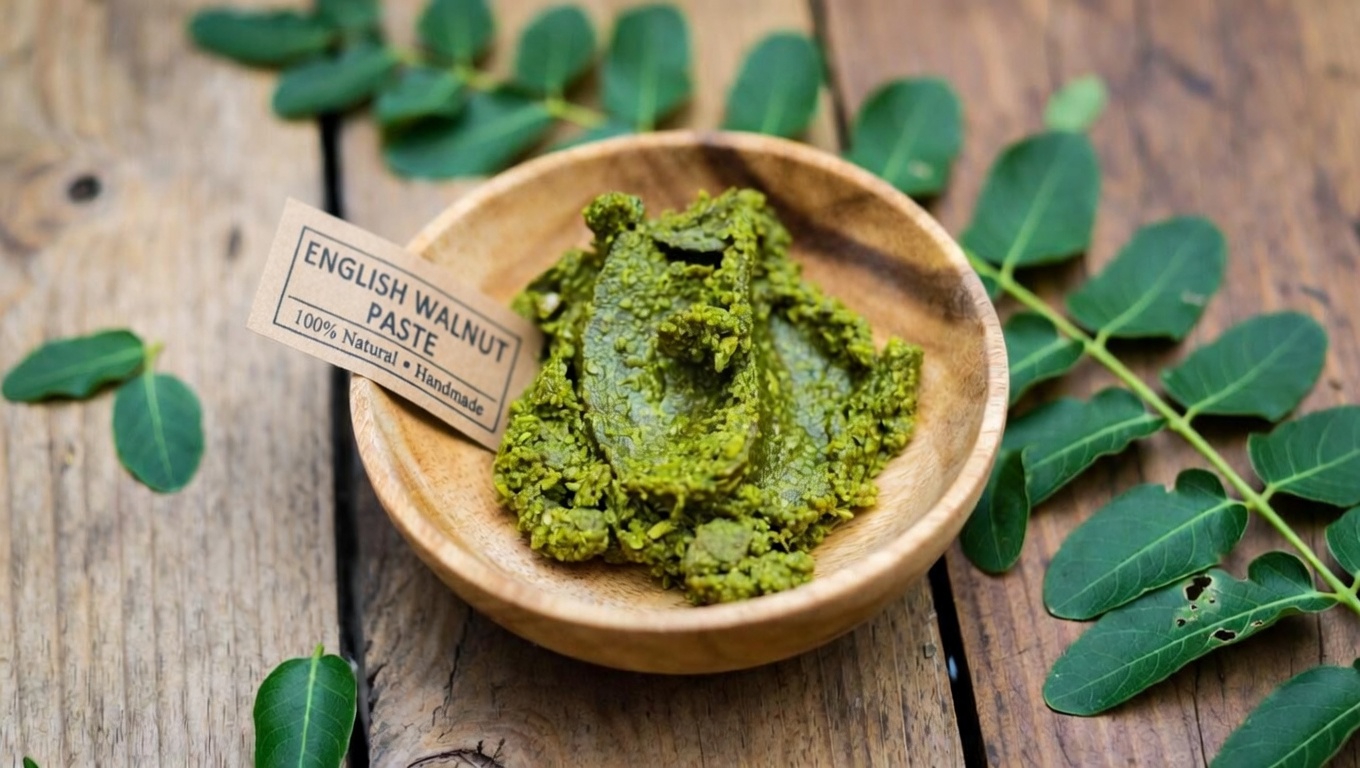
Easy Ways to Add Moringa to Your Diet
If you want to try moringa, begin with a small amount and increase gradually if it suits you. It is also wise to speak with a healthcare professional, especially if you take medication or have an existing condition.
Common ways to use moringa
- Moringa powder: Mix 1/2 to 1 teaspoon daily into smoothies, yogurt, oatmeal, or soups
- Fresh moringa leaves: Use them like spinach in salads, stir-fries, or soups; light cooking can reduce bitterness
- Moringa tea: Steep dried leaves in hot water for 5 to 10 minutes and drink 1 to 2 cups per day
- Capsules or supplements: Follow the product instructions, often ranging from 500 to 2000 mg daily, though whole-food forms may provide a broader range of nutrients
Tips for better results
- Choose high-quality, ideally organic products
- Take moringa with meals when possible
- Monitor how you feel over 4 to 8 weeks
- Combine it with:
- Balanced meals
- Good hydration
- Regular movement
- Healthy sleep habits
What the Science Really Shows
The research around moringa is encouraging, especially in areas such as:
- Blood sugar support
- Mild blood pressure effects
- Cholesterol and triglyceride improvement
- Markers related to circulation and vascular health
However, the science is not yet definitive. Many published reviews point out the same limitations:
- Human studies are still relatively small
- Results are not always consistent
- More long-term research is needed
- Ideal dosage and form are not fully established
So while moringa leaves deserve attention as a nutrient-rich functional food, they are not a cure-all. Their greatest value likely comes when they are used as part of a larger healthy lifestyle.
Conclusion
Moringa leaves are a simple, accessible, and highly nutritious plant food that may offer gentle support for metabolic health, cholesterol balance, blood pressure, and circulation. While current research is promising, it is still developing, so expectations should remain realistic.
Used thoughtfully, moringa can be a smart addition to a wellness routine centered on whole foods, exercise, hydration, and consistent healthy habits. If you are curious about trying it, starting small and using it safely is a practical way to see whether it fits your lifestyle.
Frequently Asked Questions
How much moringa should I take each day?
A common starting amount is 1 to 2 grams of powder per day, which is about 1/2 to 1 teaspoon, or the equivalent in tea or fresh leaves. Some studies use higher amounts, but it is best to start low and adjust carefully.
Is moringa safe for everyone?
Moringa is generally well tolerated in food-level amounts. However, it may interact with medications, especially those used for blood sugar or blood pressure. People who are pregnant or have thyroid concerns should use extra caution and seek medical advice first.
Can moringa replace medication?
No. Moringa should be considered a supportive food, not a medical treatment. It should not replace prescribed medications or professional care for any health condition.