Fatty Liver Diet Guide: 10 Foods to Eat More Often and 10 Foods to Cut Back
Being diagnosed with fatty liver, now commonly called metabolic dysfunction-associated steatotic liver disease (MASLD), can feel overwhelming. Since this condition is often connected to daily eating habits, many people immediately start asking the same question: What should I eat now? The flood of mixed advice online can make that answer even harder to find.
The encouraging part is that nutrition can play a meaningful role in supporting liver health. Research from reliable sources such as Mayo Clinic and WebMD points to the value of a balanced, nutrient-dense eating style, especially one similar to the Mediterranean diet. This way of eating may help reduce excess liver fat, improve nutrition, and support healthy weight management.
Even better, you do not need to overhaul everything overnight. A few steady, realistic changes on your plate can add up over time. Below, you’ll find 10 foods to prioritize, 10 foods to limit, plus practical tips and answers to common questions.
Why Nutrition Is Important for Liver Health
Your liver is constantly at work. It helps process nutrients, remove harmful substances, and regulate fat metabolism. When too much fat builds up in the liver—often due to excess calories, added sugars, and unhealthy fats—it may gradually contribute to inflammation and reduced liver function.
Eating patterns rich in fiber, antioxidants, and healthy fats may help the liver work more efficiently. Among the most studied approaches, the Mediterranean-style diet stands out because it emphasizes whole foods and does not rely on harsh restrictions.
10 Best Foods to Add to a Fatty Liver Diet
The following foods offer valuable nutrients that fit well into a liver-friendly eating plan, including omega-3 fats, fiber, and antioxidant compounds.
1. Leafy Greens
Vegetables such as spinach, kale, and broccoli are loaded with vitamins and plant compounds that may help lower oxidative stress. Try adding a generous handful to salads, soups, or smoothies each day.
2. Fatty Fish
Salmon, sardines, and mackerel are excellent sources of omega-3 fatty acids, which may help support a healthier inflammatory response. Aim for 2 to 3 servings weekly.
3. Oatmeal and Whole Grains
Foods like oats, barley, and brown rice provide soluble fiber, which may help with blood sugar balance and steady energy throughout the day.
4. Nuts
Walnuts and almonds are especially good choices because they contain healthy fats, fiber, and antioxidants. A small handful per day is usually enough.
5. Avocados
Avocados contain monounsaturated fats, making them a smart addition to balanced meals. They also pair well with salads, grain bowls, and sandwiches.
6. Berries
Blueberries, strawberries, and other berries are rich in polyphenols and other antioxidant compounds that support overall wellness.
7. Olive Oil
Using olive oil as your main added fat can be a simple but effective change. Its monounsaturated fat profile makes it a staple of Mediterranean-style eating.
8. Coffee in Moderation
Moderate coffee intake has been linked in research to favorable effects on liver enzymes. If you already drink coffee, unsweetened or lightly sweetened versions are better choices.
9. Green Tea
Green tea contains catechins, which are antioxidant compounds that may offer supportive benefits for liver health.
10. Legumes
Beans, lentils, and chickpeas provide plant-based protein and fiber, helping meals feel filling while supporting more stable blood sugar.
When these foods are combined into regular meals, their benefits can work together more effectively than any one ingredient alone.
10 Foods to Limit or Avoid With Fatty Liver
Some foods can place extra pressure on the liver when eaten frequently, especially those high in added sugar, refined carbohydrates, and saturated or trans fats.
1. Sugary Drinks
Soda, sweetened juices, and energy drinks often contain large amounts of fructose, which the liver must process directly.
2. Fried and Processed Foods
Items such as French fries, chips, and heavily processed snacks are often high in unhealthy fats and excess calories.
3. Foods High in Added Sugar
Candy, cakes, cookies, and desserts can contribute to greater fat storage when consumed often.
4. Refined Carbohydrates
White bread, pastries, and many packaged baked goods can cause rapid rises in blood sugar.
5. Red and Processed Meats
Bacon, sausage, and processed deli meats tend to be high in saturated fat. If eaten, portions should stay modest.
6. Full-Fat Dairy Products
Foods like butter, cream, and high-fat dairy products may be better replaced with lower-fat options.
7. Fast Food Meals
Fast food often combines several less helpful ingredients at once, including refined carbs, sodium, unhealthy fats, and added sugars.
8. Too Much Alcohol
Alcohol directly affects liver function, so limiting it—or avoiding it entirely—can be especially important for people with fatty liver concerns.
9. Highly Processed Snack Foods
Many packaged snack foods hide significant amounts of sugar, sodium, and unhealthy fats, even when they appear convenient.
10. Products High in Palm Oil
Some packaged foods made with palm oil may contribute extra saturated fat, so it helps to check ingredient labels carefully.
Best Foods vs. Worst Foods for Fatty Liver
| Best Choices | Why They Help | Foods to Limit | Why to Cut Back |
|---|---|---|---|
| Leafy greens, berries | Provide antioxidants and fiber | Sugary drinks, candy | High in excess fructose and sugar |
| Fatty fish, walnuts | Supply omega-3s and healthy fats | Fried foods, fast food | Often rich in saturated and trans fats |
| Oatmeal, legumes | Support steadier blood sugar | Refined carbs, pastries | Can cause quick glucose spikes |
| Olive oil, avocados | Contain monounsaturated fats | Processed meats | Higher in saturated fat |
| Coffee and green tea in moderation | Offer protective plant compounds | Excess alcohol | Places direct strain on the liver |
Simple Tips to Start Today
Making progress does not require perfection. Start with a few realistic swaps:
- Begin the morning with oatmeal topped with berries and walnuts.
- Replace sugary drinks with water or unsweetened green tea.
- Fill half your plate with non-starchy vegetables such as spinach, broccoli, or kale.
- Use olive oil instead of butter for cooking or dressings.
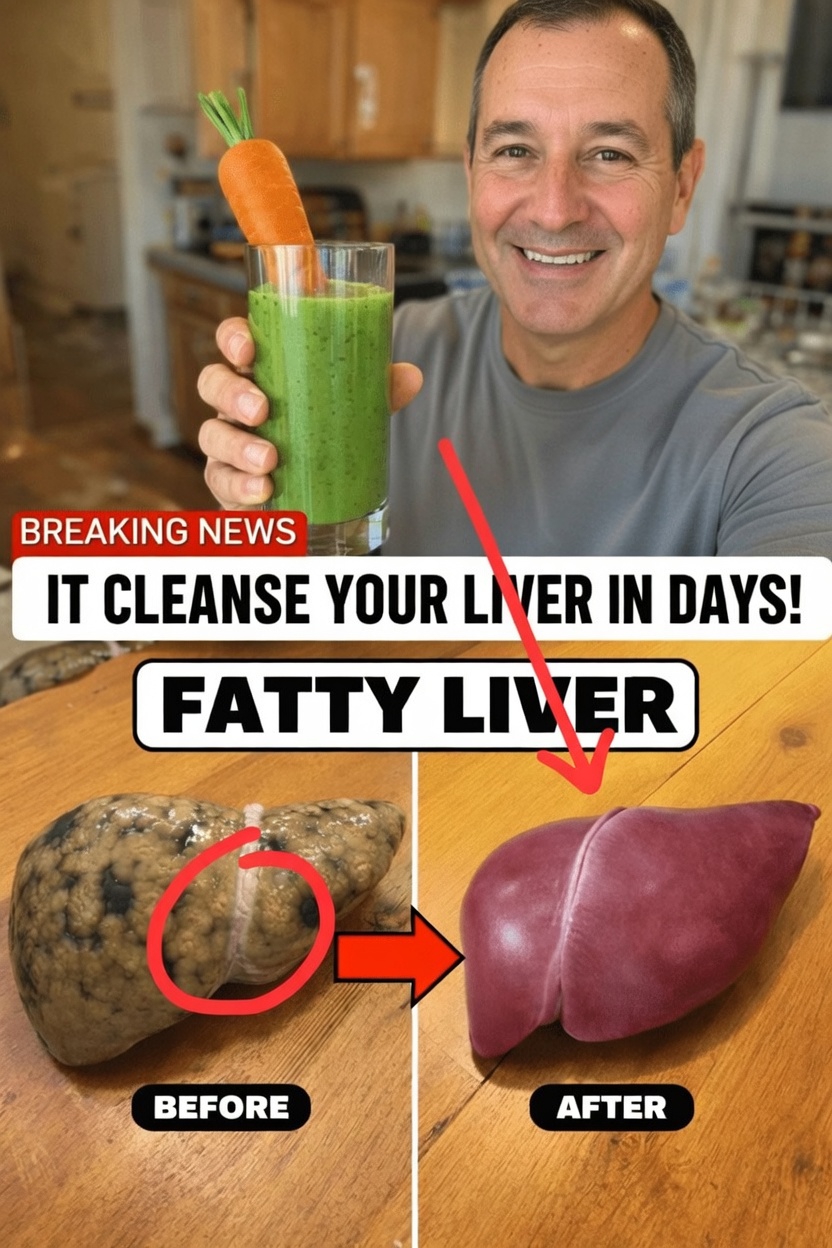
- Add fish to your routine twice a week, such as grilled salmon with vegetables.
- Read nutrition labels and choose products with less than 5 grams of added sugar per serving when possible.
- Avoid foods containing partially hydrogenated oils.
- Focus on 2 or 3 small changes this week rather than trying to change everything at once.
- Watch portion sizes, since even nutritious foods can add up. Smaller plates can help.
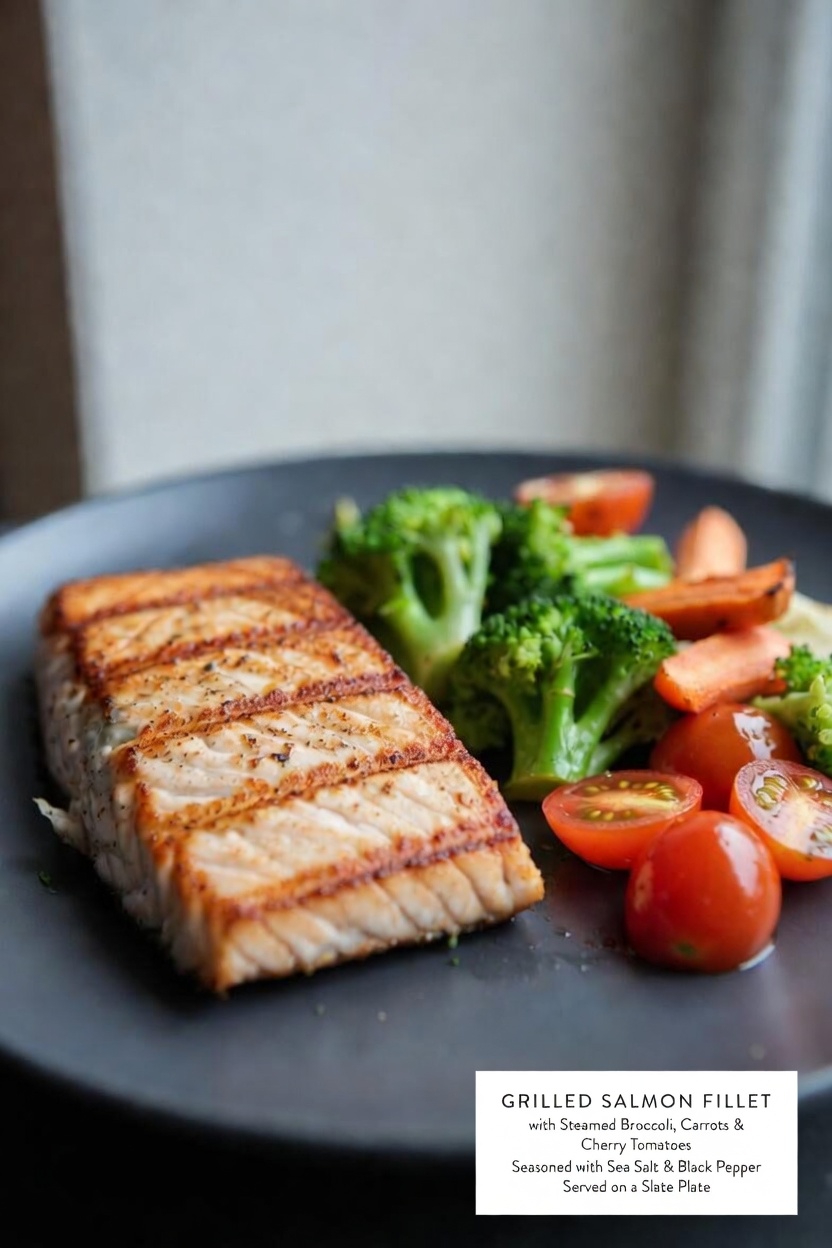
These steps reflect evidence-based eating patterns like the Mediterranean diet, which favors whole foods, consistency, and balance over extreme dieting.
Conclusion: Small Changes Can Support Your Liver
Improving liver health does not mean following a harsh or complicated plan. Choosing more nutrient-rich foods and reducing the ones that add extra strain can give your body better support over time. Many people notice better energy and stronger motivation once healthy habits become more consistent.
The most important step is simply getting started. One small change today can lead to meaningful progress later.
FAQ
What eating pattern is considered best for fatty liver?
A Mediterranean-style diet is often highlighted in research as one of the most supportive approaches. It emphasizes vegetables, legumes, whole grains, healthy fats, and lean protein while reducing highly processed foods.
Can I still eat sweets or fried foods sometimes?
Yes, occasional treats can still fit into a balanced routine. The key is to enjoy them in moderation rather than making them part of everyday eating.
How long does it take for diet changes to help?
Results vary from person to person, but studies suggest that consistent healthy eating over weeks to months—especially when paired with healthy weight management if needed—can support positive changes.