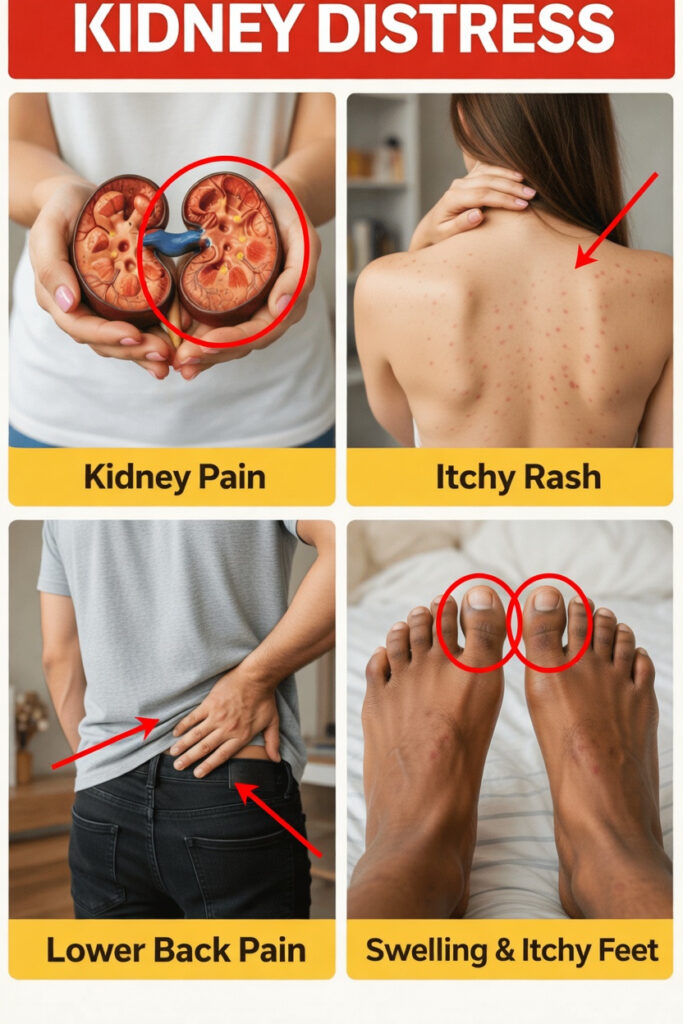
Subtle Signs Your Kidneys May Need Attention
Many people move through daily life without realizing that small physical changes could be linked to kidney problems. These essential organs constantly filter waste, regulate fluid balance, and help maintain overall wellness. When they are not working at their best, the warning signs are often mild and easy to dismiss as stress, aging, or everyday fatigue.
Ongoing tiredness, unexplained swelling, or changes in the skin may not seem serious at first. However, when these symptoms continue or appear together, they can begin to affect how you feel day after day. The encouraging part is that noticing these clues early can help you start an important conversation with a healthcare professional.
In this article, we’ll look at some of the most commonly reported kidney-related warning signs, based on guidance from respected health sources. We’ll also cover simple habits that may help support kidney health over time.
Why the Kidneys Create Noticeable Symptoms
Your kidneys are two bean-shaped organs located in the lower back, just beneath the rib cage. Every day, they filter roughly 200 liters of blood, removing waste while keeping fluids, minerals, and other important substances in balance. When kidney function begins to decline, even slightly, waste products can accumulate, fluid levels may shift, and mineral imbalances can develop. These changes can show up in many different parts of the body.
Trusted organizations such as the National Kidney Foundation and Mayo Clinic note that early kidney issues often progress quietly. Symptoms may appear slowly, which is why many people do not recognize a problem until the changes become more consistent. Spotting these patterns early can make medical evaluation more useful, especially since blood tests and urine tests can reveal what symptoms alone cannot.
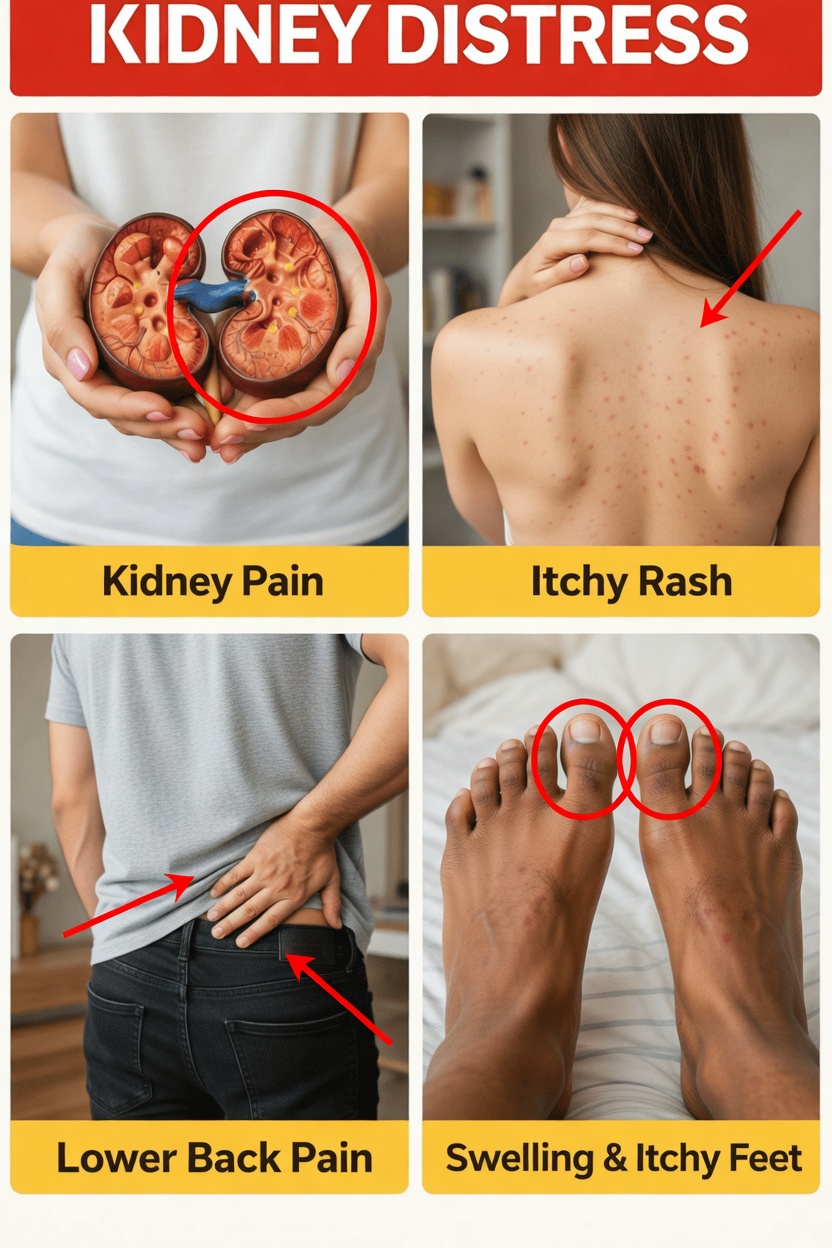
1. Ongoing Fatigue and Mental Fog
One of the most frequently reported early signs is persistent tiredness. You may feel drained even after a full night of sleep, or find it harder than usual to stay alert and focused.
This can happen when kidney problems affect red blood cell production or allow waste products to build up in the body. If your energy feels unusually low for an extended period, it is worth paying attention, especially if other symptoms are also present.
2. Changes in Urination
Altered bathroom habits are another common clue. You might notice that you are urinating more often, particularly overnight. Some people see darker urine, foaminess, visible blood, reduced output, or discomfort during urination.
Because the kidneys are responsible for filtering blood and producing urine, changes in urine can reflect shifts in how well they are functioning. Foamy urine, for example, may sometimes be linked to protein leakage, which health experts recognize as an important warning sign.
3. Swelling in the Feet, Ankles, Hands, or Around the Eyes
Swelling, also called edema, can appear when the kidneys have trouble removing extra sodium and fluid. This often shows up in the feet and ankles first, though some people also notice puffiness in the hands or around the eyes, especially in the morning.
If your shoes feel tighter, rings no longer fit the same way, or your socks leave deeper marks than usual, it may be useful to monitor the swelling over several days.
4. Dry, Itchy Skin or Recurring Rash
Unusually dry skin, persistent itching, or even a rash can sometimes point to mineral imbalance or waste buildup in the body. In more advanced cases, these internal changes can irritate the skin beyond ordinary dryness.
People often describe this itching as widespread rather than limited to one small area. It may affect the back, arms, or legs. Moisturizer may provide temporary relief, but ongoing skin symptoms should not be ignored.

5. Discomfort in the Lower Back or Side
Some individuals report a dull ache or steady pressure in the lower back or along the sides, just under the ribs. This sensation is not always present, but when it occurs alongside other symptoms, it can raise concern.
Since the kidneys are located in this area, discomfort here often leads people to seek medical evaluation.
6. Muscle Cramps or Restless Legs
Frequent muscle cramps, especially at night, or an uncomfortable need to move the legs may also be connected to kidney-related electrolyte changes. Imbalances involving calcium, potassium, or other minerals can contribute to these symptoms.
Although cramps and restless legs are more commonly associated with later stages of kidney issues, some people notice them earlier. Stretching before bed may help temporarily, but persistent symptoms deserve attention.
7. Shortness of Breath
Becoming breathless during light activity may be another signal. In some cases, this can happen because extra fluid affects the lungs or because kidney problems contribute to anemia, reducing the body’s ability to carry oxygen efficiently.
This symptom highlights how strongly the kidneys are connected to the rest of the body. Their function influences more than just urine production.
8. Loss of Appetite, Nausea, or a Metallic Taste
A reduced desire to eat, occasional nausea, or a strange metallic taste in the mouth may develop as waste products build up. These symptoms often come on gradually, making them easy to overlook.
Some people also experience unintentional weight changes as their appetite declines.
9. Sleep Problems and Restless Nights
Trouble falling asleep, staying asleep, or waking often during the night can also be linked to kidney-related issues. Toxin buildup, discomfort, and other associated symptoms may all interfere with rest.
Improving sleep habits can be beneficial, but persistent sleep disruption should be discussed with a healthcare provider if it continues.
10. Puffy Eyes or Facial Swelling
Swelling around the eyes, especially in the morning, is another possible fluid-related sign. It may be more noticeable after eating salty foods, but when it happens regularly, it can suggest that the body is retaining fluid.

Daily Habits That May Support Kidney Health
Many people adopt simple lifestyle habits to help protect kidney function and support overall wellness. Helpful everyday practices include:
- Drinking plain water regularly throughout the day instead of consuming large amounts all at once
- Choosing fresh fruits and vegetables more often than heavily processed foods
- Reducing added salt to help manage fluid balance
- Staying physically active, even with short daily walks
- Checking blood pressure at home, since blood pressure and kidney health are closely connected
- Avoiding smoking and limiting alcohol intake, both of which can place extra strain on the body
Small, realistic changes are often easier to maintain and can contribute to long-term well-being.
When to Speak With a Healthcare Professional
If several of these symptoms continue for weeks, it may be time to schedule a medical check-up. Basic blood work and urine testing can provide useful answers, whether that means reassurance or early detection of a potential issue.
Early awareness matters. Recognizing symptoms and acting on them sooner can make it easier to manage health concerns proactively.
FAQ
What daily habits are best for kidney health?
A healthy routine usually includes balanced meals, regular movement, steady hydration, and managing blood pressure or blood sugar when necessary. These habits support overall health and may also benefit the kidneys.
Do these symptoms always mean a kidney problem?
No. Many of these signs can also be caused by dehydration, allergies, poor sleep, stress, or other common conditions. That is why a professional medical evaluation is important.
How often should kidney function be tested?
If you have risk factors such as diabetes, high blood pressure, or a family history of kidney disease, ask your doctor about routine screening. For many people, yearly physical exams include basic kidney-related checks.
Important Note
This article is for educational purposes only and should not replace professional medical advice. Always speak with a qualified healthcare provider for guidance tailored to your personal health needs.