Guava Leaves for Oral Care: 3 Simple Ways to Support Cleaner Teeth and Fresher Breath
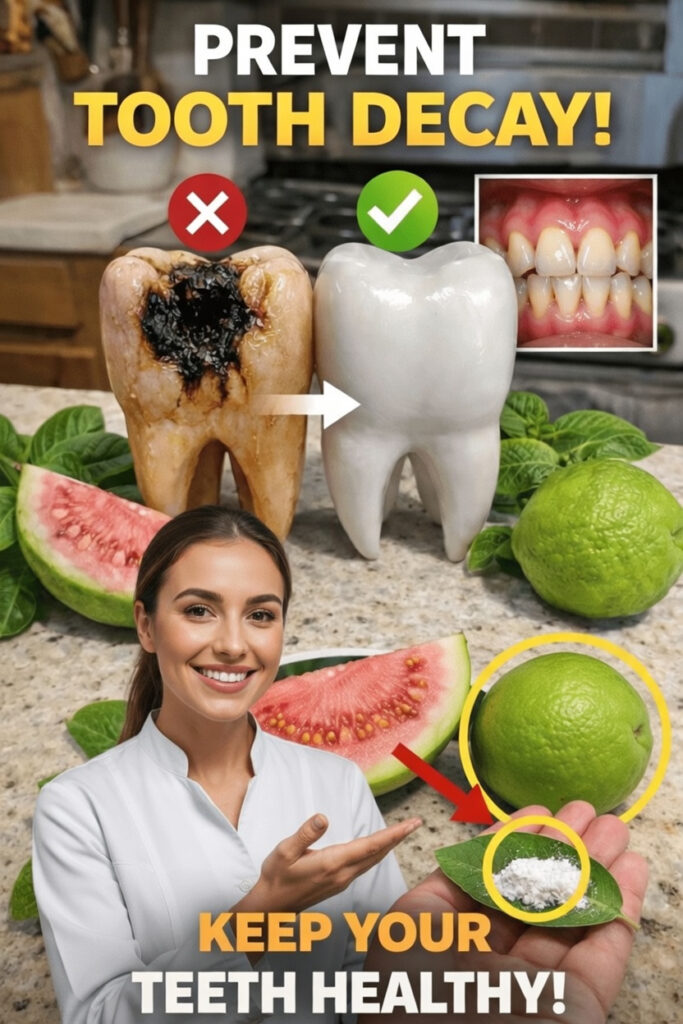
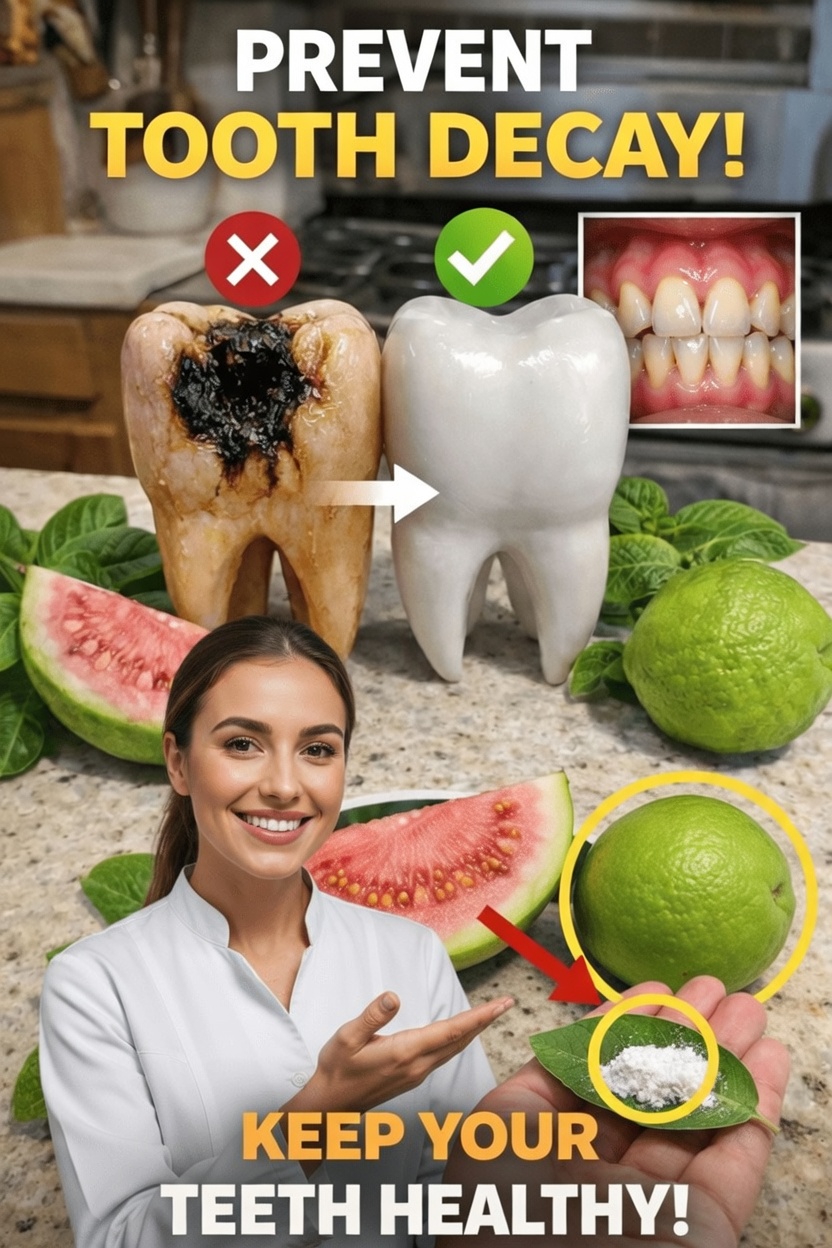
Tooth decay is still one of the most widespread dental problems across the globe. It often begins with plaque accumulation and bacterial activity, which can gradually cause bad breath, tooth sensitivity, discomfort, and more serious oral health complications if ignored. Because of this, many people look for gentle and low-cost natural remedies to support their daily dental care routine.
Among the traditional plant-based options used for oral hygiene, guava leaves have attracted growing interest. They contain beneficial plant compounds, especially flavonoids and tannins, which are often associated with supportive effects for the mouth and gums.
Scientific findings suggest that these natural substances may help promote better oral hygiene when used alongside regular dental care. Below, we’ll look at practical ways to use guava leaves at home, along with general research-based insights into why they are becoming more popular in oral wellness routines.
Why Guava Leaves Are Getting More Attention for Oral Health
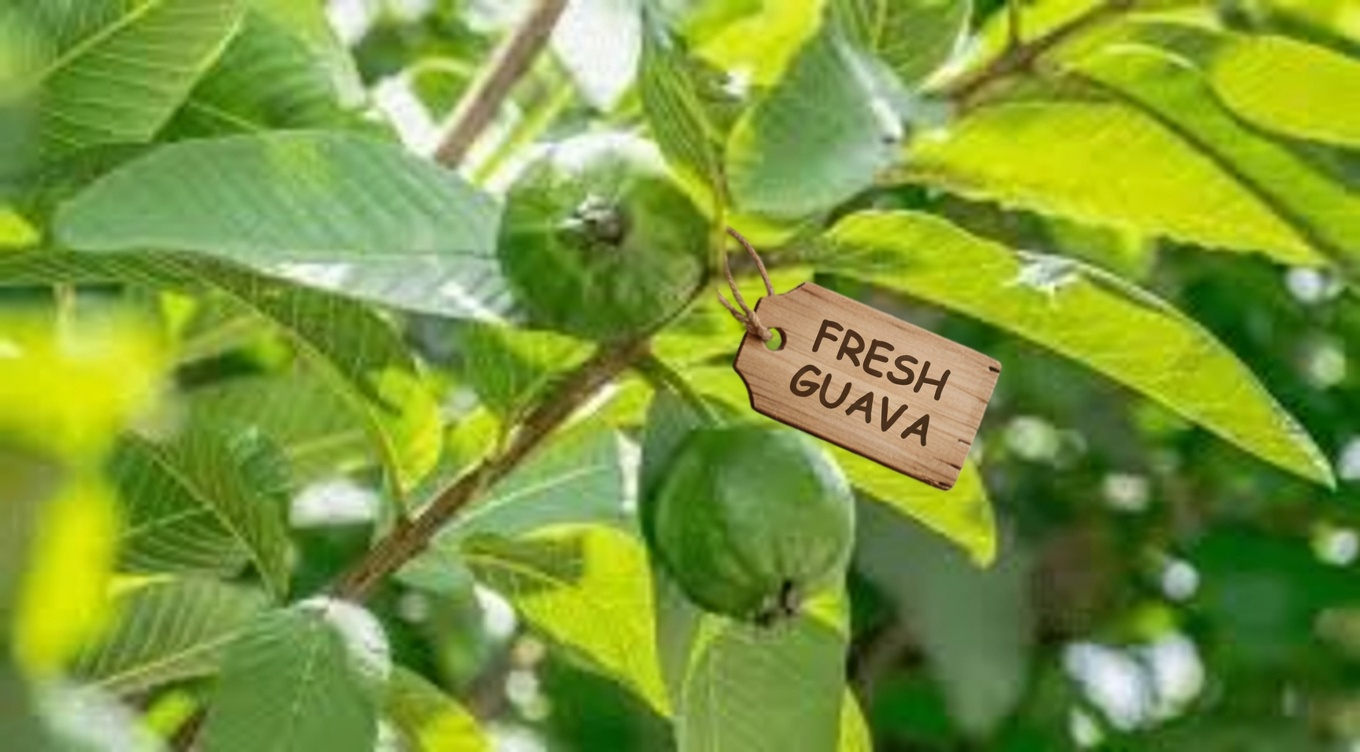
Leaves from the Psidium guajava plant have been used in traditional remedies in many cultures to help maintain mouth freshness and oral comfort. More recently, modern research, including studies discussed in sources such as the Journal of International Oral Health and articles indexed on PMC, has explored their potential role in dental care.
One reason guava leaves stand out is their content of compounds such as quercetin and guaijaverin. Laboratory research suggests these substances may have antibacterial activity, especially against Streptococcus mutans, one of the main bacteria involved in plaque formation and tooth decay.
Studies have shown that guava leaf extracts may reduce bacterial growth and make it harder for harmful microbes to stick to tooth surfaces in vitro. While this is not a replacement for professional cleanings or proper treatment, it may offer an extra layer of support as part of a healthy oral care routine.
1. Guava Leaf Mouth Rinse for Everyday Freshness
A homemade mouth rinse is one of the easiest and most common ways to use guava leaves. This method is rooted in traditional use and also aligns with research into herbal rinses for oral hygiene support.
How to make it
- Take 6 to 8 fresh young guava leaves.
- Rinse them thoroughly under clean running water.
- Boil the leaves in 1 to 2 cups of water for about 5 to 10 minutes.
- Once the water turns lightly colored, remove it from heat.
- Strain the liquid and allow it to cool to room temperature.
- If you like, add a very small pinch of salt for a soothing effect.
- Swish about 1/4 to 1/2 cup in your mouth for 30 to 60 seconds.
- Use it 1 to 2 times a day, ideally after brushing.
- Spit it out after rinsing, and avoid swallowing large amounts.
Using this rinse regularly may help improve breath freshness and support a cleaner oral environment. Some clinical studies on guava-based rinses used alongside routine dental care have reported lower plaque-related indicators and good user acceptance. Unlike certain chemical rinses, these herbal options may also avoid common complaints such as altered taste.
Helpful tip
- You can prepare the rinse in the morning and keep it refrigerated for up to 24 hours for best freshness.
2. Chewing Fresh Guava Leaves for Quick Natural Freshening
If you want an even more convenient method, chewing fresh guava leaves is a simple option. This allows the natural juices and active compounds to come into direct contact with your teeth and gums.
How to use this method
- Choose 2 to 4 fresh, clean, young guava leaves.
- Wash them carefully.
- Chew them slowly for 2 to 5 minutes.
- Let the juices spread around your mouth while chewing.
- Spit out the leaf residue when finished.
- Rinse your mouth with water if needed.
- Repeat once or twice daily, such as in the evening.
This practice has long been valued in traditional oral care for helping freshen breath and gently cleanse the mouth. The chewing action itself may help remove some debris, while the plant compounds may contribute to reducing bacterial presence on the teeth and gums.
Many people describe the result as a clean-mouth feeling, although it should not be considered a substitute for brushing. Research also suggests that guava flavonoids may interfere with the way oral bacteria attach to surfaces, which is an important part of maintaining better oral balance.
3. Guava Leaf Paste for More Targeted Oral Support
For people who want to focus on a specific area of the mouth, a guava leaf paste may be useful. This method allows more direct contact with the gums or teeth.
How to prepare and apply it
- Gather 5 to 6 fresh guava leaves.
- Crush them into a smooth paste using a mortar and pestle.
- If needed, add only a tiny amount of water.
- You may mix in a small pinch of salt if desired.
- Apply a little of the paste to the target area using a clean finger or cotton swab.
- Leave it in place for 5 to 10 minutes.
- Rinse your mouth thoroughly afterward.
- Use only in small amounts, 1 to 2 times daily as needed.
This technique comes from traditional practices used to calm mild oral discomfort. Research on guava leaf extracts has also pointed to possible anti-inflammatory properties, which may help support gum comfort as part of a broader oral care approach.
Which Method Should You Choose?
Each of these guava leaf methods offers different advantages:
-
Mouth rinse
- Best for reaching the whole mouth
- Easy to prepare in larger batches
- Useful for daily hygiene support
-
Chewing fresh leaves
- Fast and convenient
- Requires little to no preparation
- Good for quick breath freshening
-
Leaf paste
- More focused application
- Helpful when targeting a specific area
- Suitable for short-term localized support
All three methods are budget-friendly and especially practical in areas where guava trees are easy to access.
Tips to Get the Best Results
To use guava leaves safely and effectively, keep these points in mind:
- Always select fresh leaves that are clean and free from pesticides.
- Continue standard dental care, including brushing twice a day with fluoride toothpaste.
- Floss regularly to remove plaque from between teeth.
- Visit your dentist for routine check-ups and professional cleanings.
- Drink enough water and reduce sugary snacks to help protect your teeth naturally.
- Pay attention to how your mouth feels and stop use if irritation develops.
Research suggests that guava leaves may offer supportive antimicrobial benefits, but they work best when combined with proven oral hygiene habits and professional care.
Final Thoughts
Adding guava leaves to your oral care routine can be a simple and natural way to support fresher breath, cleaner teeth, and better overall mouth comfort. Whether you choose a rinse, chew fresh leaves, or apply a paste, each method offers a gentle option inspired by traditional use and supported by emerging scientific interest.
The most important factor is consistency. When these natural practices are paired with brushing, flossing, and regular dental visits, they may help strengthen your overall oral wellness routine. Sometimes the simplest plant-based habits can make a noticeable difference in how confident you feel about your smile.
Frequently Asked Questions
How often can guava leaves be used for oral care?
Most people can use them 1 to 2 times per day without difficulty. It is best to begin gradually and see how your mouth responds.
Do guava leaves cause side effects?
They are generally considered well tolerated, but occasional irritation is possible. If you have allergies, sensitivities, or any concerns, speak with a healthcare professional before using them.
Can guava leaves replace dentist appointments?
No. Guava leaves should only be used as a complementary addition to your routine. Professional dental check-ups and cleanings are still essential for prevention and early treatment.