
Cloves: Benefits, Risks, and What Happens When You Use Too Much
Cloves are a well-loved spice prized for their rich aroma and warming taste. They are commonly used in cooking, herbal teas, and traditional wellness practices. Many people include cloves in their daily habits for possible benefits such as digestive support or fresher breath. However, cloves are also highly active by nature. Their key compound, eugenol, is powerful enough to cause unwanted effects when consumed in large amounts.
In normal food quantities, cloves are generally viewed as safe. Problems are more likely to appear when intake becomes excessive or when concentrated products such as clove oil are used. According to trusted health resources and scientific reviews, there are several important concerns to know before using cloves too often or too heavily.
This guide covers the lesser-known side effects of too much clove consumption, based on information from sources such as WebMD, Healthline, and published research. At the end, you will also find practical safety tips and answers to common questions.
Why Cloves Are So Powerful
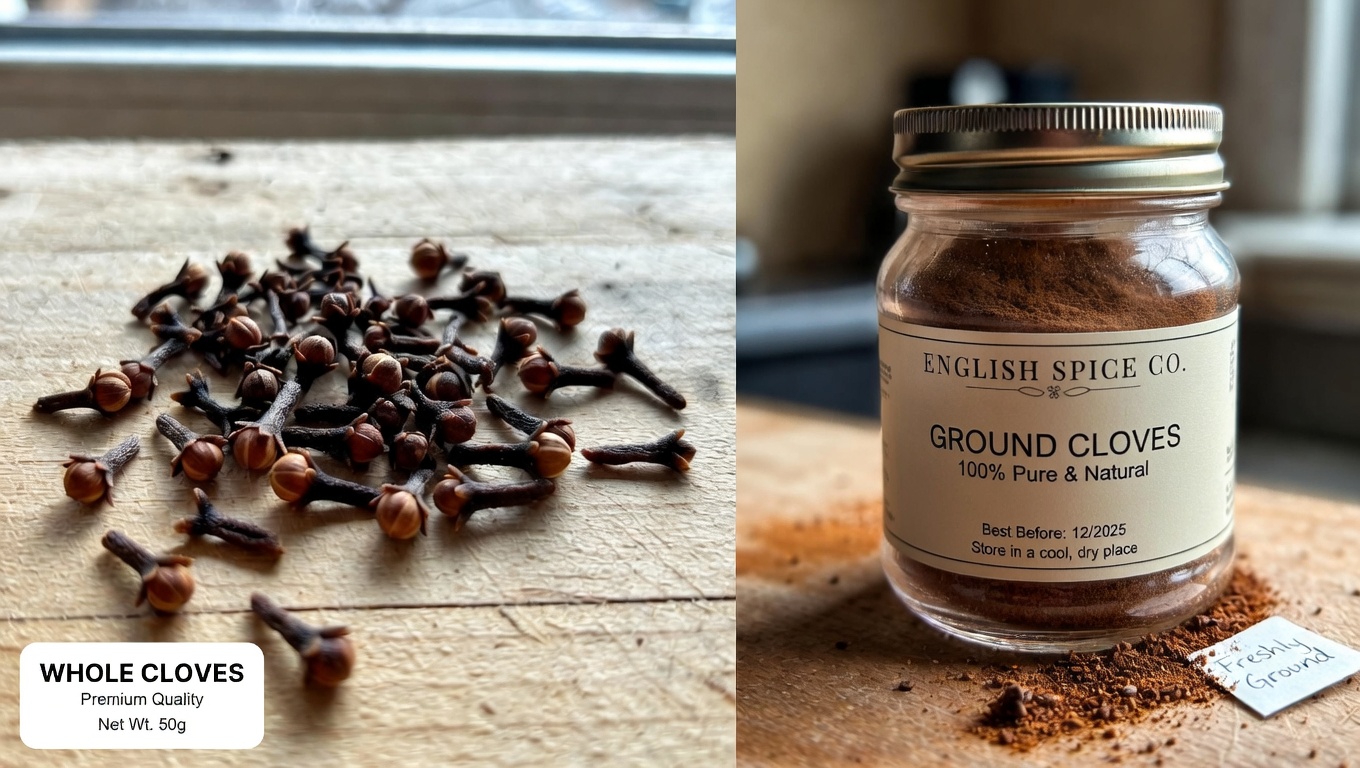
Cloves are the dried flower buds of the Syzygium aromaticum tree. Their strength comes mainly from eugenol, the compound responsible for many of their antioxidant and anti-inflammatory effects. That is one reason cloves are frequently used in home remedies and natural health routines.

At the same time, eugenol is also the main reason cloves may cause problems when overused. A small amount in meals is usually not an issue. But larger intakes, such as eating many whole cloves, drinking strong clove tea every day, or using clove oil, can change the picture.
Research suggests that high doses of eugenol may irritate body tissues, interfere with blood clotting, and place stress on certain organs. That is why moderation is so important.
1. Digestive Problems from Too Many Cloves
One of the most frequently reported side effects of overusing cloves is stomach discomfort. Taking too much may lead to:
- Nausea
- Vomiting
- Diarrhea
- Abdominal pain
This happens because higher concentrations of eugenol can irritate the lining of the digestive tract. Even something as simple as chewing several cloves at once or drinking overly strong clove tea may trigger these symptoms.
Studies indicate that small amounts are usually tolerated well, but larger quantities are more likely to cause digestive upset, especially in people with sensitive stomachs.
If you already deal with acid reflux, gastritis, or irritable bowel symptoms, the irritation may feel even worse.
2. High Doses May Put Stress on the Liver
The liver has to process many of the substances we consume, and too much eugenol can increase that burden. Medical reports have linked large amounts of eugenol, especially from clove oil, with possible liver damage.
In overdose cases, which are often connected to accidental ingestion of clove oil, symptoms have included:
- Fatigue
- Yellowing of the skin or eyes
- Pain in the upper abdomen
Animal research has also shown changes in liver tissue after very high exposure to eugenol.

Using whole cloves or ground cloves in regular cooking rarely reaches this level. Still, repeated heavy use, supplements, or concentrated extracts may build up risk over time.
Health experts generally agree that cloves used in food are usually safe, while concentrated forms should be handled much more carefully.
3. Cloves May Thin the Blood
Eugenol may slow blood clotting. While that may not sound serious at first, it can be a concern for people who already have bleeding risks or who take anticoagulant medications such as warfarin.
Too much clove intake may increase the chance of:
- Easy bruising
- Longer bleeding after cuts
- Greater surgical bleeding risk
Reliable health sources recommend speaking with a doctor if you take blood-thinning medication, since cloves may strengthen those effects.
4. Possible Blood Sugar Interactions
Some studies suggest that eugenol may affect blood sugar control. For people who already use diabetes medications, this could potentially push blood sugar too low.
Signs of low blood sugar may include:
- Dizziness
- Shakiness
- Confusion
- Weakness
Although more research is still needed, especially regarding whole cloves, caution is wise for anyone using insulin or other glucose-lowering medicines.
5. Allergies and Irritation of the Skin or Mouth
Clove allergy is uncommon, but it can happen. Some people may experience:
- Itching
- Skin rash
- Swelling
- Breathing difficulty
Clove oil applied to the skin or gums may also cause a burning feeling, redness, or dermatitis. In the mouth, overuse may irritate the gums and other oral tissues.
If you plan to use clove products on the skin, patch testing first is a smart step.
6. Extra Risks for Children and Sensitive Groups
Children are more vulnerable to concentrated clove products. Even relatively small amounts of clove oil have been linked in reports to serious reactions, including seizures and organ-related complications.
Pregnant or breastfeeding individuals should also be cautious, as safety data remains limited. Anyone in these groups should check with a healthcare provider before using cloves regularly in medicinal amounts.
People with liver or kidney conditions, as well as those preparing for surgery, should also be especially careful.
7. Other Lesser-Known Drawbacks
There are a few additional concerns that are mentioned less often but still matter:
- Clove cigarettes may irritate the respiratory system, according to older studies
- Cloves may interact with medications beyond blood thinners
- Depending too much on cloves as a home remedy may delay proper diagnosis or treatment of an underlying health problem
Who Should Be Especially Careful With Cloves?
Some people may need to limit or monitor their clove use more closely, including:
- People taking blood-thinning medications
- Individuals using diabetes drugs to control blood sugar
- Those with liver or kidney concerns
- Children
- Pregnant or breastfeeding individuals
- Anyone allergic to cloves or related plants
How to Use Cloves Safely
You do not necessarily need to avoid cloves altogether. Most people can enjoy them without problems when they are used wisely. These practical tips can help reduce the risk:
- Stay within normal cooking amounts: Around 1 to 3 whole cloves or about 1/4 to 1/2 teaspoon of ground cloves per recipe or cup of tea is generally a moderate range
- Avoid excessive daily use: Do not make a habit of eating large amounts or drinking extremely strong clove infusions
- Never swallow pure clove oil: If using it topically, always dilute it with a carrier oil
- Pay attention to your body: Start with a small amount and stop if you notice stomach discomfort, mouth irritation, or other unusual symptoms
- Ask a healthcare professional if needed: This is especially important if you have a medical condition or take prescription medications
- Choose trustworthy products: Food-grade cloves are a safer choice than low-quality or unverified supplements
These simple habits allow you to enjoy the flavor and potential benefits of cloves while keeping possible side effects to a minimum.
Conclusion
Cloves can bring depth, fragrance, and traditional value to food and drinks. But like many strong natural ingredients, they are best used in balance. Too much, especially in concentrated forms, may lead to digestive discomfort, liver stress, bleeding concerns, and other health issues.
For most people, using cloves in everyday cooking or the occasional tea is unlikely to cause problems. The key is moderation, awareness, and professional guidance when necessary.
FAQ
Is it safe to drink clove tea every day?
For many people, moderate use is usually well tolerated. About 1 to 2 cups a day made with 1 to 2 cloves each is often considered reasonable. If you notice stomach irritation or any unusual symptoms, reduce your intake and speak with a doctor.
Can cloves interact with medications?
Yes. Cloves may interact with blood thinners, diabetes medications, and other drugs that influence clotting or blood sugar. If you take medication regularly, it is best to discuss clove use with your healthcare provider.
Are whole cloves safer than clove oil?
In general, yes. Whole or ground cloves used in food contain lower concentrations of eugenol than clove oil. Because of that, they carry a lower risk of serious side effects when used in normal culinary amounts.