
Onions and Men’s Urinary Health: Can This Everyday Food Support the Prostate and Bladder?
Many men over the age of 50 deal with urinary discomfort that gradually affects daily life. Common complaints include needing to urinate often, sudden urgency, waking multiple times at night, or feeling that the bladder does not empty fully. These symptoms are frequently linked to age-related conditions such as benign prostatic hyperplasia (BPH), a non-cancerous enlargement of the prostate that can put pressure on the urethra and interfere with normal urine flow. Inflammation may also play a role, adding to discomfort and disruption.
As these issues become more noticeable, sleep quality, confidence, and overall well-being can decline. Medical evaluation is always important, especially when symptoms persist or worsen. At the same time, many people are increasingly interested in how everyday dietary choices may help support prostate and bladder health alongside professional care.
One food that often comes up in this conversation is the onion. This common kitchen ingredient belongs to a group of vegetables that has drawn attention in nutrition research for its possible connection to urinary and prostate wellness.

Why Onions Are Often Mentioned in Prostate Health Research
Onions are part of the Allium family, which also includes garlic, leeks, and shallots. These vegetables contain naturally occurring plant compounds, especially organosulfur substances and flavonoids such as quercetin. Together, these compounds are known for antioxidant and anti-inflammatory activity, which is why onions are frequently studied in relation to long-term health.
Several observational studies have suggested that eating more Allium vegetables may be associated with lower odds of certain prostate-related problems. In one population-based study, men who consumed more than 10 grams of Allium vegetables per day had a notably lower risk of prostate cancer than those who ate very little.
Interest extends beyond prostate cancer alone. Research has also looked at BPH specifically. A large multicenter case-control study involving European populations found that men who regularly consumed onions and garlic had lower odds of BPH compared with non-consumers. The association appeared even stronger when both foods were eaten together, and this pattern was seen across different age groups.
The Main Onion Compounds Behind the Interest
Scientists are especially interested in a few natural components found in onions that may help explain these observations.
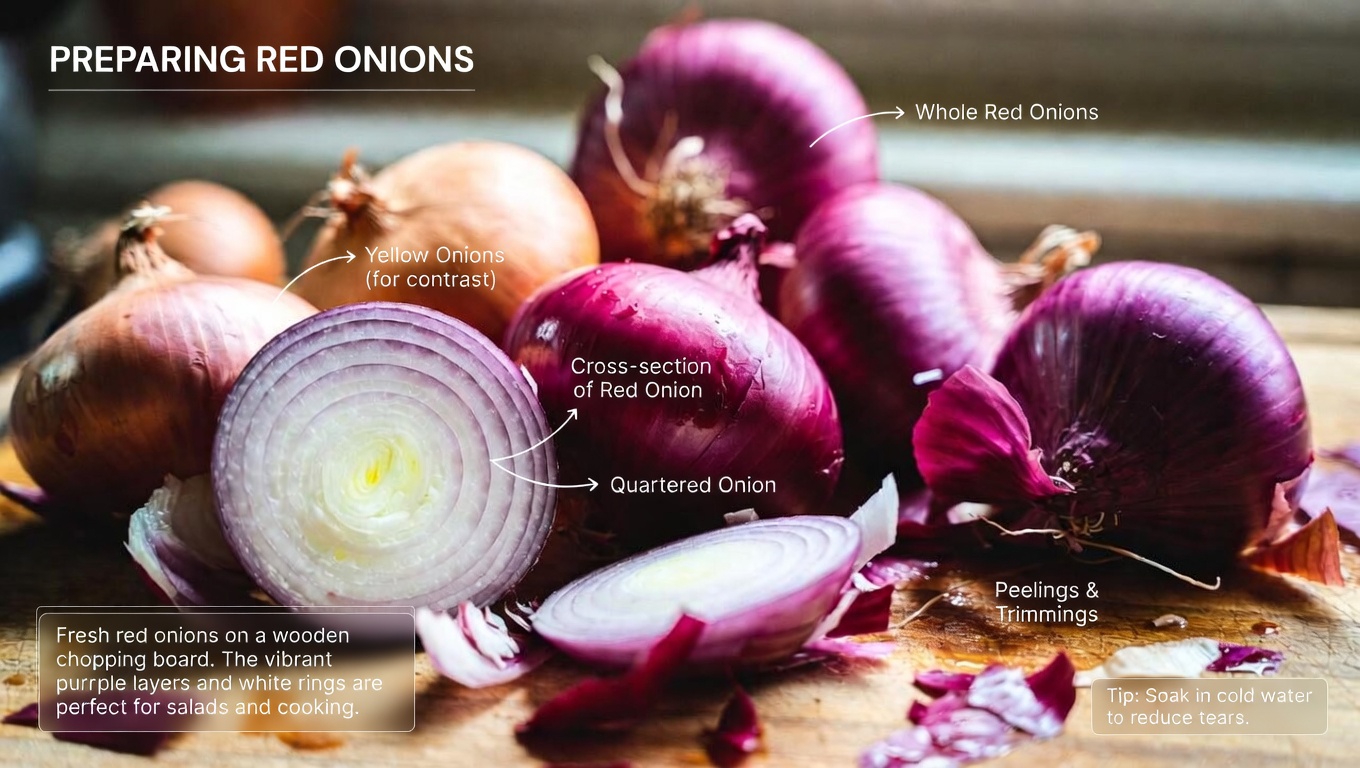
- Quercetin: This flavonoid is especially abundant in red onions. It is widely studied for its antioxidant properties and its potential role in regulating inflammation. Laboratory and animal research suggests quercetin may help support prostate cell health and influence inflammatory processes in prostate tissue.
- Organosulfur compounds: These sulfur-based compounds give onions their sharp aroma and taste. Research has linked them to protective effects such as lowering oxidative stress and supporting the body’s detoxification systems.
Animal studies offer additional insight into how onions may work. In one experiment involving rats with induced atypical prostatic hyperplasia, methanolic extracts taken from red onion scales, which are particularly rich in quercetin, helped reduce both hyperplasia and inflammatory markers. The effects appeared dose-dependent and were associated with lower levels of pro-inflammatory cytokines including IL-6, IL-8, and TNF-α.
Although strong human clinical trials are still limited, findings like these help explain why onions continue to be discussed as part of a supportive diet for men’s prostate and urinary health.
How Onions May Help Support Bladder and Urinary Comfort
The possible benefits of onions may not be limited to the prostate alone. Their anti-inflammatory potential and mild diuretic properties may also indirectly support bladder comfort and urinary function.
Some research has observed that men with lower intake of Allium vegetables tend to have higher odds of BPH. Since BPH often contributes to urinary symptoms, increasing consumption of onions and similar vegetables may fit into a broader dietary pattern associated with better urinary health.
Onions also contribute to overall antioxidant defense. This matters because oxidative stress can affect tissue health throughout the body, including the urinary system. While the effects are unlikely to be identical for everyone, regularly including onions in meals may help support a healthier inflammatory balance.
Easy Ways to Eat More Onions
Adding onions to your diet does not need to be complicated. A few simple habits can increase intake in a practical and enjoyable way.
- Begin with familiar meals: Add sliced or chopped onions to salads, soups, omelets, pasta dishes, and stir-fries.
- Use gentler cooking methods: Light cooking may help preserve more beneficial compounds compared with overly high heat or long cooking times.
- Try red onions more often: Red varieties are often richer in quercetin than yellow or white onions.
- Aim for consistency: Research often points to regular, moderate intake rather than large amounts once in a while. Even around 10 grams daily has been linked with positive associations in some studies.
- Pair onions with garlic: Using multiple Allium vegetables together may offer added benefit, as combined intake showed stronger links in BPH-related research.
- Experiment with preparation: Raw onion can work well in salads and sandwiches, while roasted or gently sautéed onion makes an easy side dish or topping.
Which Onion Varieties May Offer the Most Benefits?
Different types of onions provide different levels of potentially helpful compounds, so variety may be useful.
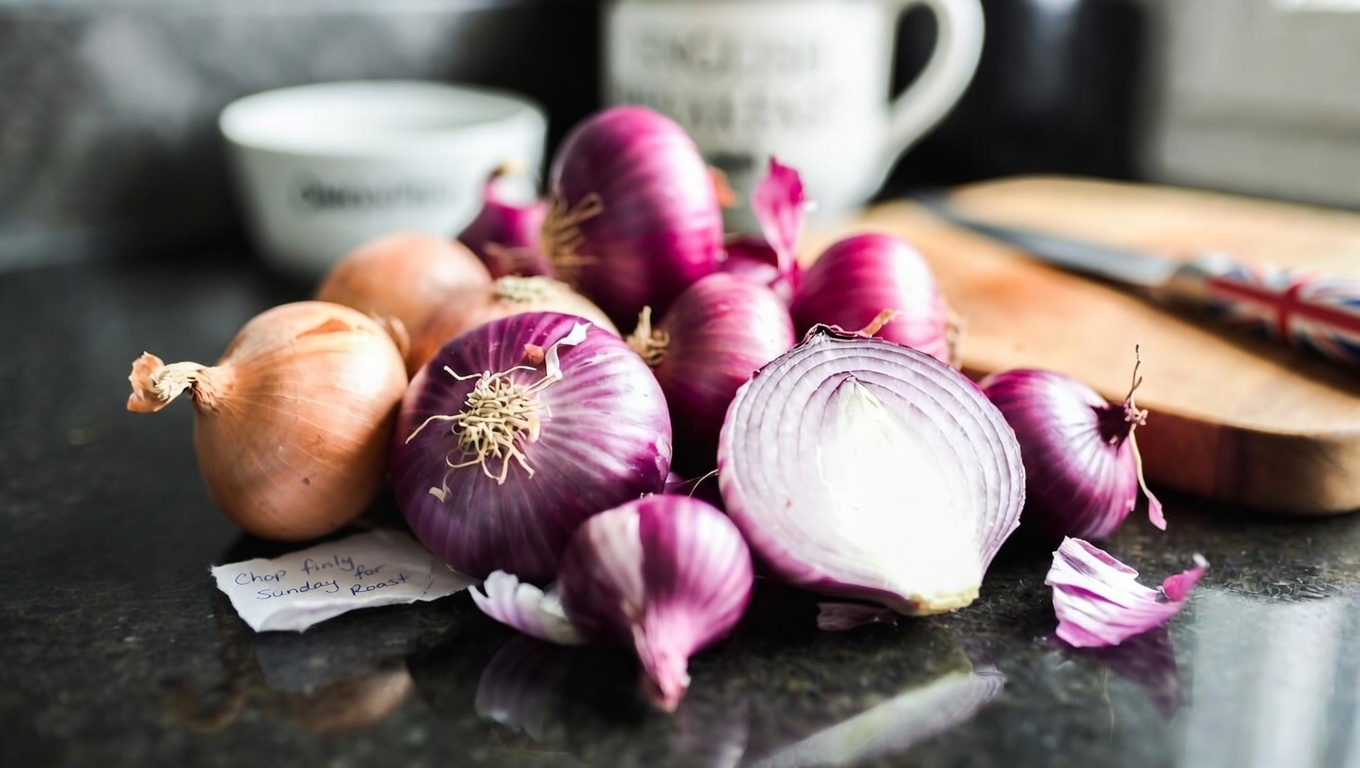
- Red onions: Often the richest source of quercetin and antioxidants, making them especially interesting in supportive dietary discussions.
- Yellow onions: A practical all-purpose option with solid sulfur compound content and wide culinary use.
- Shallots: Smaller but concentrated in flavor and bioactive compounds; some laboratory studies suggest strong antiproliferative effects.
- White onions: Milder in taste, but still a useful contributor to total Allium vegetable intake.
Including a mix of these options can broaden the range of nutrients and phytochemicals in your diet.
What Current Research Supports — and Its Limits
The available evidence is encouraging, but it is important to interpret it correctly. Most of the positive findings linking onions and other Allium vegetables with prostate health come from observational research, such as cohort and case-control studies. These studies can show associations, but they do not prove that onions directly cause the benefits.
Laboratory and animal studies add valuable clues by showing how compounds like quercetin and organosulfur substances may reduce inflammation, influence cell behavior, or support apoptosis in prostate cells. Still, more well-designed human trials are needed before firm conclusions can be made specifically about onions as a targeted strategy for bladder or prostate support.
What is more certain is that onions can be part of a healthy eating pattern rich in vegetables, and such dietary patterns are consistently linked with better overall health outcomes.
A Balanced Approach to Using Onions for Men’s Wellness
Including onions in your routine is a simple and flavorful way to increase vegetable intake while potentially supporting prostate and bladder health. Their natural compounds make them an interesting addition to a proactive lifestyle, especially when combined with regular physical activity, good hydration, and routine medical check-ups.
Even so, onions should be viewed as a supportive food rather than a treatment. Persistent urinary symptoms always deserve proper medical attention.
FAQ
1. How much onion is typically linked to possible benefits?
Some observational studies refer to moderate daily intake, often around 10 grams or more. That can be roughly equal to half of a small onion, depending on size. It is best to increase intake gradually, especially if your digestion is sensitive.
2. Can eating more onions cause side effects?
For most people, onions are safe as part of a normal diet. However, large amounts of raw onion may lead to bloating, digestive discomfort, or heartburn in some individuals. Cooked onions are often easier to tolerate.
3. Can onions replace medical care for prostate problems?
No. Onions are a food, not a substitute for diagnosis or treatment. If you have urinary symptoms, prostate concerns, or ongoing discomfort, consult a healthcare professional for individualized guidance.