Red Onions and Prostate Wellness: What Men Over 50 Should Know
Many men over 50 deal with symptoms linked to an enlarged prostate or occasional urinary issues that can disrupt comfort, confidence, and sleep. Frequent nighttime bathroom trips and daily inconvenience often become frustrating over time. Although medical treatments are available, more people are also looking at how everyday foods may help support prostate health naturally.
Among the foods gaining attention, red onions stand out. They contain plant compounds that researchers have studied for their possible role in prostate wellness. This article looks at what current science says about red onions, the flavonoid quercetin, and easy ways to add them to your diet.
Why Red Onions Are Notable for Men’s Health
Red onions are part of the Allium family, which also includes garlic and leeks. These vegetables are known for their sulfur-containing compounds and antioxidant content. Compared with yellow or white onions, red onions often provide more flavonoids, especially quercetin.
Quercetin is valued for its antioxidant activity and its potential anti-inflammatory effects. Some research suggests that diets rich in Allium vegetables may be associated with better prostate health outcomes in certain groups of men.
One population-based study reported that men who consumed more onions and garlic had lower odds of experiencing symptoms related to benign prostatic hyperplasia, or BPH. In addition, animal studies using extracts from red onion outer layers found protective effects against prostate changes, possibly due to reduced inflammation.
The outer layers and papery skins of red onions contain especially high concentrations of quercetin, which is why they are often highlighted in home preparations.
How Quercetin May Help Support Prostate Health
Quercetin has been examined in laboratory and animal studies for its effect on prostate-related cellular activity. Researchers have observed that it may help reduce inflammatory processes, which are often involved in prostate discomfort.
Studies on prostate cell lines also suggest that quercetin may influence pathways connected to cell growth and survival. Some scientific reviews describe it as having chemopreventive potential, meaning it may help support healthy cell function over time.
Observational studies in humans have also linked greater flavonoid intake, including quercetin from foods, with fewer prostate-related concerns in some populations. In several cohorts, men who consumed more quercetin-rich foods showed a lower association with certain prostate risks.
That said, most of this evidence comes from early-stage research, animal models, and observational studies. Larger and more direct human clinical trials are still needed before firm conclusions can be made.
Additional Health Benefits of Red Onions
The potential value of red onions goes beyond the prostate. Their nutritional profile may also support overall wellness in several ways:
- High in antioxidants, which help fight oxidative stress
- May support heart health, including healthy blood pressure balance
- Contribute to immune defense through vitamin C and sulfur compounds
- Support digestion with prebiotic fibers that feed beneficial gut bacteria
Eating red onions regularly can be a simple way to improve the quality and variety of your diet.
Easy Ways to Add Red Onions to Your Routine
You do not need elaborate meals to enjoy the benefits of red onions. A few practical methods can make them part of your everyday eating habits.
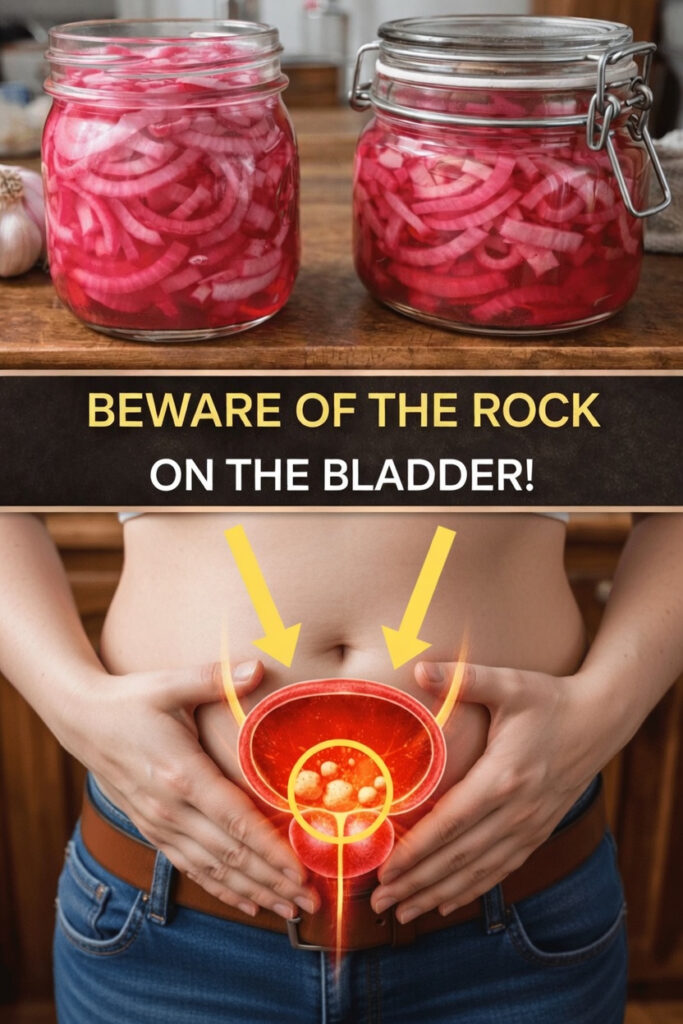
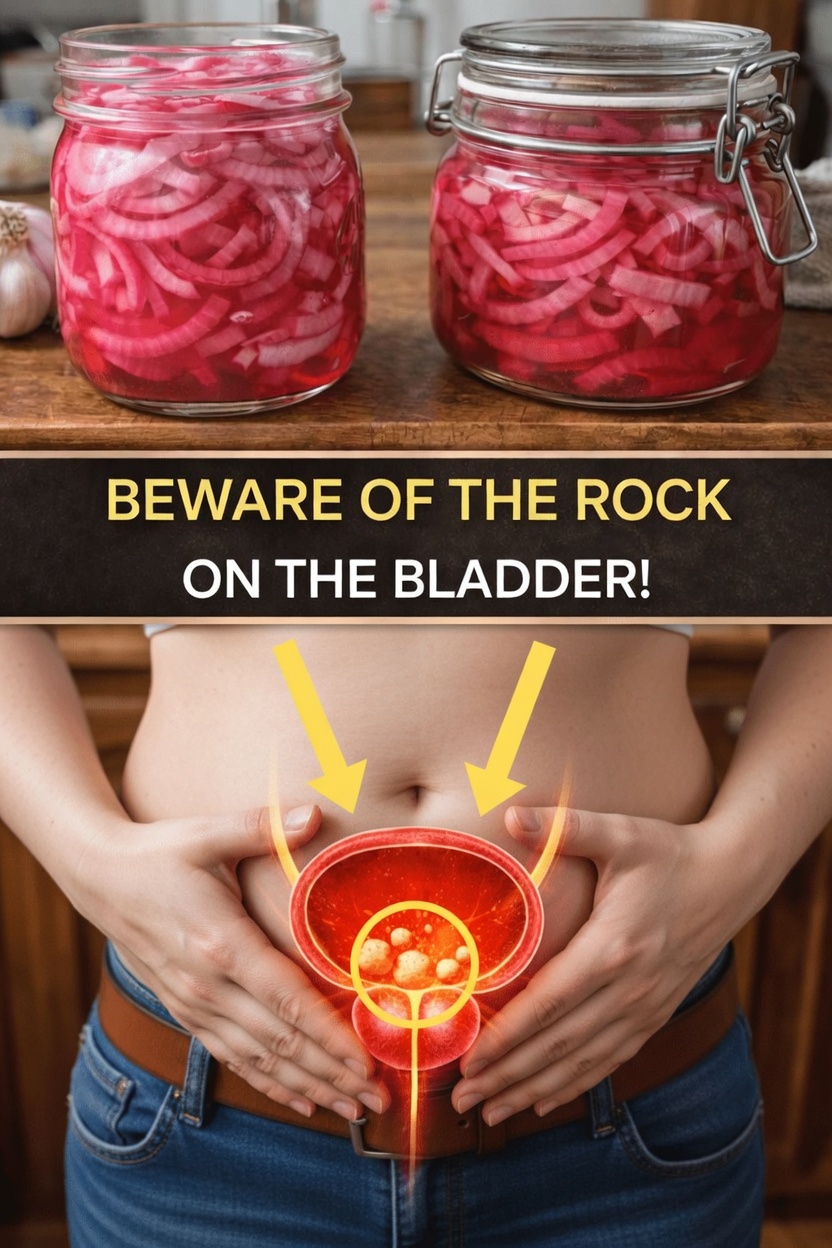
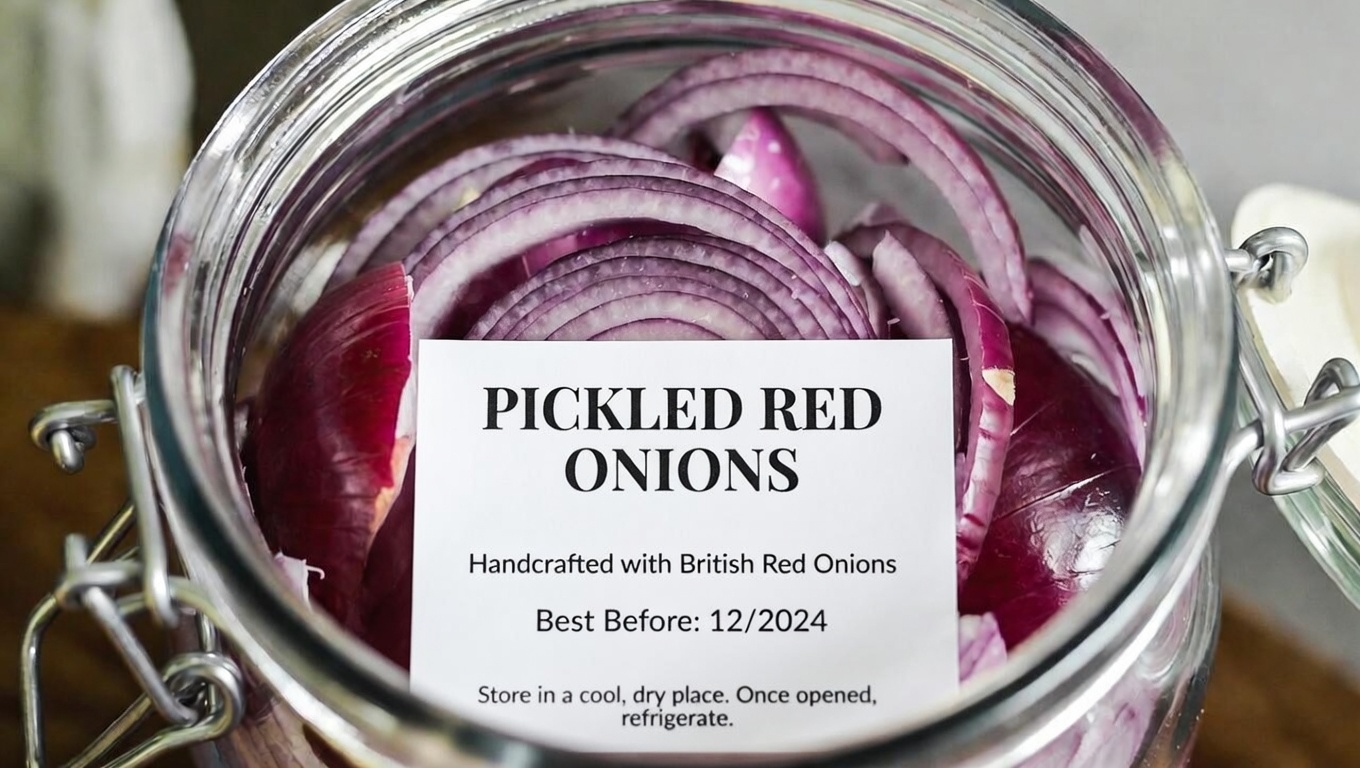
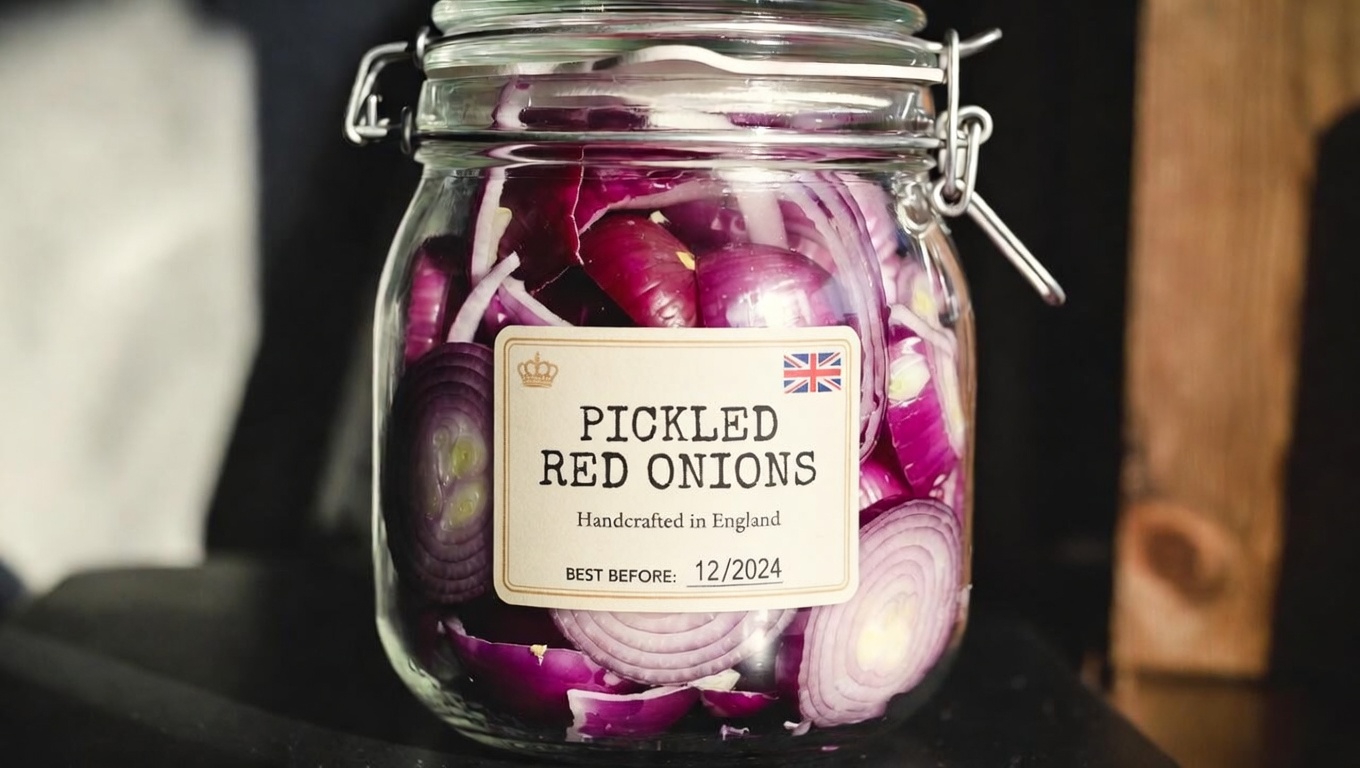
Quick Pickled Red Onions
This simple preparation keeps red onions flavorful, convenient, and easy to use in many meals.
Ingredients
- 2 medium red onions, thinly sliced
- 1 cup apple cider vinegar
- 1 cup water
- 2 tablespoons honey or sugar
- 1 teaspoon salt
- Optional: peppercorns, garlic cloves, or bay leaves
Instructions
- Thinly slice the onions and place them in a clean glass jar.
- In a small saucepan, warm the vinegar, water, sweetener, and salt until everything dissolves. Avoid a strong boil.
- Pour the hot liquid over the onions until fully covered.
- Let the jar cool, then refrigerate for at least 30 minutes. For best flavor, leave it for 24 hours.
- Add to salads, sandwiches, tacos, grain bowls, or serve as a side.
This method helps preserve both the bright color and many of the useful plant compounds.
Using Onion Skins for a Quercetin Boost
The dry outer skins of red onions are especially rich in quercetin. While they are not typically eaten, they can be used to make a mild infusion.
Basic Red Onion Skin Infusion
- Gather clean, dry skins from 4 to 5 red onions
- Rinse lightly to remove any dirt
- Add them to a pot with 4 cups of water
- Simmer gently for 10 to 15 minutes
- Strain and let cool
- Drink about 1 cup daily or use the liquid as a base for soups
Start with a small amount first, especially if you are sensitive to strong flavors or certain foods.
Fresh, Pickled, or Infused: Which Option Is Best?
Each form of red onion offers its own advantages.
| Preparation | Quercetin Retention | Ease of Use | Best For | Flavor |
|---|---|---|---|---|
| Fresh raw | High | Very easy | Salads, wraps, sandwiches | Sharp and pungent |
| Quick pickled | Good | Easy | Toppings, side dishes, bowls | Tangy and slightly sweet |
| Skin infusion | Concentrated | Moderate | Daily drink, broth, soup base | Mild and earthy |
Pickled red onions are often a practical middle ground because they are convenient, flavorful, and still retain much of their nutritional value.
Tips to Get the Most Benefit
To make red onions a more effective part of your diet, keep these points in mind:
- Choose organic red onions when possible
- Use the deeply colored outer layers, which are richer in flavonoids
- Pair them with other supportive foods such as:
- Tomatoes, which provide lycopene
- Cruciferous vegetables, like broccoli or cabbage
- Focus on an overall healthy lifestyle with:
- Regular movement
- A balanced diet
- Good sleep habits
The key is consistency. Small amounts eaten regularly are likely more realistic and useful than occasional large servings.
What the Research Actually Shows
The science around red onions and prostate wellness is encouraging, but it is important to stay realistic. Much of the current evidence comes from:
- Laboratory studies
- Animal research
- Observational studies in human populations
These studies can point to meaningful patterns, but they do not prove that red onions alone can prevent or treat prostate conditions.
Epidemiological research shows an inverse relationship between higher Allium vegetable intake and some prostate-related issues, but cause and effect have not been fully confirmed. Likewise, preclinical studies on quercetin show anti-inflammatory and cell-supportive properties, yet clinical research in humans remains limited.
For that reason, red onions should be viewed as one part of a broader health strategy rather than a standalone solution.
Frequently Asked Questions
Can red onions replace medical treatment for prostate problems?
No. Red onions may support general health, but they should not be used as a substitute for medical care. If you have urinary symptoms or a diagnosed prostate condition, speak with a healthcare professional.
How much red onion should I eat?
A reasonable target is about half to one medium red onion several times per week, or smaller amounts included regularly in meals. If you are not used to eating onions often, increase your intake gradually.
Are pickled red onions still beneficial?
Yes. Pickling keeps much of the quercetin intact while making red onions easier to store and use. In some cases, the vinegar may even help with absorption.
Is onion skin tea safe to drink every day?
Moderate use appears acceptable for most people. However, if you have digestive issues, sensitivities, or take medications, it is best to check with a healthcare provider first.
Final Note
This article is for informational purposes only and is based on currently available research. It is not medical advice.
Always consult a qualified healthcare professional before making significant dietary changes, especially if you have an existing condition, bothersome symptoms, or concerns about prostate health. Individual responses can vary, and no single food can guarantee prevention or treatment.