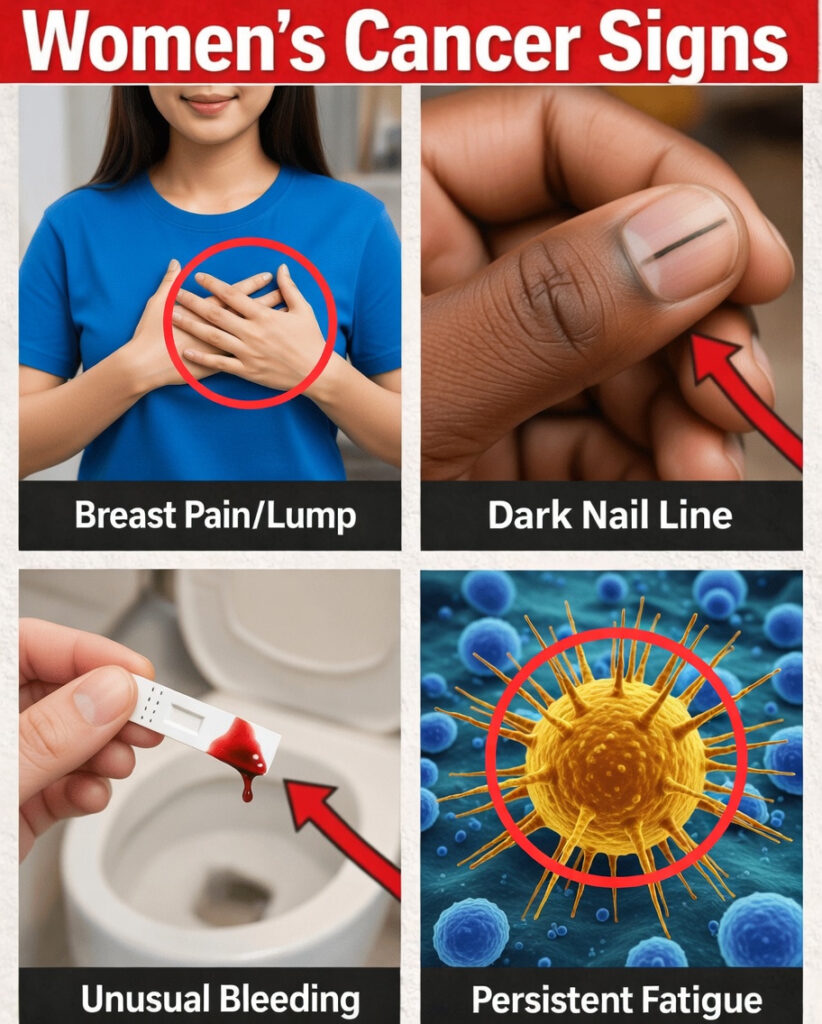
14 Possible Cancer Warning Signs Women Often Dismiss
Many women notice small body changes and assume they are simply part of stress, routine life, or getting older. Persistent fatigue, unexpected bleeding, or new breast discomfort may not seem alarming at first. However, some of these subtle symptoms can occasionally be linked to cancers that affect women.
The encouraging part is that early attention matters. When unusual symptoms are recognized sooner and discussed with a doctor, the chances of timely diagnosis and better outcomes often improve.
Some of the warning signs women overlook most often are actually easier to notice than expected. Learning what to watch for could make a meaningful difference.
Why These Symptoms Are Often Ignored
Daily life makes it easy to explain away physical changes. Feeling exhausted after a busy week, dealing with bloating, or noticing mild pain can seem normal. But when a symptom continues for several weeks, appears without a clear reason, or gradually worsens, it deserves closer attention.
Health organizations such as the American Cancer Society and Mayo Clinic emphasize that being aware of ongoing body changes supports better health decisions. These symptoms do not automatically mean cancer, but they should not be ignored if they persist.
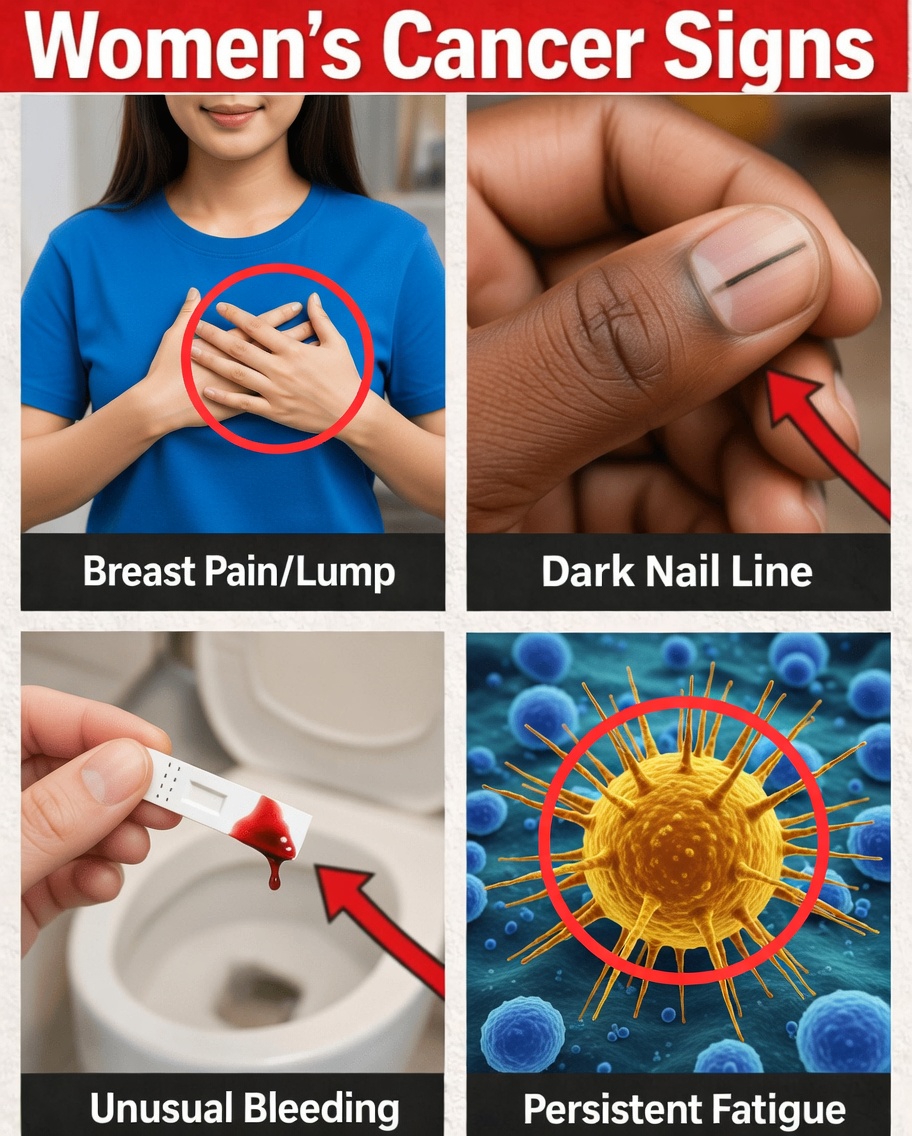
Key Warning Signs Worth Discussing With a Doctor
Below are several body changes that trusted medical sources commonly identify as important to monitor.
1. Breast Changes, Pain, or a Lump
A new lump, thickened area, or ongoing pain in the breast or underarm should be taken seriously. Other changes may include:
- Skin dimpling
- Redness
- Nipple discharge
- Changes in breast shape or texture
Regular self-checks can help you understand what is normal for your body and make unusual changes easier to spot.
2. A Dark Line Beneath a Nail
A vertical dark streak under a fingernail or toenail, especially one that is new, spreading, uneven, or changing in appearance, can rarely be a sign of subungual melanoma. Although this is uncommon, a dermatologist should evaluate it promptly.
3. Unusual Vaginal Bleeding or Discharge
Bleeding between periods, after intercourse, or after menopause should not be overlooked. Heavier periods or bleeding that lasts longer than usual may also need medical evaluation. In some cases, watery or blood-tinged discharge can appear as well.
4. Persistent Fatigue
Feeling extremely tired all the time, even after getting enough sleep, is another symptom often mentioned across different cancer types. Ongoing exhaustion can have many causes, but if rest does not help, it is worth bringing up with your healthcare provider.
More Symptoms That Deserve Attention
Some additional signs are also commonly highlighted by major health institutions.
5. Unexplained Weight Loss
Losing 10 pounds or more without trying, dieting, or changing your exercise habits can be a warning sign. While weight loss can happen for many non-serious reasons, it should still be discussed with a doctor.
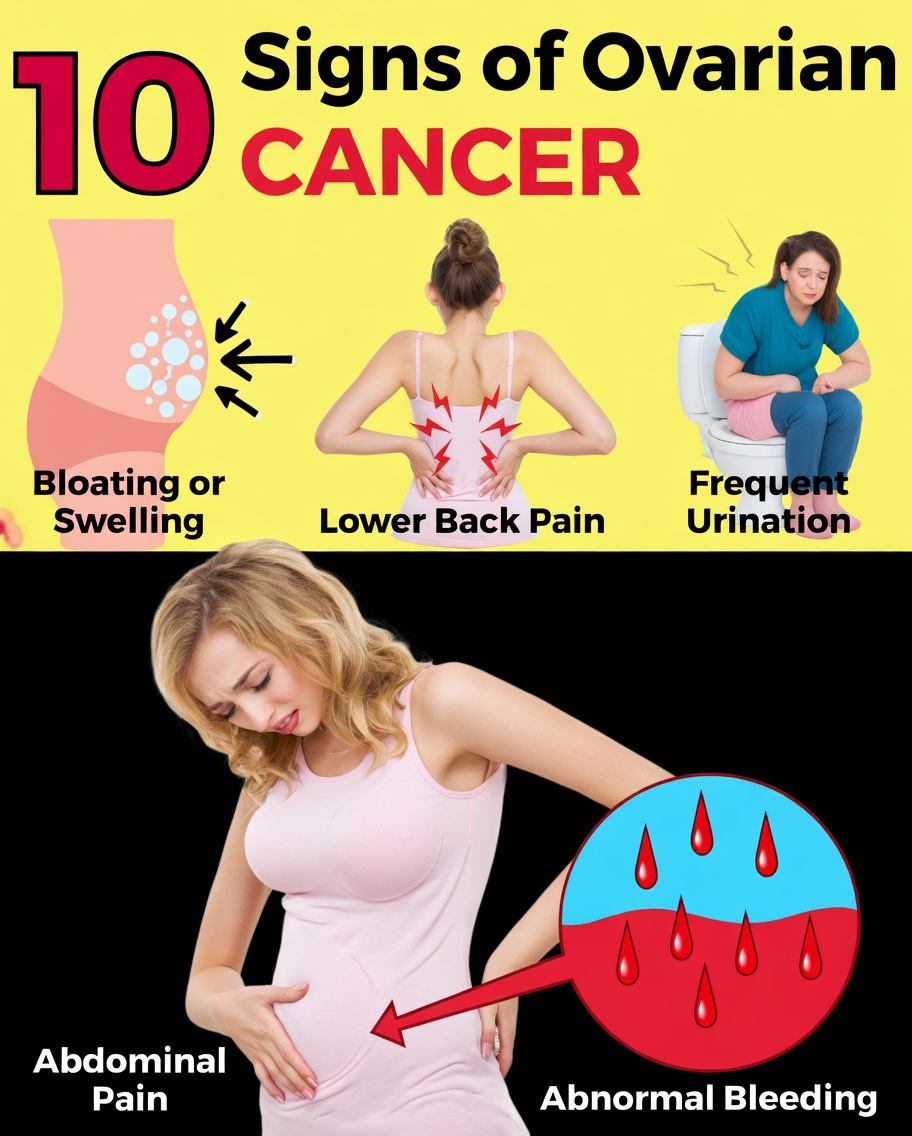
6. Ongoing Bloating or Feeling Full Quickly
Persistent bloating, especially when it happens most days or comes with a feeling of fullness after eating only a small amount, is often mentioned in discussions of ovarian cancer symptoms.
7. Pelvic or Abdominal Pain
Lasting pain, pressure, cramping, or discomfort in the lower abdomen or pelvic area can easily be mistaken for menstrual issues or digestive problems. If it continues, it should be evaluated.

8. Changes in Bowel or Bladder Habits
Pay attention to symptoms such as:
- Ongoing constipation
- Frequent diarrhea
- Needing to urinate more often than usual
- Changes that continue without an obvious reason
When these issues persist, a medical checkup is a good idea.
9. Skin Changes or Sores That Do Not Heal
A mole that changes in size, shape, or color, or a sore that stays open and does not heal, should not be ignored. Skin changes are often among the more visible warning signs.
10. Chronic Cough or Hoarseness
A cough that lasts for weeks, or a voice that becomes persistently hoarse, may sometimes be linked to a more serious condition. If it does not go away, get it checked.
11. Difficulty Swallowing
If swallowing becomes uncomfortable or it feels like food gets stuck, especially on a repeated basis, that symptom deserves medical attention.
12. Frequent Infections or Recurring Fevers
Repeated fevers or infections without a clear explanation can be another sign that something in the body needs evaluation.
13. Swollen Lymph Nodes
Lymph nodes in the neck, armpits, or groin that stay enlarged over time may be worth discussing with a healthcare professional.
14. Night Sweats
Severe night sweats that soak clothing or bedding, especially without an obvious cause such as room temperature or illness, should not be dismissed.
Practical Steps You Can Take Now
You do not need to panic over every symptom, but you can stay alert and proactive. Helpful habits include:
- Perform monthly breast self-exams to become familiar with your normal baseline.
- Keep a record of unusual bleeding or discharge, including dates and details.
- Schedule regular medical checkups and stay current with recommended screenings such as mammograms and Pap tests.
- Monitor symptoms that last longer than two weeks and tell your doctor about them.
- Support your overall health with a balanced diet, regular movement, limited alcohol, and no smoking.
These simple actions can help you respond to changes early and with more confidence.
Listen to What Your Body Is Telling You
Knowing these possible warning signs does not mean expecting the worst. It means staying informed and being involved in your own health. Many symptoms have harmless explanations, but when something unusual continues, early evaluation can lead to easier and more effective next steps.
If you notice a symptom that is new, persistent, or getting worse, talk openly with your healthcare provider.
Frequently Asked Questions
What should I do if I notice one of these signs?
Make an appointment with your doctor as soon as possible. They can assess your symptoms and decide whether testing or follow-up is needed. Early discussions are always valuable.
Do these symptoms always mean cancer?
No. In many cases, these signs are caused by more common issues such as hormones, infections, digestive problems, or stress. Still, if a symptom lasts or worsens, it should be checked.
How can I reduce my overall risk?
Focus on preventive care and healthy habits, including:
- Routine screenings
- Maintaining a healthy weight
- Regular exercise
- Avoiding tobacco
- Discussing family history with your doctor
These steps can help lower risk and support earlier detection when needed.