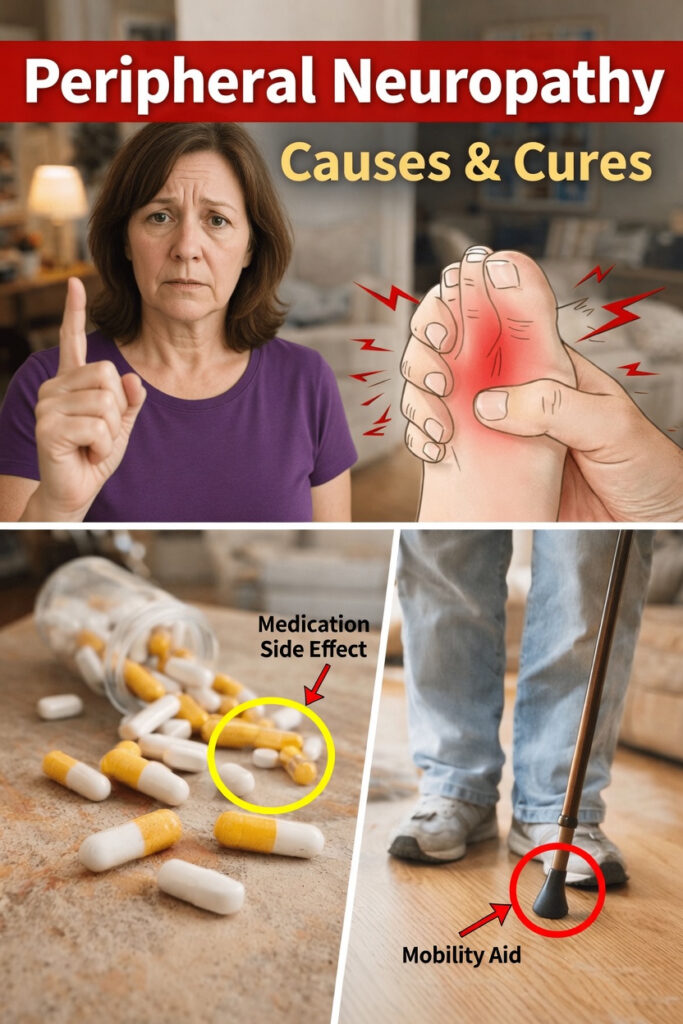
Living With Peripheral Neuropathy: Causes, Symptoms, and Daily Habits That May Help
Peripheral neuropathy can make everyday life uncomfortable in ways that are hard to ignore. Tingling, numbness, or a burning feeling in the hands and feet may come on unexpectedly and linger for hours. As a result, routine actions such as walking across a room, fastening buttons, or getting a good night’s sleep can become much more difficult.
The good news is that learning what may contribute to these symptoms, along with making a few practical lifestyle adjustments, can help you feel more in control and better supported day to day. One commonly overlooked habit, supported by recent research, may be especially useful for improving nerve comfort.
What Is Peripheral Neuropathy?
Peripheral neuropathy is a term used to describe problems involving the nerves outside the brain and spinal cord. When these nerves are affected, people may notice unusual sensations, especially in the feet, legs, hands, or arms.
According to trusted health organizations such as the Mayo Clinic, millions of people live with this condition, and the causes can vary widely. Recognizing possible triggers early can help people make informed decisions about their health and daily routines.
Common Causes of Peripheral Neuropathy
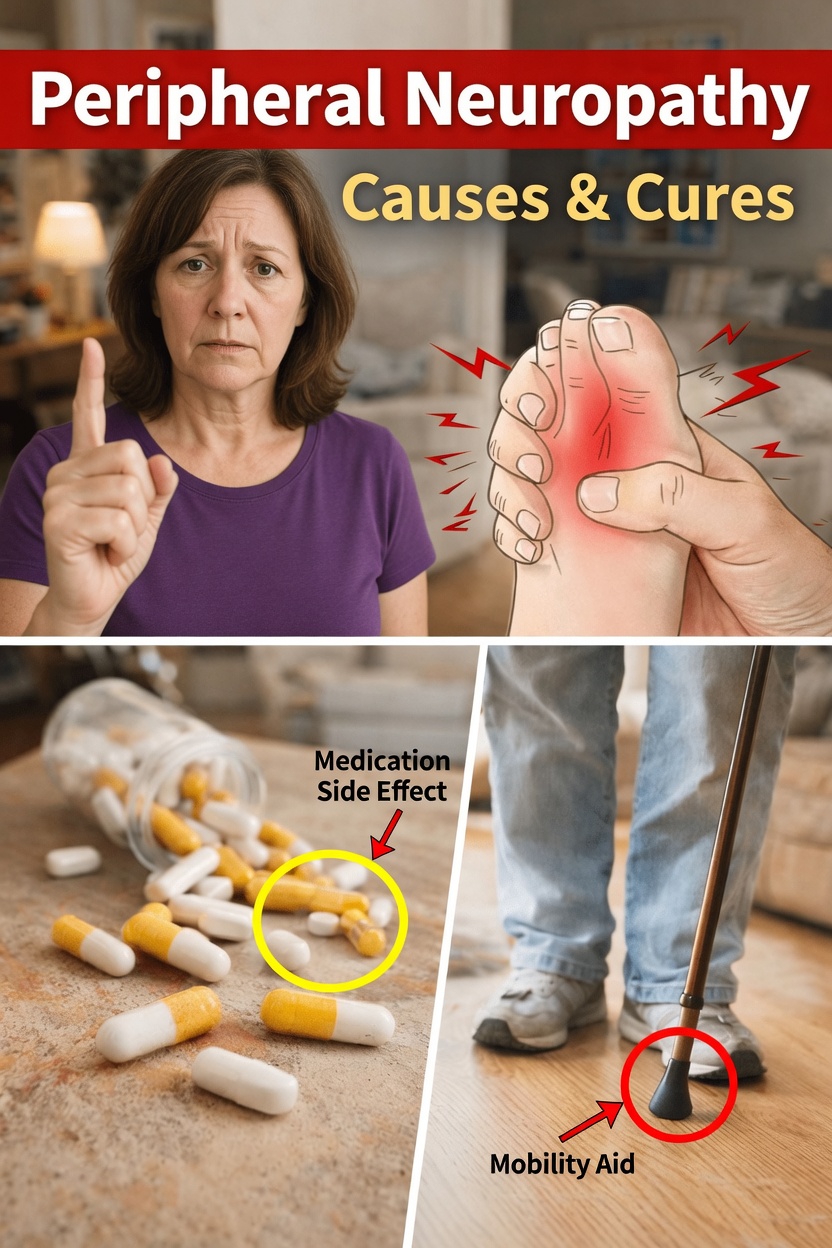
A range of medical conditions and lifestyle factors can contribute to peripheral neuropathy. Research cited by sources like the Cleveland Clinic suggests that understanding these causes may help people take more informed steps toward better nerve health.
Some of the most frequently discussed causes include:
- Diabetes and chronically high blood sugar, which may gradually damage nerves and the tiny blood vessels that support them
- Long-term alcohol use, which has been associated with toxic effects on nerve tissue
- Vitamin deficiencies, especially low levels of B12 or B1, often linked to diet or absorption problems
- Certain infections, including shingles and Lyme disease
- Exposure to toxins or side effects from some medications
In many cases, these factors do not occur in isolation. They often overlap, which can make symptoms more complex.
Why Diabetes Is So Closely Linked to Nerve Problems
Among all known causes, diabetes is one of the most common contributors to peripheral neuropathy. Research indicates that more than half of people with diabetes may experience some degree of nerve-related symptoms over time.
High blood sugar can affect the nerves gradually, often beginning in the feet and hands. That is why many people make blood sugar monitoring a regular part of their routine. Using a home glucose meter can provide useful insight and support broader health awareness.
This strong connection is also why foot exams and foot care are so often emphasized in diabetes education and nerve health resources.
Other Health and Lifestyle Factors That May Play a Role
Diabetes is only part of the picture. Many other conditions and habits may also influence nerve function. For example, excessive alcohol intake is often associated with nerve changes because of both its direct effects and its impact on nutrition.
Other possible contributors mentioned in medical literature include:
- Autoimmune conditions such as lupus or rheumatoid arthritis
- Repetitive motion or physical injuries that place pressure on nerves
- Exposure to environmental chemicals or toxins
- Kidney disease
- Genetic factors that may run in families
Because peripheral neuropathy can have more than one cause, a broader view of health is often important.
Daily Habits That May Support Nerve Health
While there is no one-size-fits-all solution, consistent daily habits may help support overall nerve wellness. Guidance from sources such as the Mayo Clinic suggests that small lifestyle choices can make a meaningful difference over time.
Here are several simple habits that may be worth adding to your routine:
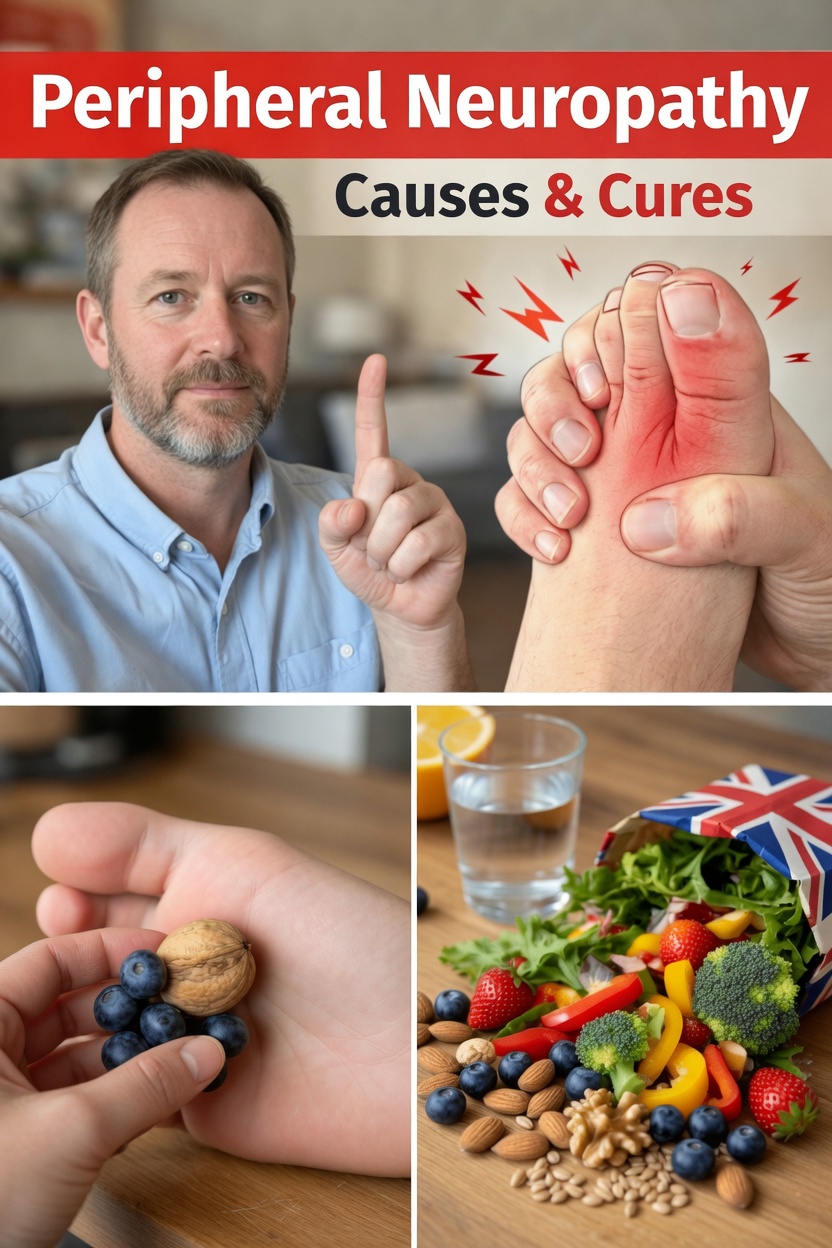
- Eat a balanced diet that includes fruits, vegetables, whole grains, and lean protein to help support steady nutrient intake
- Stay active with gentle movement, such as walking a few times a week or trying low-impact options like swimming or yoga
- Inspect your feet every day, especially if you have diabetes, and look for blisters, cuts, redness, or skin changes
- Drink enough water and maintain a regular sleep schedule to support overall recovery and well-being
- Reduce alcohol intake and avoid smoking, as both may affect circulation and nerve comfort
One habit that is often underestimated is combining regular gentle exercise with consistent foot care. Recent insights suggest this pairing may be especially beneficial because it supports circulation while also helping you catch small issues early.
Easy Steps You Can Start Today
Making changes does not have to feel overwhelming. Starting with one or two manageable actions is often more realistic than trying to overhaul everything at once.
You might begin by:
- Setting a daily reminder to check your blood sugar each morning if that applies to you
- Creating a simple evening foot-check routine, using a mirror if needed
- Adding short walks or light stretching to your weekly schedule
- Keeping a notebook to track meals, movement, symptoms, and what seems to help most
Studies suggest that people who combine healthy eating with regular movement often notice better day-to-day comfort. The goal is not perfection. It is consistency.
What Research Says About These Habits
Health experts frequently point to the value of daily routines that support circulation, muscle strength, and nutrient balance. Clinical overviews note that regular physical activity may help preserve strength and reduce some discomfort. Other research highlights the role of nutrient-rich foods in supporting overall wellness.
Rather than focusing on quick fixes, the emphasis is usually on creating sustainable habits that fit naturally into everyday life.

Frequently Asked Questions About Peripheral Neuropathy
What are the earliest symptoms people often notice?
Many people first report tingling or numbness in the toes or fingers. Over time, these sensations may spread. Burning, sensitivity to touch, or unusual discomfort are also common early signs. Because symptoms vary from person to person, it is important to speak with a healthcare provider about any new changes.
Can diet really affect daily nerve comfort?
Yes. Research suggests that balanced nutrition may play a supportive role, especially when the diet includes enough B vitamins. Wellness recommendations often include foods such as leafy greens, nuts, whole foods, and lean proteins.
Is exercise safe if my feet already feel numb or sensitive?
Gentle, low-impact movement is often recommended because it can support circulation without placing too much strain on the feet. Swimming, seated yoga, and light walking are common examples. It is best to check with your doctor before starting a new exercise routine.
Final Thoughts: Small Changes Can Add Up
Peripheral neuropathy can be influenced by many factors, from underlying health conditions to daily habits. Still, practical steps such as eating well, moving regularly, and checking your feet each day may help you move toward greater comfort and confidence.
If there is one takeaway to remember, it is this: gentle activity combined with consistent attention to nutrition and foot care is often highlighted as especially helpful because it supports several aspects of nerve health at once.
Start small, stay consistent, and give your body the steady care it deserves.