
Understanding Common Amlodipine Side Effects
Managing high blood pressure often involves medications such as amlodipine. While this treatment helps many people keep their blood pressure under control, it can also bring side effects that feel frustrating or unexpected. Even mild symptoms can affect daily comfort and make you wonder whether the treatment is worth it.
The encouraging part is that learning how these reactions happen can help you speak more confidently with your healthcare provider and make better decisions about your care.
There is also one simple but often overlooked step that can make a real difference in how you feel, and we will come back to that at the end.
Why Amlodipine Causes Side Effects
Amlodipine lowers blood pressure by relaxing and widening blood vessels, which improves blood flow. According to trusted medical sources such as the Mayo Clinic, this same action also explains many of the side effects people notice. Although amlodipine is widely used and effective, each person may respond differently depending on factors like dose, age, and overall health.
Recognizing symptoms early is important. When you notice patterns sooner rather than later, it becomes easier to manage side effects before they interfere with your routine.
One point many people do not realize is that, for most users, these effects are mild and often temporary. Data from the NHS suggests that many symptoms improve as the body adjusts. Even so, knowing what to look for can help you stay comfortable while continuing treatment.
1. Swelling in the Ankles and Feet
A common side effect of amlodipine is swelling in the lower legs, ankles, or feet, also known as peripheral edema. You may notice your shoes feeling tighter than usual or sock marks appearing more clearly by the end of the day. This occurs because widened blood vessels can allow fluid to build up in the lower part of the body.
Research suggests that this issue may affect around 10% to 15% of people taking amlodipine, especially at higher doses. In many cases, the swelling becomes less noticeable over time or improves with a few practical adjustments.

You can often ease mild swelling with these daily habits:
- Raise your legs for 15 to 20 minutes a few times each day
- Reduce salt intake to limit fluid retention
- Use compression socks if your doctor recommends them
- Take gentle walks to support circulation
If swelling becomes severe, painful, or appears in only one leg, contact your healthcare provider promptly.
2. Dizziness or Lightheadedness
Another frequently reported effect is feeling dizzy or lightheaded, particularly when standing up too fast. Because amlodipine lowers blood pressure, some people feel temporarily unsteady as their body adjusts to this change. Medical reviews show that this tends to be most noticeable during the first few weeks of treatment.
This can make routine activities feel less safe, especially driving, climbing stairs, or getting up quickly after resting. Many people describe it as a short wave of imbalance rather than constant dizziness.
These simple strategies may help:
- Stand up slowly from sitting or lying down
- Drink enough water throughout the day
- Avoid sudden heat exposure, such as very hot showers
- Keep track of when the dizziness happens so you can report it clearly
3. Headaches That Last Longer Than Expected
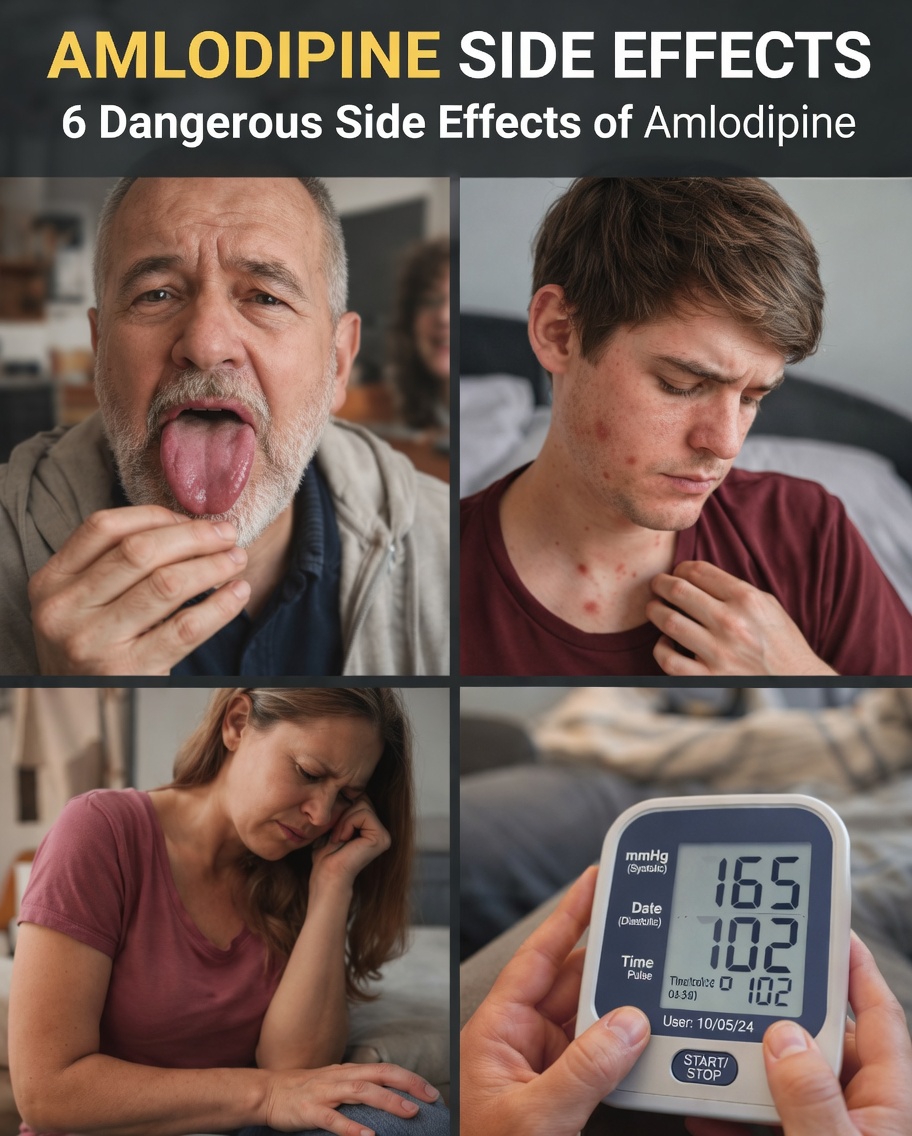
Headaches are also common when starting amlodipine or changing the dose. Rather than feeling like a severe migraine, they are often described as a dull, heavy pressure. This usually happens because the medication changes how blood flows through the body.
The NHS notes that headaches often improve within about a week for many users. Still, during that adjustment period, they can be annoying and disruptive.
A few lifestyle measures may make them easier to manage:
- Maintain a regular sleep schedule
- Reduce caffeine if it seems to trigger headaches
- Try gentle neck and shoulder stretches
- Speak with your healthcare provider before using over-the-counter pain relief
4. Flushing and Sudden Warmth
Some people taking amlodipine notice episodes of warmth or redness in the face, neck, or chest. This flushing happens because blood vessels near the skin relax and widen. Although it is usually harmless and brief, it can feel uncomfortable or embarrassing, especially in public.
Clinical reports suggest this side effect is fairly common during the early adjustment phase, but it usually does not last long-term.
You may be able to reduce flushing by making a few small changes:
- Limit spicy foods, alcohol, and very hot drinks
- Wear layers so you can cool down easily
- Stay in cooler rooms when possible
- Use slow, deep breathing if an episode makes you anxious
5. Fatigue and Low Energy
Feeling unusually tired is another side effect people often mention. Even after a full night of sleep, you may feel less energetic than normal. This can affect work, exercise, and time with family. Experts believe this happens because the body is adapting to more stable blood pressure levels.
MedlinePlus notes that fatigue often gets better once your system becomes used to the medication. Until then, it may feel as though your usual energy is harder to maintain.
Helpful ways to cope include:
- Plan short breaks during the day
- Focus on balanced, nutrient-dense meals
- Keep up light physical activity when possible
- Record your energy levels in a journal to spot patterns
6. Skin Reactions or Rashes
Some users develop skin changes such as redness, itching, or small spots that appear unexpectedly. These reactions are less common than swelling or dizziness, but they still deserve attention. In some cases, they may reflect how your body is reacting to the medication.
Trusted sources like the Cleveland Clinic advise getting any new rash checked, especially if it appears alongside swelling or other unusual symptoms.

If you notice a rash or skin irritation:
- Keep the area clean and dry
- Avoid trying new skincare or cosmetic products
- Watch for other symptoms that appear at the same time
- Contact your healthcare provider for an evaluation
The Often Overlooked Step That Can Help Most
One of the most practical ways to reduce multiple side effects is to talk openly with your doctor about dose timing or possible dose adjustments. This is the step many people miss. In some cases, fine-tuning when or how you take amlodipine can lessen swelling, fatigue, dizziness, or other symptoms without affecting blood pressure control.
Instead of silently tolerating discomfort, share what you are experiencing. Small treatment changes made under professional supervision can sometimes bring significant relief.
Final Thoughts
Knowing these six common amlodipine side effects can help you feel more prepared and less anxious about treatment. For most people, the medication’s benefits in controlling blood pressure are greater than the temporary discomforts, especially when symptoms are managed early and thoughtfully.
The best results usually come from paying attention to your body and maintaining regular communication with your healthcare team. With the right support, small lifestyle changes and timely check-ins can make taking amlodipine much easier.
FAQ
How long do amlodipine side effects usually last?
Many mild side effects, such as flushing or dizziness, improve within one to two weeks as the body adjusts. If symptoms continue or get worse, speak with your doctor for advice tailored to your situation.
Can lifestyle habits help reduce amlodipine side effects?
Yes. Staying hydrated, limiting salt, elevating your legs, and keeping up gentle movement may all improve comfort. These strategies work best when combined with guidance from your healthcare provider.
What should I do if I develop a rash or swelling after starting amlodipine?
Contact your doctor as soon as possible. Early evaluation can help rule out more serious concerns and keep your treatment plan safe and effective.
Important Disclaimer
This article is for informational purposes only and should not be considered medical advice. Always consult your healthcare provider for guidance based on your personal health needs, and speak with them before making any changes to your medication.