
Understanding High Uric Acid and Natural Support Options
High uric acid develops when the body either makes too much of it or cannot remove it effectively through the kidneys. Over time, this may encourage crystal buildup in the joints and contribute to urinary tract or kidney-related problems.
Several factors can influence uric acid levels, including diet, water intake, body weight, and certain medical conditions. Because of this, many people look for natural ways to support healthy uric acid balance in addition to following medical advice.
In recent years, there has been increasing interest in plant-based remedies that may help support kidney health and maintain normal uric acid levels.
Why Fenugreek Seeds Are Getting Attention
Fenugreek seeds, known scientifically as Trigonella foenum-graecum, are widely used as both a culinary spice and a traditional wellness ingredient. They contain fiber, antioxidants, and naturally occurring compounds such as trigonelline, which have attracted research interest.
Some animal and laboratory studies suggest fenugreek may help support kidney function and reduce crystal formation in experimental models linked to stone development.

For instance, research using rat models induced with ethylene glycol has reported lower calcium oxalate accumulation after the use of fenugreek extracts. Other studies have also observed improvements in markers such as uric acid and urea under certain conditions.
However, it is important to keep expectations realistic. These findings come mainly from preclinical research, not strong human trials. At this stage, there is not enough evidence to guarantee the same effects in people.
Fenugreek may also provide broader nutritional benefits. It has been associated with support for blood sugar balance and offers anti-inflammatory potential due to its polyphenol content.
How Fenugreek May Help Support Kidney and Uric Acid Health
Early research points to several possible ways fenugreek could be helpful:
- It may slow crystal formation and reduce crystal attachment in urinary conditions.
- Its antioxidant activity may help protect tissues from oxidative stress.
- Some studies suggest it could have a mild effect on uric acid regulation.
Traditional medicine reviews also note that fenugreek has long been used in different cultures to promote kidney wellness.
That said, these effects are still being explored. Fenugreek should be viewed as a supportive food, not a substitute for medical treatment or prescribed medication.
Simple Ways to Use Fenugreek Seeds
If you want to include fenugreek seeds in your routine, start with small amounts and pay attention to how your body responds. These practical options are easy to try:
-
Soak and eat
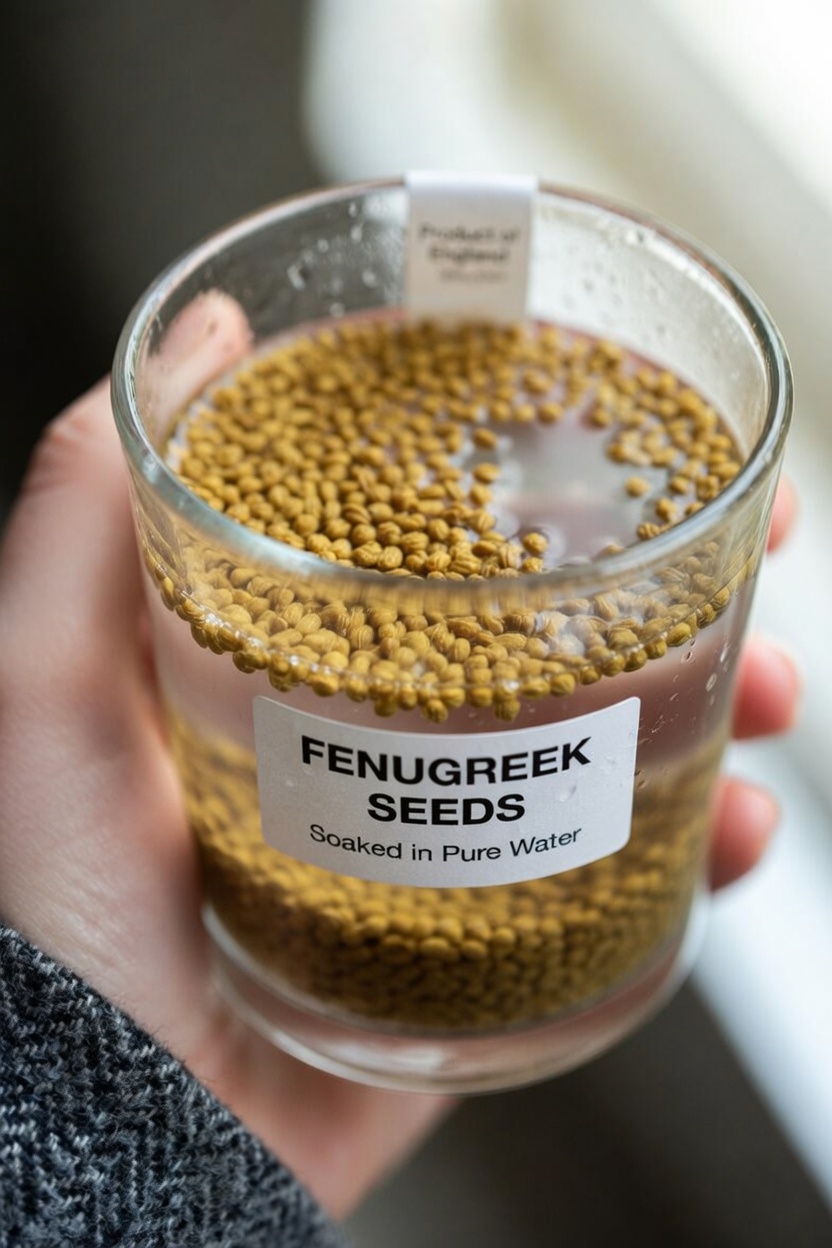
- Soak 1 teaspoon of fenugreek seeds in water overnight.
- In the morning, chew the seeds and drink the soaking water.
- Begin with a small portion to assess tolerance.
-
Add to meals
- Use ground fenugreek seeds in curries, soups, stews, or salads.
- This adds flavor while making it easier to consume regularly.
-
Make fenugreek tea
- Boil 1 teaspoon of seeds in water for 5 to 10 minutes.
- Strain and drink while warm.
- Lemon can be added for a more pleasant taste.
-
Mix into yogurt
- Stir a small amount of ground fenugreek into plain yogurt.
- This is a simple way to increase nutrient intake.
-
Pair it with a healthy lifestyle
- Fenugreek works best as part of a balanced routine that includes hydration and nutritious meals.
Always introduce fenugreek gradually. If you take medication or have an existing medical condition, speak with a healthcare professional before using it regularly.
Diet and Lifestyle Habits That Help Manage Uric Acid
Fenugreek can be one supportive option, but overall habits matter even more. The following evidence-based strategies may help maintain healthier uric acid levels:
-
Drink enough water
- Proper hydration helps the kidneys remove waste more efficiently.
-
Choose lower-purine foods
- Good choices include cherries, citrus fruits, vegetables, and low-fat dairy products.
-
Cut back on common triggers
- Limit sugary beverages, alcohol, especially beer, and high-purine foods such as organ meats.
-
Maintain a healthy weight
- Slow, steady weight loss may support better uric acid balance.
-
Eat antioxidant-rich foods
- Berries, leafy greens, and foods rich in vitamin C can support overall health.
Foods to Eat More Often vs. Foods to Limit
Here is a quick guide to helpful choices:
Foods to Enjoy More Frequently
- Cherries and berries
- Low-fat milk and yogurt
- Vegetables such as broccoli and cucumber
- Whole grains
- Plant-based proteins like beans and lentils
Foods to Limit
- Red meat and organ meats
- Sugary soft drinks and sweets
- Alcohol
- Highly processed salty foods
These dietary choices can support hydration, reduce metabolic strain, and encourage a healthier internal balance.
Possible Side Effects and Safety Considerations
Fenugreek is generally considered safe when used in normal food amounts. Still, some people may experience side effects such as:
- Mild digestive discomfort
- Bloating or stomach upset
- A maple-like body odor
Fenugreek may also interact with certain medications, especially:
- Blood-thinning drugs
- Diabetes medications
People who are pregnant should avoid high doses unless advised otherwise by a qualified healthcare provider. As with any natural remedy, it is best to begin with a low amount and monitor your response.
Final Thoughts
Adding fenugreek seeds to a balanced lifestyle may be a simple and accessible way to explore natural support for kidney health and uric acid balance. When combined with good hydration, smart food choices, and professional medical guidance, it may contribute to better overall wellness.
The most important approach is consistency, moderation, and paying attention to your body while continuing to follow expert healthcare advice.
FAQ
Can fenugreek seeds replace medication for high uric acid?
No. Fenugreek may offer supportive benefits, but it should never replace prescribed treatment. Always follow your doctor’s recommendations.
How much fenugreek should I take each day?
A common starting point is 1 teaspoon soaked in water or prepared as tea. Food-level amounts are usually considered safe, but higher doses should be discussed with a healthcare professional.
Are there other natural ways to support healthy uric acid levels?
Yes. Helpful strategies include staying well hydrated, eating cherries, following a low-purine diet, and managing weight. Foods high in vitamin C may also offer mild support.