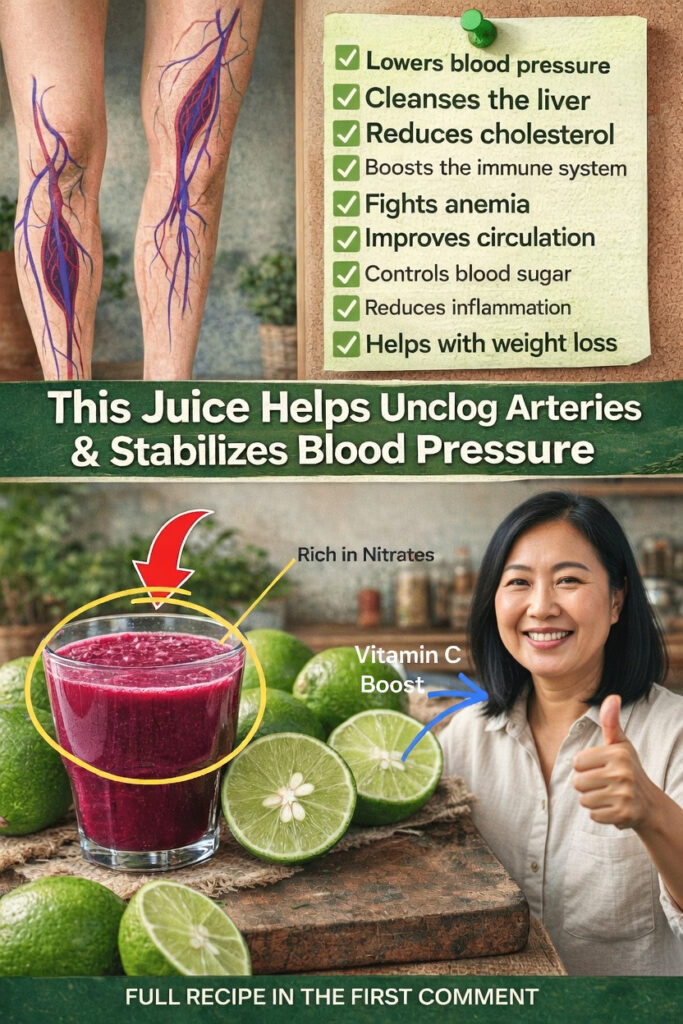
A Simple Vegetable Drink That May Support Healthy Blood Pressure
Keeping blood pressure within a healthy range is a common challenge for many people. Everyday factors such as stress, eating habits, and aging can all affect circulation, heart health, and energy levels over time. The encouraging part is that small nutrition changes may help support your overall wellness plan.
One food in particular has gained attention in research: beetroot. This bright, familiar vegetable contains natural compounds that may help support blood flow and vascular function. Below, we’ll look at why beetroot matters, what science says, and how you can add it to your routine with an easy homemade juice.
Why Beetroot Is Often Linked to Heart Health
Beetroot, or beet, is a nutrient-dense root vegetable known for its naturally high nitrate content. While nitrates are found in many plant foods, beets are considered one of the richest dietary sources.
A growing number of studies, including clinical trials and meta-analyses, have explored the relationship between beetroot juice and blood pressure support. Findings suggest that regular intake of nitrate-rich beetroot juice may help maintain healthy systolic blood pressure, including in people who already have elevated readings.
The reason appears to be tied to nitric oxide. After you consume dietary nitrates, the body can convert them into nitric oxide, a compound that helps blood vessels relax and widen. This may promote smoother circulation and better vascular function.
That said, beetroot is not a magic fix on its own. It works best as part of a broader heart-supportive lifestyle, especially one that includes plenty of vegetables, fruits, and lower-sodium foods, similar to DASH-style eating.
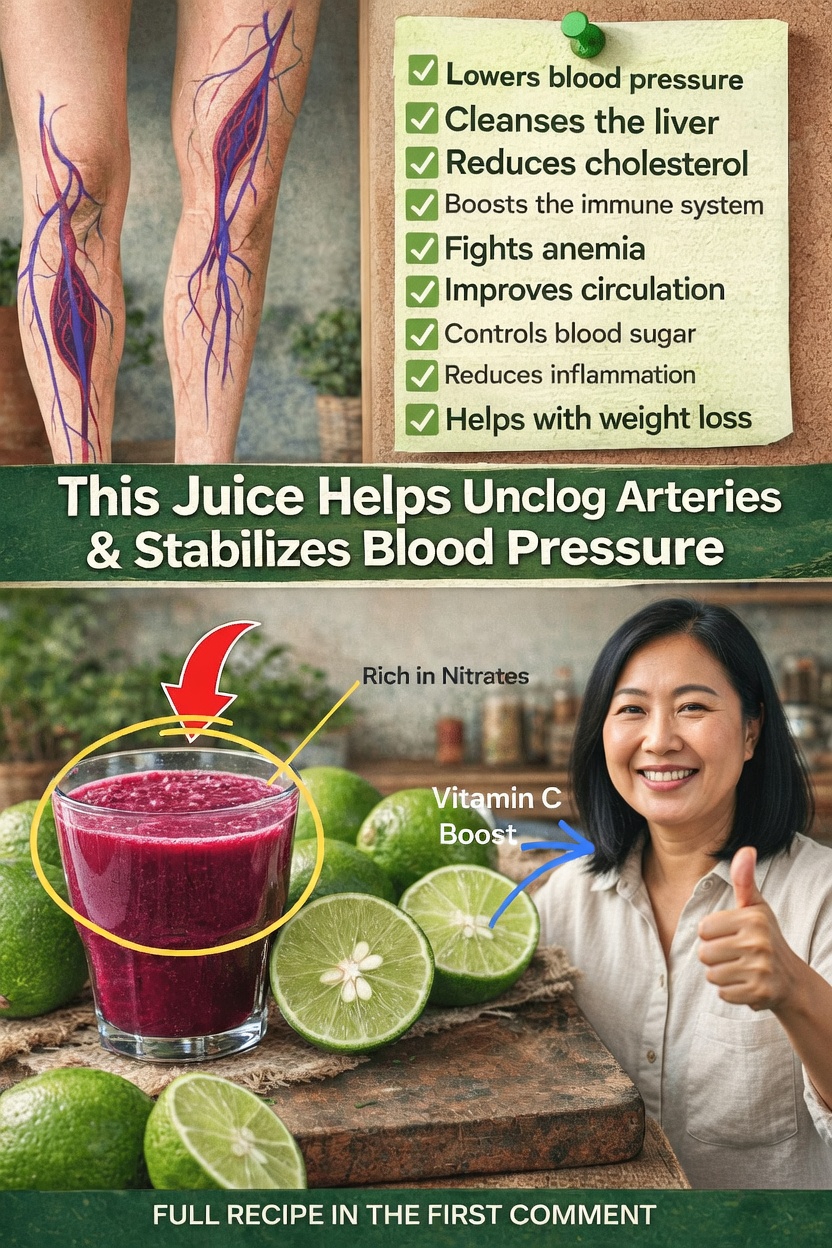
Nutrients in Beetroot That Offer Added Support
Beetroot contributes more than nitrates alone. It also contains several valuable nutrients that may benefit cardiovascular wellness and overall health.
Key components include:
- Dietary nitrates: May support nitric oxide production and healthy vessel dilation
- Potassium: Helps regulate fluid balance and counter sodium’s effects
- Antioxidants: Including betalains, which may help reduce oxidative stress
- Folate: Supports normal cell function and general health
- Fiber: Contributes to digestive health and balanced nutrition
Beetroot also pairs well with other produce in fresh juices. Carrots are a popular addition because they provide natural sweetness and beta-carotene. Lime brings a bright flavor and a boost of vitamin C, making the drink more refreshing without relying on added sugar.
Some research on carrot juice points to modest antioxidant benefits, while citrus fruits like lime can help improve overall nutrient intake. Together, these ingredients create a flavorful, nutrient-rich drink that is easy to include in daily habits.
What Studies Suggest About Beetroot Juice
Many randomized trials have looked at how beetroot juice affects blood pressure markers. Several reviews have found that drinking nitrate-rich beetroot juice daily is associated with reductions in systolic blood pressure. These benefits have been observed in both short-term studies and longer trials lasting several weeks.
Other analyses have also reported that participants who consumed beetroot juice often showed better blood pressure outcomes than those in placebo groups. Researchers believe the nitrate content plays the main role, though other plant compounds in beetroot may also contribute.
Results are not identical for everyone. The effects can depend on factors such as:
- Starting blood pressure levels
- Amount consumed
- Length of use
- Overall diet and lifestyle
In many studies, participants consumed around 200 to 500 ml of beetroot juice per day, which typically provides about 200 to 800 mg of nitrates.
Even with promising findings, experts generally agree that beetroot juice should be viewed as a supportive habit, not a replacement for medical care, regular exercise, or stress management.
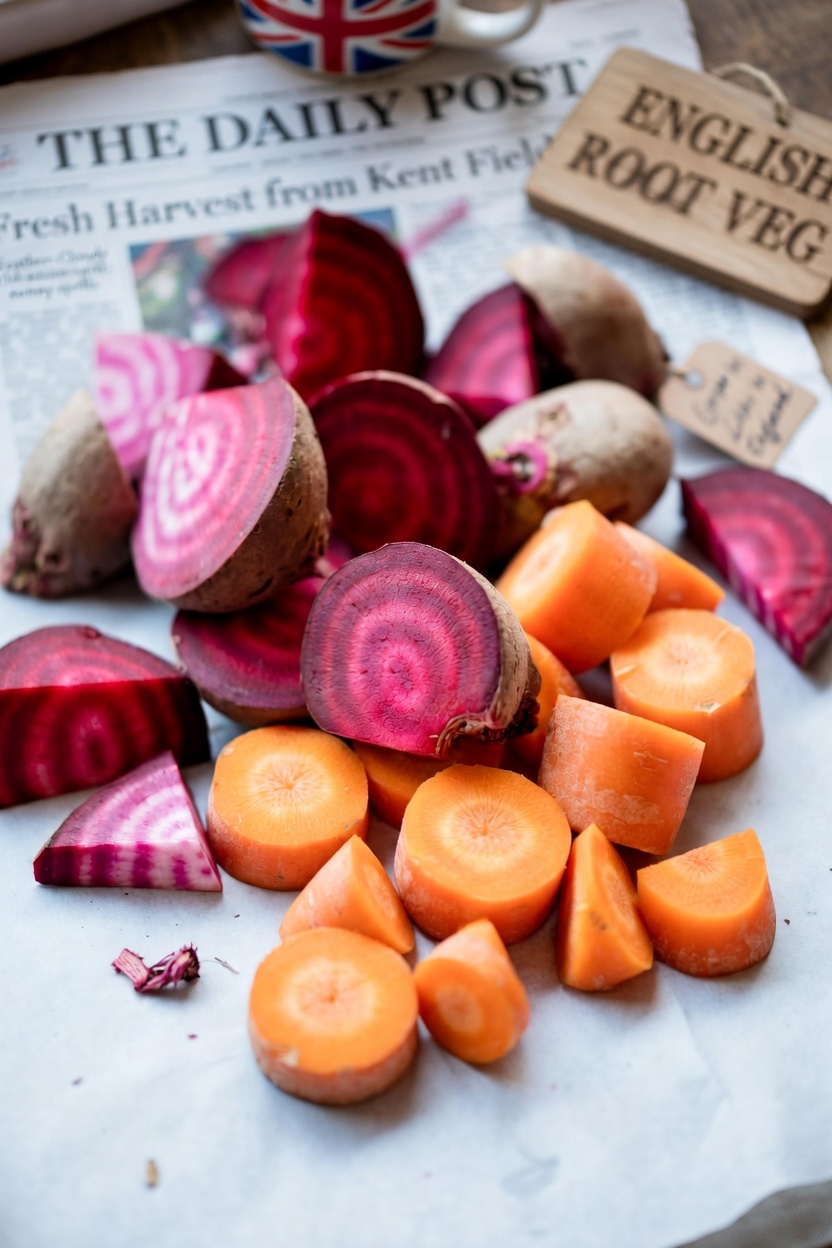
Easy Homemade Beetroot Juice Recipe
If you want to try beetroot juice at home, this simple blend is a practical place to start. It is refreshing, nutrient-dense, and easy to prepare.
Ingredients
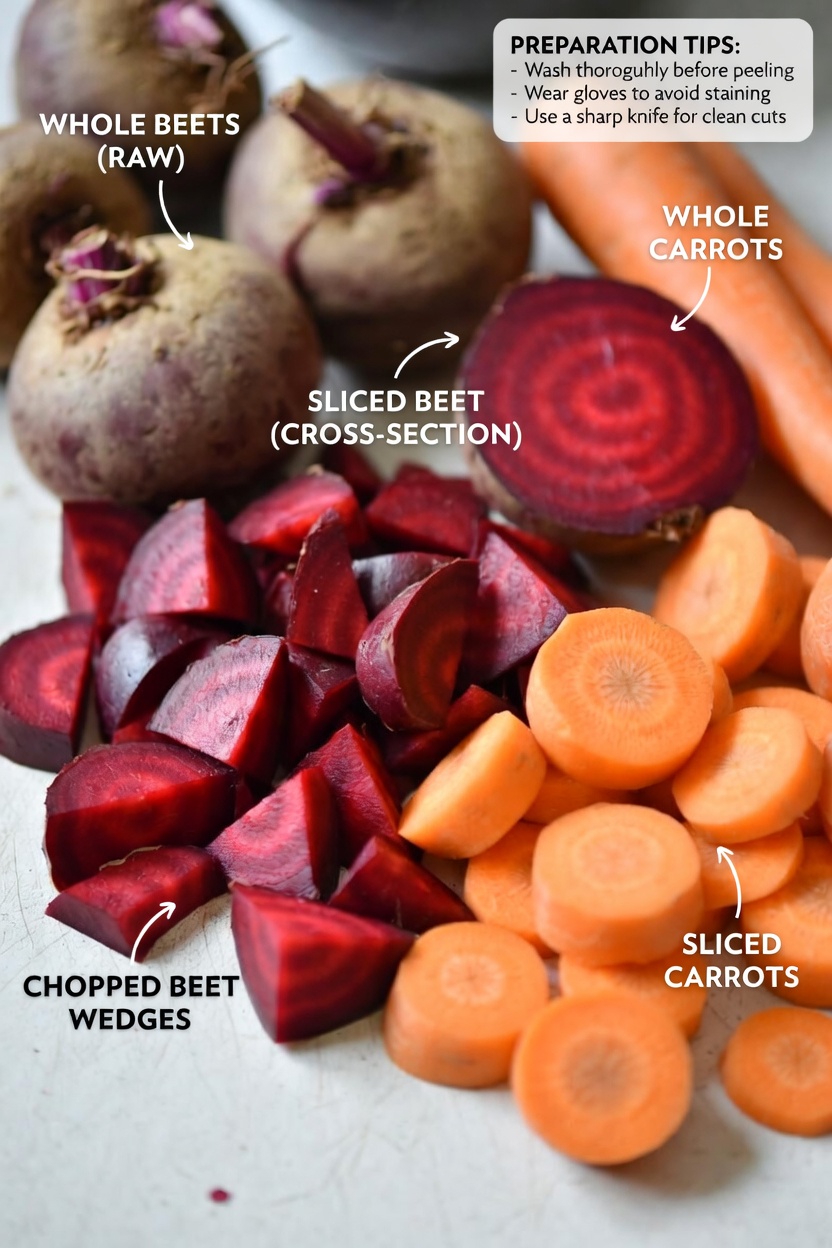
- 2 medium beets, peeled and chopped
- 2 to 3 carrots, washed and chopped
- 1 to 2 limes, juiced
- Optional: a small piece of ginger for extra flavor
- Optional: a little water to thin the texture
How to Make It
- Wash all ingredients well before preparing them.
- Cut the beets and carrots into smaller pieces so they fit your juicer or blender.
- Juice the beets and carrots first. If using a blender, blend with a small amount of water and strain afterward.
- Add fresh lime juice to taste for a brighter flavor.
- Stir thoroughly and drink it fresh.
- Begin with a small serving, about 8 ounces, and see how you feel.
- Refrigerate leftovers for no more than 24 hours, though fresh juice is ideal.
This mix offers an earthy, slightly sweet taste with a citrusy edge, making it easier to enjoy than plain beet juice. Many people prefer drinking it in the morning or as an afternoon pick-me-up.
Tips for Making Beetroot Juice Part of Your Routine
If you want this habit to be sustainable, a few simple strategies can help.
- Start with a small amount to gauge your tolerance
- Drink it with meals if you are prone to stomach discomfort
- Choose organic beets when possible
- Pay attention to your total diet, especially sodium intake
- Focus on vegetable-rich meals for better overall support
You can also pair beetroot juice with other healthy lifestyle habits, such as:
- 30 minutes of daily movement
- Cutting back on highly processed foods
- Staying well hydrated
- Managing stress consistently
Small daily actions often build into meaningful long-term benefits.
Important Things to Keep in Mind
For most people, beetroot juice is considered safe and nutritious. One harmless effect you may notice is pink or reddish urine or stool, sometimes called beeturia.
However, some people should be more cautious. If you have kidney problems, low blood pressure, or take medications related to blood pressure or mineral balance, it is wise to speak with a healthcare professional before increasing your intake. In certain cases, high nitrate or potassium intake may not be appropriate.
As a general rule, whole and minimally processed foods remain the best foundation for balanced nutrition.
Final Thoughts
Beetroot juice is a simple and accessible way to add more nutrient-rich foods to your diet. Thanks to its natural nitrates, potassium, and antioxidants, it may support healthy blood pressure and circulation when combined with a well-rounded lifestyle.
If you are looking for a practical heart-friendly habit, this homemade beetroot juice blend is an easy option to try. Over time, small choices like this can support better everyday wellness.
FAQ
How much beetroot juice should I drink each day?
Most research has used about 200 to 500 ml per day, or roughly 1 to 2 cups. It is best to begin with a smaller serving and increase gradually based on taste and comfort.
Can I make beetroot juice without a juicer?
Yes. You can blend the ingredients with a little water, then strain the mixture through a fine mesh strainer or nut milk bag.
Is beetroot juice a good choice for everyone?
It can be a healthy option for many people, but those with low blood pressure, kidney concerns, or those taking blood pressure medication should consult a doctor first.