
How to Support Muscle Strength as You Age with Smarter Protein Choices
As people get older, it is common to feel a gradual drop in strength and daily stamina. Tasks that once felt easy—like lifting shopping bags, getting up the stairs, or staying active through the day—can start to require more effort. Much of this shift is related to the natural decline in muscle mass that happens over time, which can affect mobility, independence, and overall well-being.
The encouraging part is that muscle health can be supported through simple, steady habits. One of the most effective strategies is improving daily protein intake, especially when it is paired with regular movement. In this guide, we’ll look at practical ways to eat more protein, including one particularly useful option that is often underestimated: whey protein powder.

Why Protein Becomes More Important with Age
Protein supplies the amino acids your body needs to repair and preserve muscle tissue. As aging progresses, the body does not use protein for muscle-building as efficiently as it once did. This age-related change is often referred to as anabolic resistance, and it means older adults may need a higher protein intake than younger people to support the same muscle-related benefits.
Many experts suggest a daily protein target of around 1.0 to 1.2 grams per kilogram of body weight, which equals about 0.45 to 0.55 grams per pound. For someone who weighs 150 pounds, that comes to roughly 68 to 83 grams per day, ideally divided across meals rather than consumed all at once.
Spacing protein intake throughout the day may help the body use it more effectively for muscle maintenance. It is also important to remember that protein quality matters. Certain types are especially rich in amino acids such as leucine, which plays a major role in stimulating muscle protein synthesis.
Whey Protein Powder: A Powerful Option for Older Adults
Among the many protein choices available, whey protein stands out. It is made from milk during the cheese-making process and is widely recognized as a high-quality, complete protein. Because it contains all essential amino acids and is absorbed quickly, the body can use it efficiently.
Research frequently points to whey protein as a valuable tool for supporting muscle health in older adults. Evidence suggests that whey supplementation, particularly when combined with resistance-based exercise such as bodyweight training or light weights, may help improve:
- Muscle mass
- Lower-body strength
- Physical performance
- Everyday mobility
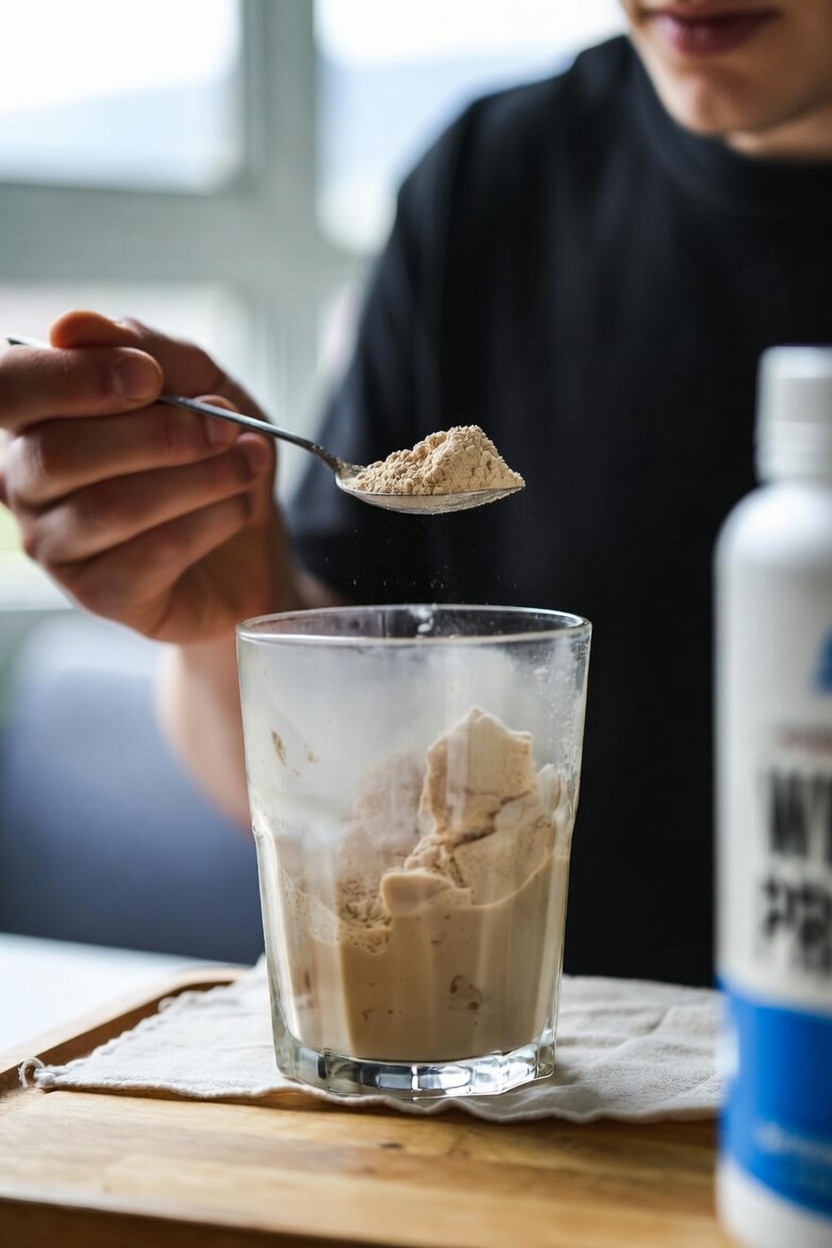
One reason whey performs so well is its high leucine content and fast digestion rate. For older adults who have a lower appetite or find it difficult to chew tougher protein foods, whey powder can also be a very practical solution. It blends easily into foods and drinks, making it a convenient way to increase intake without adding much effort.
Whole Foods Still Matter: Best Protein Sources to Eat Every Day
Although whey protein can be very helpful, whole foods should remain the base of a balanced diet. Eating a variety of protein-rich foods provides not only amino acids, but also other important nutrients that support healthy aging.
Here are some strong daily options:
-
Lean meats and poultry
Chicken breast and turkey provide complete protein and plenty of leucine. A palm-sized serving is a simple portion guide. -
Fish
Salmon and tuna deliver high-quality protein along with omega-3 fatty acids, which support overall health. -
Eggs
Easy to prepare and nutrient-dense, eggs offer about 6 grams of protein each and work well at breakfast or as a snack. -
Dairy products
Greek yogurt, cottage cheese, and milk supply protein while also contributing calcium for bone health. -
Plant-based proteins
Beans, lentils, and tofu are budget-friendly choices that also provide fiber to support digestion.
Quick Protein Comparison by Serving
Here is a simple look at how much protein common foods provide:
- Chicken breast (3 oz): about 25 grams
- Greek yogurt (1 cup): about 20 grams
- Salmon (3 oz): about 22 grams
- 2 large eggs: about 12 grams
- Whey protein powder (1 scoop, around 25 g): about 20 to 25 grams
Adding a mix of these foods to your routine can make it much easier to reach your daily target without feeling like a major challenge.
Easy Ways to Increase Protein Intake Starting Today
Making progress does not require a complete diet overhaul. Small adjustments can add up quickly. Try these practical steps:
-
Boost breakfast
- Stir a scoop of whey protein into oatmeal.
- Blend it into a morning smoothie.
- This can add 20 grams or more with almost no extra preparation.
-
Spread protein across the day
- Aim for around 20 to 30 grams per meal.
- Include protein at breakfast, lunch, dinner, and even a snack if needed.
-
Choose better snacks
- Try Greek yogurt with nuts.
- Keep hard-boiled eggs on hand.
- Replace low-protein, carb-heavy snack foods when possible.
-
Add light resistance exercise
- Pair higher protein intake with simple activities such as:
- Chair squats
- Wall push-ups
- Light dumbbell exercises
- Doing this 2 to 3 times per week may enhance muscle-supporting benefits.
- Pair higher protein intake with simple activities such as:
-
Track your intake briefly
- Use a note on your phone or a food-tracking app for a few days.
- This can help you see whether you are meeting your protein needs.
Protein Works Best Alongside Other Healthy Habits
Protein is essential, but it is only one part of the picture. Other habits also play an important role in maintaining muscle function as you age.
Helpful supports include:
- Staying physically active
- Getting enough vitamin D through sunlight, fortified foods, or medical guidance
- Drinking enough water
- Eating enough overall calories to avoid muscle breakdown
One of the most promising findings from research is that consistent whey protein use combined with light strength-focused activity can noticeably support lower-body strength and day-to-day movement over time. Improvements may become more evident after several weeks or months of steady effort.
Final Thoughts: Small Protein Changes Can Make a Big Difference
Protecting muscle strength with age does not require extreme measures. Often, the most effective approach is a simple one: make smarter protein choices, include nutrient-rich whole foods, consider adding whey protein powder for convenience, and stay active on a regular basis.
These habits can help support strength, mobility, and confidence in daily life. Starting small is enough. Even one change—such as adding a scoop of whey protein to your usual routine—can be a strong first step.
Frequently Asked Questions
How much whey protein should older adults take each day?
Many studies use 20 to 40 grams daily, sometimes divided into smaller servings. The right amount depends on your total diet, body size, and health needs, so it is best to check with a healthcare professional.
Is whey protein safe for everyone?
Whey protein is generally well tolerated by most people. However, anyone with a dairy allergy, certain digestive issues, or specific medical conditions should speak with a doctor before using it.
Can older adults get enough protein from food alone?
Yes, it is possible with good meal planning and a variety of protein-rich foods. That said, whey protein powder can be a simple and effective way to fill gaps when appetite is low or meals do not provide enough protein.