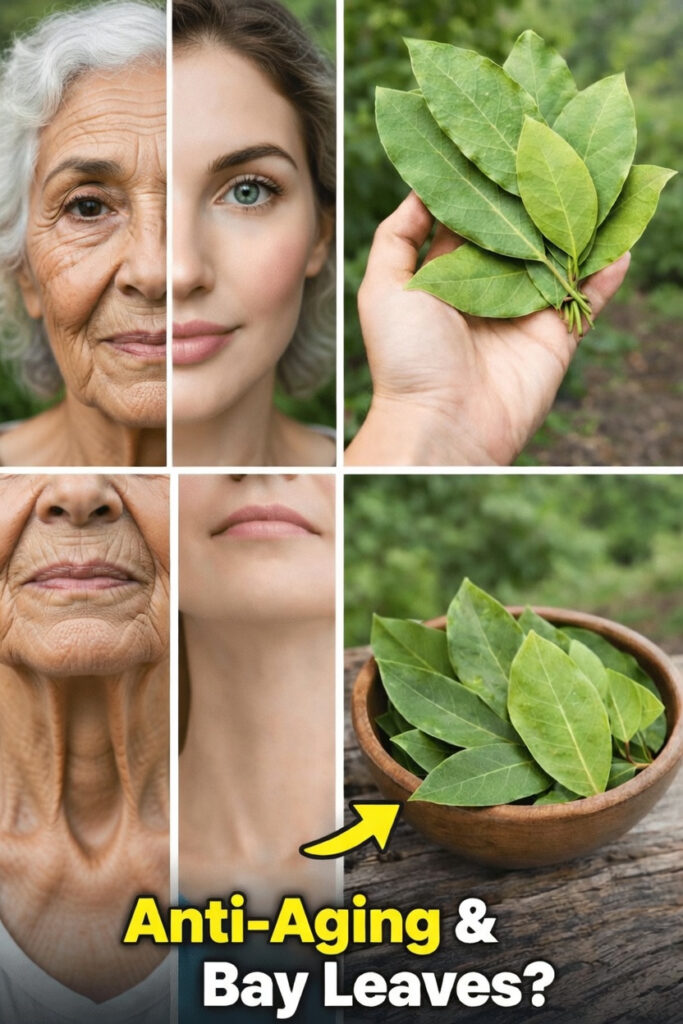
Bay Leaves for Skin Care: A Gentle, Natural Option Worth Exploring
As time goes by, many people begin to notice fine lines, less elasticity, and changes in skin texture. These visible signs of aging can affect confidence and make people look for simple, non-aggressive ways to care for their skin. Among natural ingredients gaining attention, bay leaves stand out as an everyday kitchen staple with a long history of traditional use and growing scientific interest.
Known botanically as Laurus nobilis, bay leaves have been used for centuries in both cooking and folk remedies. Today, they are being revisited for their potential role in supporting skin wellness thanks to their beneficial plant compounds.
What if something already sitting in your pantry could become a small but helpful part of your beauty routine? Let’s take a closer look at what makes bay leaves interesting for skin care and how you can use them safely at home.
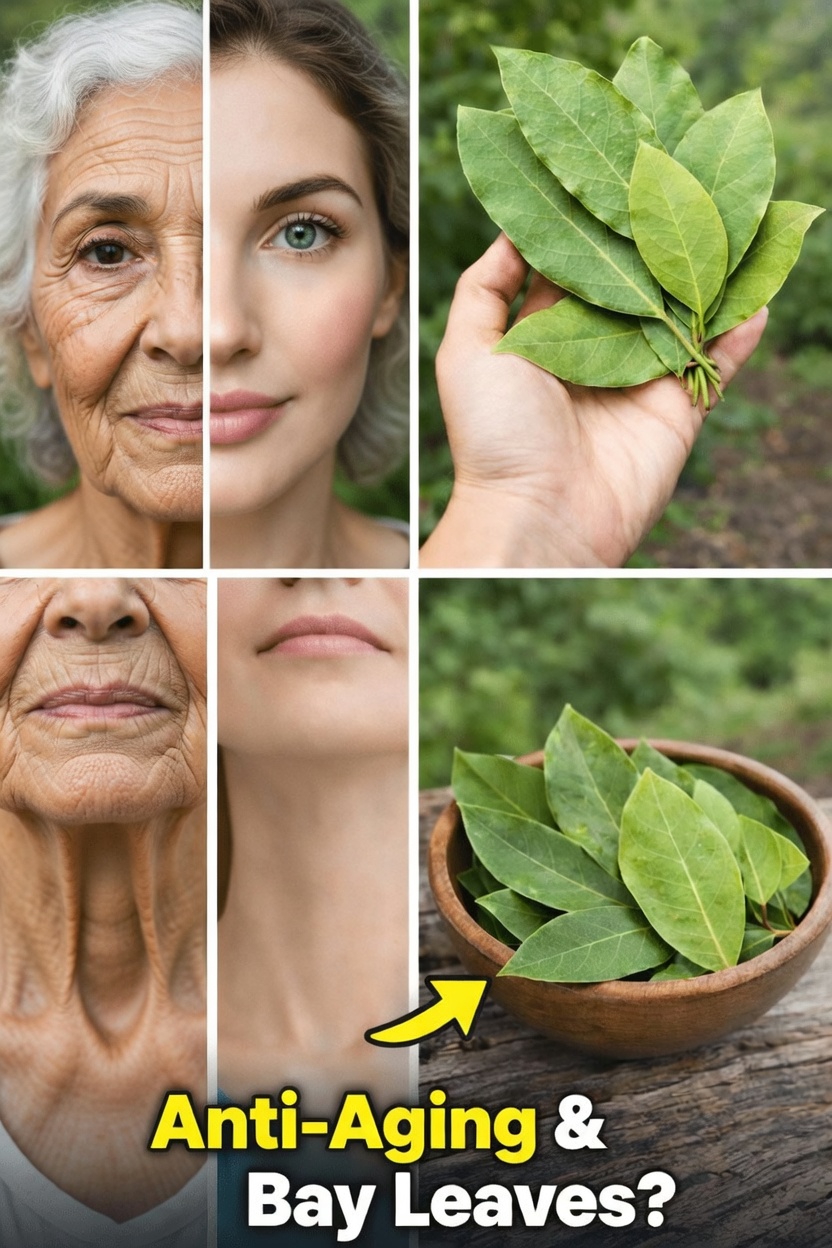
Why Bay Leaves Are Special
Bay leaves come from an evergreen tree native to the Mediterranean. For generations, they have been valued not only for their flavor and aroma but also for their traditional therapeutic uses.
These leaves contain a range of active substances, including:
- Essential oils
- Phenolic compounds
- Flavonoids
- 1,8-cineole
- Eugenol
- Linalool
Laboratory and animal studies suggest that bay leaves may offer antioxidant and anti-inflammatory benefits. Antioxidants help defend the skin against free radicals, which are linked to daily environmental stress. Anti-inflammatory compounds may also help calm mild skin discomfort or irritation.
Although more human studies are still needed, early findings suggest that bay leaves may support overall skin health in a gentle, complementary way.
Antioxidant Benefits for Healthier-Looking Skin
One of the most talked-about properties of bay leaves is their strong antioxidant activity. Scientific studies often measure this using methods such as DPPH radical scavenging, and bay leaf extracts have shown promising performance.
Why does this matter for the skin?
Free radicals are generated by factors such as:
- Sun exposure
- Pollution
- Normal metabolic processes
- Everyday environmental stress
Over time, these unstable molecules can contribute to visible skin aging. Antioxidants help reduce that burden by supporting the skin’s natural balance.
Some research also suggests that the antioxidant compounds in bay leaves may indirectly help with processes related to collagen support, though this area still requires more investigation.
Anti-Inflammatory Properties for Skin Comfort
Bay leaves also contain compounds such as linalool and eugenol, both of which have shown anti-inflammatory potential in various experimental models.
Inflammation can play a role in:
- Uneven skin tone
- Minor redness
- Skin discomfort
- Surface sensitivity
In traditional practices, bay leaf-based preparations were sometimes used to soothe rashes and minor skin issues. Modern interest in this herb focuses on whether these calming properties may help support a more comfortable skin surface.
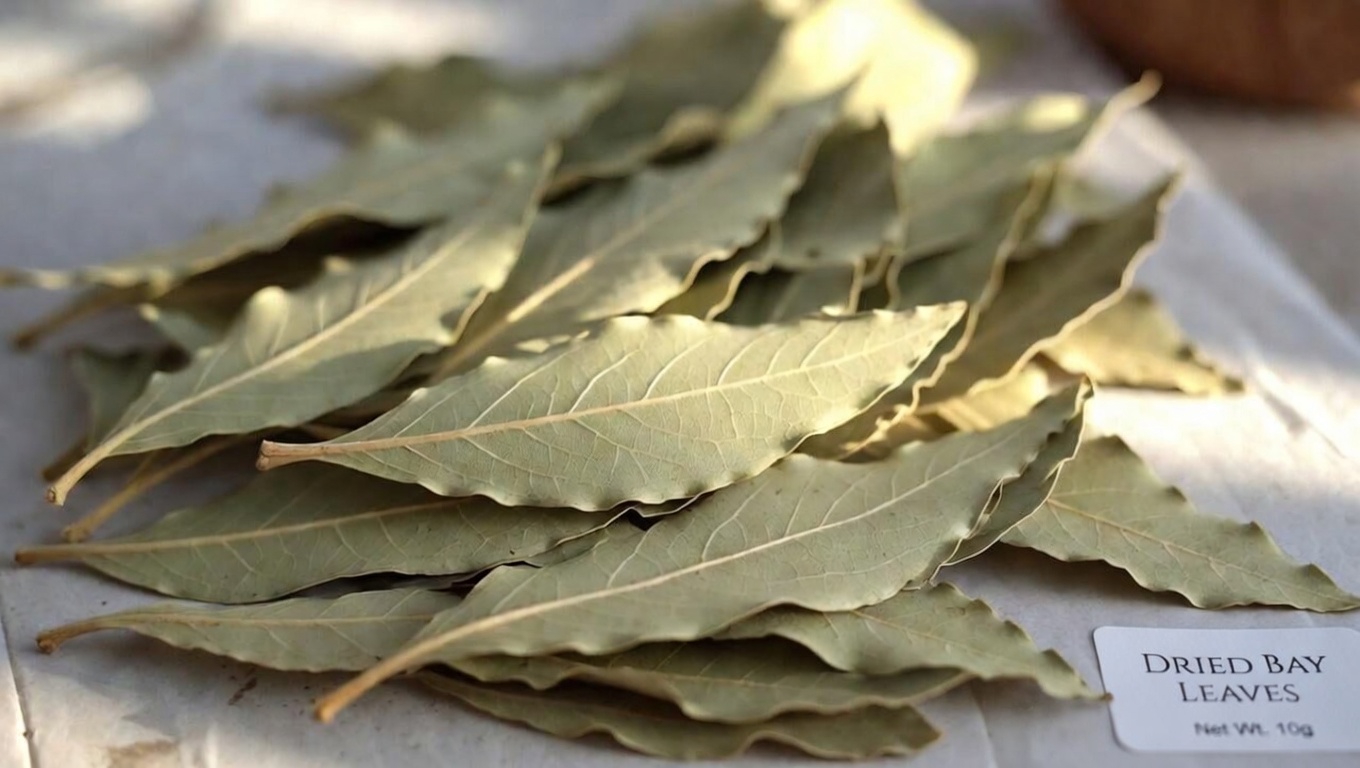
Traditional Use Meets Modern Skin Care
Historically, bay leaves were applied topically in folk remedies to support wound healing and provide soothing relief. Some animal-based research has also suggested that bay leaf extracts may assist tissue repair and healing processes.
Today, bay leaf infusions and essential oils are occasionally included in natural beauty products because of their:
- Pleasant herbal aroma
- Potential soothing effects
- Antioxidant-rich profile
However, it is important to use bay leaf products carefully. Essential oils are highly concentrated and should always be diluted before touching the skin, especially if you have sensitive skin.
Safe Ways to Use Bay Leaves at Home
If you want to try bay leaves as part of your routine, start with gentle methods. Here are a few easy ideas.
1. Bay Leaf Infused Water
This can be enjoyed in moderation as a tea or used externally as a cooling compress or mild facial rinse.
How to make it:
- Take 4 to 5 dried bay leaves.
- Boil them in 2 cups of water for 5 to 10 minutes.
- Strain the liquid and let it cool.
- Drink moderately as tea or apply the cooled infusion gently to the skin.
2. Bay Leaf Facial Steam
A simple facial steam may help open pores while providing the aromatic effects of the leaves.
Steps:
- Add 3 to 4 bay leaves to a bowl of hot, but not boiling, water.
- Place a towel over your head and lean over the bowl carefully.
- Steam for 5 to 8 minutes.
- Gently pat your skin dry afterward.
3. Bay Leaf Oil Blend for Spot Application
This method is best for small areas rather than full-face use.
How to prepare it:
- Mix 2 to 3 drops of bay leaf essential oil with 1 tablespoon of carrier oil, such as jojoba or coconut oil.
- Apply a small amount to clean skin.
- Always do a patch test on your inner arm for 24 hours before regular use.
These methods are inspired by traditional practices and are best approached as mild additions to your existing skin care habits.
Main Compounds in Bay Leaves
Bay leaves contain several notable components that contribute to their potential skin-supportive effects:
- 1,8-Cineole (Eucalyptol): A major part of bay leaf essential oil, often associated with soothing properties
- Eugenol: Known for both antioxidant and calming effects
- Linalool: May help support anti-inflammatory action
- Phenolics and Flavonoids: Contribute to the leaf’s overall antioxidant strength
The concentration of these compounds can vary depending on the quality of the leaves and the method of preparation.
What Current Research Suggests
Most of the existing research on bay leaves and skin comes from preclinical studies rather than large human trials. Still, the findings are interesting.
Research has shown that bay leaf extracts may:
- Support wound healing in animal studies
- Help with tissue repair
- Encourage collagen-related activity in some models
- Deliver strong antioxidant performance in test-tube studies
Some combination studies, including formulas with ingredients like tomato extract, have also looked at anti-aging effects in animals. These studies measured markers such as MDA, which is linked to oxidative stress, and reported encouraging changes.
That said, the evidence in humans is still limited. Bay leaves should be viewed as a supportive wellness ingredient, not a dramatic anti-aging solution.
Experts agree that natural options like bay leaves work best alongside proven skin care habits, including:
- Daily sun protection
- Good hydration
- Balanced nutrition
- A consistent skin care routine
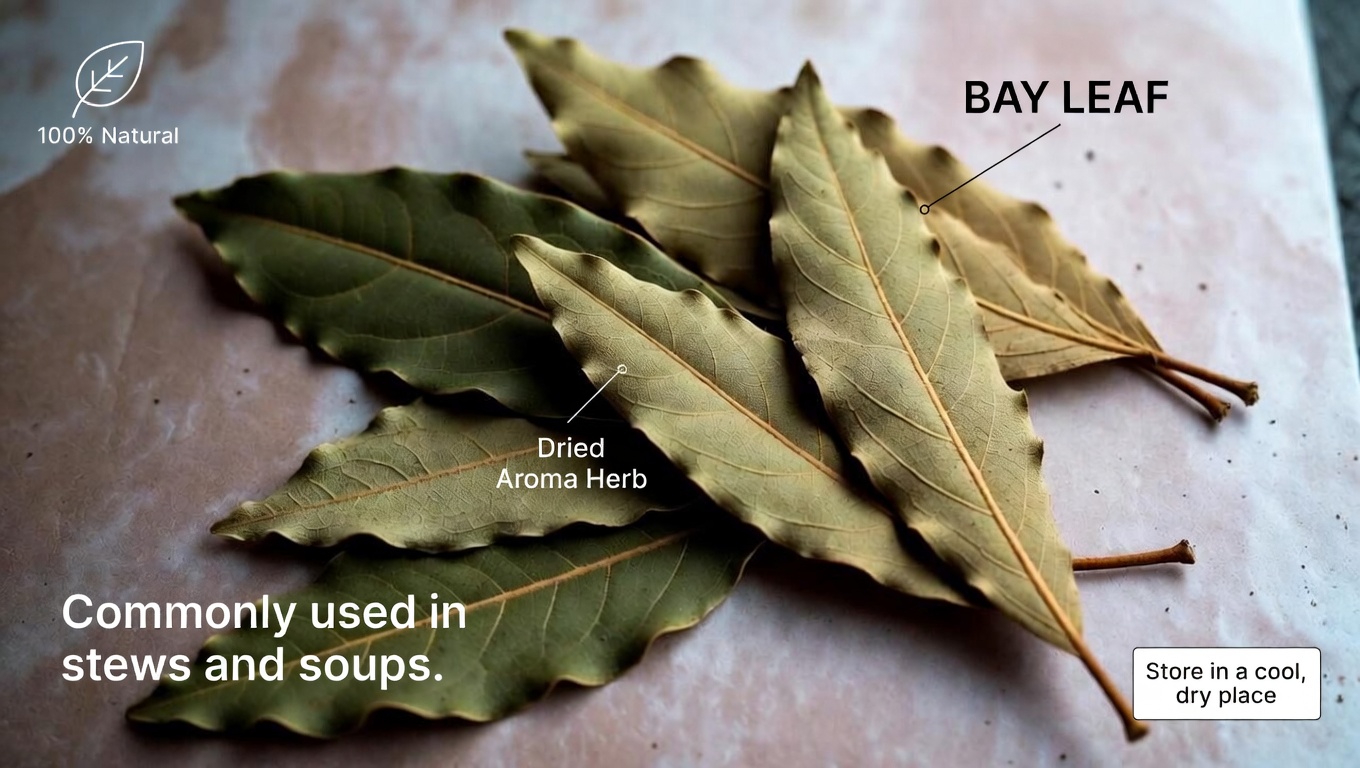
Safety Tips and Important Considerations
Bay leaves are generally considered safe when used in normal culinary amounts. When it comes to skin use, diluted extracts or oils are usually low-risk, but reactions are still possible.
Keep these precautions in mind:
- Stop use immediately if irritation occurs
- Never apply undiluted essential oil directly to the skin
- Avoid consuming large amounts
- Consult a healthcare professional if you are pregnant or have a medical condition
- Perform a patch test before trying any topical preparation
Using natural ingredients safely is just as important as choosing the right ones.
Final Thoughts: A Simple Herbal Addition to Your Routine
Bay leaves offer a fragrant and accessible way to explore natural skin support. Their antioxidant and soothing compounds make them an appealing option for people interested in gentle, plant-based self-care.
They are not a miracle cure, and they should not replace dermatologist-approved treatments or healthy skin care basics. Still, when used thoughtfully, bay leaves may become a pleasant ritual that complements your broader wellness routine.
Try one of the simple methods above and pay attention to how your skin responds over time. In many cases, steady and consistent habits bring the most lasting comfort.
FAQ
Can bay leaves replace professional skin treatments?
No. Bay leaves may provide supportive benefits based on traditional use and early research, but they are not a substitute for dermatologist-recommended care or clinically proven treatments.
How often can I use bay leaf preparations on my skin?
A good starting point is 2 to 3 times per week. Watch for any signs of sensitivity and adjust based on how your skin reacts.
Are fresh or dried bay leaves better for skin care?
Both can be used. Dried bay leaves are often easier to store and may contain more concentrated essential oils, while fresh leaves usually have a lighter aroma and a milder effect.