Datura stramonium: Uses, Risks, and Safer Herbal Alternatives
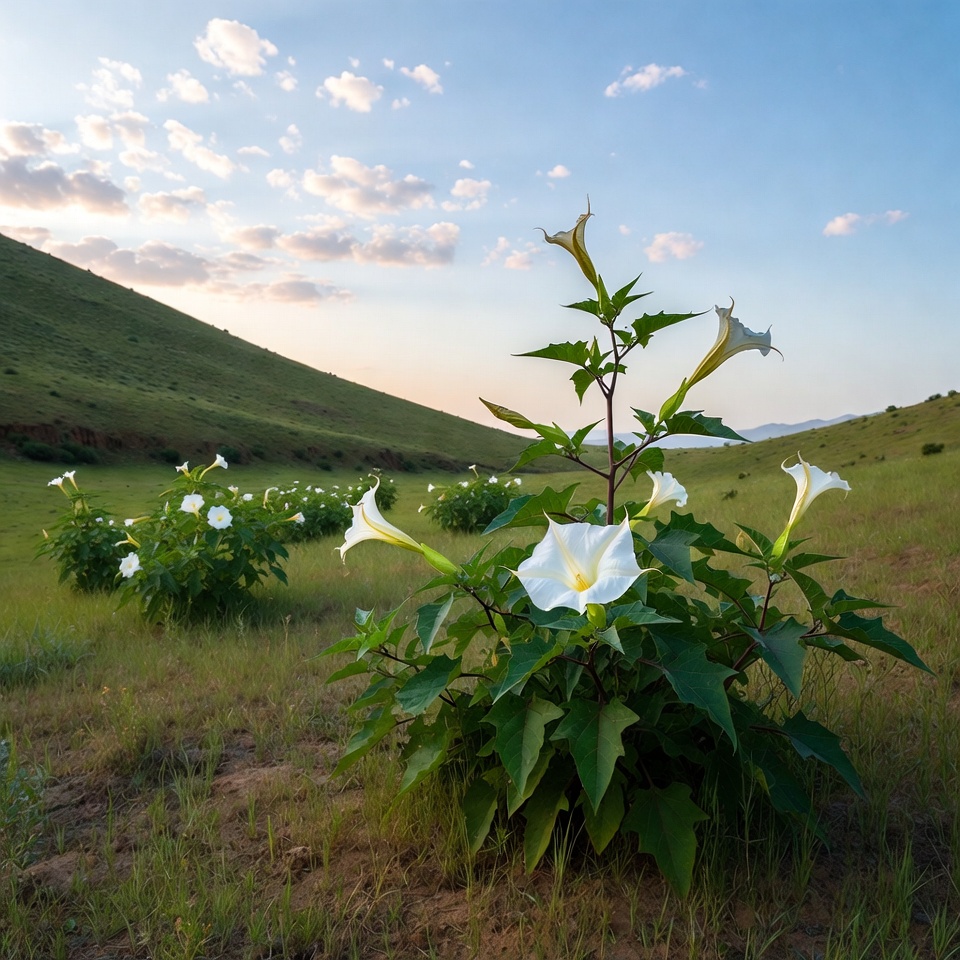
Known by names such as Jimsonweed, Devil’s Trumpet, and Thorn Apple, Datura stramonium is a visually dramatic plant recognized for its large, trumpet-like blooms. Throughout history, it has appeared in traditional medicine, spiritual practices, and folklore. Yet despite its intriguing reputation, this plant carries serious toxic risks that should never be underestimated.
Possible Traditional Uses of Datura stramonium
When handled with extreme caution, Datura has historically been associated with several medicinal purposes.
Traditionally used for:
- Supporting relief from asthma and breathing difficulties
- Calming muscle spasms
- Providing pain relief in very small, carefully controlled amounts
- Producing sedative and anticholinergic effects
- Serving as an anti-inflammatory remedy in some folk traditions
In older herbal practices, the dried leaves were sometimes smoked during asthma episodes. However, this approach is not considered safe today because of the plant’s highly toxic chemical profile.
Why Datura stramonium Is Dangerous
The greatest concern with Datura is its content of tropane alkaloids, including:
- Atropine
- Scopolamine
- Hyoscyamine
These compounds are extremely potent and can become poisonous or even fatal, even in relatively small amounts.
Symptoms of Datura Poisoning
Exposure or ingestion may lead to severe toxic reactions. Warning signs can include:
- Dilated pupils
- Rapid heart rate
- Delirium
- Hallucinations
- Dry mouth
- Difficulty swallowing
- Convulsions
- Coma
- Death
Why Extreme Caution Is Essential
There are several reasons Datura should never be used casually or for self-treatment.
Key safety concerns:
- Unpredictable toxicity: Two plants of the same species may contain very different concentrations of harmful alkaloids.
- Unsafe for self-medication: Only qualified medical professionals or highly trained specialists working in controlled settings should ever handle its medicinal use.
- Higher risk for children and pets: Even small exposure can be especially dangerous for vulnerable groups.
Never Use Datura Without Professional Supervision
Although Datura stramonium has a place in historical healing systems such as Ayurveda and certain Native American ceremonial traditions, that does not make it safe for modern unsupervised use. Because of its toxic nature, it is restricted or banned in many parts of the world.
Safer Alternatives for Respiratory Support and Pain Relief
If the goal is to support the lungs, ease discomfort, or reduce inflammation, there are much safer herbal options to consider.
Safer herbal choices:
- Mullein
- Ginger
- Turmeric
- Licorice root
- Peppermint oil
These herbs are commonly used to help with respiratory comfort, inflammation, and mild pain support without the extreme dangers linked to Datura.
Final Thoughts
Datura stramonium is undoubtedly a fascinating plant with a long and complex history. Its striking appearance and traditional reputation may attract attention, but its toxicity far outweighs any do-it-yourself benefit. It is best appreciated as a subject of study or observation—not as a self-prescribed remedy.
Admire it, respect it, but do not use it without medical supervision.