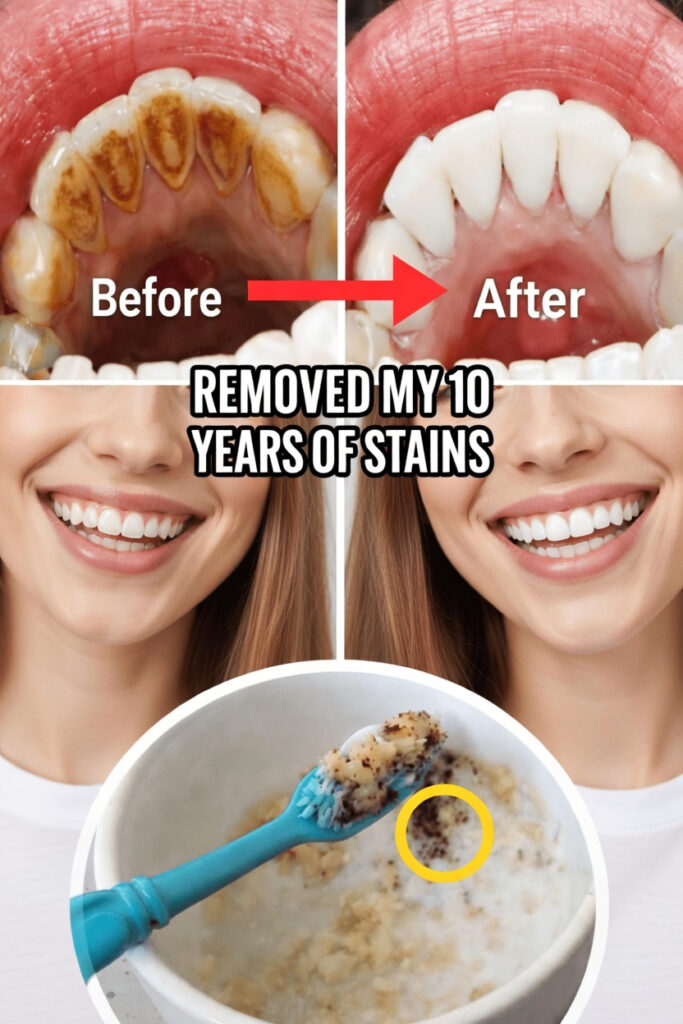
Baking Soda and Ginger for Teeth: A Simple Natural Option for Surface Stains
Surface stains, also known as extrinsic discoloration, usually develop when pigments from coffee, tea, wine, certain foods, and smoking collect on the outer layer of the teeth. Dental research has shown that mild abrasive ingredients can help reduce this type of staining when used carefully, without the need for harsh scrubbing.
Among natural oral care remedies, baking soda is one of the most frequently discussed ingredients. Its gentle polishing ability makes it popular for lifting light stains from enamel. Because it is slightly alkaline, it may also help balance acids in the mouth and leave tooth surfaces feeling cleaner. Fresh ginger is often added for its natural soothing qualities, including mild anti-inflammatory properties that some people find helpful for overall oral comfort.
This mixture is not an instant whitening miracle, but it can be a practical home remedy for supporting a cleaner, brighter-looking smile when used the right way.
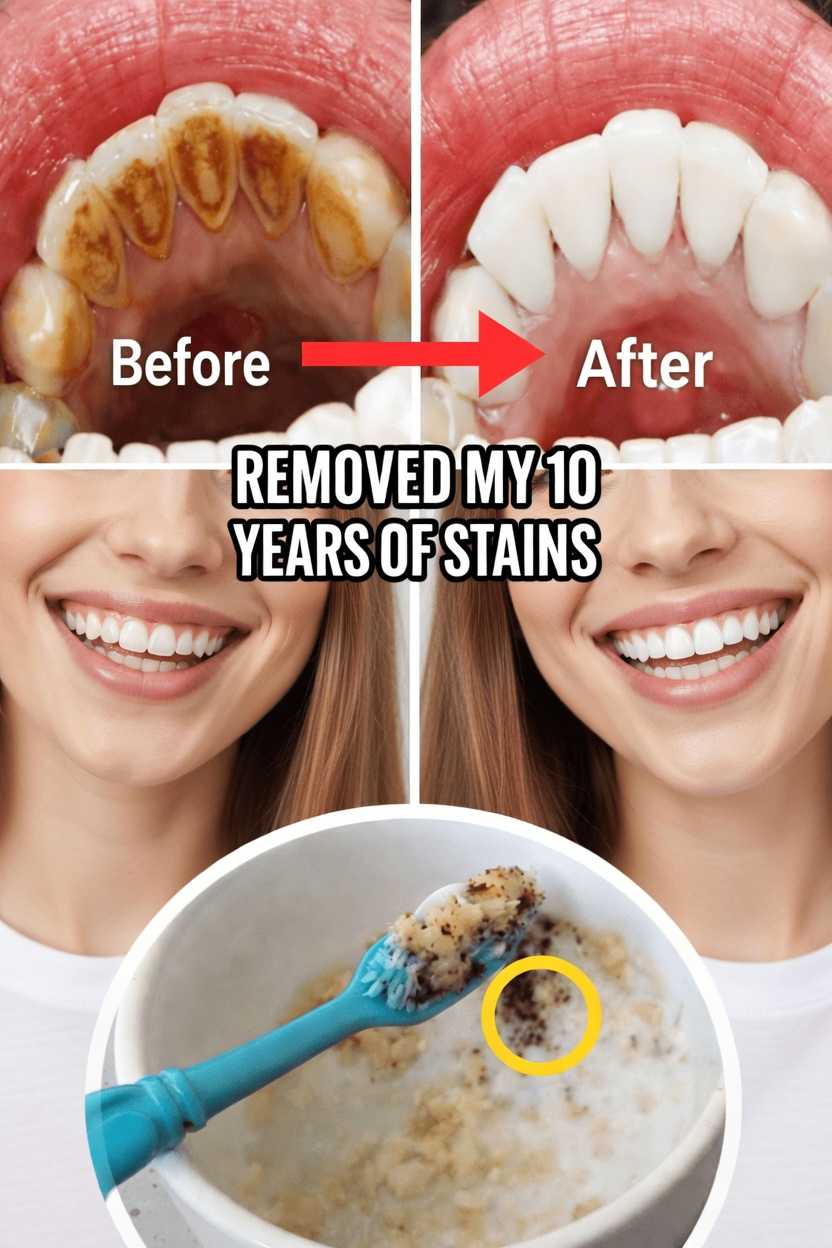
Why the Baking Soda and Ginger Combination Gets Attention
Many people online describe this mixture as a simple way to refresh the mouth and improve the appearance of teeth over time. Baking soda does most of the polishing work, while fresh or ground ginger adds a bit of texture and a clean, slightly spicy sensation.
Some of the main reasons this method is so popular include:
- Baking soda is commonly found in whitening toothpastes because it can help remove minor surface stains.
- Ginger has natural antibacterial properties that may contribute to fresher breath and a cleaner-feeling mouth.
- The paste is easy to make at home using ingredients that are often already in the kitchen.
Still, not everyone will see the same outcome. The effectiveness depends on the type of stain, how often the paste is used, and the condition of your enamel.
How to Make and Use a Baking Soda and Ginger Paste at Home
If you want to try this method, the key is to use it gently and in moderation so you do not damage enamel.
Ingredients
You will need:
- 1 teaspoon of baking soda
- A small piece of fresh ginger, about 1 inch long
- A few drops of water, only if needed
Instructions
-
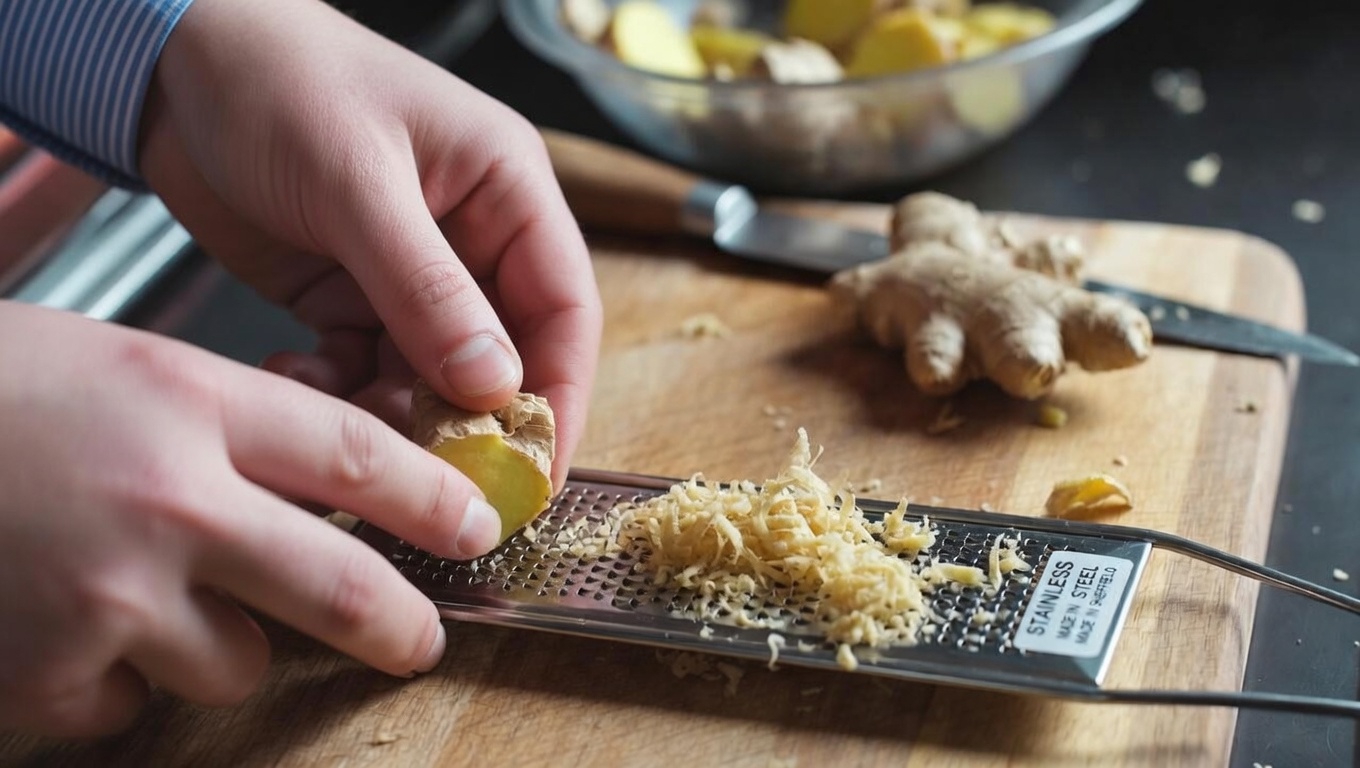
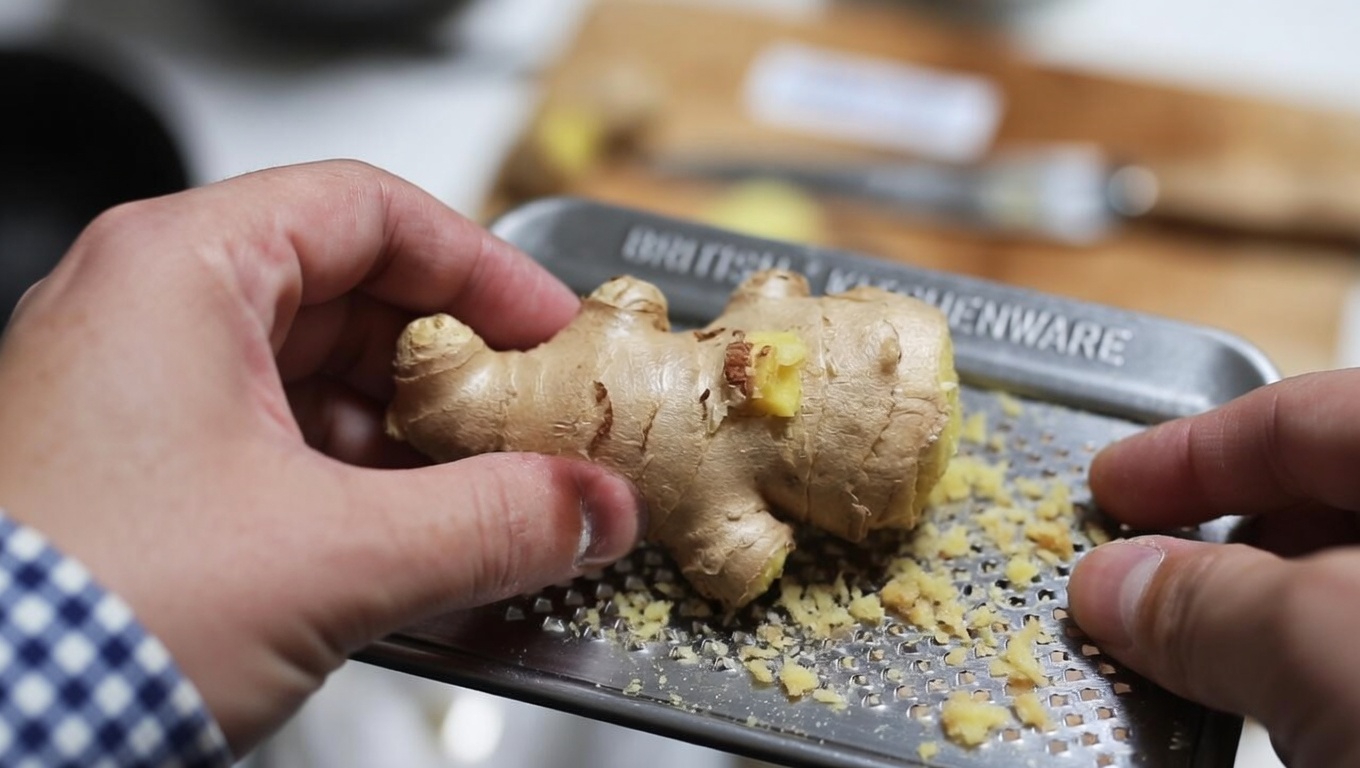
Prepare the ginger
- Peel the ginger and grate it finely to create a soft pulp and release its juice.
-
Mix the paste
- Place the baking soda and grated ginger in a small bowl.
- Add a few drops of water if necessary until the mixture becomes thick and easy to spread.
-
Apply with a soft toothbrush
- Dip a soft-bristled toothbrush into the paste.
- Brush gently in small circular motions for 1 to 2 minutes.
- Focus on stained areas, but do not scrub aggressively.
-
Rinse well
- Swish thoroughly with water and spit everything out.
- Afterward, brush with your regular fluoride toothpaste for extra protection.
-
Use sparingly
- Limit use to once or twice a week to avoid excessive abrasion.
For better long-term results, combine this method with twice-daily brushing, daily flossing, and reduced exposure to stain-causing foods and drinks.
Benefits You May Notice Over Time
With regular but moderate use, this paste may offer a few noticeable advantages:
- Gentle polishing of surface stains
- A fresher feeling in the mouth
- Natural support for overall oral cleanliness
Studies, including those published in the Journal of the American Dental Association, have noted the value of baking soda in stain reduction when used properly. Ginger does not act as a major whitening ingredient on its own, but it may add a pleasant and supportive element to the mixture.
Important Safety Tips Before You Try It
Even though this remedy uses common household ingredients, it should still be approached with care.
Keep these precautions in mind:
- Stop immediately if you feel tooth sensitivity or irritation
- Do not use it every day, since too much abrasion can gradually wear enamel
- Avoid this remedy if you have open sores, recent dental treatment, or highly sensitive teeth
- Use only food-grade baking soda and fresh ginger
Healthy daily habits can also help preserve results. Drinking water after meals and using a straw for dark beverages may reduce future staining.
How It Compares With Other Natural Teeth Polishing Methods
There are several common home options for dealing with surface stains. Here is how baking soda and ginger compares:
-
Baking soda alone
- Easy to use and effective for mild staining
- Does not offer the added freshness of ginger
-
Baking soda and hydrogen peroxide
- May be stronger for some stains
- Needs careful dilution and more caution
-
Baking soda and ginger
- Adds a refreshing element and light texture
- Best for occasional use rather than daily use
-
Whitening toothpaste
- Convenient and often contains fluoride
- Usually a safer everyday choice for ongoing maintenance
The best option is the one that fits your routine and is used responsibly. Rotating methods can also help prevent overuse of any abrasive ingredient.
Other Natural Ways to Keep Teeth Looking Brighter
The paste can help, but everyday habits play an even bigger role in maintaining a brighter smile.
Try adding these practices to your routine:
- Eat crunchy fruits and vegetables such as apples and carrots, which can help clean the tooth surface naturally
- Rinse your mouth with water after consuming coffee, tea, red wine, or deeply colored foods
- Schedule regular dental visits for professional cleanings
- Consider oil pulling with coconut oil for added freshness, while keeping in mind that evidence on its effectiveness is mixed
Over time, small habits like these can make a real difference.
Final Thoughts: A Gentle Step Toward a Fresher Smile
A baking soda and ginger paste can be a simple addition to your oral care routine if your goal is to reduce minor surface buildup and maintain brighter-looking teeth naturally. The most important factors are consistency, gentle use, and pairing the method with proven dental habits.
Frequently Asked Questions
How often can I use baking soda and ginger on my teeth?
Use it only 1 to 2 times per week. Using abrasive ingredients too often may weaken enamel over time.
Can this remove stains inside the teeth?
No. This remedy is meant for surface stains only. Deeper discoloration usually requires professional whitening or dental treatment.
Is it suitable for sensitive teeth?
Use caution. If you already have sensitive teeth, test very gently or speak with your dentist before trying it. Stop immediately if you notice discomfort or irritation.