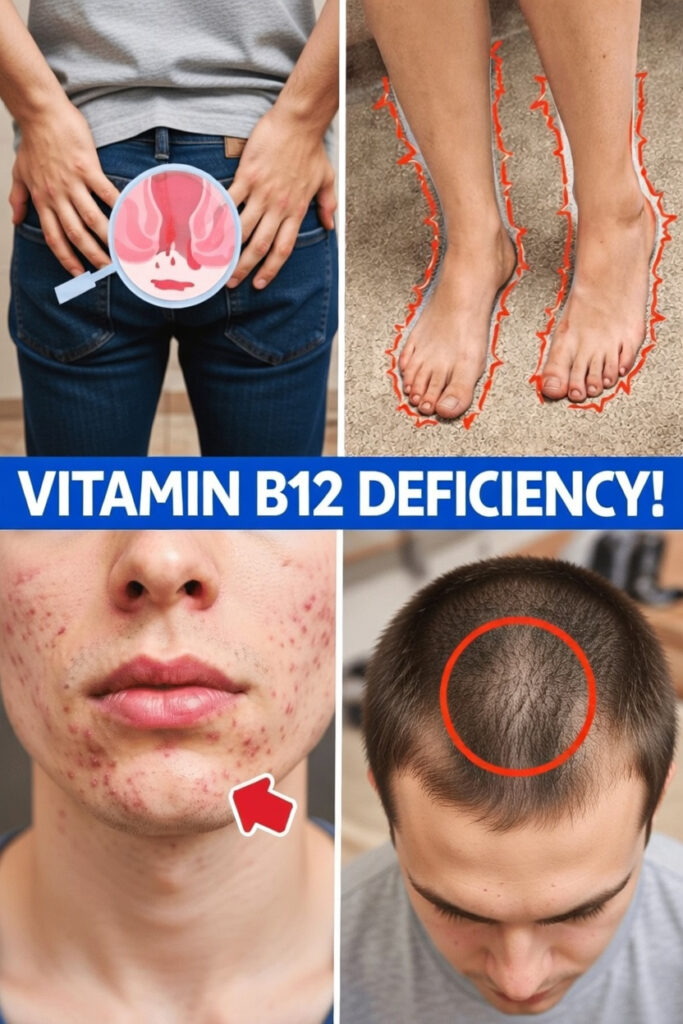
Could These Unusual Symptoms Be Linked to Low Vitamin B12?
Do you feel worn out all the time, even after getting enough sleep? Have you noticed ongoing tingling in your hands or feet that seems to come out of nowhere? These small changes can develop so gradually that they are easy to dismiss. Yet according to respected medical sources such as the Cleveland Clinic and the NHS, a vitamin B12 deficiency can influence energy levels, nerve health, mood, and even skin in ways many people do not expect.
The encouraging part is that noticing the signs early may help you take practical steps to support your health. Later in this article, you will find simple ways to improve your vitamin B12 intake starting today.
Why Vitamin B12 Is So Important
Vitamin B12 is essential for making red blood cells and helping the nervous system function properly. It supports the movement of oxygen throughout the body and helps protect nerve cells. When B12 levels are too low, the body may have trouble carrying out these basic functions efficiently.
What makes this tricky is that the symptoms do not always seem obvious at first. They can easily be mistaken for stress, poor sleep, or normal aging.
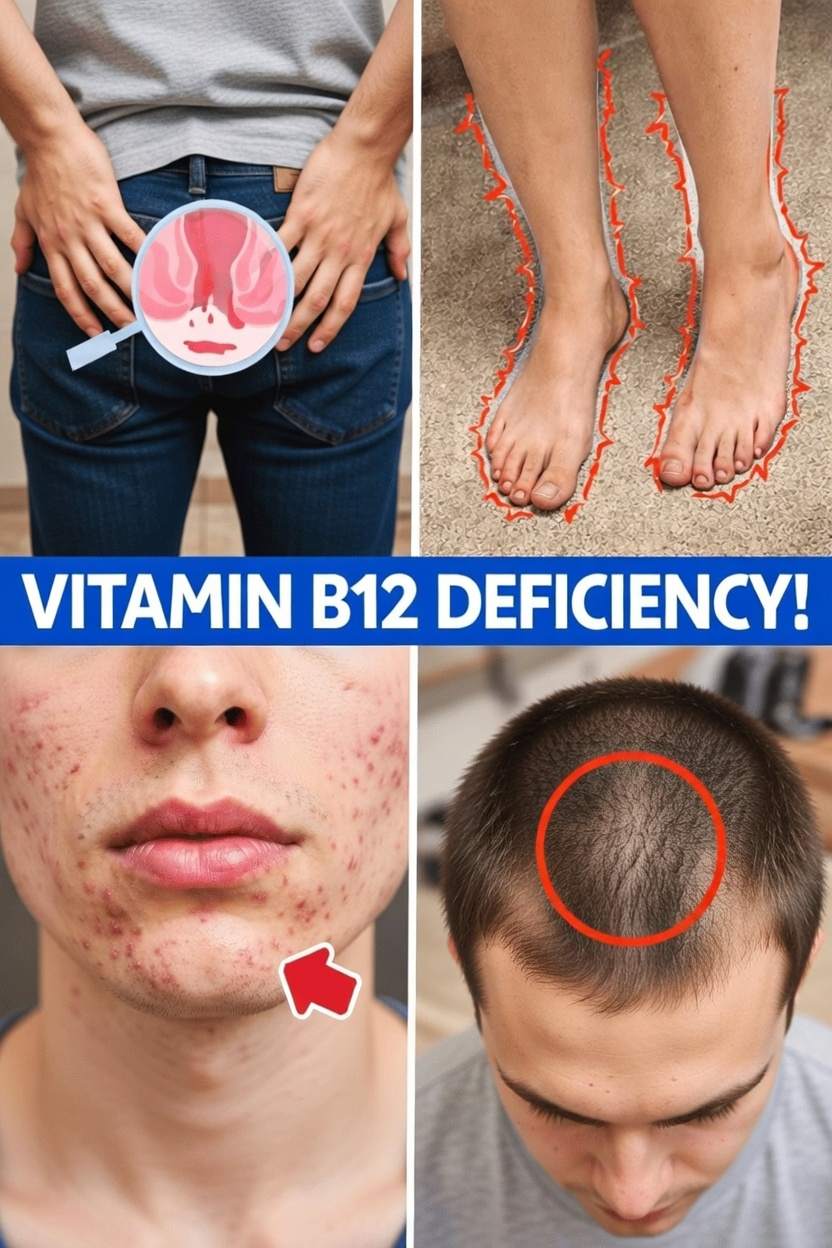
1. Ongoing Fatigue and Weakness
One of the most common signs is persistent tiredness that does not improve much with rest. You may wake up feeling exhausted or feel weak during everyday activities such as walking upstairs or carrying groceries.
Experts, including those at the Mayo Clinic, explain that low B12 can affect red blood cell production. With fewer healthy red blood cells, less oxygen reaches your muscles and brain, which may leave you feeling drained and sluggish.
Many people describe this sensation as a heavy mental and physical fog that never fully clears.
2. Tingling or Numbness in the Hands and Feet
That familiar "pins and needles" feeling in your fingers or toes may sometimes be more than a temporary inconvenience. This symptom, called paresthesia, is often linked to nerve-related issues associated with B12 deficiency.
Harvard Health notes that vitamin B12 helps maintain the protective coating around nerves. When levels drop, nerve signals may not travel properly, which can lead to tingling, numbness, or strange sensations.
In many cases, the symptom begins mildly and gradually becomes more noticeable over time.
3. Mood Changes and Mental Fog
Low vitamin B12 may also affect how you feel emotionally and mentally. Some people report:
- Irritability
- Low mood
- Poor concentration
- Memory lapses
- Confusion or mental sluggishness
WebMD and other health sources have discussed the link between insufficient B12 and cognitive or mood-related symptoms. Because these issues are common in daily life, they are often blamed on stress or lack of sleep instead.
Interestingly, some people notice clearer thinking once their B12 intake improves.
4. Pale or Slightly Yellow Skin
A change in skin tone can also be a clue. You may look paler than usual, or your skin may develop a faint yellowish tint. According to information from the Cleveland Clinic, this can happen when B12 deficiency interferes with normal red blood cell production.
The change may be subtle rather than dramatic. Sometimes family or friends are the first to notice that your complexion looks different.

5. A Sore Tongue, Glossitis, or Mouth Ulcers
Vitamin B12 deficiency can sometimes show up in the mouth. The NHS lists oral symptoms among the more common warning signs. These may include:
- A swollen or sore tongue
- A tongue that appears smooth and unusually red
- Mouth tenderness
- Mouth ulcers
- Discomfort while eating certain foods
Because these problems seem unrelated to nutrition at first glance, many people do not connect them to B12 levels right away.
6. Shortness of Breath or Heart Palpitations
If you become breathless during light activity or occasionally notice a racing heartbeat, low B12 may be a possible factor. When red blood cells are affected, the body may not deliver oxygen as efficiently as it should.
Some medical resources, including Healthline, mention heart palpitations and shortness of breath as symptoms that can appear in certain deficiency cases. These feelings can be unsettling, especially when they happen unexpectedly.
7. Balance Problems or Trouble Walking Steadily
B12 deficiency can affect coordination as well as sensation. Some people feel unsteady on their feet or notice that walking feels less controlled than usual. This neurological symptom is sometimes referred to as ataxia.
You may feel as though your balance is slightly off, especially in the legs. Because this symptom often develops slowly, it can be difficult to recognize at first.
8. Changes in Hair or Skin Health
Although less common, some people with low B12 notice physical changes that affect appearance. These may include:
- Dry or cracked skin
- Rough areas on the elbows or heels
- Thinning hair
- Early graying in some cases
These signs are subtle, but they may reflect the broader role vitamin B12 plays in supporting healthy cells throughout the body.
Practical Ways to Support Vitamin B12 Levels
If you think your diet may be lacking in B12, there are several simple ways to improve your intake naturally:
- Eat B12-rich animal foods such as meat, fish, eggs, and dairy if they fit your lifestyle.
- Choose fortified foods like breakfast cereals, plant milks, or nutritional yeast if you avoid animal products.
- Speak with a healthcare professional if symptoms continue or worsen.
The biggest difference often comes from small, consistent habits rather than one-time changes.

Simple Steps to Improve Your B12 Intake
A realistic approach works best. Start with these basic actions:
-
Review your diet
- Track your meals for a week.
- Check whether you regularly eat foods like salmon, eggs, yogurt, or other B12 sources.
-
Add fortified foods
- If you follow a vegetarian or vegan diet, look for products clearly labeled with added vitamin B12.
-
Talk to a doctor
- A blood test can help determine whether your levels are low.
- Your healthcare provider can recommend the best next steps based on your results.
-
Watch for changes
- Keep notes on your energy, mood, and physical symptoms as you make adjustments.
These changes may not produce instant results, but many people notice improvement over time with regular attention.
Final Thoughts: Pay Attention to What Your Body Is Telling You
Unusual symptoms such as fatigue, tingling, mood changes, pale skin, or balance issues may point to low vitamin B12. It is an often-overlooked nutrient, yet it plays a major role in energy production, nerve function, and general well-being.
By paying attention to these signals, making thoughtful food choices, and getting medical advice when needed, you can better support your body. Small steps taken now may have a meaningful effect on how you feel in the future.
FAQ
What foods contain a lot of vitamin B12?
Good sources include:
- Meat
- Poultry
- Fish
- Eggs
- Dairy products
If you do not eat animal products, fortified cereals, plant milks, and nutritional yeast can also help increase B12 intake.
Who is more likely to have low vitamin B12?
People with a higher risk may include:
- Older adults
- Vegetarians and vegans
- Individuals with digestive disorders
- People taking certain medications
How do doctors test for vitamin B12 deficiency?
Doctors usually use a blood test to measure vitamin B12 levels. In some cases, they may also check related markers such as folate or homocysteine to get a clearer understanding of what is going on.
Important Note
This article is for informational purposes only and should not replace professional medical advice. Always consult a qualified healthcare provider for personal guidance about your symptoms or health concerns.