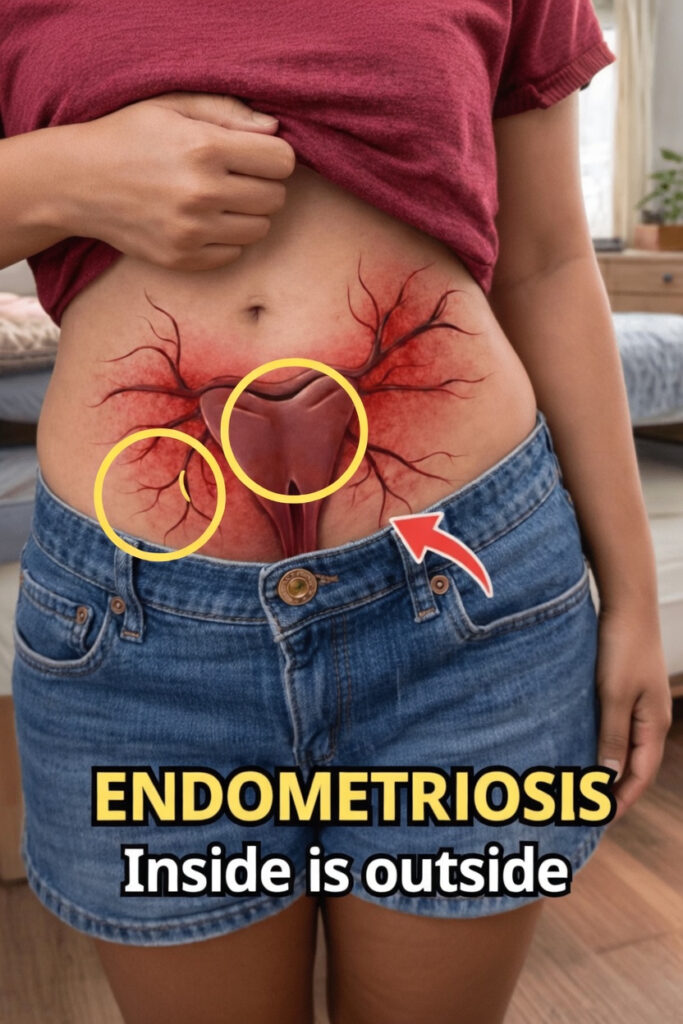
Endometriosis: The Monthly Pain Many Women Should Not Ignore
For millions of women, monthly pain is far more intense than ordinary period cramps. Yet this kind of discomfort is often minimized, ignored, or accepted as something they simply must endure. In reality, ongoing pelvic pain can disrupt work, daily responsibilities, relationships, and overall well-being, leaving many women drained and misunderstood. Learning more about this condition can help you better understand your body and identify ways to manage symptoms with greater confidence. This guide shares practical insights many women wish they had discovered earlier.
What Is Endometriosis?
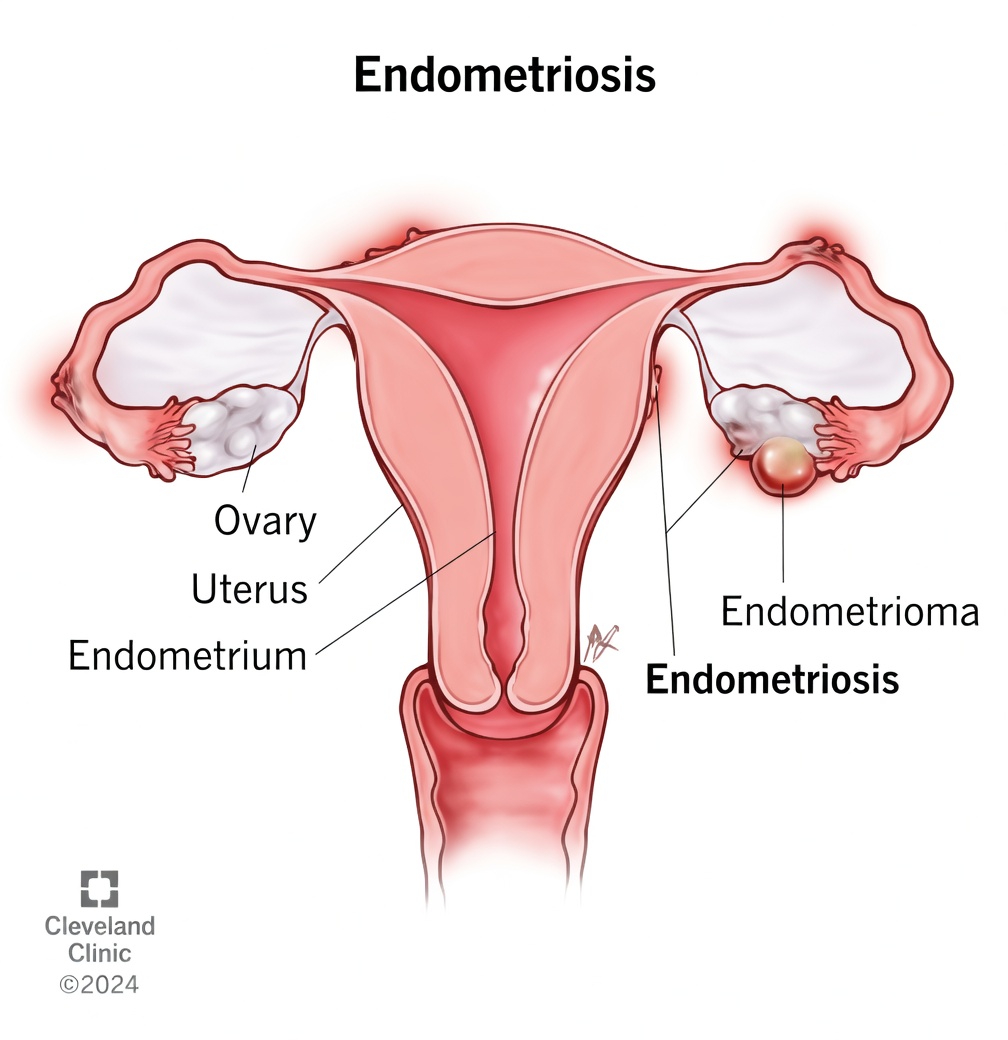
Endometriosis is a condition in which tissue similar to the lining of the uterus grows outside the uterus. These growths may develop on the ovaries, fallopian tubes, the outer wall of the uterus, or elsewhere within the pelvic area. Unlike the uterine lining that sheds during menstruation, this tissue has no natural way to leave the body. As a result, it can trigger inflammation, scar tissue formation, and adhesions over time.
Experts estimate that endometriosis affects about 10% of women of reproductive age around the world. Even so, many live with symptoms for years before receiving proper evaluation, often because their pain is mistaken for normal menstrual discomfort.
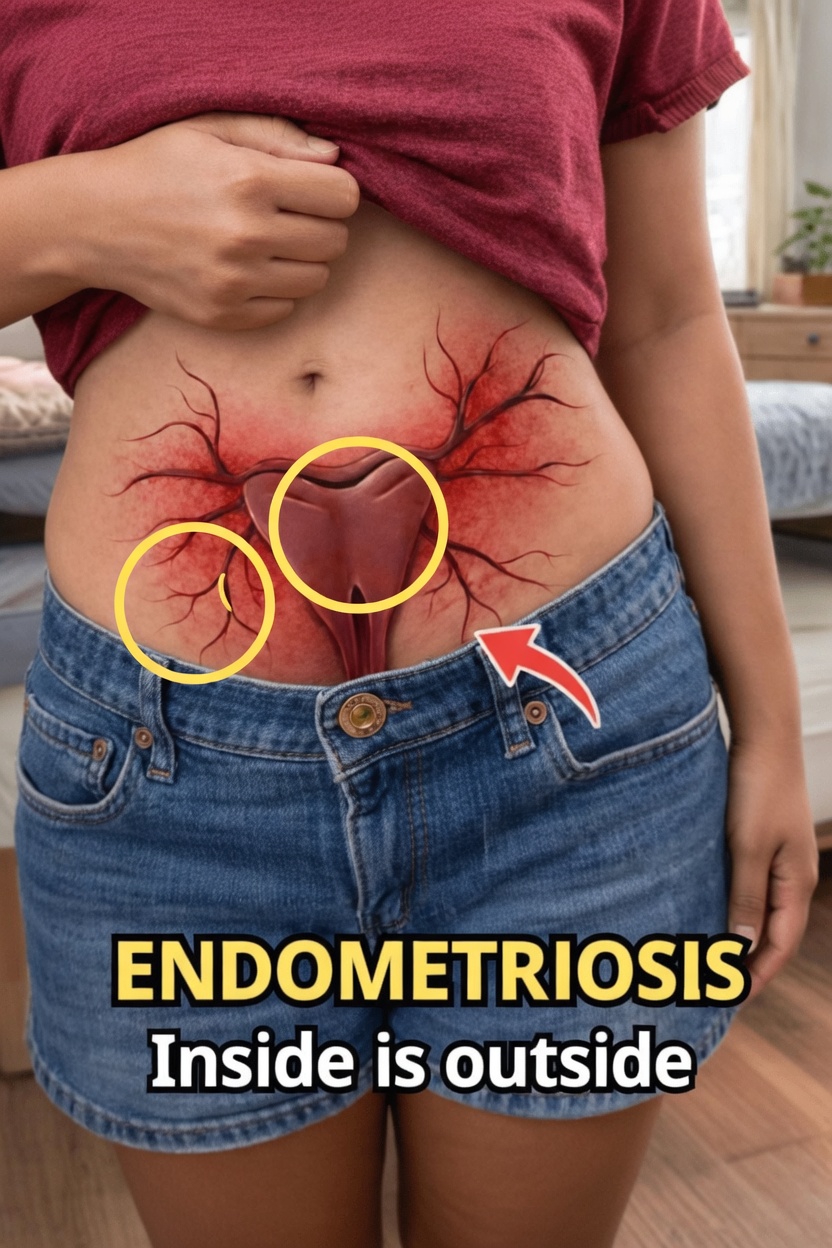
So what does endometriosis actually feel like in daily life?
Common Endometriosis Symptoms
Endometriosis symptoms can look very different from one woman to another. Some experience mild signs, while others deal with severe pain and major disruption each month.
Commonly reported symptoms include:
- Pelvic pain that begins before a period or continues after it ends
- Pain during or after sex
- Heavy periods or irregular bleeding
- Ongoing fatigue, even with enough rest
- Bloating, constipation, or diarrhea, especially around menstruation
- Trouble getting pregnant in some cases
These symptoms can make everyday tasks feel difficult and emotionally exhausting. Because pain is not always visible, many women say they feel alone or dismissed.
Why Early Awareness Is So Important
Knowing the warning signs of endometriosis can make it easier to have productive conversations with a healthcare provider. The earlier you notice patterns and document symptoms, the better equipped you will be during medical appointments.
Research shows that some women wait an average of 7 to 10 years before getting clearer answers about their symptoms. One major reason is that painful periods are often normalized as just part of being a woman. Changing that pattern starts with taking your symptoms seriously.
A simple symptom-tracking routine can help:
- Write down when pain happens and rate it from 1 to 10
- Record other symptoms such as fatigue, bloating, digestive issues, or mood changes
- Note whether symptoms affect sleep, work, exercise, or daily life
This information can be extremely useful when speaking with a doctor, as it creates a more complete picture of your experience.
Lifestyle Habits That May Help You Feel Better
There is no single solution that works for everyone with endometriosis. However, many women find that supportive daily habits can improve comfort and help them feel more in control.
You may benefit from the following approaches:
- Eat a balanced diet that includes anti-inflammatory foods like leafy greens, berries, nuts, olive oil, and fatty fish
- Drink enough water throughout the day
- Try gentle physical activity such as walking, swimming, or yoga when symptoms allow
- Use stress-management techniques like meditation or deep breathing
- Prioritize steady, high-quality sleep each night
These habits do not replace medical care, but they may work well alongside treatment recommendations from your healthcare provider.
When to See a Healthcare Provider
You should speak with a medical professional if pelvic pain regularly interferes with your normal routine or if your menstrual cycle changes in ways that concern you. A doctor can assess your symptoms and discuss possible next steps based on your personal health situation.
At your appointment, try to explain your symptoms as clearly as possible, including when they happen, how severe they are, and how they affect your life. Bringing a symptom journal or notes can help make the discussion more useful.
Many women feel uncomfortable talking about reproductive health. Still, it is important to remember that healthcare providers are there to listen, guide, and help you understand what may be happening in your body.
Frequently Asked Questions About Endometriosis
How common is endometriosis?
Endometriosis is estimated to affect around 10% of women during their reproductive years. That makes it one of the most common gynecological conditions.
Can endometriosis affect fertility?
Yes, for some women it can make getting pregnant more difficult. However, not everyone with endometriosis experiences fertility problems. A specialist can provide advice based on your individual circumstances.
Can symptoms be reduced?
Many women work with their doctors to find ways to reduce pain and improve quality of life. This may include lifestyle changes, symptom tracking, and other medical strategies tailored to personal needs.
Taking the Next Step
Understanding endometriosis is a meaningful step toward taking charge of your health. When you pay attention to your body and seek support when needed, you give yourself the chance to make informed decisions that support long-term well-being.
Every woman’s experience with endometriosis is different. What helps one person may need to be adjusted for another. The most important thing is to rely on trustworthy information and work closely with qualified healthcare professionals.
Important Note
This article is for informational purposes only and should not be considered medical advice. Always consult a qualified healthcare provider if you have concerns about your symptoms or health.