Natural Ways to Support Better Leg Circulation as You Age
Many adults notice that their legs feel heavy, achy, tired, or slightly swollen by the end of the day, and this tends to become more common with age. When circulation in the legs is less efficient, everyday tasks like standing, walking, or staying active can feel more uncomfortable than they used to. This can happen for several reasons, including long hours of sitting, reduced physical activity, gravity working against blood return, and gradual changes in vein strength over time.
The encouraging part is that improving leg comfort does not always require extreme measures. Small daily habits can help support healthy blood flow and better vein function in a practical, realistic way. This guide covers simple lifestyle strategies, circulation-supportive foods, and one fermented food-derived compound that has drawn growing interest in research. By the end, you will also have an easy daily routine that may help your legs feel lighter and more comfortable.
Why Healthy Leg Circulation Becomes More Important With Age
Blood circulation is essential because it carries oxygen and nutrients to tissues while helping remove waste products. In the legs, veins have the difficult job of moving blood upward, back toward the heart, against gravity. To do this effectively, the body depends on muscle movement, especially in the calves, along with strong vessel walls and healthy vein valves.
As the years pass, several factors can make this process less efficient:
- Sitting for long periods
- Lower overall activity levels
- Natural changes in vein elasticity
- Reduced muscular support for blood return
When circulation slows, blood may collect more easily in the lower legs, which can contribute to heaviness, discomfort, swelling, or visible vein concerns. Research suggests that healthy lifestyle habits can play an important role in supporting vascular function, comfort, and mobility in older adults.
Everyday Habits That Can Help Improve Blood Flow in the Legs
Experts in vascular health, including guidance commonly echoed by institutions such as Cleveland Clinic, often emphasize a few basic habits that can make a meaningful difference.
1. Keep Moving With Gentle Exercise
Regular movement is one of the most effective ways to encourage circulation. Walking is especially helpful because the calf muscles act like pumps, helping push blood upward through the veins.
Good low-impact options include:
- Walking for 20 to 30 minutes a day
- Swimming
- Water aerobics
- Light stretching
- Seated ankle circles or toe taps
Even brief movement breaks throughout the day can help if you spend a lot of time sitting.
2. Elevate Your Legs
Raising your legs above heart level while resting can help reduce blood pooling in the lower limbs. Try doing this for about 15 to 20 minutes a few times each day. This simple habit uses gravity in your favor and may support venous return.
3. Stay Well Hydrated
Hydration matters more than many people realize. When the body is dehydrated, blood can become more concentrated, making smooth circulation more difficult. Drinking enough water throughout the day helps maintain healthy blood volume.
Helpful fluid choices include:
- Water
- Herbal tea
- Other low-sugar, hydrating beverages
While movement and hydration are important, nutrition also plays a major role in circulation and vein support.
Foods and Nutrients That May Support Vein Health and Circulation
A well-balanced diet rich in whole foods can provide nutrients that help maintain vascular function. Some foods contain antioxidants, plant compounds, and vitamins that have been linked to circulation support in scientific studies.
Vitamin C-Rich Foods
Vitamin C helps the body produce collagen, which is important for maintaining strong blood vessel walls.
Good choices include:
- Oranges and other citrus fruits
- Berries
- Bell peppers
- Broccoli
Nitrate-Rich Vegetables
Natural dietary nitrates may help blood vessels relax, which can support smoother blood flow.
Examples include:
- Beets
- Spinach
- Arugula
- Other leafy greens
Flavonoid-Rich Foods
Flavonoids are plant compounds associated with antioxidant and anti-inflammatory effects, both of which may benefit vein comfort and vascular health.
Common sources are:
- Onions
- Garlic
- Berries
Omega-3 Sources
Omega-3 fats support heart and blood vessel health more broadly, which may also benefit circulation.
Consider adding:
- Salmon
- Sardines
- Mackerel
- Other fatty fish
Rather than focusing on just one “superfood,” a consistent whole-food approach is usually the most beneficial.
Nattokinase: A Fermented Food-Derived Option Getting Attention
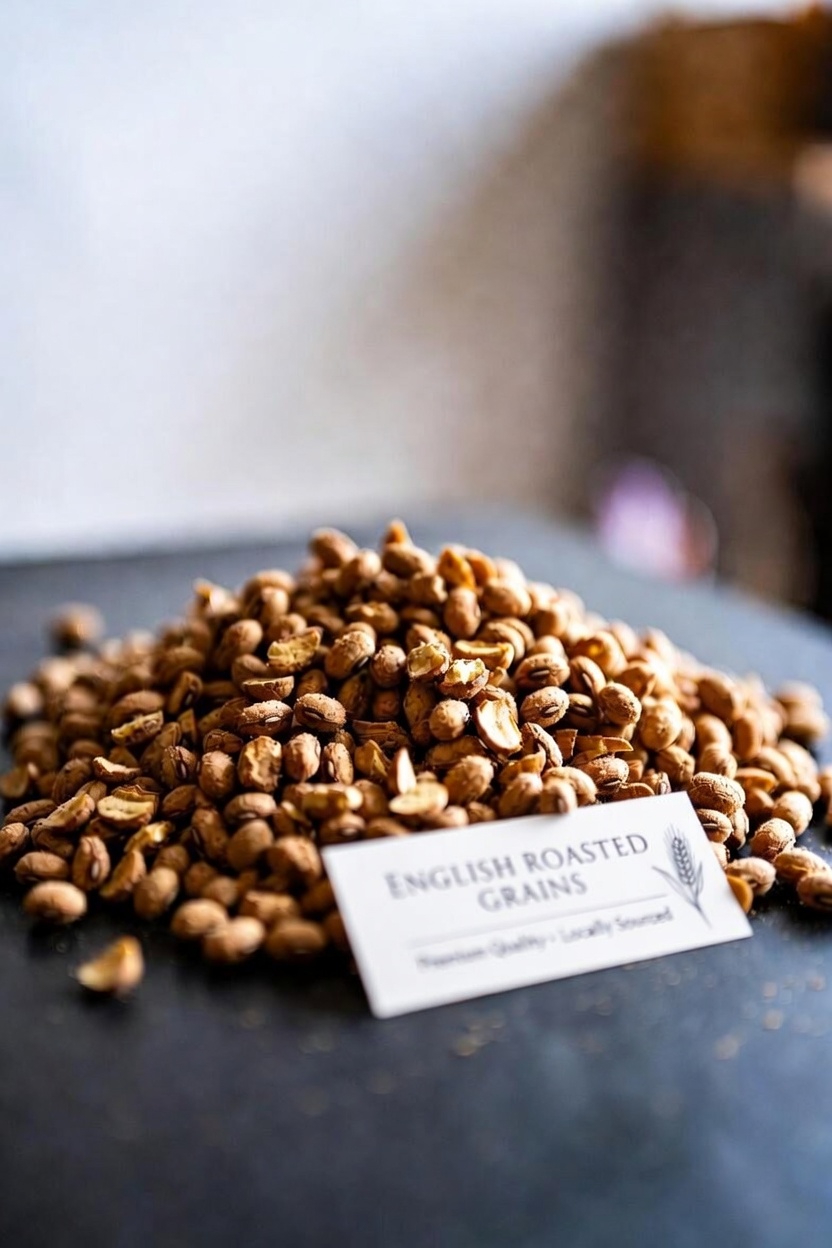
One natural compound attracting interest in circulation research is nattokinase, an enzyme derived from natto, a traditional Japanese food made from fermented soybeans. Scientists have explored nattokinase for its potential role in supporting the body’s normal mechanisms related to blood flow and healthy blood consistency.
Why is nattokinase being discussed so often?
- It comes from a traditional food that has been consumed in Japan for centuries.
- Laboratory research and some human studies suggest it may interact with fibrin, a protein involved in clotting, in ways that support normal circulation.
- Early findings have also looked at possible benefits related to cardiovascular markers, including blood pressure support in certain individuals.
Some people choose to use standardized nattokinase supplements, often as part of a daily wellness routine. A common approach is one capsule per day, but it is important to speak with a healthcare professional first, especially if you take medications or blood thinners.
Nattokinase is not a miracle solution, but it may be a useful option for people interested in natural, proactive support for circulation and vein comfort.
A Simple Daily Routine for Better Leg Comfort
Building circulation-friendly habits does not have to be complicated. A simple routine can make it easier to stay consistent.
Morning
Start your day with 10 minutes of gentle leg movement before getting fully active.
Try:
- Ankle rotations
- Light stretches
- Flexing and pointing your toes in bed
This can help wake up the legs and get blood moving early.
Midday
Take a 20-minute walk if possible. It does not need to be intense. A relaxed walk around your home, yard, or neighborhood is enough to activate the calf muscles.
Afternoon
Set aside 15 minutes to elevate your legs while reading, resting, or watching television. This can be a helpful reset if your legs feel tired later in the day.
Evening
Include foods that support circulation at dinner.
An easy example:
- Leafy green salad
- Sliced beets
- Fresh berries
- A balanced meal with healthy protein
All Day Long
Keep water nearby and drink regularly instead of waiting until you feel thirsty. If you are interested in nattokinase, this is also something to discuss with your doctor so you can get advice based on your health history.
The key is consistency. Small daily actions often matter more than occasional big efforts.
Extra Tips for Daily Vein Support
A few additional habits can further support long-term leg comfort:
- Wear compression socks if your healthcare provider recommends them
- Avoid staying seated or standing in one position for too long
- Change posture often and take short movement breaks
- Maintain a healthy body weight to reduce pressure on the veins in the legs
These are all commonly recommended strategies for promoting vein health and reducing daily discomfort.
Conclusion: Gentle Daily Habits Can Make a Real Difference
Supporting healthy leg circulation does not have to involve drastic changes. Regular movement, leg elevation, proper hydration, and nutrient-rich foods can all help improve comfort over time. For those exploring natural options, nattokinase is an interesting fermented food-based compound that has shown promise in ongoing research.
Start with simple steps, pay attention to how your legs feel, and stay consistent. Over time, even modest habits can add up to noticeable improvements in daily comfort and mobility.
Frequently Asked Questions
What causes poor circulation in the legs in older adults?
It is often linked to lower activity levels, the effect of gravity on blood returning from the legs, and age-related changes in blood vessel flexibility and vein support. Daily habits also play a major role.
How soon can you notice improvement in leg circulation?
Some people begin to feel relief within a few weeks of consistent walking, hydration, and leg elevation. However, results vary depending on the person and the cause of the issue.
Is nattokinase safe to try?
Nattokinase has shown potential in research, but you should speak with a doctor before using it, especially if you take blood thinners or other medications that may interact with it.