Fenugreek Seeds: A Traditional Ingredient with Modern Wellness Potential
In a busy lifestyle, many people find it difficult to keep blood sugar balanced, maintain healthy cholesterol levels, and support overall well-being. Over time, these issues may contribute to low energy, physical discomfort, and worries about future health. The encouraging part is that small daily habits, including the use of nutrient-dense foods, may provide meaningful support. One natural option that has attracted growing attention is fenugreek seeds, a plant ingredient valued in traditional wellness systems for centuries. So, what does current research suggest? Let’s take a closer look, and toward the end, you’ll find simple and safe ways to add them to your routine.
What Are Fenugreek Seeds?
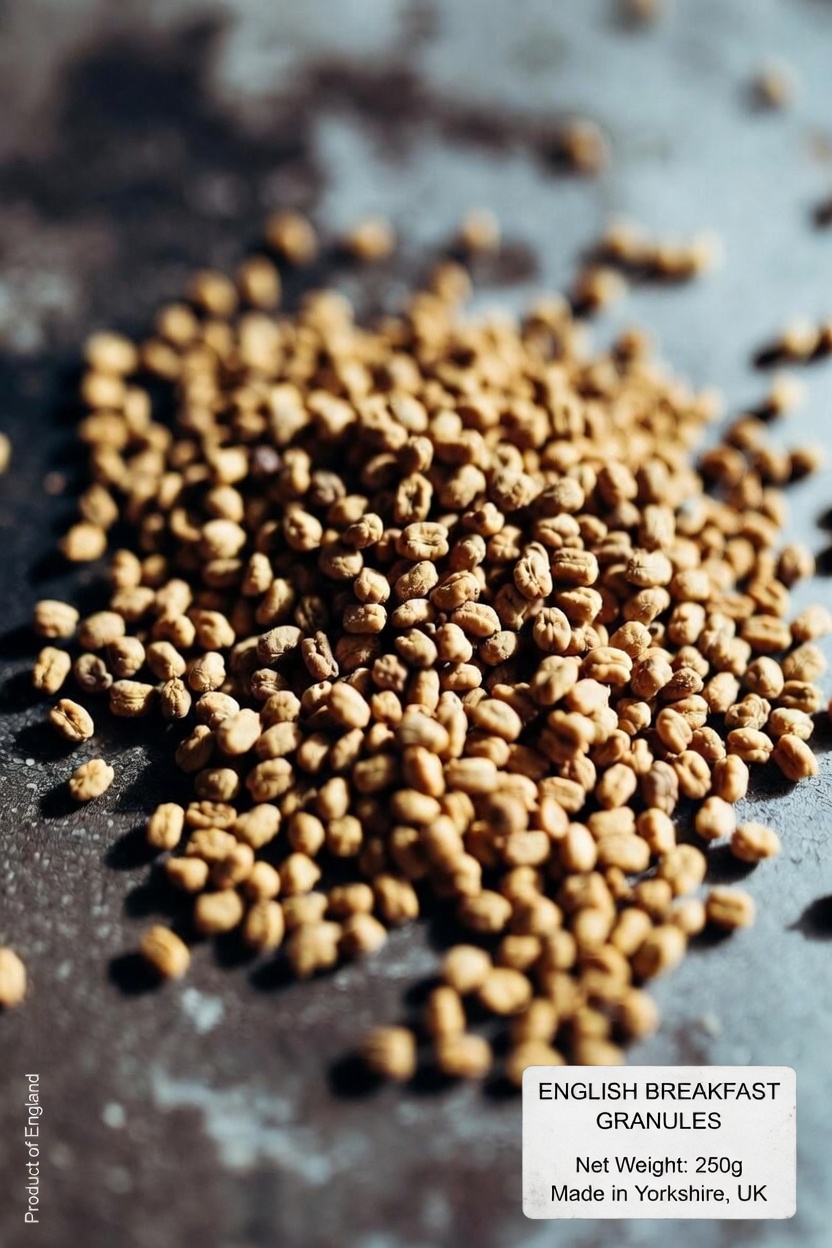
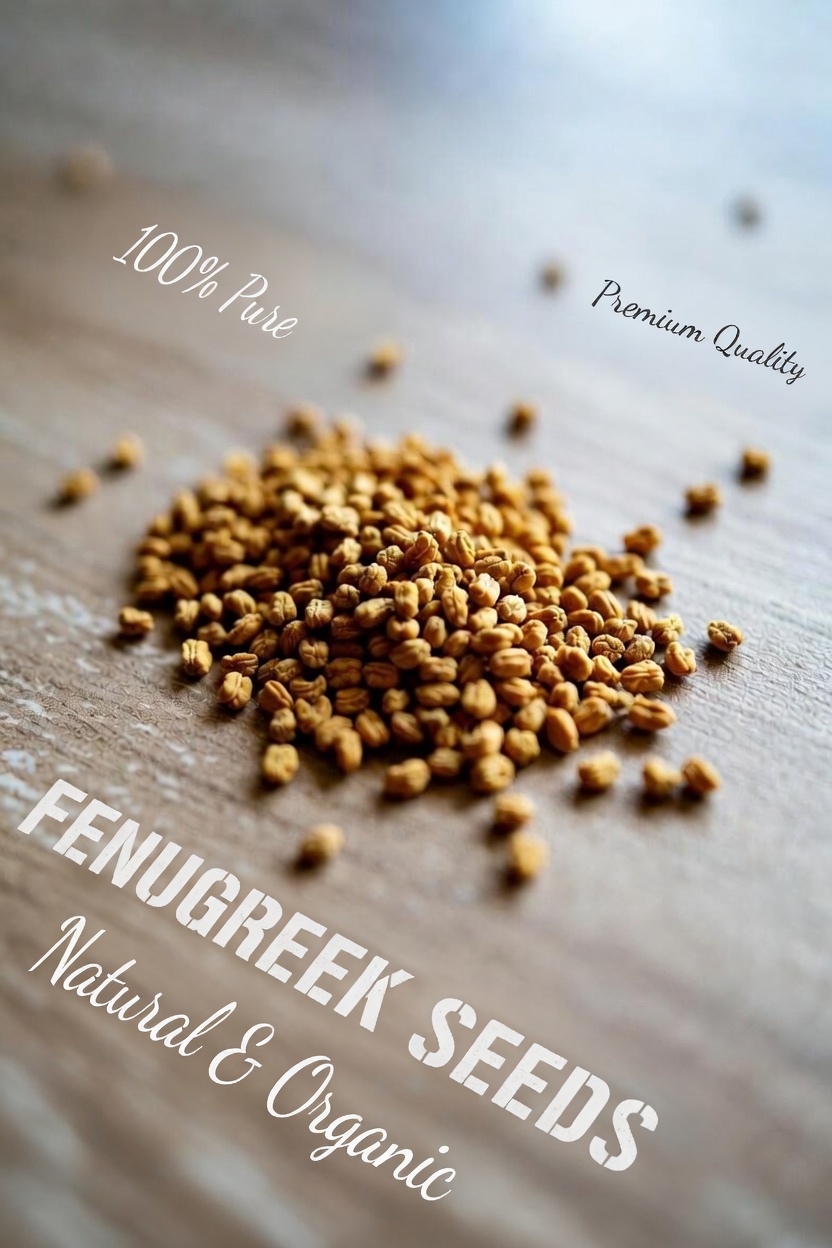
Fenugreek, or Trigonella foenum-graecum, is a member of the legume family. Its seeds are small, golden-brown, and known for a mildly bitter taste with a maple-like aroma. For thousands of years, they have been used both in food and in traditional health practices.
These seeds contain several valuable nutrients and plant compounds, including:
- Soluble fiber
- Protein
- Galactomannans
- Saponins
- Alkaloids
Research often emphasizes fenugreek’s high fiber content, which may affect digestion and the way nutrients, especially carbohydrates, are absorbed.

Fenugreek and Blood Sugar Support
One of the most researched benefits of fenugreek involves its possible role in promoting healthier blood sugar control, particularly in individuals with prediabetes or type 2 diabetes.
Reviews and meta-analyses of randomized controlled trials indicate that fenugreek supplementation may help reduce fasting blood glucose and improve long-term markers such as HbA1c. A major reason may be its soluble fiber, which can slow the absorption of carbohydrates in the digestive tract. This slower process may help prevent sharp blood sugar spikes after eating.
There is more to consider as well.
Some studies also suggest that fenugreek may improve insulin sensitivity, although findings are not completely consistent. While the results are promising, stronger and better-designed clinical trials are still needed to confirm the full extent of these effects.
Possible Benefits for Heart Health and Cholesterol
Fenugreek may also support cardiovascular health, especially through its influence on blood lipids.
Several scientific reviews report that fenugreek has shown potential to:
- Lower total cholesterol
- Reduce LDL cholesterol, often called “bad” cholesterol
- Decrease triglycerides
- In some cases, raise HDL cholesterol, known as “good” cholesterol
There is also limited evidence suggesting modest improvements in blood pressure, including small reductions in systolic pressure.
These effects are commonly linked to the seed’s fiber and saponins, which may interact with fats in the digestive system and reduce their absorption.
Key Lipid Changes Reported in Research
Meta-analyses commonly describe the following patterns:
- Total cholesterol: Often shows noticeable reductions in groups taking fenugreek
- LDL cholesterol: Frequently decreases
- Triglycerides: Commonly decline
- HDL cholesterol: May increase in some cases
Results can vary from person to person depending on factors such as:
- Dosage
- Length of use
- Overall diet and lifestyle
Other Potential Areas of Interest
Beyond blood sugar and cholesterol, early research has explored fenugreek for its antioxidant and anti-inflammatory properties. Laboratory and animal studies suggest that it may help protect against oxidative stress, a process associated with aging and various health concerns.
Traditionally, fenugreek has also been used to:
- Support digestion
- Provide minerals such as iron and magnesium
- Contribute to general nutritional intake
That said, the scientific evidence behind many of these broader uses is still limited. Fenugreek should be viewed as a supportive dietary addition, not as a replacement for professional medical treatment.
How to Add Fenugreek Seeds to Your Daily Routine
If you want to try fenugreek seeds, it is best to begin with a small amount. Research commonly uses around 5 to 25 grams of seeds per day, or an equivalent form, but starting low is a smart approach.
Here are some practical ways to use them:
1. Soak Them Overnight
- Put 1 to 2 teaspoons of fenugreek seeds in water before going to sleep
- In the morning, drink the water and eat the softened seeds
This method may make them easier to digest.
2. Sprout the Seeds
- Soak the seeds for 8 to 12 hours
- Rinse them well
- Leave them to sprout for 1 to 2 days
Sprouted fenugreek can be added to salads or grain bowls for a crisp texture.
3. Mix Them into Food
- Grind the seeds into a powder
- Sprinkle the powder over yogurt, soups, curries, or cooked vegetables
- Lightly roast them first if you want to reduce the bitterness
4. Make Fenugreek Tea
- Boil 1 teaspoon of seeds in water for 5 to 10 minutes
- Strain the liquid
- Sip it warm
Before using fenugreek regularly, speak with a healthcare professional, especially if you have diabetes, use prescription medication, or are pregnant.
Frequently Asked Questions
How much fenugreek can I take each day?
Studies often use 5 to 30 grams of seeds or 1 to 5 grams of extract daily. For beginners, starting with 1 to 2 teaspoons is usually a more practical way to test tolerance.
Does fenugreek cause side effects?
Some people experience mild digestive issues, such as bloating or stomach discomfort. A maple-like body odor can also occur. Allergic reactions are rare but possible.
Can fenugreek replace prescription medicine?
No. Fenugreek may support a healthy lifestyle, but it should not replace prescribed treatment unless a qualified healthcare provider advises otherwise.
Is it safe to use fenugreek for a long time?
Most research suggests good tolerance at standard amounts, but if you plan to use it consistently, it is wise to check in with your doctor and monitor your response.
Who should be careful with fenugreek?
Extra caution may be needed for people who:
- Have hormone-sensitive conditions
- Are allergic to legumes
- Have surgery scheduled
- Are pregnant
- Take medications that affect blood sugar or blood clotting
Final Thoughts
Fenugreek seeds are an ancient food with growing scientific interest behind them. Evidence suggests they may help support blood sugar balance, cholesterol management, and aspects of overall wellness. Still, their greatest value comes when they are part of a broader routine built on consistent, balanced habits.