Pecans and Prostate Health: A Smart Food Choice for Men Over 50
As men get older, prostate health often becomes a growing concern. One of the most common age-related conditions is an enlarged prostate, or benign prostatic hyperplasia (BPH). This issue can cause bothersome urinary symptoms such as frequent bathroom visits, trouble starting urination, or a weak urine stream.
These symptoms can interfere with daily life, disrupt sleep, and reduce overall comfort. Although no single food can solve prostate problems overnight, research continues to highlight nutrient-dense foods that may help support prostate health when included in a balanced diet. Among these foods, pecans have gained attention for their unique nutritional profile and potential benefits.
Why Pecans Deserve Attention
Pecans are not only flavorful and satisfying, but they also stand out nutritionally. Compared with many other nuts, pecans are especially rich in antioxidants. Data from organizations such as the U.S. Department of Agriculture has identified pecans as having strong antioxidant activity, largely due to compounds like certain forms of vitamin E, ellagic acid, and flavonoids.
These nutrients may help reduce oxidative stress, which is linked to a wide range of long-term health issues. Large population studies have also shown that people who regularly eat nuts, including tree nuts like pecans, often experience better overall health outcomes.
Important Nutrients in Pecans That May Support the Prostate
Researchers interested in men’s health have focused on several key compounds found in pecans.
-
Gamma-tocopherol: Pecans contain notable amounts of gamma-tocopherol, a form of vitamin E that is less commonly discussed than alpha-tocopherol. Laboratory research, including studies from Purdue University, suggests gamma-tocopherol may influence prostate and lung cell lines by disrupting certain harmful cellular processes while leaving healthy cells less affected. These findings are still early and come from controlled lab environments, but they have sparked interest in the role this nutrient may play in maintaining cellular health.
-
Beta-sitosterol: This plant sterol is naturally present in pecans and has been studied for its possible effect on symptoms associated with BPH. Some research suggests that consuming around two ounces of pecans per day can supply a useful amount of beta-sitosterol, which has been linked in some studies to better urinary flow in men with enlarged prostates.
-
Fiber, healthy fats, and minerals: Pecans also provide heart-friendly fats, fiber, and essential minerals. These nutrients fit well into dietary patterns often recommended for overall prostate wellness and healthy aging.
There is also broader evidence worth noting. In large observational research, including the Health Professionals Follow-up Study, men with prostate cancer who ate tree nuts such as pecans five or more times per week had a lower risk of death from all causes compared with those who ate them less often.
What Research Says About Nuts and Prostate Health
Studies on nut intake and prostate health offer a mixed but interesting picture. Population-based research gives useful insight, even if it does not prove cause and effect.
A study published in the British Journal of Cancer found no clear evidence that eating nuts directly lowers the chance of developing prostate cancer. However, among men who had already been diagnosed, regular nut consumption was linked to better survival outcomes.
Other large studies, including the NIH-AARP Diet and Health Study, suggest that eating nuts more than three to four times per week may be associated with a slightly lower overall risk of prostate cancer in certain groups.
Meta-analyses generally do not show a strong overall relationship between total nut consumption and prostate cancer incidence. Still, researchers note that more detailed studies are needed on specific nuts, including pecans. The lab findings on gamma-tocopherol make pecans especially interesting, but human clinical trials are still limited.
The most important takeaway is that current evidence points to possible associations, not guaranteed effects. Much of the available data comes from observational studies and early laboratory work.
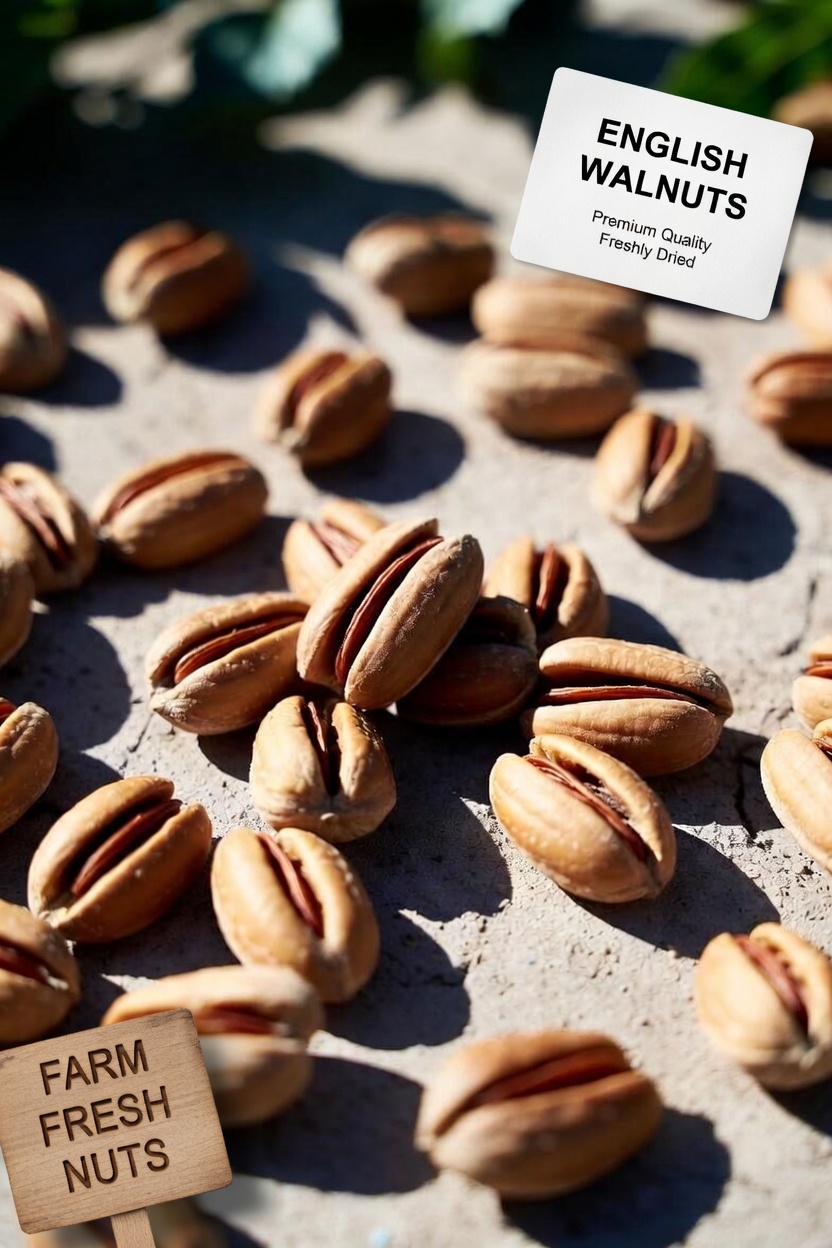
Easy Ways to Add Pecans to Your Diet
Making pecans part of your routine does not have to be complicated. A few simple habits can make a difference over time.
- Begin with a small serving: A one-ounce handful is a practical portion for most days and helps manage calorie intake.
- Add them to meals: Sprinkle chopped pecans over oatmeal, yogurt, or salads for extra texture and nutrition.
- Use them in baking: Ground pecans can replace part of the flour or oil in breads, muffins, or other baked foods.
- Combine with produce: Pair pecans with fruit or vegetables to create a more balanced snack and support steadier blood sugar levels.
Long-term consistency matters more than being perfect. Including pecans regularly over several weeks may be more meaningful than occasional large portions.
Pecans Compared With Other Nuts for Prostate Support
Different nuts offer different nutritional strengths. Including a variety can help you benefit from a broader range of protective compounds.
| Nut Type | Key Nutrient Highlight | Potential Prostate Connection | Serving Idea |
|---|---|---|---|
| Pecans | High in gamma-tocopherol and beta-sitosterol | Lab-based cellular effects; possible support for BPH symptoms | 1-ounce handful |
| Walnuts | Omega-3 fats and ellagic acid | Anti-inflammatory properties; supportive lab findings | Add to salads |
| Almonds | Alpha-tocopherol vitamin E and fiber | General antioxidant support | Use as a yogurt topping |
| Brazil nuts | Selenium | Mineral linked to prostate cell protection | 2 to 3 nuts daily |
Eating a mix of nuts can keep your diet interesting while delivering overlapping health benefits.
Other Lifestyle Habits That Help Prostate Wellness
Diet matters, but it is only one part of the picture. For better prostate support, combine smart food choices with other healthy habits:
- Stay physically active: Regular exercise can support hormone balance and help lower inflammation.
- Maintain a healthy body weight: Excess body fat may increase the risk of prostate-related problems.
- Eat more plant foods: Cruciferous vegetables, tomatoes, berries, and other colorful produce provide valuable antioxidants.
- Reduce processed foods: Limiting red meat and processed meats may support better long-term health.
These habits tend to work best together rather than in isolation.

Frequently Asked Questions
How many pecans should I eat to support prostate health?
Most research suggests that one to two ounces per day, or eating pecans several times a week, is a reasonable amount within a balanced diet.
Are there any risks to eating pecans regularly?
Pecans are nutritious, but they are also calorie-dense. Watching portion size can help prevent unwanted weight gain. Anyone with a tree nut allergy should avoid pecans completely.
Can pecans replace medical treatment for prostate issues?
No. Pecans may be a helpful part of a healthy lifestyle, but they are not a substitute for medical care, professional screening, or prescribed treatment.
Final Thoughts
Pecans offer a combination of antioxidants, plant sterols, healthy fats, and fiber that makes them a promising addition to a prostate-friendly eating plan. While the evidence is still developing, studies suggest they may play a supportive role, especially when combined with other healthy habits.
For men over 50 looking to protect prostate health naturally, adding pecans to a balanced diet is a simple and enjoyable step. Before making significant dietary changes, especially if you already have a health condition, it is always best to speak with your healthcare provider.