
Baking Soda for Everyday Comfort: Gentle Uses for Digestion, Oral Care, and Skin Relief
Many older adults experience occasional digestive upset, minor mouth irritation, or routine skin dryness that can make daily life less comfortable. These common concerns are often linked to diet, natural changes that come with age, or environmental factors. As a result, small discomforts can interfere with normal routines and overall ease.
One simple household ingredient that has long been used in home care is baking soda, also called sodium bicarbonate. When used carefully, this familiar pantry staple may offer mild support for digestive balance, fresher breath, and temporary skin soothing.
What makes it especially interesting is that baking soda is inexpensive, easy to find, and often underestimated. When added thoughtfully to daily habits, it may provide practical benefits supported by everyday experience and some scientific evidence. Below, you’ll find safe ways to use it and important precautions to keep in mind.

Why Baking Soda Is Commonly Used for Everyday Relief
Baking soda is a mildly alkaline compound. Because of this, it can react with acids and help reduce excess acidity in certain situations. Sources such as Healthline and WebMD note that this is why sodium bicarbonate is often included in over-the-counter antacid products.
Research suggests it may provide temporary relief from occasional heartburn or indigestion by neutralizing extra stomach acid, especially after meals. This basic function is one of the main reasons many people turn to baking soda as a simple at-home option.
Its usefulness, however, is not limited to digestion. Baking soda is also commonly used in oral care and skin-soothing routines.
A Simple Option for Digestive Comfort
Mild indigestion, bloating, or occasional acid reflux can leave you feeling uncomfortable, particularly after large meals or certain trigger foods. In small amounts, baking soda may help by quickly reducing stomach acidity.
Reviews from trusted health sources, including Mayo Clinic, recognize sodium bicarbonate as a short-term aid for occasional digestive discomfort. A small amount dissolved in water is a common approach many people use when symptoms appear from time to time.
How to Use It Safely for Occasional Indigestion
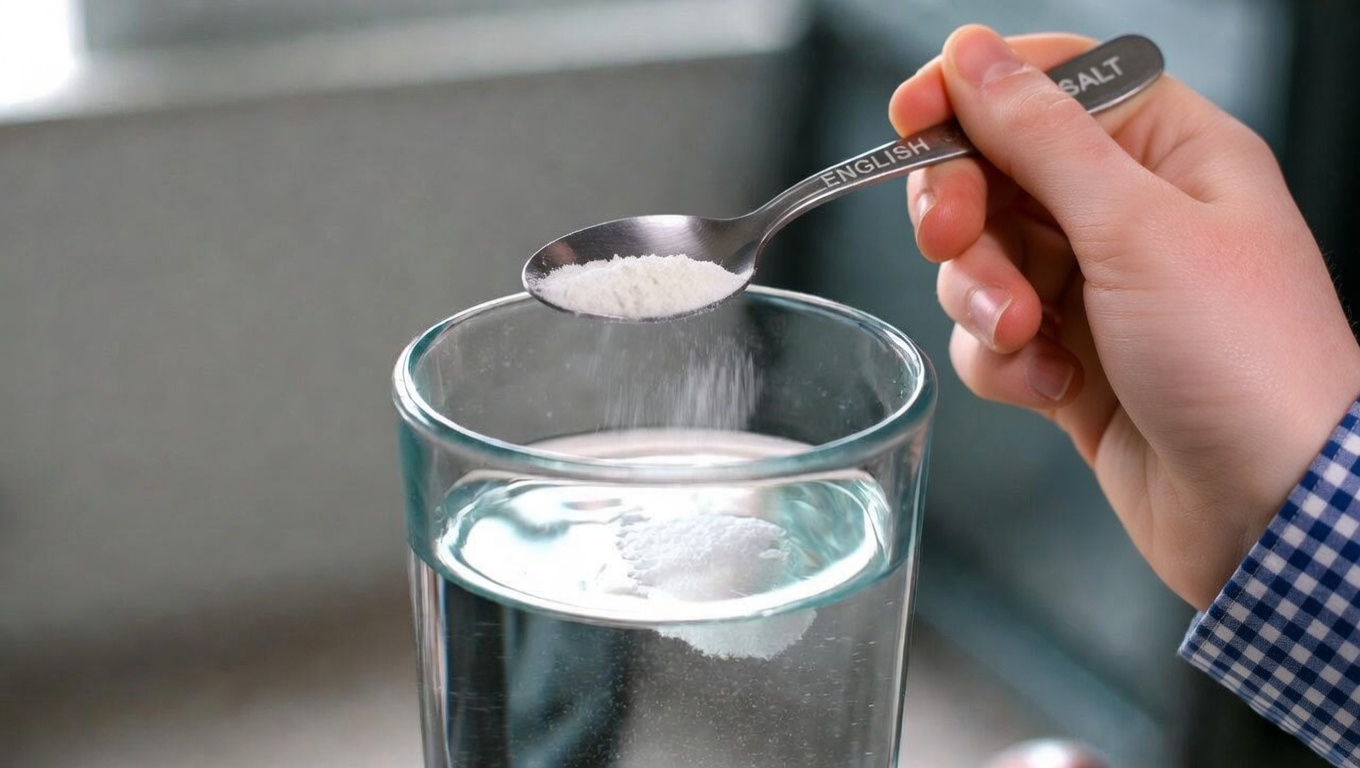
- Measure 1/4 to 1/2 teaspoon of baking soda. Start with the smaller amount first.
- Dissolve it fully in 4 to 8 ounces of cool water.
- Drink it slowly after a meal if needed.
- Do not continue this practice for more than two weeks in a row unless a healthcare professional advises otherwise.
While this can be helpful for temporary relief, it should not become a long-term habit without medical guidance.
Baking Soda in Oral Care Routines
Keeping the mouth clean and breath fresh becomes increasingly important with age. Baking soda can support daily oral hygiene in a few simple ways. Its mild abrasive texture may help lift surface stains, while its alkalizing effect can reduce the acidity in the mouth that encourages plaque formation.
Studies referenced by sources like Healthline suggest that baking soda in toothpaste or mouth rinses can help create a cleaner oral environment by counteracting acids produced by bacteria. Many people report fresher breath and smoother-feeling teeth when it is used gently and occasionally.
Easy Ways to Use Baking Soda for Oral Freshness
- As a light polishing boost: Add a small pinch of baking soda to your regular toothpaste once or twice a week.
- As a mouth rinse: Mix 1/2 teaspoon into a glass of warm water, swish for about 30 seconds, and spit it out.
- For occasional use only: Avoid using it too often, since excessive abrasion may wear down enamel over time.
This makes baking soda a simple addition to an oral care routine without adding unnecessary complexity.
Soothing Dry Skin and Minor Irritation
Dry, itchy, or mildly irritated skin can be especially bothersome for older adults. When used on the skin, baking soda may offer short-term comfort in certain situations.
Dermatology-based guidance and sources such as WebMD suggest that baking soda baths or simple topical mixtures may help calm minor irritation by balancing pH and providing a soothing effect. It is often used for temporary issues such as dryness, minor itching, or bug bites.
Practical Skin Uses to Try
- Bath soak: Add 1/2 cup of baking soda to warm bathwater and soak for 15 to 20 minutes to ease general dryness.
- Spot-treatment paste: Mix 1 to 2 teaspoons of baking soda with a little water to form a paste. Apply it to a small itchy area for about 10 minutes, then rinse well.
- Foot soak: Stir a few tablespoons into warm water for a relaxing foot bath after a long day.
Before applying baking soda more broadly, test it on a small patch of skin first to make sure it does not cause irritation.
Important Safety Tips Before You Use It
Although baking soda is generally recognized as safe by the FDA for certain food-related and household purposes, more is not better. Excessive or prolonged use may lead to unwanted effects such as bloating, gas, or disturbances in electrolyte balance.
Key Precautions to Remember
- Use small amounts only: For internal use, do not exceed 1/2 teaspoon per serving.
- Avoid long-term daily use: It is best suited for occasional, short-term support.
- Talk to your doctor first if you have:
- high blood pressure
- kidney problems
- heart disease
- a low-sodium diet
- Be careful with medications: Baking soda can interfere with how some medicines are absorbed if taken too close together.
- Pregnant individuals and children: Professional medical advice is recommended before use.
Research consistently points out that while short-term use is often tolerated well, overuse can upset the body’s natural acid-base balance.
Quick Comparison of Common Uses
| Use Area | How It May Help | Typical Amount | Suggested Frequency | Important Note |
|---|---|---|---|---|
| Digestive support | Helps neutralize occasional excess stomach acid | 1/4 to 1/2 tsp in water | Short-term, only when needed | Sip slowly and stay within limits |
| Oral freshness | Reduces acidity in the mouth and offers mild cleaning | Pinch with toothpaste or rinse | 1 to 2 times weekly | Avoid overuse to protect enamel |
| Skin soothing | May calm dryness or minor itching | 1/2 cup in bath or small paste | As needed, 1 to 2 times weekly | Rinse well after use |
This table offers a quick overview of where baking soda may fit into a simple wellness routine.
Final Thoughts: A Low-Cost Tool for Everyday Wellness
Baking soda remains a versatile and budget-friendly option for supporting everyday comfort. Whether used for occasional digestive relief, fresher breath, or temporary skin soothing, its acid-balancing properties have made it a trusted household remedy for generations.
The key is to use it carefully. Start with small amounts, pay attention to how your body responds, and always put safety first. While baking soda can be a helpful addition to home care, it should never replace professional medical advice or treatment when symptoms persist.
Frequently Asked Questions
Is baking soda safe to use every day in small amounts?
For most healthy adults, occasional short-term use appears to be well tolerated, according to sources such as Mayo Clinic and WebMD. However, taking it daily over a long period is not advised without medical supervision because of the risk of excess sodium intake and other imbalances.
Can baking soda replace antacids or toothpaste?
Not completely. It may be useful as an occasional supplement to regular products, but it should not take the place of approved antacids, toothpaste, or other standard care items used consistently.
What should I do if I notice side effects?
Stop using it right away if you develop symptoms such as swelling, stomach pain, or unusual tiredness. Contact a healthcare provider promptly if anything feels concerning.