Four Common Weeds That Are Secretly Powerful Healing Plants
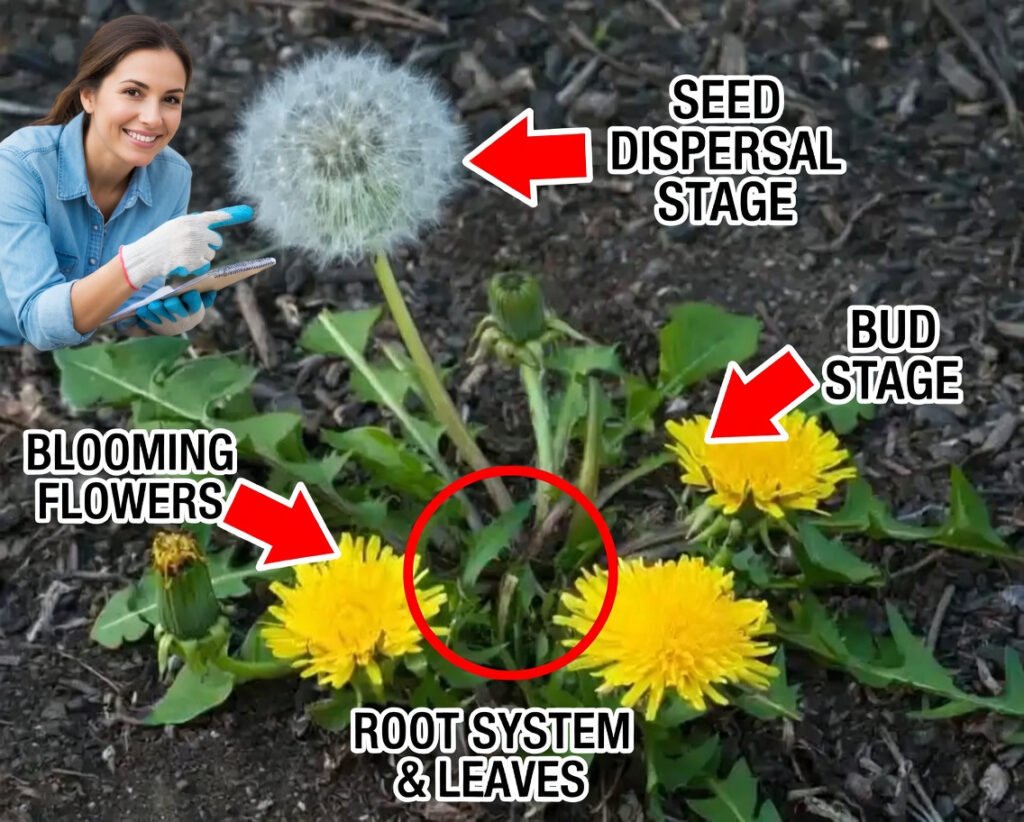
What if the plants you usually pull from your yard were actually some of nature’s most useful gifts? Many so-called weeds are rich in nutrients, valued in traditional remedies, and surprisingly versatile in everyday life. Four of the most common examples are dandelion, purslane, broadleaf plantain, and yarrow.
Instead of seeing them as garden nuisances, it may be time to recognize their hidden value.
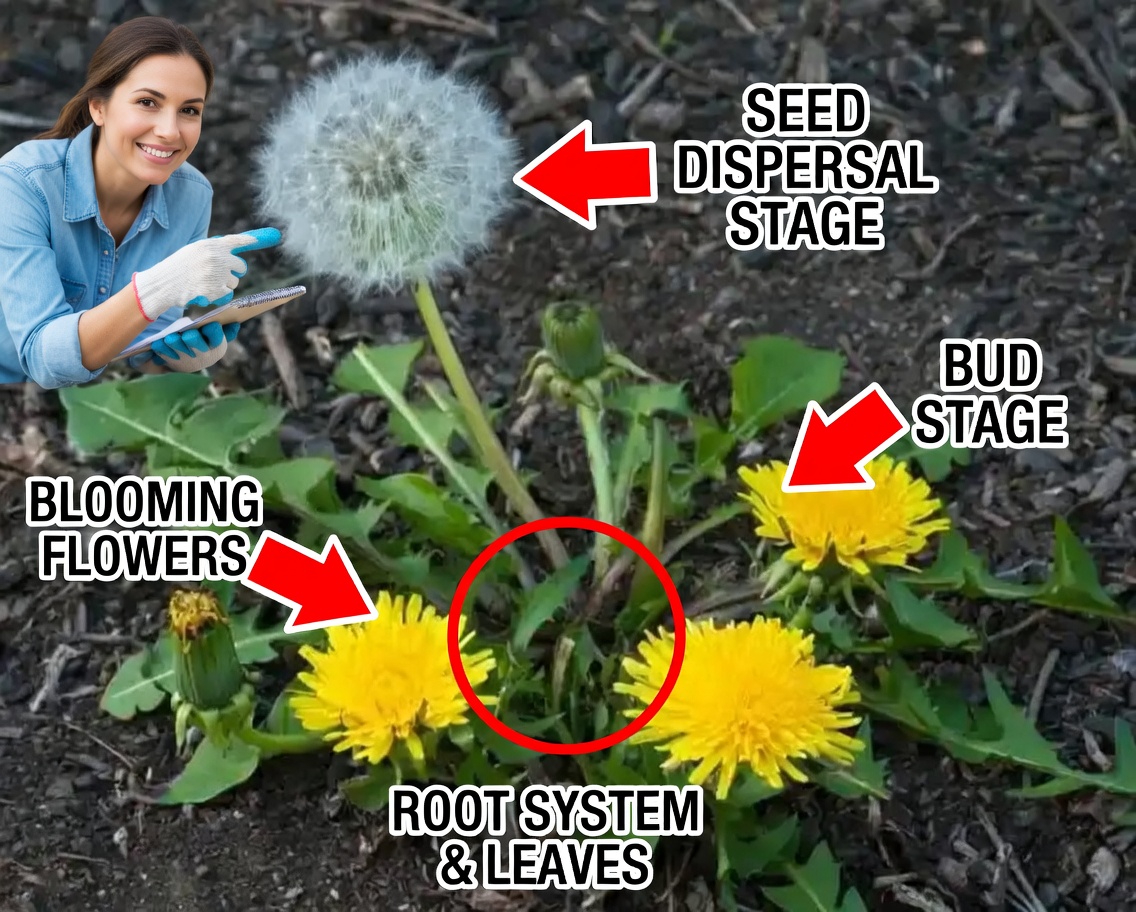
Dandelion (Taraxacum officinale)
Dandelion is often treated like an unwelcome guest in lawns and flower beds, yet this familiar yellow plant is packed with nutrition and wellness-supporting properties.

Key Benefits of Dandelion
- Loaded with vitamins: Dandelion provides vitamins A, C, K, along with several important B vitamins.
- Supports liver function: It may encourage bile production, helping the liver work more efficiently.
- Promotes digestion: Known as a natural diuretic, it can also assist with digestive discomfort.
- Helps calm skin issues: Its anti-inflammatory qualities may soothe minor skin concerns such as acne or eczema.
- May support blood sugar balance: Some evidence suggests it can help with glucose regulation.
- Strengthens bones: With calcium and vitamin K, dandelion contributes to bone health.
Ways to Use Dandelion
- Tea: Dry the roots and leaves, then steep them in hot water for a cleansing herbal tea.
- Salads: Young leaves can be added fresh to salads for extra nutrients.
- Topical paste: Crushed leaves may be applied to mild skin irritations.

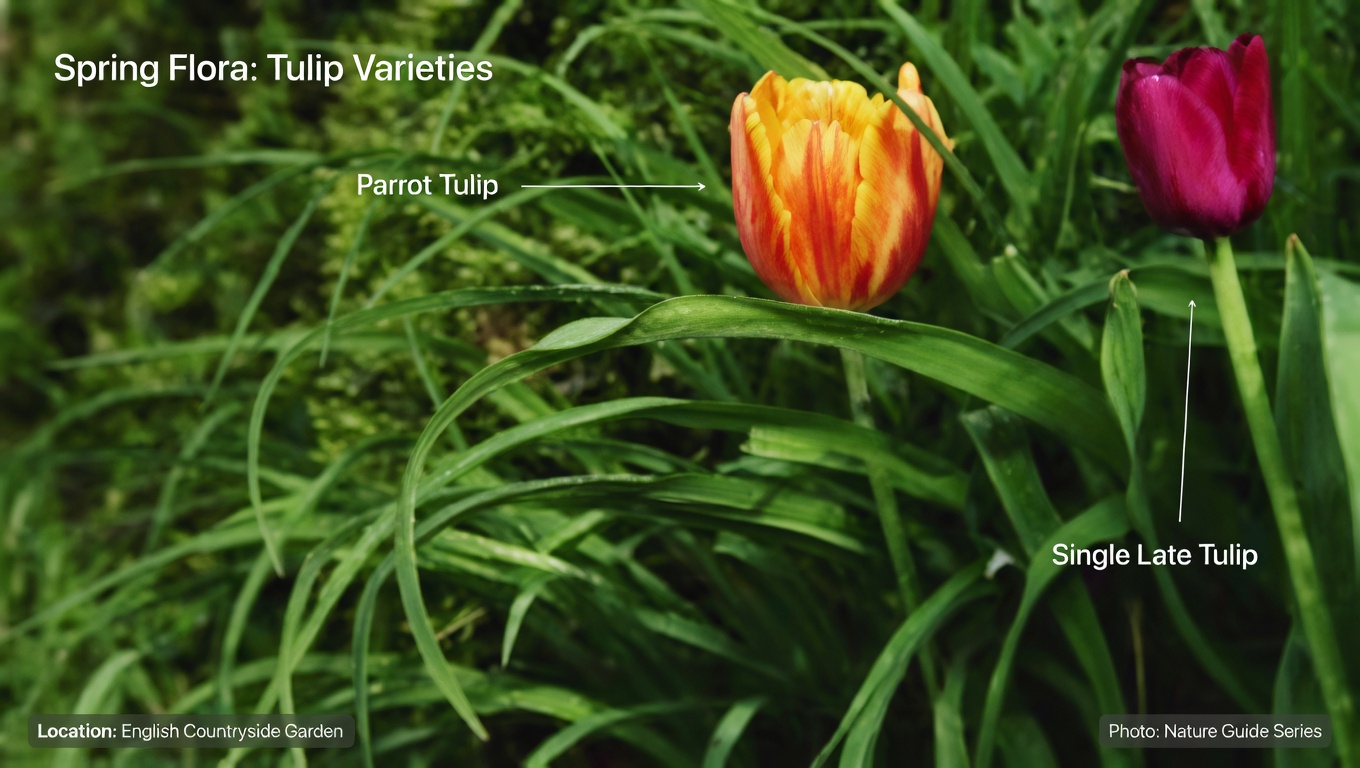
Purslane (Portulaca oleracea)
Purslane commonly appears in sidewalk cracks, containers, and garden beds, but this modest plant is actually a remarkable source of nutrition.
Key Benefits of Purslane
- High in omega-3 fatty acids: It contains more omega-3s than many leafy greens, which is beneficial for heart health.
- Rich in antioxidants: Purslane offers vitamin E, beta-carotene, and glutathione.
- Helps reduce inflammation: Its natural compounds may support the body’s inflammatory response.
- Excellent for hydration: With its high water content, it is especially useful in warm-weather meals.
- Supports weight management: Low in calories and high in fiber, it can improve fullness and digestion.
- Good for the heart: Its magnesium and potassium help support cardiovascular function.
- May assist wound recovery: Certain compounds in the plant are linked to faster healing.
Ways to Use Purslane
- Eat it raw: After washing well, add it to salads or sandwiches for a crisp, slightly tangy taste.
- Blend it into juice: Mix with other greens for a refreshing drink.
- Cook it lightly: Sauté with garlic and olive oil for a simple side dish.

Broadleaf Plantain (Plantago major)
Broadleaf plantain is one of the most overlooked wild plants, yet it has long been used as a practical natural remedy for skin, digestion, and more.
Key Benefits of Broadleaf Plantain
- Supports skin repair: Commonly used for cuts, burns, and insect bites.
- Helps the respiratory system: It may calm coughs and loosen mucus.
- Aids digestion: Plantain can help ease both diarrhea and constipation.
- Offers antibacterial action: When used on the skin, it may help protect against infection.
- Encourages detoxification: Its diuretic effect helps the body remove waste through urine.
- Soothes joints: Anti-inflammatory properties may reduce joint discomfort.
- Boosts immunity: It contains vitamins C and A, both important for immune health.

Ways to Use Broadleaf Plantain
- Poultice: Crush fresh leaves and place them directly on bites, cuts, or minor wounds.
- Tea: Boil dried leaves to make a soothing tea for digestion or respiratory support.
- Infused oil: Soak the leaves in olive oil to create a natural skin-friendly salve.
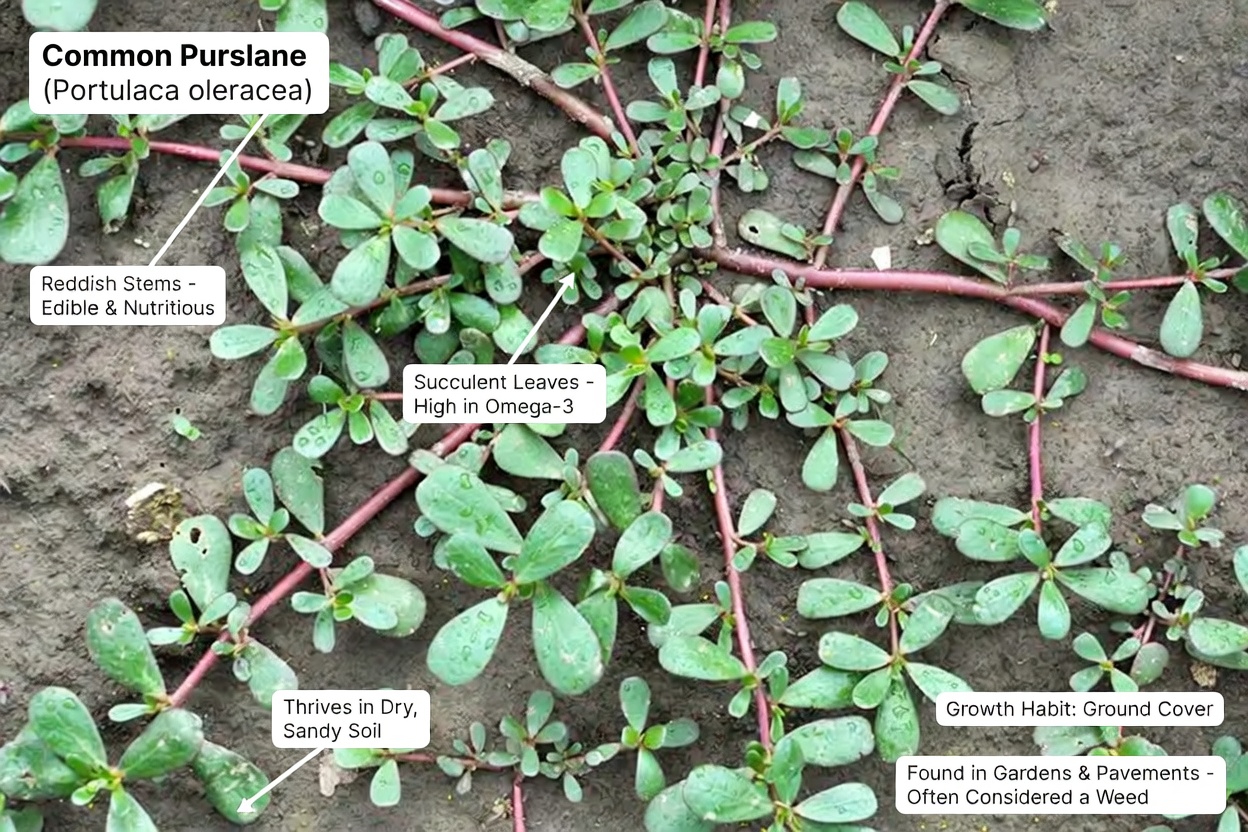
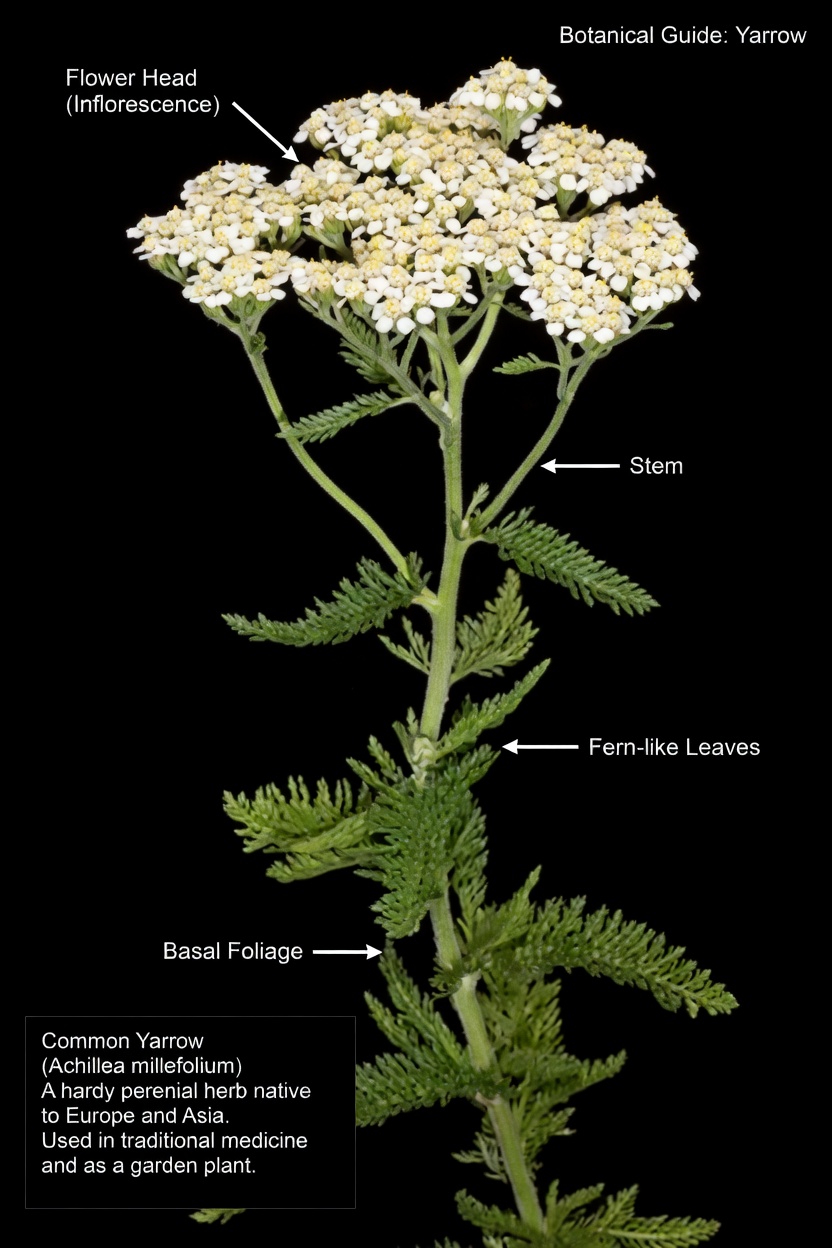
Yarrow (Achillea millefolium)
Yarrow may look delicate, but it has a long reputation as a powerful medicinal herb. It is especially valued for wound care, fever support, and overall wellness.
Key Benefits of Yarrow
- Useful for wound care: Its astringent nature may help slow bleeding and support healing.
- May reduce fever: Yarrow acts as a natural diaphoretic, encouraging sweating to cool the body.
- Supports menstrual health: Traditionally used to help manage heavy menstrual flow.
- Improves digestion: It may ease cramping, bloating, and digestive discomfort.
- Encourages relaxation: Its mild calming effects can help settle the nerves.
- Fights microbes: Applied externally, it may help protect the skin from infection.
- Supports circulation: Yarrow has been associated with improved blood flow and heart health.
- Helpful during colds and flu: It may relieve congestion and other common symptoms.

Ways to Use Yarrow
- Tea: Brew the dried flowers and leaves for digestive comfort or fever support.
- Compress: Dip a cloth in yarrow tea and place it on bruises, wounds, or sore areas.
- Tincture: A yarrow tincture may be used for cold symptoms or menstrual discomfort.
Why These Wild Plants Matter
These common weeds are far more valuable than they appear. Dandelion, purslane, plantain, and yarrow each offer a unique mix of nutrients, traditional healing benefits, and practical uses at home. Learning to identify and use them responsibly can open the door to a wide range of natural wellness benefits.
The next time you notice one of these plants growing in your garden, sidewalk, or backyard, you may want to pause before pulling it out. What looks like a weed could actually be one of nature’s most useful remedies.