Chia Seeds: 5 Soaking Mistakes That Can Ruin Texture and Comfort
Chia seeds have earned a spot in many kitchens thanks to their rich nutrition profile. They offer fiber, omega-3 fatty acids, and antioxidants, making them a popular addition to smoothies, puddings, yogurt bowls, and other everyday meals. Many people soak them to improve texture and support a balanced wellness routine.
Still, a few simple preparation mistakes can lead to disappointing results. Instead of a smooth, pleasant mixture, you may get lumps, poor absorption, or mild digestive issues such as bloating. If that has happened to you, the problem may not be the chia seeds themselves, but how they were prepared.
The good news is that these errors are easy to correct. And one of the most important mistakes is often the one people repeat every day without noticing.
Mistake 1: Using Water That Is Too Cold
A common issue begins with the liquid temperature. Many people use very cold water straight from the fridge or tap, assuming it makes no difference. In reality, cold liquid can slow the process that allows chia seeds to form their signature gel.
For better results, many nutrition professionals recommend room-temperature or slightly warm liquid. This helps the seeds absorb moisture more evenly and expand more effectively. Very hot or boiling water is not ideal either, since it may interfere with some of chia’s more delicate nutrients.
That gel-like texture is what gives chia puddings and drinks their smooth, satisfying consistency, so starting with the right temperature matters.
Mistake 2: Using the Wrong Chia-to-Liquid Ratio
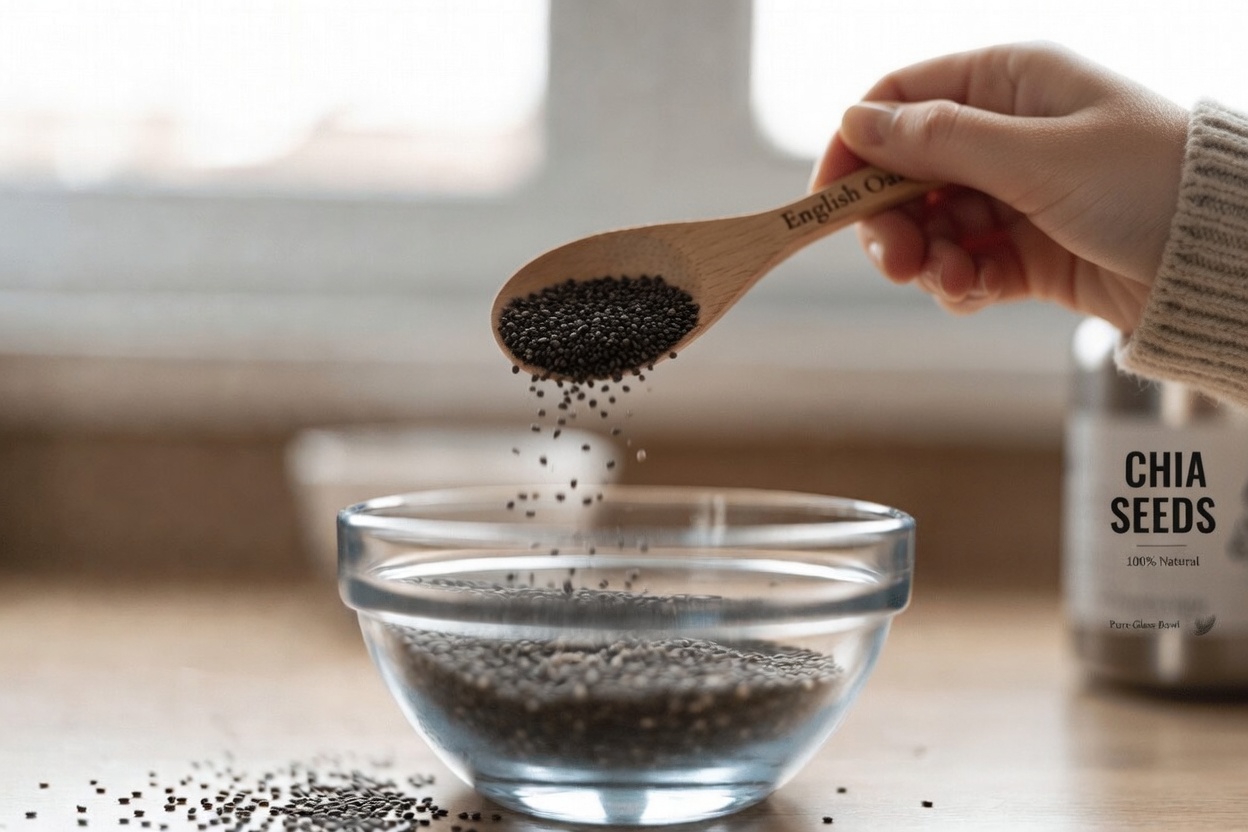
Guessing the measurements can easily throw off the final result. If there is not enough liquid, the seeds may stay partially dry and fail to expand fully. If there is too much, the mixture can become thin and watery instead of pleasantly thick.
A common starting ratio for a drinkable mixture is about 1 tablespoon of chia seeds to 8 to 10 tablespoons of liquid. If you want a thicker pudding-style texture, a 1:4 ratio of seeds to liquid is often a better choice.
This is not only about consistency. The balance between seeds and liquid also affects how comfortable they feel in your digestive system.
Mistake 3: Not Letting Them Soak Long Enough
Another frequent mistake is rushing the process. Some people stir chia seeds into liquid and consume them almost immediately. But chia needs enough time to fully absorb moisture and develop its gel coating.
Many sources suggest soaking for at least 10 to 15 minutes at minimum. For the best texture, 30 minutes, several hours, or even overnight often works better. A longer soaking period allows the seeds to expand more completely and may make them easier on digestion.
When you give chia enough time, the difference in both texture and comfort can be noticeable.
Mistake 4: Forgetting to Stir Properly
If you have ever found a thick clump of chia stuck at the bottom of a glass or jar, poor stirring is likely the reason. Chia seeds naturally sink and can stick together if they are left alone right after being added to liquid.
To prevent this, stir well immediately after mixing. Then stir again a few times during the first 10 minutes. This helps distribute the seeds evenly and stops them from forming stubborn lumps.
It is a small step, but it can completely change the final texture and make the mixture much more enjoyable.
Mistake 5: Ignoring Hydration and Portion Size
This is the mistake that surprises many people most. Even if chia seeds are soaked correctly, problems can still happen if you increase your intake too quickly or do not drink enough water during the day. Because chia is high in fiber, your body needs adequate fluids to handle it comfortably.
A smart approach is to begin with a small amount, such as 1 teaspoon to 1 tablespoon per day, and increase gradually over time. At the same time, make sure you are drinking enough plain water throughout the day, especially when adding more fiber-rich foods to your diet.
This is the detail many people miss: without enough hydration, the results may feel very different from the light, comfortable effect they were hoping for.
How to Soak Chia Seeds Correctly
If you want consistent results, follow this simple step-by-step method:
- Measure your chia seeds and liquid based on the texture you want.
- Use room-temperature filtered water, coconut water, or a plant-based milk.
- Stir thoroughly as soon as the seeds are added.
- Stir again several times during the first 10 minutes.
- Let the mixture soak for at least 15 to 30 minutes.
- For chia pudding, refrigerate it overnight for a thicker texture.
- Store extra soaked chia in an airtight container in the refrigerator for up to 5 days.
Using this method usually leads to a smoother texture and can make it easier to enjoy chia seeds regularly.
Why Proper Soaking Matters
When prepared correctly, chia seeds can be an easy and versatile addition to a daily eating routine. They work well in smoothies, yogurt, overnight oats, and puddings. Their gel-forming ability may also help create a feeling of fullness, which is one reason many people like including them in balanced meals.
Research has also looked at soluble fiber from foods like chia and its role in supporting digestive regularity, especially when paired with good hydration habits. In other words, soaking is not just about texture. It can also influence how well chia fits into your day-to-day routine.
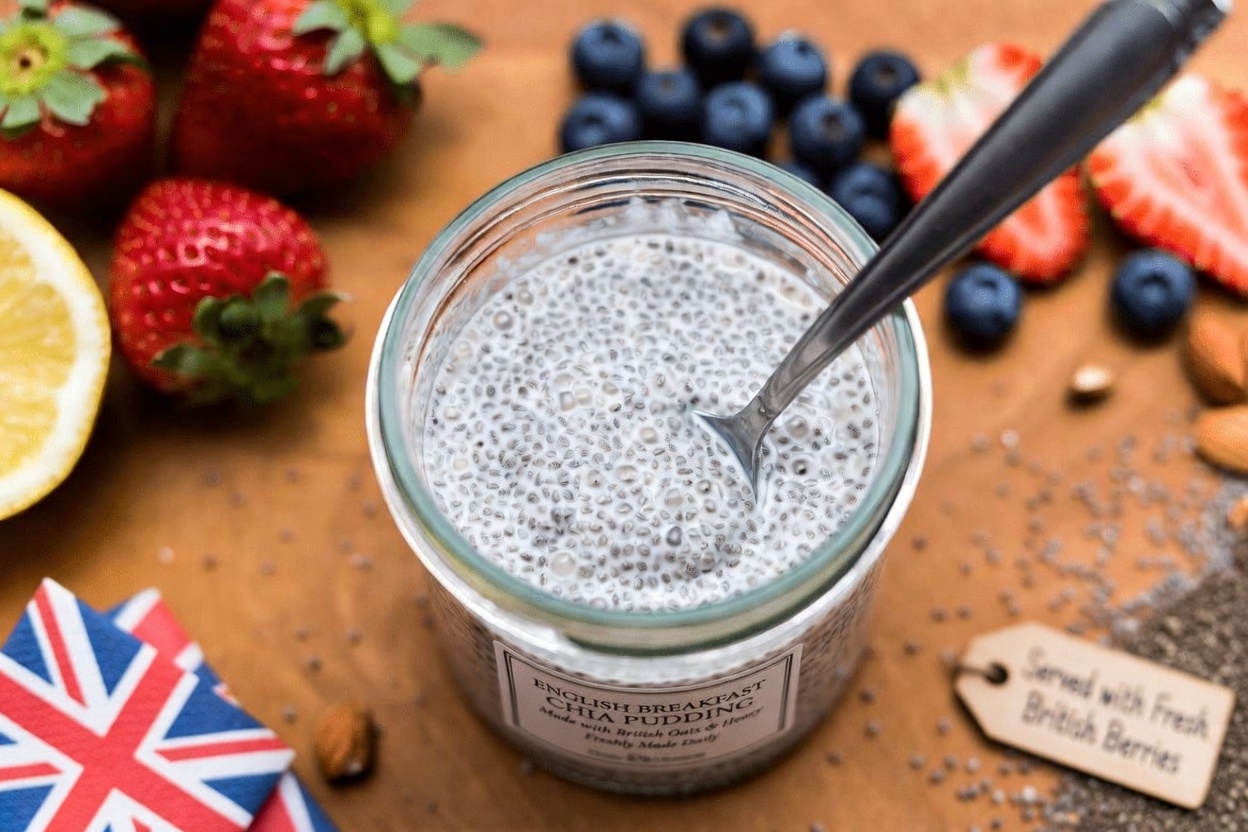
Common Questions About Soaking Chia Seeds
How long can chia seeds soak before it becomes too much?
Many sources suggest using soaked chia within 24 hours for the best texture, especially if it is already mixed and refrigerated. They may still be safe after that if stored properly, but the consistency can start to change.
Can I soak chia seeds in almond milk or juice?
Yes. Chia seeds soak well in almond milk, other plant-based milks, and juice. These options can add flavor and variety. If you use juice, it is a good idea to watch for added sugar and keep the same soaking method for the best results.
What if chia seeds make me feel uncomfortable?
If you notice bloating or other mild digestive discomfort, start with a smaller portion, soak the seeds thoroughly, and drink more water during the day. If discomfort continues, speak with a healthcare professional, since individuals can respond differently to high-fiber foods.
Final Thoughts
Chia seeds can be a simple way to add variety and nutrition to your meals, but preparation matters more than many people realize. Using the right liquid temperature, following a proper ratio, allowing enough soaking time, stirring well, and paying attention to hydration can all improve the experience.
With a few small adjustments, you may find chia seeds easier to enjoy and more consistent as part of your routine.