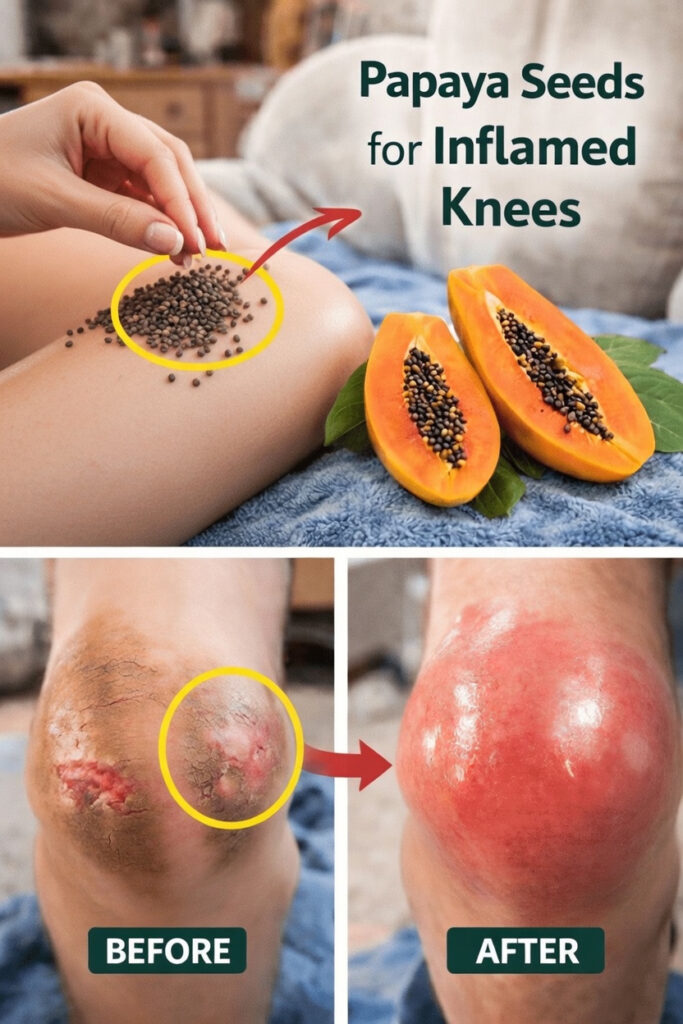
Papaya Seeds for Joint Comfort: A Simple Natural Habit to Explore
Waking up with stiff knees or a persistent ache in your back can make everyday activities feel harder than they should. Occasional joint discomfort is common, whether it comes from aging, daily movement, or the general wear and tear of life. Because of this, many people look for gentle, natural ways to support comfort and mobility.
One option that has gained attention is papaya seeds—the small black seeds found inside ripe papaya. Used in traditional wellness practices and examined in early scientific research, these seeds contain compounds that may help support the body’s natural response to inflammation. While they are not a cure or a medical treatment, they may be a practical addition to a balanced wellness routine.
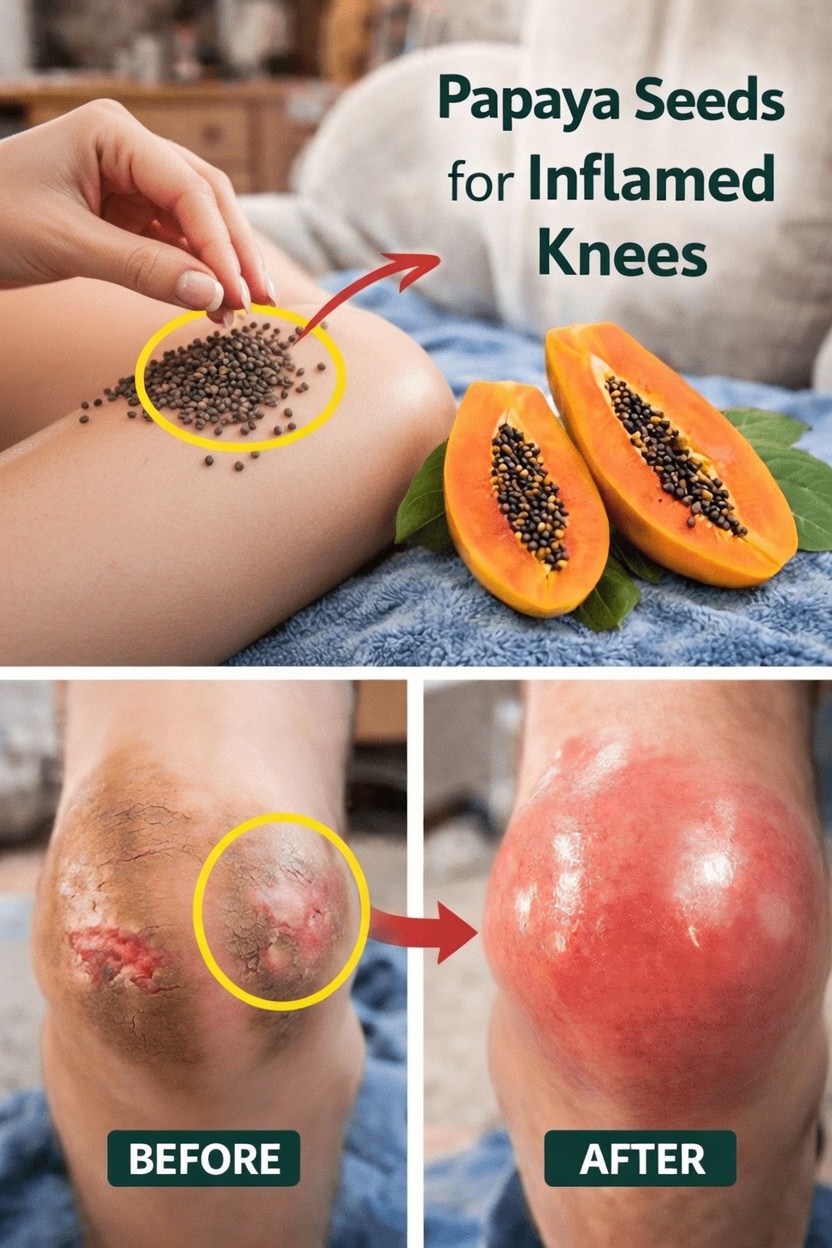
Why Papaya Seeds Are Getting Attention
Papaya is best known for its sweet, juicy flesh, but the seeds are also rich in naturally occurring plant compounds. These tiny seeds have a sharp, peppery taste and contain substances such as antioxidants, enzymes, and alkaloids that researchers have linked to general wellness support.
Some early studies, especially laboratory and animal research, suggest that papaya seed extracts may have anti-inflammatory properties. Researchers have observed reductions in certain inflammation-related markers in test settings. Natural compounds found in papaya, including carpaine and various flavonoids, are believed to be part of the reason these effects occur.
That said, most of the available evidence is still preliminary. Large human studies focused specifically on joint health are limited. Even so, the seeds remain interesting because they are easy to prepare and simple to include in a home routine.
Key Compounds in Papaya Seeds
Several naturally occurring components in papaya seeds are responsible for the growing interest in their wellness benefits.
Antioxidants
Papaya seeds contain polyphenols and flavonoids, which help fight oxidative stress. This matters because oxidative stress has been associated with the everyday strain that affects joints and tissues over time.
Enzymes Such as Papain
Papain is widely known for supporting digestion, but related compounds have also been explored for their possible role in helping the body manage inflammation. Animal-based studies suggest these enzymes may contribute to overall physical comfort.
Alkaloids Like Carpaine
Carpaine is one of the notable alkaloids found in papaya. Early research indicates that it may help influence pathways related to inflammation, which is why it continues to attract scientific interest.
A number of reviews on Carica papaya have highlighted the biological activity of seed compounds in laboratory settings. Health resources discussing papaya also often point to its bioactive profile as one reason it may support the body naturally.
Still, it is important to remember that much of this research examines extracts rather than the everyday use of whole seeds in the diet.
Traditional Use of Papaya Seeds for Everyday Wellness
In many parts of the world, papaya seeds have long been used in simple home wellness practices. Some people dry the seeds, while others grind them into powder or chew small amounts directly. Their bold, pepper-like flavor makes them easy to mix into food or drinks.
This traditional use fits into a wider interest in plant-based foods that may help support mobility and comfort. Although papaya seeds should not replace professional medical care, adding them thoughtfully to your routine can be a simple step for those interested in natural options.
How to Add Papaya Seeds to Your Routine
If you want to try papaya seeds, begin with a small amount and pay attention to how your body responds.
Step-by-step preparation
-
Choose a ripe papaya
Pick a fresh papaya with plenty of dark seeds inside. -
Remove the seeds
Scoop them out and rinse well to remove any remaining fruit pulp. -
Dry the seeds
Spread them on a plate and leave them in a sunny place, or use a low-temperature oven at about 150°F for a few hours until they become dry and crisp. -
Use them whole or ground
You can chew a small amount or grind them into a powder using a coffee grinder. -
Mix into foods and drinks
Add the powder to:- Smoothies
- Yogurt
- Salads
- Honey
- Water-based drinks
Suggested amount
A common starting point is ½ to 1 teaspoon per day, using either fresh or dried seeds. Because the flavor is strong and peppery, many people prefer mixing them with sweeter foods.
Tips for Best Results
To make papaya seeds easier to use consistently, keep these practical tips in mind:
- Store properly: Keep dried seeds in an airtight container in a cool, dry place. They can last for several weeks.
- Pair with other supportive foods: Combine them with ingredients like turmeric, ginger, or berries for extra antioxidant support.
- Be consistent: Some people report noticing subtle changes after a few weeks of regular use.
- Pay attention to your body: If they cause stomach discomfort, reduce the amount or stop using them.
What Research Really Shows
The interest in papaya seeds is promising, but the science is still developing. Current findings mostly come from lab studies, animal models, or small-scale investigations rather than large human trials.
Research has suggested:
- Papaya seed extracts may help reduce swelling and inflammation markers in animal studies.
- Their antioxidant compounds may help protect the body from free radical damage.
- Traditional use is supported by modern interest in plant-based approaches to everyday comfort.
At the same time, there is not yet enough high-quality evidence to say that papaya seeds are a proven treatment for joint discomfort. They should be viewed as a complementary wellness habit, not a replacement for established strategies such as:
- Gentle exercise
- A balanced diet
- Weight management
- Professional medical care
Possible Side Effects and Precautions
Papaya seeds are generally considered safe in small amounts, but more is not always better. Because they contain potent natural compounds, consuming too much may lead to mild digestive upset in some people.
Important precautions include:
- People who are pregnant should avoid them unless advised otherwise by a healthcare professional.
- Those with certain medical conditions or concerns about fertility should be cautious, as traditional reports have linked high intake to reproductive effects.
- Anyone taking medication or managing a health condition should speak with a healthcare provider before adding papaya seeds regularly.
Final Thoughts
Papaya seeds are a simple, affordable, and natural food that may support overall joint comfort as part of a healthy lifestyle. Their mix of antioxidants, enzymes, and plant compounds makes them an interesting option for people looking to explore food-based wellness habits.
Although research is still ongoing, many people appreciate how easy these seeds are to prepare and use at home. When combined with smart lifestyle choices and realistic expectations, papaya seeds may become a small but worthwhile addition to your daily routine.
FAQ
How many papaya seeds can I eat per day?
A typical starting amount is ½ to 1 teaspoon daily, using either fresh or dried seeds. Begin slowly and monitor how you feel before increasing.
What do papaya seeds taste like?
Papaya seeds have a sharp, peppery taste, often compared to black pepper or mustard. Grinding them and mixing them into food usually makes them easier to enjoy.
Can papaya seeds replace medical treatment for joint pain?
No. Papaya seeds are not a substitute for medical treatment. They are best used as a supportive dietary habit alongside professional advice and other proven approaches.