A Key Nutrient That May Support Leg Circulation in Older Adults
Many older adults deal with leg discomfort caused by less efficient circulation. Common signs include heaviness, mild swelling, and noticeable veins that can make daily movement feel more difficult. Aging, long hours of sitting or standing, and natural changes in vein elasticity often contribute to this problem, gradually affecting comfort, mobility, and independence.
When even simple activities like walking, standing, or doing household tasks start to feel exhausting, quality of life can suffer. The good news is that nutrition may offer meaningful support. Certain vitamins and nutrients can help the body maintain healthier blood vessels and better vascular function over time.
One nutrient often discussed in this area is vitamin K. Research suggests it may help support the body’s natural processes related to vein health and circulation. Understanding its role can help you make smarter dietary choices for everyday leg comfort.
Why Healthy Leg Circulation Becomes More Important With Age
As the body ages, blood vessels may become less flexible, and circulation in the lower legs may slow down. This can lead to tired, achy legs, mild fluid buildup, and visible vein changes. Because of these age-related shifts, supporting vascular health through diet and lifestyle becomes increasingly valuable.
Vitamin K is frequently highlighted for its connection to circulation and cardiovascular wellness. Findings from observational research suggest that this vitamin helps manage how calcium is used in the body. Instead of allowing calcium to build up in soft tissues such as arteries, vitamin K helps direct it toward bones, where it is needed most. This may help blood vessels stay more supple and function more efficiently.
Vitamin K also contributes to normal blood clotting, an essential process for overall health when properly balanced.
How Vitamin K May Help Support Veins and Blood Flow
There are two primary forms of vitamin K:
- Vitamin K1, mainly found in plant foods
- Vitamin K2, commonly found in fermented foods and certain animal-based products
Among these, vitamin K2 has gained particular attention for its potential role in vascular health. Research indicates that it activates proteins that help reduce calcium deposits in blood vessels, which may support healthier arteries and better circulation.
Some studies involving postmenopausal women have reported improvements in measures of arterial elasticity when vitamin K2 intake was adequate. Although more research is still needed, these findings suggest that vitamin K may help maintain smoother blood flow and reduce stiffness in the vascular system over time.
It is important to remember that vitamin K is not a cure-all. It works best as part of a complete strategy that includes regular movement, proper hydration, and a balanced diet.
Best Food Sources of Vitamin K for Everyday Support
Obtaining vitamin K from whole foods is often the simplest and most practical approach. A varied diet can provide both K1 and K2 naturally.
Foods rich in vitamin K include:
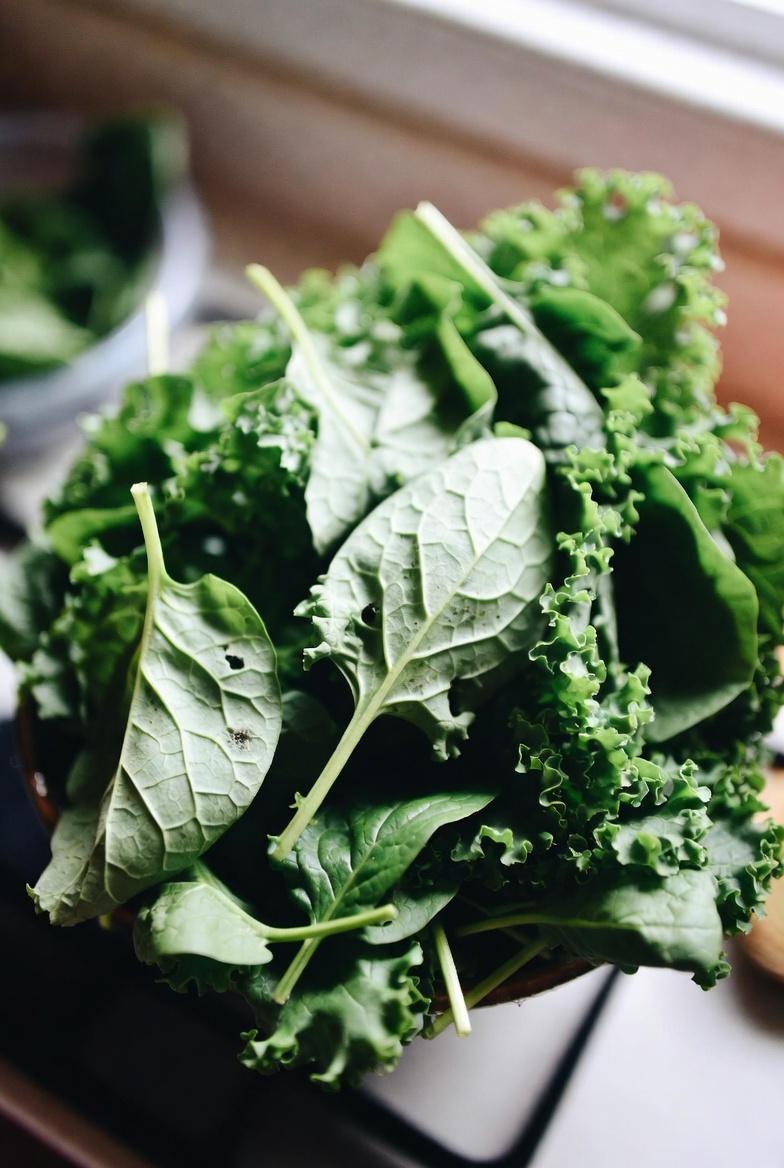
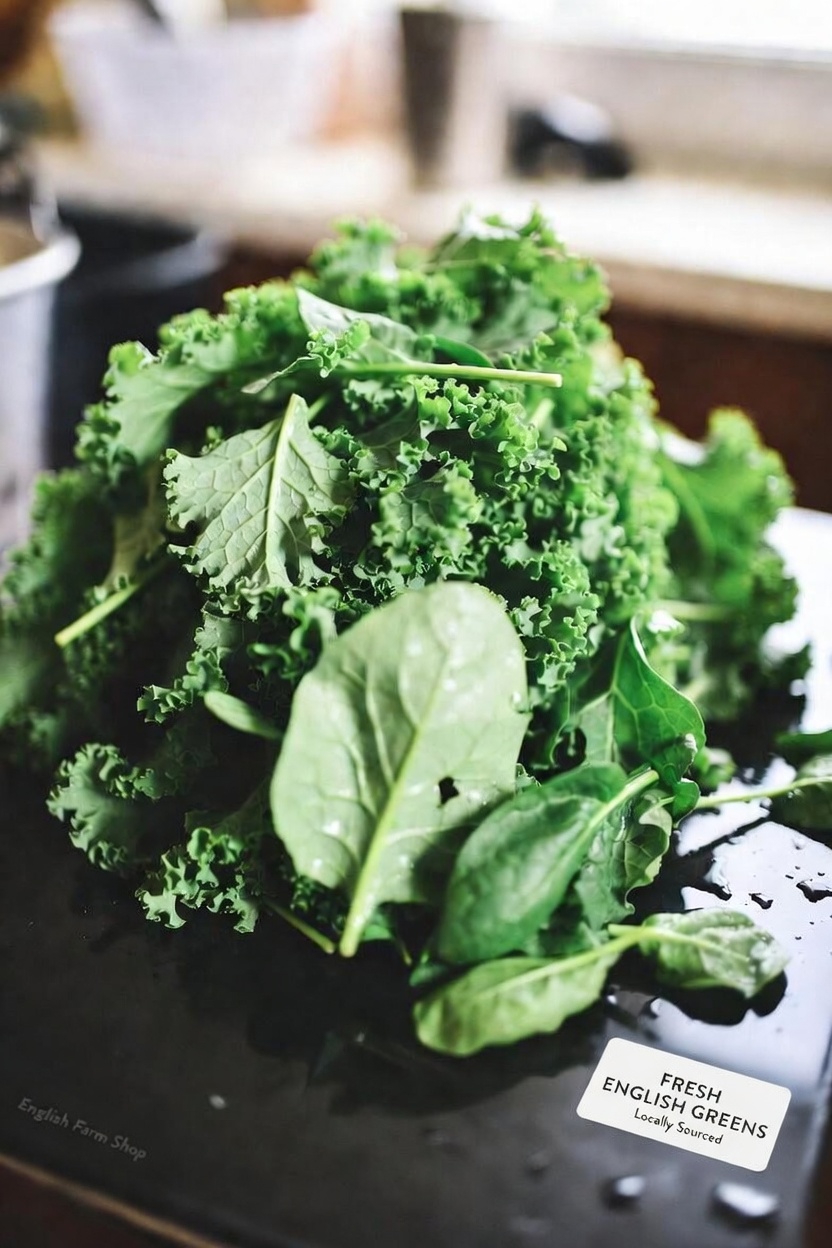
- Leafy greens such as kale, spinach, and collard greens for vitamin K1
- Broccoli
- Brussels sprouts
- Natto, one of the richest known sources of vitamin K2
- Cheese, especially varieties that contain K2
- Egg yolks
- Meat, particularly liver
Including a mix of these foods in your weekly meals can help support your intake of both forms of vitamin K.
Easy Ways to Add More Vitamin K to Your Day
Building better habits does not have to be complicated. Small, realistic changes can make a difference over time.
Try these simple ideas:
-
Start the day with a smoothie
- Blend spinach or kale with berries and yogurt for a quick nutrient-rich breakfast.
-
Add greens at lunch
- Mix chopped kale, spinach, broccoli, or Brussels sprouts into salads, soups, or stir-fries.
-
Include fermented foods
- If available, try a small portion of natto. If that feels unfamiliar, cheeses such as gouda or edam can also provide vitamin K2.
-
Choose smarter snacks
- Hard-boiled eggs, vegetables, and a small handful of nuts make a practical and nourishing option.
-
Upgrade dinner
- Pair chicken or fish with steamed Brussels sprouts, collard greens, or broccoli.
The key is consistency. You do not need a perfect diet. Repeating small healthy choices day after day can provide lasting support.
Nutrients That Work Well Alongside Vitamin K
Vitamin K is most effective when combined with other nutrients that support blood vessels and circulation. A well-rounded diet helps the body in multiple ways.
Helpful partners include:
-
Vitamin C
- Supports collagen production, which helps maintain strong vein walls
- Found in citrus fruits, strawberries, and bell peppers
-
Vitamin E
- Acts as an antioxidant that helps protect blood vessel linings
- Found in almonds, sunflower seeds, and spinach
-
B vitamins, especially B6, B9, and B12
- Help support healthy blood and may reduce factors associated with poor circulation
- Found in fish, eggs, and leafy greens
A colorful plate filled with vegetables, quality protein, and healthy fats can cover many of these nutritional needs naturally.
Lifestyle Habits That Can Improve Leg Comfort
Diet matters, but everyday habits also play an important role in supporting healthy circulation. Combining good nutrition with practical movement-based strategies can improve results.
Helpful habits include:
-
Move often
- Short walks, ankle circles, and light leg stretches throughout the day help encourage blood flow.
-
Elevate your legs
- Resting with your feet raised above heart level for 15 to 20 minutes may help reduce blood pooling.
-
Stay well hydrated
- Drinking enough water supports healthy blood viscosity and circulation.
-
Use compression if recommended
- Compression stockings may help some people, but it is best to ask a healthcare professional for guidance.
-
Maintain a healthy weight
- Reducing excess pressure on the leg veins can support better comfort and function.
Together, these habits and a nutrient-rich diet create a stronger foundation for vascular health.
What Research Says About Vitamin K and Vascular Function
A growing number of studies have examined the relationship between vitamin K and cardiovascular health. Vitamin K2, in particular, has been associated in some research with better arterial flexibility and reduced calcium buildup in blood vessels.
Although study results are not always identical, the overall evidence suggests that vitamin K plays an important role in maintaining healthy vascular structure and function. That may be especially relevant for older adults concerned about leg circulation and vein comfort.
Still, nutritional strategies should be viewed as supportive measures, not substitutes for professional medical care.
Conclusion: Small Daily Choices Can Support Better Leg Circulation
Improving leg comfort does not always require major changes. Focusing on foods rich in vitamin K, combining them with other supportive nutrients, and staying physically active can help many older adults feel more comfortable in daily life.
Start with simple adjustments, remain consistent, and notice how your body responds over time. Because individual health needs differ, it is wise to speak with your healthcare provider before making significant dietary changes, especially if you take medications such as blood thinners.
FAQ
Which foods contain the most vitamin K for circulation support?
Leafy green vegetables like kale and spinach are excellent sources of vitamin K1. Fermented foods such as natto, along with certain cheeses, provide vitamin K2. Both forms may help support vascular health.
Can vitamin K reduce leg swelling?
Vitamin K helps regulate normal blood clotting and calcium balance in the body. While it is not a direct treatment for swelling, it may support blood vessel health as part of a broader nutrition and lifestyle plan.
Is it safe to eat more vitamin K if I take medication?
Vitamin K can interact with some blood-thinning medications. If you are taking prescription medicine, especially anticoagulants, speak with your doctor before making major changes to your vitamin K intake.