
Lentils for Healthy Aging: A Simple, Budget-Friendly Protein Choice After 75
As people grow older, holding on to muscle strength often becomes harder. Many adults over 75 begin to notice slow shifts in stamina, movement, and the ease of everyday tasks. One major reason is age-related muscle loss, called sarcopenia, which can gradually reduce independence and overall quality of life. In many cases, lower protein intake in later years plays a role.
The encouraging part is that supporting protein needs does not have to be expensive or complicated. Common, affordable foods can make a meaningful difference. One of the best examples is lentils—small, low-cost legumes available in nearly every supermarket. So how do lentils compare with familiar protein foods like eggs, and what is the easiest way to add them to meals?
This guide explains why lentils are such a practical option for older adults, how they support nutrition, and how to prepare them with minimal effort at home.

Why Protein Becomes More Important After Age 75
Protein is essential for maintaining muscle tissue, strength, and daily function as the body ages. Research suggests that older adults often need slightly more protein than younger people to help preserve lean muscle mass and physical ability.
For many adults over 65 or 70, general guidance often falls around 1.0 to 1.2 grams of protein per kilogram of body weight per day, depending on health condition and activity level.
Still, many seniors do not reach these targets. Common reasons include:
- Reduced appetite
- Food preferences
- Limited meal variety
- Budget concerns
That is why affordable plant-based proteins can be so helpful. Cooked lentils provide about 18 grams of protein per cup, which is significantly more than one large egg, with about 6 grams. Along with protein, lentils also supply:
- Fiber
- Iron
- Folate
- Other nutrients that support digestion and energy levels
They are also easy to store, inexpensive to buy dry, and adaptable to many dishes. For anyone looking to increase protein without depending only on animal foods, lentils are a smart and practical choice.
Lentils vs. Eggs: Protein and Nutrition Compared
Eggs are well known for being a high-quality protein source. They contain all essential amino acids, making them a complete protein, and they also provide helpful nutrients such as choline, which supports brain health.
Lentils are a little different. On their own, they are not considered a complete protein because they are lower in certain amino acids, including methionine. However, they still offer a strong protein contribution, especially when eaten in normal portions or paired with foods like rice or other grains.
Quick comparison
-
1 large egg
- About 6 grams of protein
-
1 cup cooked lentils
- About 18 grams of protein
In a typical serving, lentils can provide around three times more protein than one egg.
Additional nutritional benefits of lentils
- Around 15 grams of fiber per cup
- Lower in fat than many animal-based protein sources
- Rich in minerals such as iron and potassium
- Helpful for digestion and more stable energy
Studies suggest that plant proteins like lentils can support muscle health, especially when combined with strength-building activity and a varied diet. For older adults, eating lentils regularly can be an economical way to move closer to daily protein goals.

The Extra Benefits of Making Lentils Part of Your Routine
Lentils do more than contribute protein. They also offer several advantages that fit well with healthy aging.
Why lentils are worth eating regularly
-
They help you feel full
- This may support appetite control and weight management.
-
They improve digestive health
- Their fiber helps support the gut, which plays a major role in overall wellness.
-
They contain beneficial plant compounds
- Antioxidants in lentils may help reduce everyday inflammation.
Research on legumes also points to benefits for heart health and lasting energy, making lentils a valuable food for long-term vitality.
Easy Ways to Add Lentils to Meals
Lentils are simple to use and do not require special kitchen tools. If you are new to them, start with easy additions rather than changing your whole diet at once.
Practical ways to get started
-
Begin with small portions
- Add 1/2 cup of cooked lentils to soups, salads, or side dishes.
-
Combine them with other foods
- Pair lentils with rice, whole grains, or vegetables for a more balanced meal.
-
Cook once, use all week
- Prepare a batch in advance and refrigerate it for quick meals.
-
Keep seasoning simple
- Try garlic, onions, herbs, or lemon juice for flavor without relying on too much salt.
It can also help to spread protein intake across the day rather than eating most of it at one meal. Including protein at breakfast, lunch, and dinner may better support muscle maintenance.
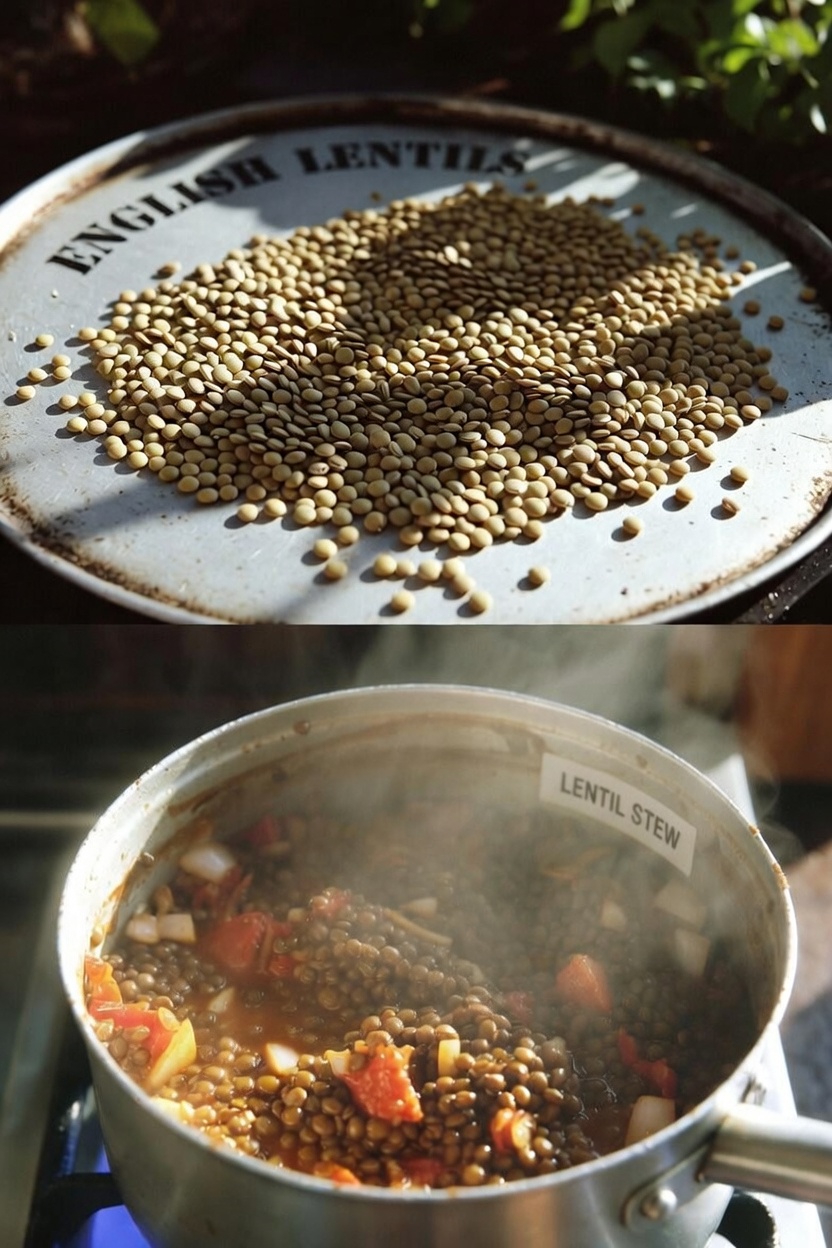
Simple Lentil Recipe: Cooked Lentils with Vegetables
This basic recipe makes about 4 servings and takes roughly 30 to 40 minutes. It is easy to digest, flexible, and suitable for many tastes.
Ingredients
- 1 cup dry lentils
- Green or brown lentils work best if you want them to hold their shape
- 4 cups water or low-sodium broth
- 1 onion, chopped
- 2 carrots, diced
- 2 garlic cloves, minced
- 1 teaspoon olive oil
- Salt, pepper, and herbs such as cumin or thyme, to taste
Instructions
- Rinse the lentils under cold water and remove any debris.
- Warm the olive oil in a pot over medium heat.
- Add the onion, carrots, and garlic, then cook for about 5 minutes until softened.
- Stir in the lentils and water or broth.
- Bring everything to a boil, then lower the heat to a gentle simmer.
- Cover and cook for 20 to 30 minutes, until the lentils are tender but not mushy.
- Stir occasionally and add extra liquid if needed.
- Season to taste and serve warm.
You can enjoy this dish:
- As a side
- Spoon it over rice
- Add it to soup
- Use it as a base for other meals
A one-cup serving of cooked lentils provides about 18 grams of protein. For extra variety, add vegetables like spinach or tomatoes.
More Simple Ways to Keep Lentils Interesting
Eating the same meal every day can get boring, so it helps to have a few easy variations.
Try these ideas
-
Lentil soup
- Blend part of the cooked lentils for a smoother, creamier texture.
-
Fresh lentil salad
- Toss cooled lentils with cucumber, tomato, and feta cheese.
-
A breakfast option
- Stir a small amount into oatmeal with nuts for a more filling morning meal.
Small changes like these can make it easier to eat lentils consistently.
Common Questions About Lentils for Older Adults
How much lentils should I eat each day?
A good starting point is 1/2 to 1 cup of cooked lentils daily, divided between meals if preferred. This amount can make a useful contribution to protein intake without making meals feel too heavy.
Are lentils difficult to digest for seniors?
They can cause bloating in some people, especially if they are new to legumes. Rinsing them well and cooking them thoroughly can help. Starting with smaller portions is also a good idea.
Can lentils completely replace eggs?
They do not have to. A varied diet is usually best. Lentils can be used alongside eggs, dairy, fish, or other protein sources for a balanced approach.
Final Thoughts
Lentils are an easy, affordable way to boost protein intake and support muscle health in later life. They are versatile, nutritious, and simple to prepare, making them especially useful for older adults who want to stay strong without increasing food costs.
When combined with regular movement and balanced meals, lentils can play an important role in healthy aging. Consistent habits— even small ones—can help support strength, mobility, and independence over time.