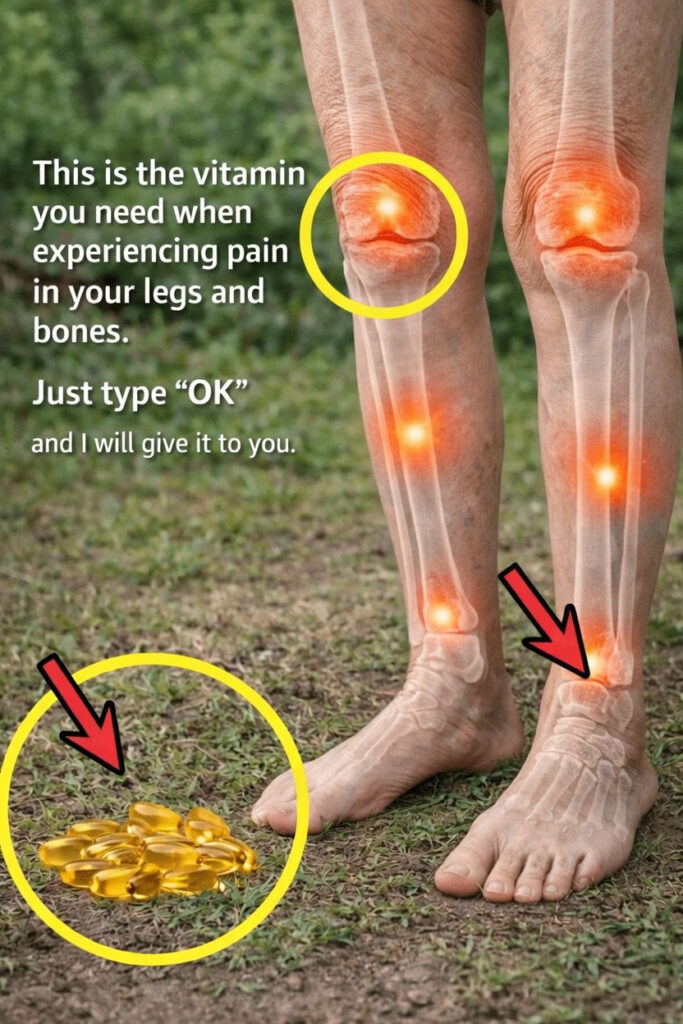
Understanding Leg and Bone Discomfort: How Vitamins and Minerals May Help
Persistent aches in your legs or bones can turn ordinary activities into a drain. For some people, it feels like a mild soreness at the end of the day. For others, it becomes a sharper discomfort that interferes with rest. These sensations often become more noticeable with age or after lifestyle changes, but daily nutrition can play an important role.
This article looks at the vitamins and minerals most commonly associated with leg and bone health, along with simple diet and lifestyle habits that may help support how your body feels.
One nutrient, in particular, comes up again and again in conversations about bone and muscle comfort. Knowing how it works—and how it interacts with other nutrients—may help you better understand what your body needs.
Why Nutrition Is Often Connected to Leg and Bone Comfort
Bones, muscles, and nerves all depend on a reliable supply of essential nutrients. When the body does not get enough of certain vitamins or minerals, discomfort may become more noticeable. Research often links nutrient deficiencies with general muscle and bone-related symptoms.
Several nutrients are frequently discussed:
- Vitamin D helps the body absorb calcium and supports both bone strength and muscle function.
- Calcium is critical for maintaining healthy bone structure.
- Magnesium contributes to muscle relaxation and proper nerve communication.
- Vitamin B12 and folate help support energy levels and nervous system health.
These nutrients matter because they are influenced by everyday factors such as diet, sun exposure, activity levels, and natural age-related changes.
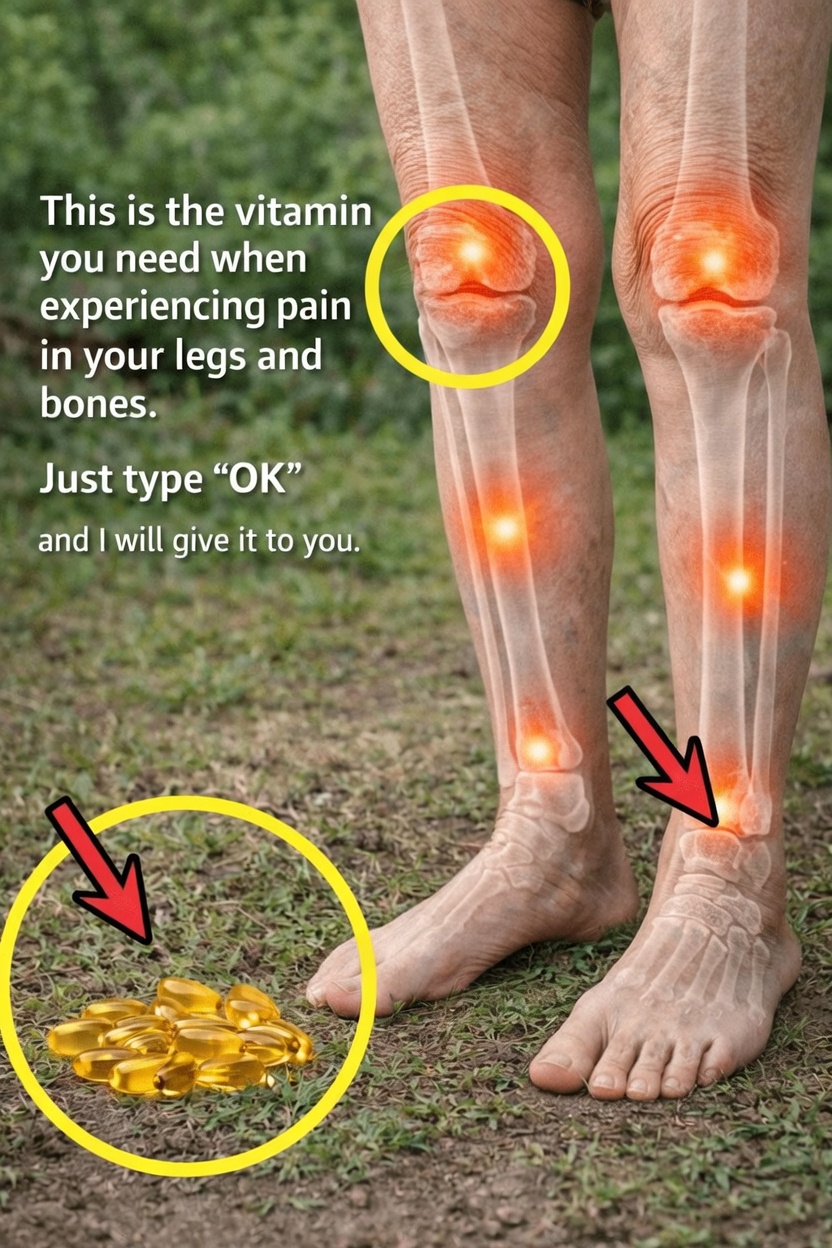
The Nutrient That Gets the Most Attention: Vitamin D
When people ask what vitamin may be linked to discomfort in the legs and bones, vitamin D is often the first answer. Commonly called the sunshine vitamin, it is produced when the skin is exposed to sunlight. Even so, many adults do not maintain ideal levels, especially if they spend most of their time indoors or live in places with limited sun.
Studies often show that low vitamin D levels are common among people who report generalized muscle or bone discomfort. This nutrient helps regulate calcium and also supports normal muscle performance. When levels fall too low, some individuals notice more sensitivity in their legs, joints, or bones during rest or after activity.
Why Vitamin D Matters
- It helps the body absorb calcium from food.
- It supports lifelong bone renewal and maintenance.
- It contributes to normal muscle movement and relaxation.
Although vitamin D can be obtained through sun exposure and certain foods, modern indoor lifestyles can make it harder to get enough consistently.
Nutrients That Support Vitamin D
Vitamin D does not work on its own. Other nutrients also contribute to leg comfort, bone support, and muscle function.
Magnesium
Magnesium is often referred to as a relaxation mineral because it helps muscles release tension and supports the nervous system. Many people underestimate how strongly magnesium intake may affect how their legs feel after long periods of standing, walking, or physical effort.
Calcium
Calcium remains one of the most important nutrients for bones. However, the body needs enough vitamin D to absorb and use calcium properly. That means a calcium-rich diet may be less effective if vitamin D levels are too low.
Vitamin K2
Vitamin K2 is known for helping direct calcium toward bones rather than soft tissues. Researchers continue to examine how vitamin K2 works with vitamin D to support long-term bone health.
B Vitamins
B vitamins—especially vitamin B12—help with energy production and nerve health. When the nervous system is well supported, sensations in the legs may feel more stable and normal.

Common Signs You May Need to Pay More Attention to These Nutrients
Only a healthcare professional can confirm a deficiency through proper testing, but some experiences are commonly reported when nutrient levels are not ideal.
You may want to pay closer attention if you notice:
- A heavy or tired feeling in the legs
- Discomfort that becomes worse after sitting still for too long
- Increased sensitivity in joints or bones during weather changes
- Nighttime muscle cramps or twitching
- Slower recovery after exercise or physical activity
These symptoms are common and can have many causes, including stress, inactivity, hydration, and overall diet quality.
Simple Ways to Support Vitamin D and Other Key Nutrients
You do not need an elaborate wellness routine to start making helpful changes. A few practical steps can make a meaningful difference over time.
Spend Time in Sunlight
Try to get 10 to 20 minutes of midday sun on your arms and legs a few times each week, depending on your skin type, climate, and location. Be careful to avoid overexposure or sunburn.
Eat More Vitamin D-Rich Foods
Include foods such as:
- Fatty fish like salmon
- Egg yolks
- Fortified dairy products
- Fortified plant-based milks
Add More Magnesium to Your Diet
Good sources include:
- Nuts
- Seeds
- Leafy greens
- Whole grains
Choose Calcium-Rich Foods
Try adding:
- Milk, yogurt, and cheese
- Fortified plant alternatives
- Tofu
- Dark leafy greens
Consider Supplements If Needed
If food and sunlight are not enough, some people use a vitamin D supplement, sometimes paired with magnesium or vitamin K2. It is best to speak with a doctor before starting supplements so you can choose the right amount safely.
Many people find that combining better food choices with regular sun exposure helps improve everyday comfort.
Foods That Naturally Support Leg and Bone Health
A nutrient-dense diet does not need to be complicated. Many familiar foods can help support healthy bones, muscles, and nerves.
Here are some excellent choices:
- Salmon and other oily fish – rich in vitamin D and omega-3 fats
- Egg yolks – provide vitamin D and beneficial fats
- Almonds and pumpkin seeds – strong sources of magnesium
- Kale, spinach, and collard greens – contain calcium, magnesium, and vitamin K
- Fortified orange juice and plant milks – convenient sources of vitamin D and calcium
- Yogurt and cheese – offer calcium and sometimes added vitamin D
Even adding one or two of these foods regularly may help support your overall nutrient intake.

Lifestyle Habits That Can Improve Daily Comfort
Good nutrition works even better when supported by healthy habits. Small, steady changes often matter more than occasional major efforts.
Consider these simple strategies:
- Stay active with low-impact exercise such as walking, swimming, or gentle stretching
- Prioritize sleep, since poor rest can make discomfort feel stronger
- Reduce stress through breathing exercises, relaxation techniques, or short mindfulness breaks
- Drink enough water, because even mild dehydration can make leg sensations more noticeable
Consistency is often the key to long-term results.
What Research Suggests
Many studies have explored the link between vitamin D status and reports of bone or muscle discomfort. Observational research often finds that people with these symptoms are more likely to have lower vitamin D levels. Clinical studies continue to examine whether improving vitamin D through food, sunlight, or supplements can support comfort and movement.
Magnesium is also widely studied for its role in muscle function. At the same time, calcium and vitamin K2 continue to be researched for their combined effects on bone density and skeletal health over time.
Still, results are not identical for everyone. Age, daily routine, geography, health conditions, and diet all influence how the body responds.
Frequently Asked Questions
How long does it take to notice a difference after improving vitamin D levels?
Many people describe gradual changes over a period of several weeks to a few months, especially when they combine sunlight, diet, and medically appropriate supplementation.
Can food alone provide enough vitamin D?
It is possible, but for many adults it is difficult. Sun exposure and fortified foods can help, but a combined approach is often more realistic.
Is it okay to take vitamin D supplements without testing?
It is always safer to talk to a healthcare provider before starting supplements. They can recommend the right dosage based on your personal needs, lifestyle, and health history.
Final Thoughts
Leg and bone discomfort can have many causes, but nutrition is one area that deserves attention. Among the nutrients most often discussed, vitamin D stands out because of its close relationship with calcium, muscle function, and bone health. Magnesium, calcium, vitamin K2, and B vitamins also play valuable supporting roles.
By getting more sunlight, choosing nutrient-rich foods, staying active, and speaking with a healthcare professional when needed, you can take practical steps to better support your body every day.