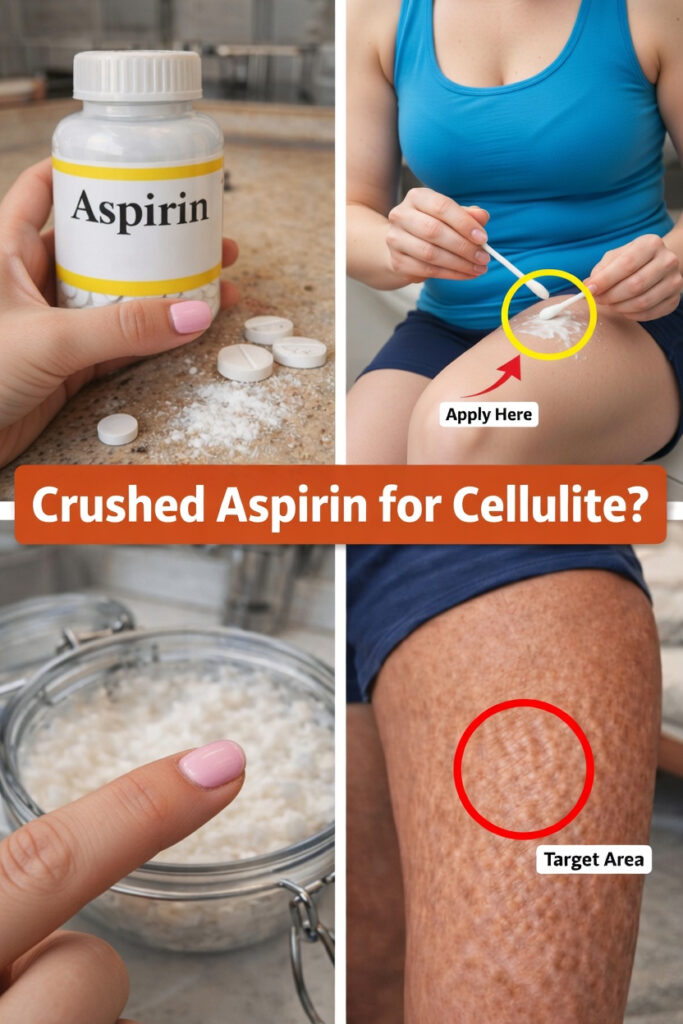
Aspirin in Skincare: Popular DIY Uses, Benefits, and Safety Tips
Aspirin is widely recognized as a common pain reliever, but it also contains acetylsalicylic acid, a substance chemically connected to salicylic acid, a familiar ingredient in many non-prescription skincare formulas. Because of this link, some people crush aspirin tablets and turn them into simple DIY pastes or masks for occasional use on the skin.
These at-home methods are often discussed in beauty circles, but they should not be viewed as medical treatments. Results are highly individual, and what works for one person may not work for another.
Below is a practical look at the most common ways women experiment with aspirin in skincare, along with important precautions to keep in mind.
Why Aspirin Attracts Attention in Beauty Routines
Under certain conditions, aspirin can break down into compounds related to salicylic acid. Salicylic acid is well known in skincare for helping remove dead skin buildup and promoting cleaner-looking pores. For that reason, some women combine crushed aspirin with water, honey, or other mild ingredients to make a quick DIY treatment.
The appeal is simple: it may provide light exfoliation and a soothing feel at a very low cost.
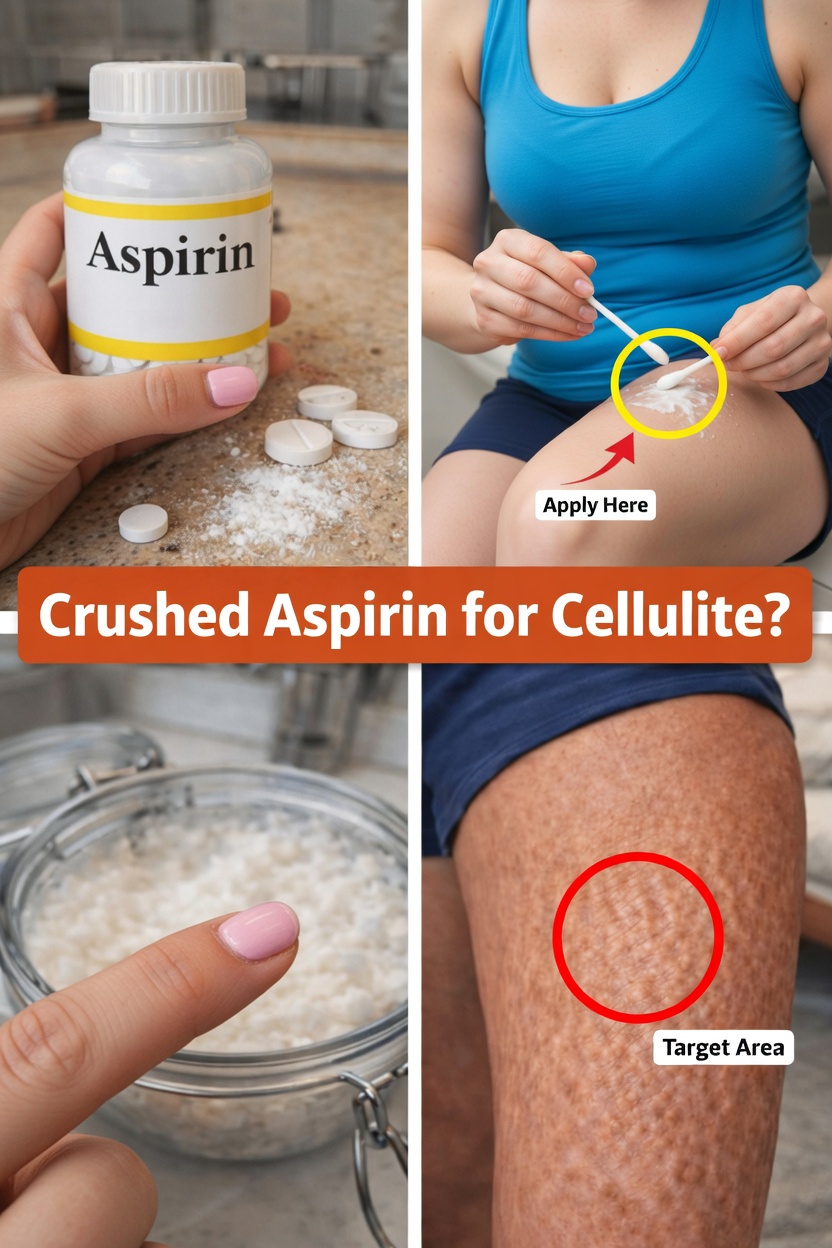
Scientific research has also examined aspirin for its anti-inflammatory effects in different settings. Some observational findings have touched on skin-related topics, but these studies do not directly confirm the benefits of homemade topical aspirin use. In other words, these methods are better seen as personal experiments rather than proven skincare solutions.
And that is why online discussions around aspirin skincare continue to grow, especially among people looking for easy, affordable routines.
How to Make a Simple Aspirin Spot Paste
For many women, the easiest way to try aspirin on the skin is as a small spot treatment. If you want to test this idea, start with a limited area and follow a cautious approach:
- Use 1 to 2 plain, uncoated aspirin tablets. Avoid coated tablets because they do not dissolve as easily.
- Crush the tablets into a fine powder with the back of a spoon or in a small bowl.
- Add a few drops of water until you get a thick paste.
- If your skin is on the dry side, some people replace part of the water with a small drop of honey or a gentle oil.
- Wash your skin with a mild cleanser.
- Apply the paste only to the specific area using a clean fingertip or cotton swab.
- Leave it on for no longer than 10 to 15 minutes.
- Rinse thoroughly with lukewarm water and apply your regular moisturizer afterward.
This method is commonly mentioned for occasional blemishes because of aspirin’s possible mild exfoliating effect. Keeping the contact time short may help reduce the risk of dryness.
Safety Steps Before Trying Any Aspirin Paste
Before using any DIY aspirin mixture, keep these precautions in mind:
- Perform a patch test on your inner arm at least 24 hours in advance.
- Do not apply it to broken skin.
- Keep it away from the eyes and other highly sensitive areas.
- Avoid use completely if you are allergic to aspirin or salicylates.
- Stop right away if you notice burning, redness, stinging, or irritation.
Aspirin and Honey Mask for a Softer, Smoother Feel
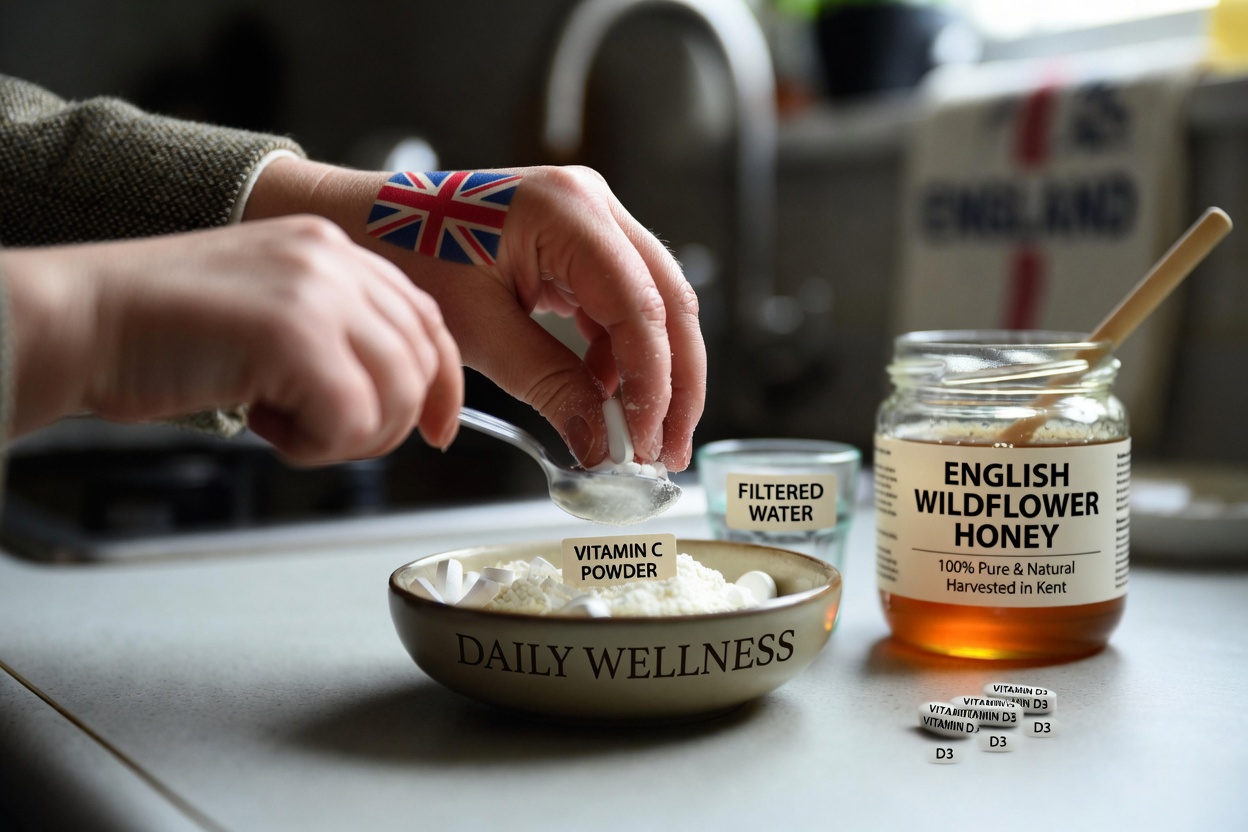
Another popular option is a full-face aspirin and honey mask. Honey is frequently added because it feels calming on the skin and acts as a natural humectant, which may help offset some of the dryness caused by aspirin powder.
A common version includes:
- 3 to 4 crushed uncoated aspirin tablets
- 1 teaspoon of raw honey
- Optional: a few drops of water or a mild carrier oil to improve spreadability
Mix the ingredients until smooth. Apply a thin layer to freshly cleansed skin, leave it on for up to 10 minutes, then rinse thoroughly.
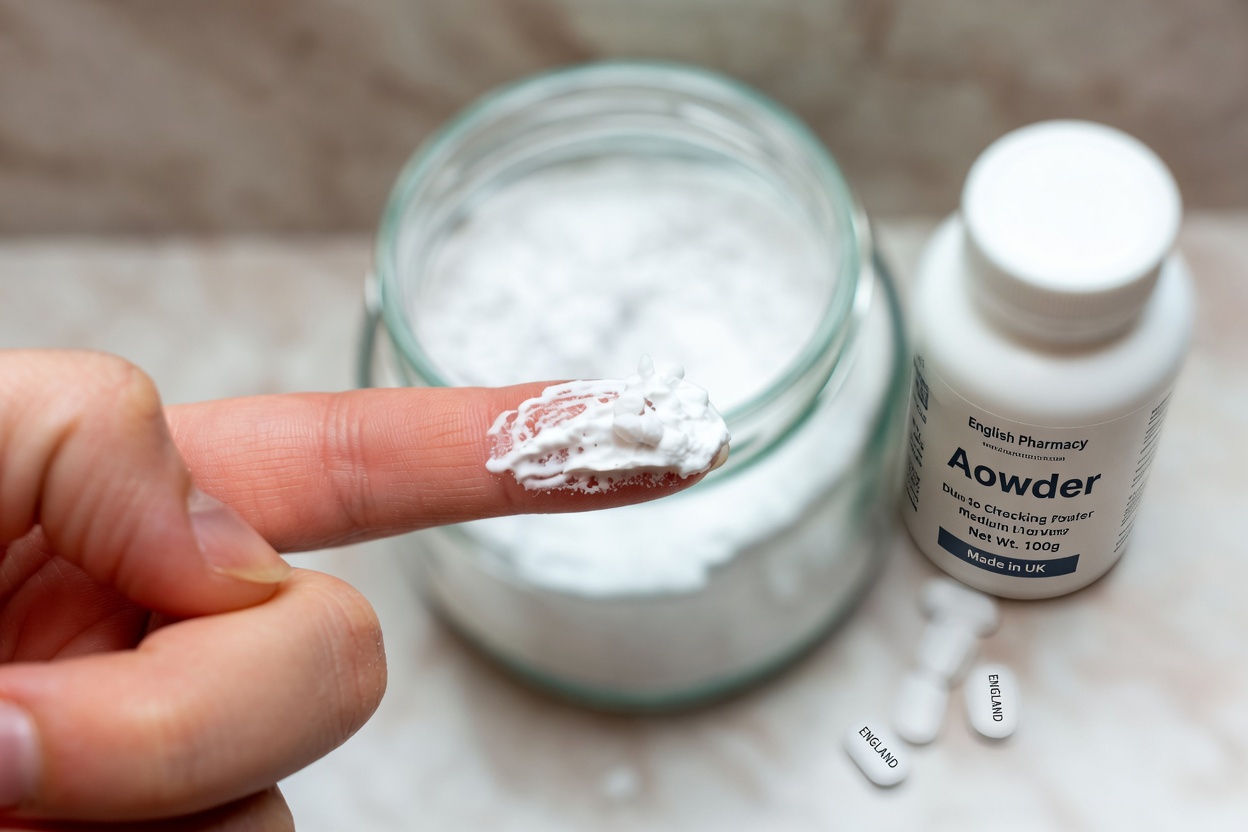
Some women use this mask once a week as part of a relaxing skincare routine. The goal is usually a gentle exfoliating sensation, while the honey helps the mixture feel more comfortable and less harsh.
Its popularity comes from being quick to prepare, inexpensive, and simple to make with ingredients many people already have at home.
Other DIY Aspirin Uses People Mention
In addition to spot treatments and masks, a few other aspirin-based ideas often appear in beauty discussions:
- Foot-softening soak: Crushed aspirin tablets mixed into warm water with a little lemon juice for a foot bath. Some people say this helps soften rough or callused skin before using a pumice stone.
- Targeted body paste: A very diluted aspirin mixture briefly applied to selected areas on the legs or thighs, then followed by moisturizer. This is sometimes mentioned in conversations about smoother or firmer-looking skin, although results vary.
These uses are largely anecdotal. Skin on the body may react differently from facial skin, so careful testing is still essential, especially on larger areas.
Quick Comparison of Common Aspirin Mixes
Here is a simple overview of the most talked-about options:
-
Water-based spot paste
- Fast and minimal
- Best suited for occasional, targeted use
- Often preferred by people with oily or combination skin
-
Aspirin and honey mask
- Feels more soothing during use
- Often considered better for normal to dry skin
- Offers a softer texture and easier application
-
Foot soak version
- Designed for thicker skin areas
- Uses a larger amount of liquid
- Usually paired with warm water for comfort
What Research Says About Aspirin and Skin
Some lab-based and observational studies have looked at aspirin’s role in inflammation and skin cell behavior. Certain research has explored whether it may support wound-healing environments or reduce inflammatory responses under controlled conditions. However, these findings typically involve specific formulations or oral use monitored by medical professionals, not homemade skincare pastes.
Salicylic acid, the related ingredient found in skincare products, is much better studied for exfoliation and pore-clearing benefits. It is used at controlled concentrations and carefully balanced pH levels in tested formulas. By contrast, crushed aspirin mixtures are far less consistent, which is why many dermatologists advise caution and often favor properly formulated over-the-counter products instead.
There has also been research into oral aspirin and possible links to reduced skin cancer risk, including melanoma in women. Results have been mixed. Some studies suggest possible long-term associations, while others are less conclusive. Experts do not recommend aspirin as a prevention strategy unless it is discussed with a doctor, especially because oral aspirin carries risks such as bleeding.
The bottom line: aspirin has properties that make it interesting in skincare conversations, but DIY use remains experimental rather than evidence-based.
How to Try Aspirin More Safely at Home
If you still want to explore these ideas, a careful approach can help reduce the chance of irritation:
- Always use plain, uncoated aspirin tablets.
- Begin with a very small amount.
- Keep the application time short.
- Never leave aspirin mixtures on overnight.
- Apply moisturizer after every use to help protect the skin barrier.
- Increase frequency only if your skin tolerates it well.
- Many women limit use to once or twice weekly at most.
- Wear sunscreen every day, since exfoliating methods can make skin more sun-sensitive.
- Store aspirin in a cool, dry place to help maintain stability.
If you have sensitive skin, eczema, rosacea, or if you are pregnant, it is usually best to avoid these experiments entirely.
Quick Checklist Before You Start
Before trying any aspirin skincare method, ask yourself:
- Have you done a patch test?
- Do you have any known aspirin or salicylate allergy?
- Is your skin free from cuts, irritation, or inflammation?
- Do you have moisturizer and sunscreen ready to use afterward?
When to Avoid Aspirin and Choose Other Skincare Options
DIY mixtures are not necessary for every skin concern. Many women get better results from a simple routine built around gentle cleansing, regular moisturizing, and products made with well-researched ingredients for their specific skin type.
If you want a more reliable plan without trial and error, speaking with a dermatologist can be especially helpful. Professional advice is important if you notice ongoing changes in skin texture, tone, or comfort.
Frequently Asked Questions
Can I apply aspirin to my face every day?
Daily use is generally not recommended. Most sources suggest keeping it to a few times per week at most. Using it too often can lead to dryness, irritation, and a weakened skin barrier.
Is aspirin the same as salicylic acid in skincare?
No. They are chemically related, but they are not the same. Salicylic acid in skincare products is formulated with controlled strength and pH for safer, more predictable results. Crushed aspirin creates a much less consistent mixture.
What should I do if aspirin irritates my skin?
Rinse the area immediately with cool water, then apply a gentle, soothing moisturizer. Do not use the mixture again until your skin has fully calmed. If the irritation continues or becomes severe, seek advice from a healthcare professional.