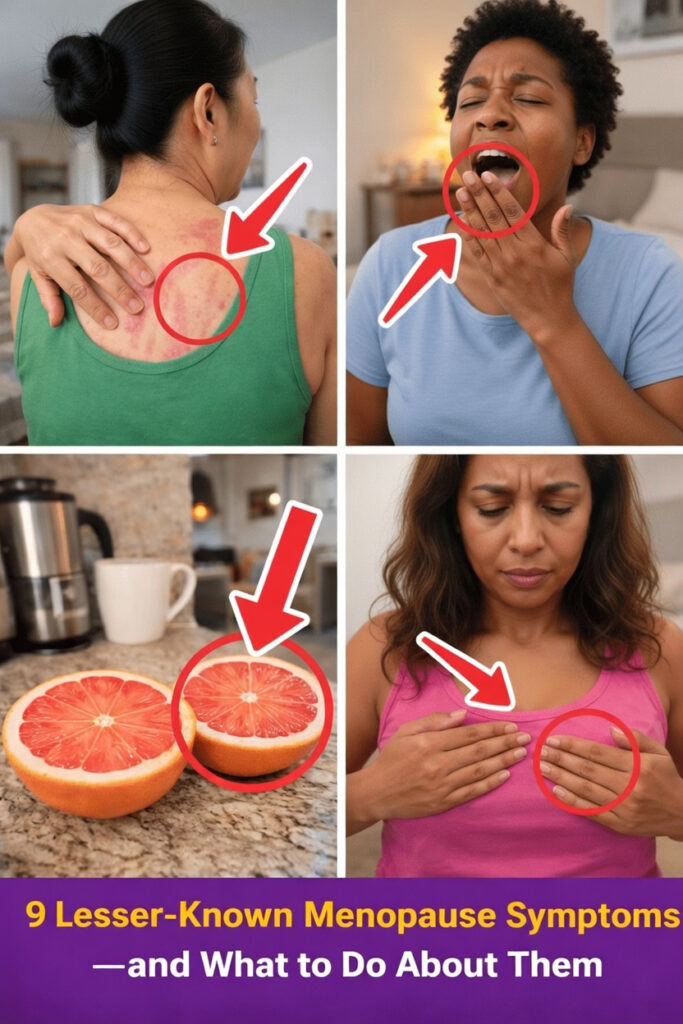
Unexpected Menopause Symptoms Many Women Don’t See Coming
If you are in your 40s or 50s and starting to notice physical changes that seem unusual, frustrating, or hard to explain, you are not alone. While many women associate menopause with hot flashes and night sweats, there are several other symptoms that can appear with little warning. These changes are often overlooked or mistaken for stress, normal aging, or unrelated health issues.
The reassuring part is that once you understand what may be happening, it becomes easier to manage symptoms and feel more confident in your body. And later in this article, you’ll find practical tips that many women use to feel better day to day.
Why These Symptoms Occur
During perimenopause and menopause, estrogen and other hormone levels rise and fall in irregular ways. These shifts affect far more than reproductive health. Hormones influence the skin, nervous system, joints, brain function, circulation, and even temperature control.
Although hot flashes are the most talked-about menopause symptom, research shows that many other effects are also common. Some are subtle, some are surprising, and many women do not realize they can be linked to menopause at all.
1. Tingling in the Hands and Feet
Some women experience a prickling or pins-and-needles sensation in their hands or feet, even when sitting still. It may feel similar to a limb “falling asleep” and can come and go unexpectedly. Hormonal fluctuations may affect the nervous system and circulation, which can contribute to this odd sensation.
What may help
- Try gentle physical activity such as walking or stretching to support blood flow.
- Keep your hands and feet warm with socks or gloves.
- Use slow, deep breathing to help your body relax when the sensation starts.
2. Burning Mouth or Changes in Taste
A burning, numb, or tingling feeling in the mouth can sometimes develop during menopause. Some women also notice a metallic or unusual taste without an obvious cause. Studies suggest that hormone changes may affect oral tissues and nerve sensitivity.
Simple ways to ease discomfort
- Drink cool water regularly throughout the day.
- Reduce spicy, acidic, or highly irritating foods.
- Chew sugar-free gum to encourage saliva production.
3. Dry, Itchy Skin and Brittle Nails
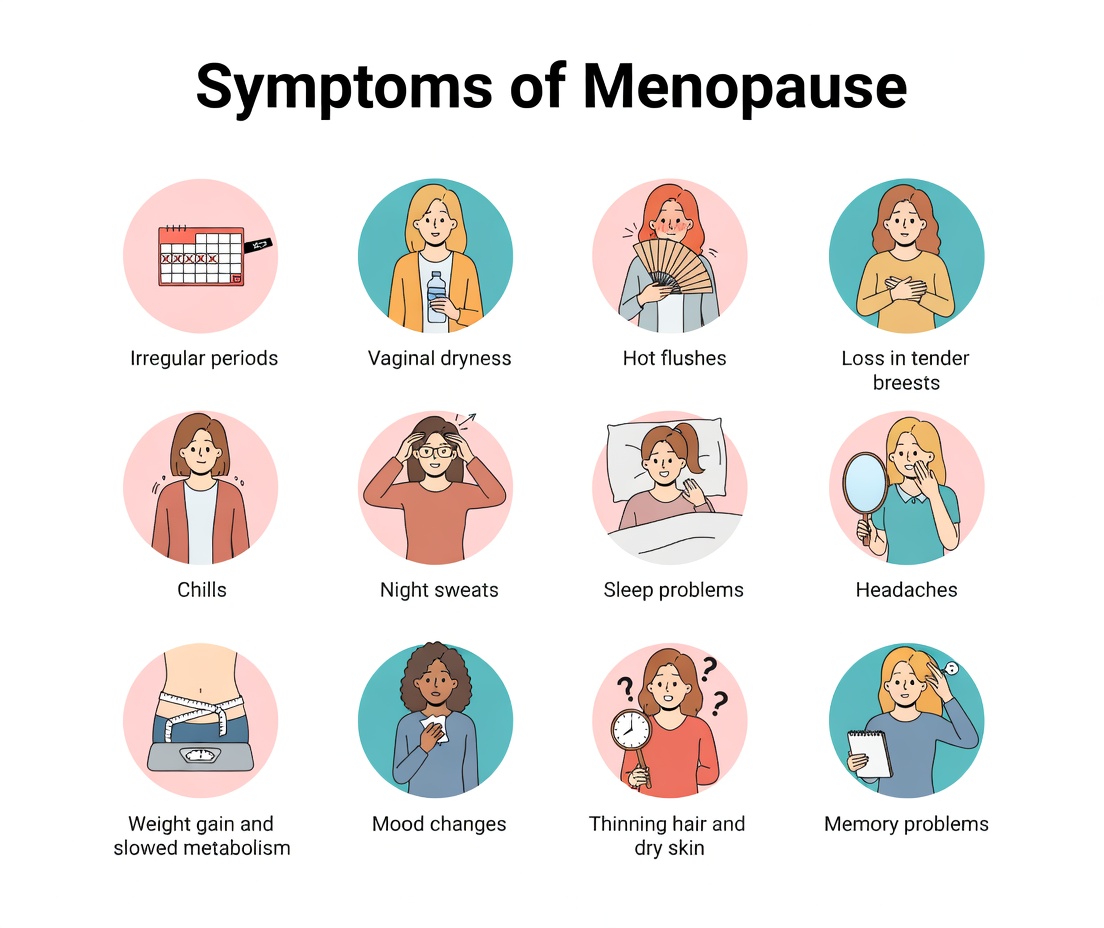
Skin may suddenly feel rougher, tighter, or itchier than before, especially on the arms and legs. Nails can also become weak and break more easily. Lower estrogen levels reduce collagen and natural oil production, which can make both skin and nails more fragile.
Supportive habits for skin and nails
- Apply a gentle, fragrance-free moisturizer every day, especially after bathing.
- Drink enough water and include omega-3-rich foods such as walnuts or salmon.
- Wear gloves during household chores to protect your hands.
4. Heart Palpitations or a Racing Heart
You may notice fluttering, pounding, or a sudden awareness of your heartbeat, particularly when resting or trying to relax. Hormonal shifts can influence the cardiovascular system, and many women report palpitations during menopause. In many cases they are harmless, but they should still be monitored.
Helpful strategies
- Practice relaxation methods such as meditation or slow breathing.
- Cut back on caffeine and keep hydration levels up.
- Track when the episodes happen so you can notice possible triggers or patterns.
5. Joint Pain and Stiffness
Menopause can also bring discomfort in the knees, hips, fingers, or other joints. These aches may seem to appear out of nowhere. Research suggests that falling estrogen levels may play a role in inflammation and joint function.
Practical ways to find relief
- Choose low-impact exercise like yoga, swimming, or walking.
- Use warm compresses on stiff or sore joints.
- Maintain a healthy body weight to reduce pressure on the joints.
6. Brain Fog and Difficulty Concentrating
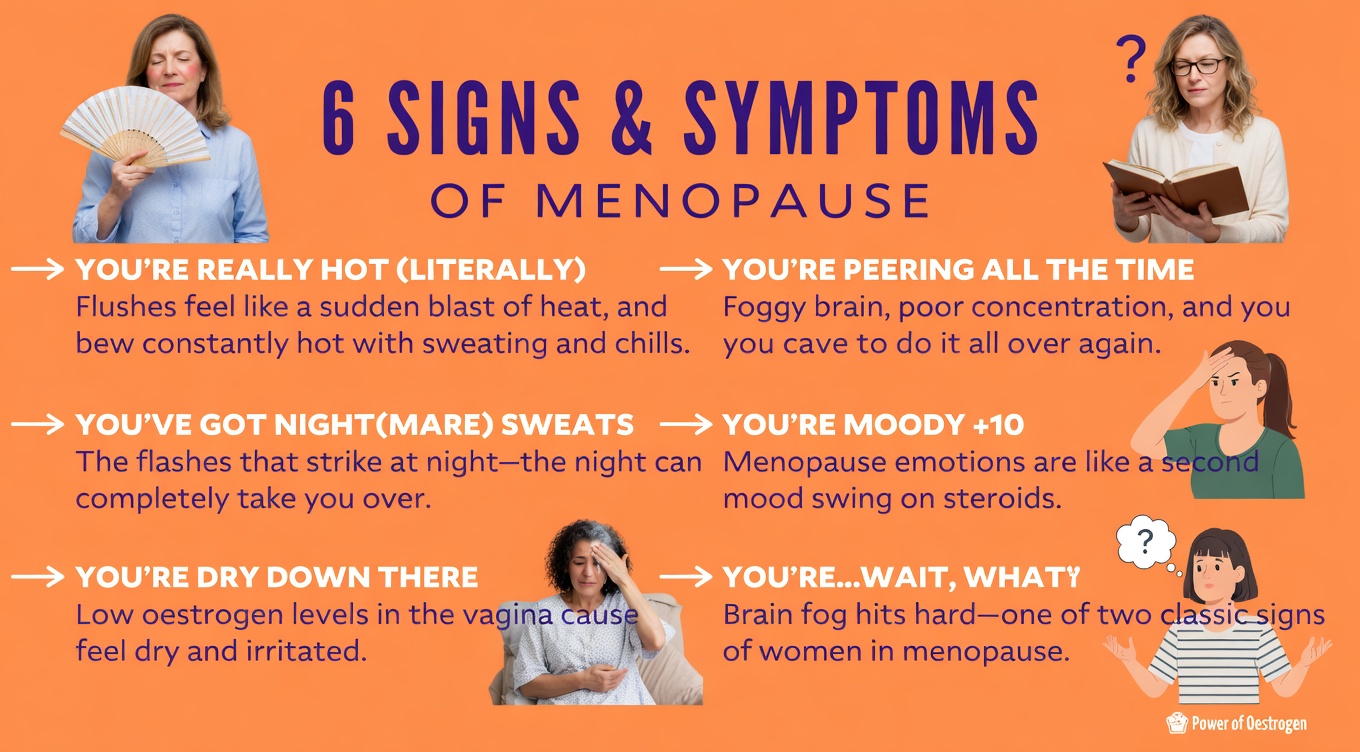
If you have walked into a room and forgotten why, lost your train of thought, or struggled to find familiar words, menopause may be part of the reason. Many women notice temporary issues with memory, mental clarity, and focus during this phase.
Ways to support mental sharpness
- Break large tasks into smaller steps.
- Use reminders, planners, or lists to stay organized.
- Prioritize sleep and take short rests if needed.
- Add nutrient-rich foods like berries and leafy greens to your meals.
7. Changes in Body Odor or Unusual Sweating
Menopause does not always show up as classic hot flashes. Some women notice a different body odor, sudden sweating, or even unexpected chills. Hormonal changes can alter the way sweat glands function and how the body regulates temperature.
Tips to manage it
- Wear breathable materials such as cotton.
- Use a mild deodorant if your skin is sensitive.
- Shower regularly with gentle soap and try to stay cool in warm conditions.
8. Ongoing Fatigue
Feeling exhausted all the time, even after a full night in bed, is another common but often misunderstood symptom. Hormones can affect energy levels directly, and sleep disturbances during menopause can make the tiredness worse.
Habits that may improve energy
- Go to bed and wake up at consistent times.
- Eat balanced meals with protein and complex carbohydrates.
- Take short walks during the day to support circulation and energy without overexertion.
9. Thinning Hair or New Facial Hair
Some women notice that hair on the scalp becomes thinner, while facial hair appears more visible on the chin or upper lip. As estrogen declines, androgen-related changes may become more noticeable.
Gentle ways to cope
- Use volumizing hair products and avoid tight hairstyles.
- Choose a haircut or style that adds fullness.
- Consider safe facial hair removal methods such as threading if it helps you feel more comfortable.
Everyday Habits That Can Make a Difference
Beyond managing each symptom individually, many women find that small daily routines improve their overall menopause experience.
Supportive lifestyle habits
- Stay hydrated: Aim for around 8 glasses of water each day to help with dryness and overall wellness.
- Keep moving: Even 20 to 30 minutes of walking can support mood, energy, and joint comfort.
- Eat nourishing foods: Focus on fruits, vegetables, whole grains, lean protein, and healthy fats.
- Make rest a priority: A calm evening routine can support better sleep quality.
- Stay connected: Talking with friends, family, or support groups can reduce stress and feelings of isolation.
Final Thoughts
Menopause can bring more changes than many women expect, and these lesser-known symptoms are often more common than they seem. Recognizing them as part of a natural life transition can reduce worry and help you respond with practical, supportive steps.
With healthy habits, self-awareness, and medical guidance when necessary, many women move through this stage more comfortably. You are not alone, and with time and care, these symptoms often become easier to manage.
FAQ
What causes lesser-known menopause symptoms such as tingling or dry skin?
Hormone fluctuations, especially declining estrogen, can affect the nerves, skin, joints, and other body systems. Research shows that these changes are a normal part of perimenopause and menopause.
Can lifestyle changes really improve symptoms like fatigue or brain fog?
Yes. Regular movement, nutritious meals, quality sleep, hydration, and stress reduction can make a meaningful difference for many women.
When should I speak with a doctor?
If symptoms become severe, interfere with daily life, or are accompanied by concerns such as irregular bleeding or other unusual changes, it is best to contact a healthcare provider for personalized advice.