
Why Nighttime Urination Becomes More Common With Age
As people age, the body often makes less of the hormone responsible for concentrating urine overnight. As a result, the bladder may fill faster during sleep hours. When this is combined with evening drinking habits, certain trigger foods, or prostate-related changes in men, nighttime bathroom visits can become more frequent.
Research also suggests that a diet rich in fruits and vegetables is generally associated with fewer urinary storage symptoms, including nocturia. That means nutrition may play a helpful role in supporting better bladder comfort at night.
The good news is that some dry fruits are especially notable for their nutrient content and may offer gentle support for urinary wellness and more restful sleep.
Why Dry Fruits Can Be Helpful in an Evening Routine
Dry fruits provide concentrated nutrition in a small serving. They often contain fiber, minerals, antioxidants, and other beneficial plant compounds. When eaten in moderation before bed, they can offer light, steady nourishment without feeling overly heavy.
Some research has examined how dried fruits may affect nighttime urination patterns. One report suggested that dried fruit intake could help reduce nocturnal polyuria in certain individuals. While results vary from person to person, a few easy-to-find options are often discussed for bladder-friendly evening habits.

1. Dried Cranberries for Bladder Support
Dried cranberries are well known for their antioxidant content, especially proanthocyanidins. Studies involving dried cranberry powder have indicated that it may help lower urinary urgency and reduce the number of daily bathroom trips in people with overactive bladder symptoms. In one randomized trial, those who consumed dried cranberry products showed improvement in urination patterns over time.
How to enjoy dried cranberries
- Begin with a small portion, around 1/4 cup, taken 1 to 2 hours before bedtime.
- Choose unsweetened dried cranberries whenever possible to avoid extra sugar.
- Combine them with a few nuts if you want a more balanced snack with added protein.
For some people, this small evening habit may help reduce sleep interruptions caused by bladder urgency.
2. Raisins as a Traditional Option for Nighttime Comfort
Raisins are often mentioned in personal stories and traditional home approaches for reducing nighttime urination. Many people report that eating a small amount before sleep helps them wake less often to use the bathroom. Although large-scale studies have not fully confirmed the exact reason, raisins contain natural carbohydrates, fiber, and potassium, all of which contribute to overall fluid and mineral balance.
Practical ways to use raisins
- Try about 2 tablespoons of plain raisins in the evening.
- Eat them slowly as a small, mindful snack rather than in large amounts.
- This traditional remedy has been discussed in health communities, including sources such as The People’s Pharmacy, as a simple strategy worth trying for mild nocturia.
A number of people say this practice helps them sleep more continuously through the night.
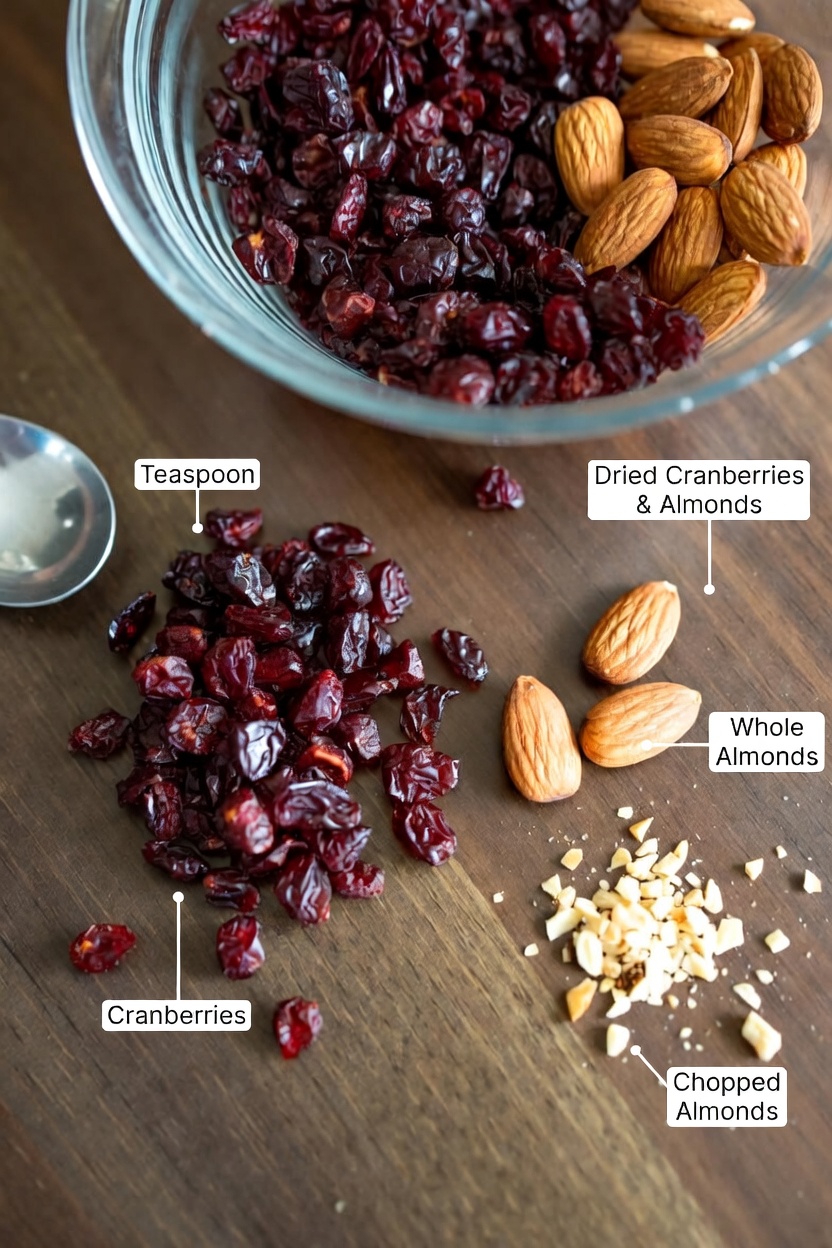
3. Almonds for Relaxation and Nutritional Balance
Although almonds are technically nuts, they are often included in discussions about dry fruits in many regions. Almonds are rich in magnesium, fiber, and healthy fats. Magnesium is important for muscle relaxation, including muscles involved in bladder control. In addition, fiber can help prevent constipation, which is important because bowel pressure may worsen bladder symptoms.
Simple ways to add almonds at night
- Eat a small handful, roughly 10 to 15 almonds, in the evening.
- If preferred, soak them briefly to make them easier to digest.
- Their nutrient profile fits well with bladder-friendly eating patterns that support overall comfort.
Almonds can be a satisfying and nourishing way to end the day.
Quick Comparison: What Makes These Three Stand Out
Here is why these options are frequently highlighted for urinary wellness support:
- Dried cranberries — rich in antioxidants and associated in some studies with less urgency and improved urinary patterns
- Raisins — affordable, convenient, and commonly used in traditional nighttime routines
- Almonds — provide magnesium, fiber, and nutrients that support relaxation and digestive balance
All three are easy to find, require little to no preparation, and can be added to an evening routine without much effort. It is best to start with one option and observe how your body responds over several weeks.
A Simple Evening Routine to Try
If you want to test whether dry fruits help with nighttime bladder comfort, try this routine:
- Reduce fluid intake 2 to 3 hours before going to bed.
- If you feel thirsty, take only small sips rather than large drinks.
- Raise your legs for about 30 minutes in the evening to support fluid redistribution.
- Choose one of the dry fruits above, or a small mix of them, keeping the total amount to a modest handful.
- Eat slowly in a calm environment to support relaxation.
- Keep track of your sleep and bathroom trips for 1 to 2 weeks.
You may also improve results by pairing this habit with other healthy strategies, such as maintaining a healthy weight and avoiding evening bladder irritants like caffeine and alcohol.

What Research Says About Diet and Nocturia
Scientific findings suggest that eating patterns rich in fruits, vegetables, and fiber are linked with fewer urinary complaints. No single food works as a guaranteed solution, but dried cranberries, raisins, and almonds all provide nutrients that fit into a bladder-supportive diet.
At the same time, individual responses can differ. A food that helps one person may not have the same effect for another. Paying attention to your own body remains important.
Conclusion: Small Dietary Changes May Improve Sleep
Adding dried cranberries, raisins, or almonds to your evening routine may be a simple and natural way to support bladder comfort and reduce nighttime disruptions. These foods are easy to include, require minimal effort, and are supported by a mix of research findings and positive personal experiences.
Start with a small serving, stay consistent, and notice how your body reacts. Even minor changes can sometimes lead to calmer nights and better rest.
FAQ
How much dry fruit should I eat before bed?
A small handful, or about 1/4 cup total, is a sensible starting point. This helps you avoid overeating, excess calories, or digestive discomfort. You can adjust the amount based on how you feel.
Are there any dry fruits I should avoid in the evening?
Highly processed, sugary, or overly acidic dried fruits may irritate some people. It is usually better to choose natural, unsweetened options like the ones discussed above.
Can dry fruits replace medical treatment for frequent nighttime urination?
No. Dietary changes may offer support, but ongoing or severe nocturia should be evaluated by a doctor to rule out underlying medical causes.