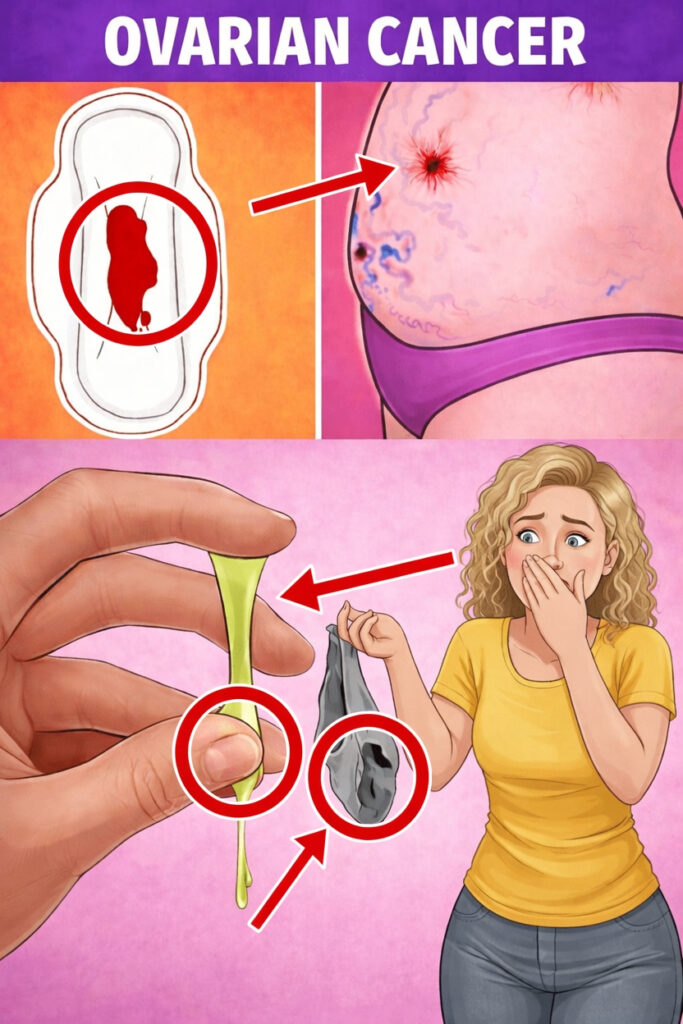
8 Ovarian Cancer Signs Women Should Never Ignore
Many women notice small changes in their bodies and dismiss them as stress, digestive trouble, or simply getting older. In some cases, however, these symptoms may be linked to a more serious health issue like ovarian cancer. Because its warning signs often resemble common everyday problems, this condition is frequently missed until it has progressed.
That uncertainty can be exhausting. Ongoing discomfort may interrupt daily life and leave you questioning whether it is just a normal part of being a woman. The good news is that awareness matters. Recognizing persistent symptoms can help you start an important conversation with your doctor sooner rather than later.
In this article, you will learn eight important signs supported by trusted medical sources, along with simple ways to stay alert to changes in your body and protect your health.
Why Ovarian Cancer Symptoms Are Commonly Missed
Ovarian cancer is difficult to detect early because its first symptoms are often mild, gradual, and nonspecific. According to organizations such as the Mayo Clinic and the American Cancer Society, many women confuse these signs with less serious issues like irritable bowel syndrome, menstrual-related discomfort, or urinary infections.
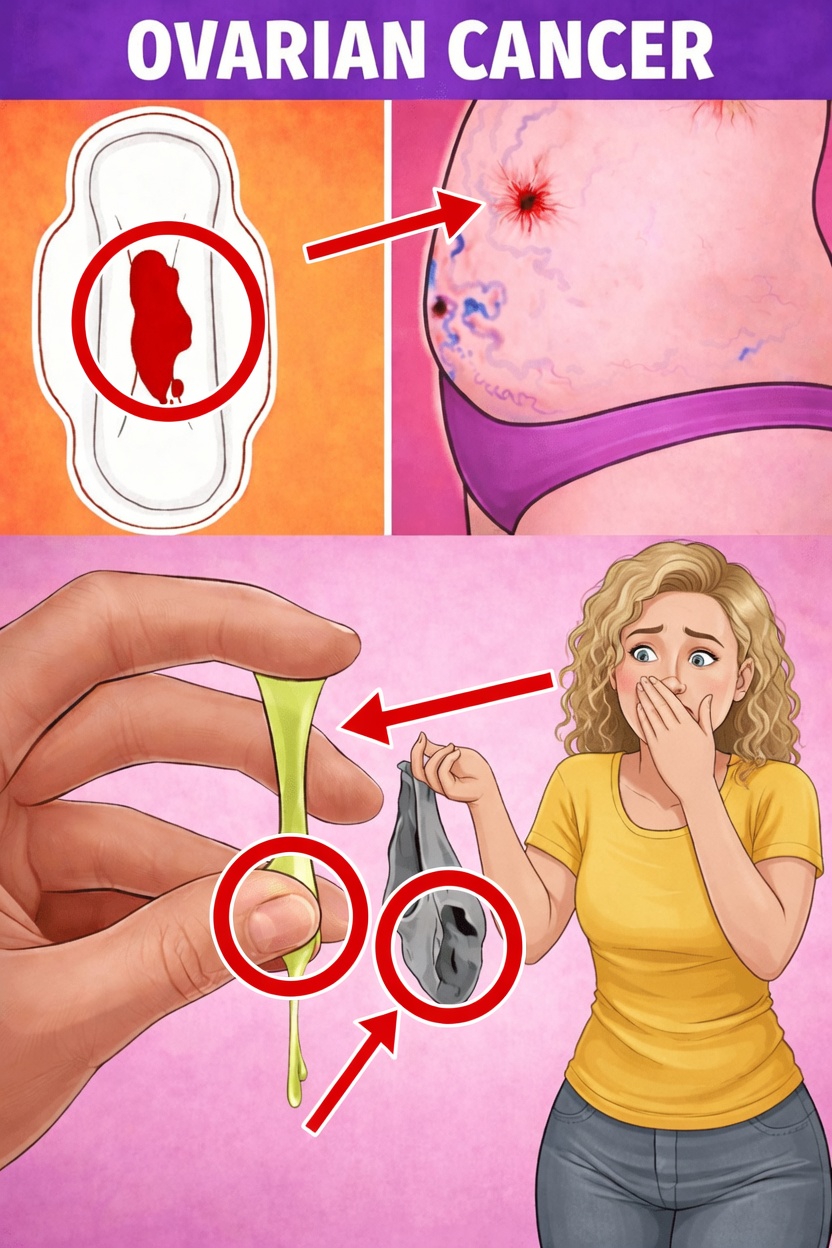
This is one reason ovarian cancer is often diagnosed at a later stage. Still, there is an encouraging takeaway: paying close attention to what feels different for your body can help you seek medical advice earlier.
Experts note that symptoms deserve closer attention when they continue for several weeks and happen often. What matters most is recognizing what is new, unusual, or persistent for you.
8 Symptoms Worth Paying Attention To
Health authorities, including the Cleveland Clinic and the National Ovarian Cancer Coalition, frequently highlight the following symptoms. Having one or more of them does not automatically mean you have ovarian cancer, but if they continue, you should speak with a healthcare professional.
1. Ongoing Abdominal Bloating or Swelling
Your stomach may feel tight, heavy, or visibly enlarged even when you have not eaten much. You might also notice that clothes around your waist no longer fit the same way. Unlike normal bloating that comes and goes, this sensation tends to linger.
2. Pelvic or Lower Abdominal Pain
A persistent ache, pressure, or discomfort in the pelvic area or lower abdomen can appear without an obvious reason. It may feel different from regular menstrual cramps and can gradually become more noticeable over time.
3. Feeling Full Very Quickly
You may find that eating only a small amount leaves you uncomfortably full. Some women also experience reduced appetite or mild nausea after just a few bites, making meals feel unusual or unpleasant.

4. Frequent or Urgent Urination
A sudden need to urinate more often than usual is another possible warning sign. This may happen even if you do not have a urinary infection and have not increased your fluid intake.
5. Changes in Bowel Habits
Constipation, diarrhea, indigestion, gas, or an upset stomach that does not improve may also be important to note. A clear shift from your normal digestive pattern should not be ignored if it continues.
6. Unexplained Fatigue
Severe tiredness that does not improve with rest can interfere with work, family life, and everyday tasks. Many women describe it as feeling constantly drained despite getting enough sleep.
7. Back Pain
Persistent lower back pain, especially when it appears alongside other symptoms on this list, may be another clue. If the discomfort is new and cannot be explained by activity or injury, it is worth paying attention to.
8. Unusual Pressure or Heaviness in the Abdomen or Pelvis
Some women notice a lingering sensation of fullness, heaviness, or pressure in the lower belly or pelvic area. In certain cases, this may also occur with subtle weight changes or other body changes.
These symptoms often do not appear alone. In many cases, the real warning sign is the pattern they create together.
How to Monitor These Symptoms in Everyday Life
You do not need complicated tools to stay aware of body changes. A few simple habits can make it easier to notice what is happening and explain it clearly at a medical appointment.
- Keep a brief symptom journal for two to four weeks.
- Write down how often symptoms happen, how strong they feel, and how long they last.
- Note specific examples such as: “Bloating after lunch that continued through the afternoon.”
- Ask yourself whether the symptoms are new, occurring most days, or becoming worse.
- Contact your doctor if the symptoms last more than a few weeks or affect your normal routine.
- Stay consistent with routine check-ups, especially if you have a family history or other known risk factors.

This simple tracking habit can help you notice patterns early and provide useful details when speaking with a healthcare provider.
What Trusted Health Sources Emphasize
Major medical organizations consistently point to four symptoms as especially important:
- Persistent bloating
- Pelvic or abdominal pain
- Trouble eating or feeling full quickly
- Urinary urgency or frequent urination
The American Cancer Society explains that these signs often occur together rather than separately. The Mayo Clinic also notes that fatigue, bowel changes, and back pain may appear alongside them.
Although these symptoms can also happen with many noncancerous conditions, what makes them more concerning is their frequency and persistence. If they occur daily or nearly every day for several weeks, they should be evaluated.
Another important point is that there is no standard routine screening test for ovarian cancer in women at average risk. That makes self-awareness especially important.
When to Talk to a Doctor
If any of these symptoms sound familiar and they are not going away, do not ignore them. Reaching out to your doctor early can lead to the right next steps, which may include a pelvic exam, imaging tests, or blood work if appropriate.
Trust what your body is telling you. Persistent changes deserve attention, even if they seem mild at first.
Final Thoughts
Understanding these eight possible signs of ovarian cancer can help you take a more active role in your health. While many of these symptoms may be caused by less serious conditions, ongoing and unusual changes should never be brushed aside.
Ovarian cancer affects thousands of women each year, and earlier medical attention can make a meaningful difference. Stay aware, listen to your body, and do not hesitate to seek professional advice when something feels off.
Frequently Asked Questions
What are the most common early signs of ovarian cancer?
The symptoms most often mentioned are persistent bloating, pelvic or abdominal pain, feeling full quickly while eating, and frequent urination. These often happen together and continue for several weeks.
Can these symptoms be caused by something other than ovarian cancer?
Yes. These signs are often linked to digestive issues, hormonal changes, or infections. The key difference is usually how long they last and whether they appear in combination.
Is there a routine screening test for ovarian cancer?
At this time, there is no reliable routine screening test for women who have no symptoms and are not considered high risk. For most women, paying attention to body changes remains the best first line of awareness.