Large Plantain: The Overlooked Wild Herb with Remarkable Health and Culinary Value
Have you ever seen a cluster of wide, ribbed leaves growing along a sidewalk or in a yard and assumed it was just another weed? That common-looking plant may actually be large plantain (Plantago major), a highly valuable wild herb found across the world, including Vietnam. Although often ignored, this resilient plant is rich in nutrients and well known for its traditional healing uses.
Large plantain has long been used to calm coughs, support wound care, and add nutrition to everyday meals. If you want a natural ingredient that supports wellness while also offering practical uses in the kitchen, this humble plant deserves attention.
What Is Large Plantain?
Large plantain (Plantago major) is a hardy perennial herb that grows easily in many climates and landscapes. It adapts well to temperate regions and can be found in lawns, fields, footpaths, and other disturbed areas. In Vietnam and many other countries, it appears so commonly that people often overlook its value.
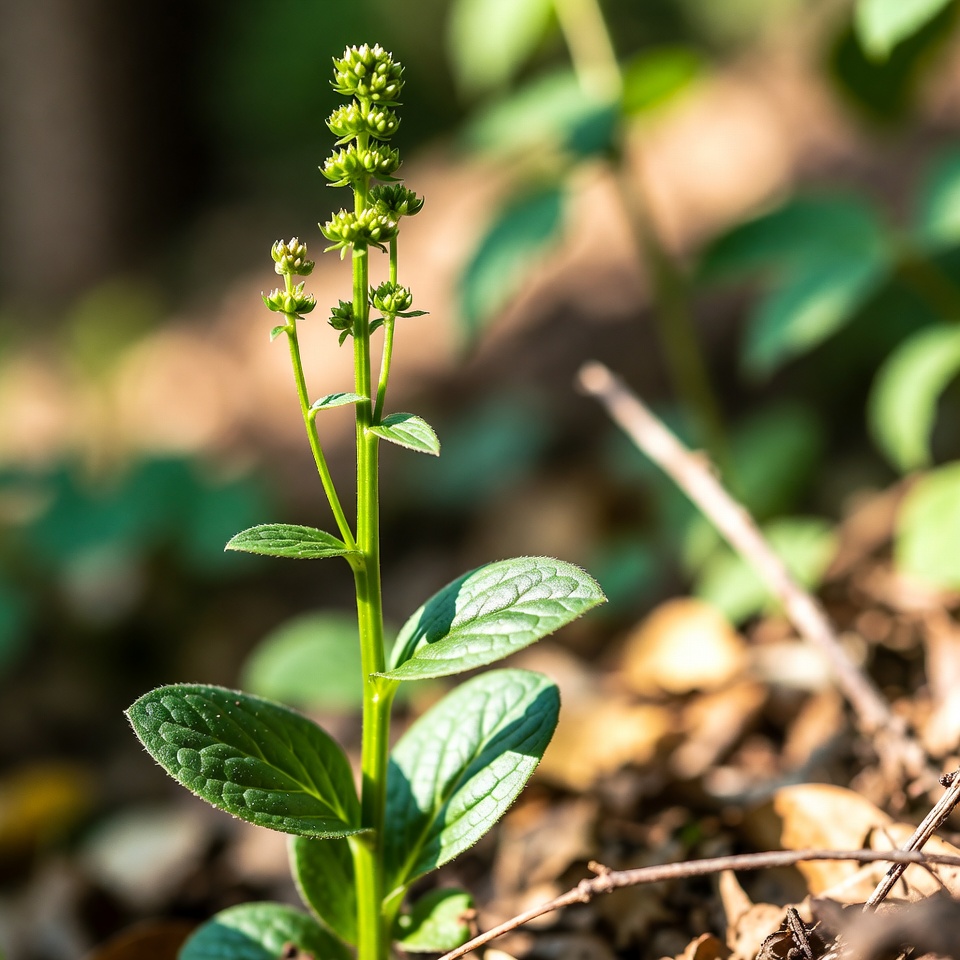
The plant is easy to recognize by its broad, oval leaves, which spread close to the ground in a rosette shape. These leaves have clearly visible parallel veins running from base to tip. From the center of the plant, narrow flower stalks grow upward, producing tiny flowers and later edible seeds.
For generations, large plantain has been appreciated in traditional medicine and food cultures throughout Europe and Asia. Today, scientific interest in the plant continues to grow because of its beneficial compounds, including aucubin and flavonoids.
How to Identify Large Plantain
Recognizing large plantain in the wild is fairly straightforward if you know what to look for.
Leaves
- Broad and oval in shape
- Thick, slightly leathery texture
- Usually marked by 5 to 9 strong parallel veins
- Grow in a low rosette close to the soil
Flowers and Seeds
- Thin, upright stalks rise from the center
- Small greenish-white flowers form densely along the stalk
- These later produce edible seeds
Growth Pattern
- Common in compacted or disturbed soil
- Often appears in lawns, pathways, gardens, and open ground
- Grows well in both sunny and partially shaded places
When foraging, always collect from clean, chemical-free locations to avoid contamination.
Nutritional and Medicinal Value of Large Plantain
Large plantain is much more than a survival food or folk remedy. It contains a useful combination of vitamins, minerals, and plant compounds that can support overall health.
Rich in Essential Nutrients
This wild herb provides:
- Vitamin A
- Vitamin C
- Vitamin K
- Calcium
- Potassium
- Iron
These nutrients contribute to immune function, bone strength, and healthy energy levels.
Strong Antioxidant Content
Large plantain contains antioxidants such as flavonoids and aucubin, which help protect the body from oxidative stress. These compounds may also help lower inflammation and support long-term health.
Anti-Inflammatory and Antimicrobial Properties
Studies on medicinal plants have shown that large plantain contains natural substances that may help:
- Calm inflammation
- Inhibit certain microbes
- Support skin recovery
- Reduce the risk of infection in minor wounds
Main Health Benefits of Large Plantain
One of the reasons large plantain remains popular in traditional wellness systems is its wide range of applications. Its benefits are both historically respected and increasingly supported by research.
Helps Cool the Body and Supports Fluid Balance
In traditional Vietnamese medicine, large plantain is often used for its cooling nature. It is also valued as a mild diuretic, meaning it may help the body eliminate excess fluid and support kidney and urinary health.
Soothes Coughs and Bronchial Irritation
The leaves contain mucilage, a gel-like substance that can coat and calm irritated tissues. This makes large plantain useful for easing:
- Coughs
- Throat irritation
- Mild bronchial discomfort
- Excess phlegm
Aids Wound Care and Skin Relief
Crushed fresh leaves have long been applied directly to the skin. Used topically, they may help:
- Reduce swelling
- Soothe rashes
- Calm insect bites
- Support faster healing of minor cuts and scrapes
Supports Digestion
Consumed as a tea or vegetable, large plantain offers fiber and soothing compounds that may benefit the digestive tract. It can help promote gut comfort and ease mild digestive irritation.
Culinary Uses of Large Plantain
Large plantain is not only medicinal. It is also a practical and nutritious ingredient that can be incorporated into many dishes. Its flavor is mild to slightly bitter, especially in mature leaves, and it works well in both simple and creative recipes.
Eat It Raw or Cooked
Young leaves are the best choice for eating fresh. They can be:
- Added to salads
- Mixed with a lemon-based dressing
- Combined with other greens
Older leaves are better cooked. Try them:
- Sautéed with garlic
- Stir-fried with other vegetables
- Cooked like spinach
Brew It as Herbal Tea
A simple plantain tea can be made by steeping 5 to 6 fresh or dried leaves in hot water for 5 to 7 minutes. The result is a mild herbal drink often used for soothing and detox support. Honey can be added if desired.
Add It to Soups and Stews
Chopped large plantain leaves can be stirred into:
- Broths
- Vegetable soups
- Light stews
Add them near the end of cooking to preserve their texture and nutritional value.
Use the Seeds
The seeds are edible and can also be used in the kitchen. Once collected and dried, they can be:
- Ground into a flour-like powder for baking
- Sprinkled over food for texture
- Added to dishes for a mild nutty note
How to Harvest and Prepare Large Plantain
Whether you gather it from the wild or grow it yourself, proper harvesting and preparation will improve both safety and flavor.
Pick Young Leaves
For the best taste and tenderness, choose young, fresh leaves in spring or early summer. Older leaves tend to be tougher and more bitter.
Wash Carefully
Because the leaves grow close to the ground and have textured surfaces, they can collect dirt easily. Rinse thoroughly under running water before using.
Prepare Before Cooking
To soften the leaves and reduce bitterness:
- Blanch them for 1 to 2 minutes
- Drain and use in cooked dishes
Very young leaves can also be used raw.
Store Properly
- Wrap fresh leaves in a damp cloth and refrigerate for up to one week
- Dry leaves for tea and keep them in an airtight container for long-term storage
Safety Tips and Precautions
Large plantain is generally considered safe for most people, but it is still important to use it responsibly.
Speak with a Healthcare Professional
If you are:
- Pregnant
- Breastfeeding
- Taking diuretics
- Using blood-thinning medication
consult a healthcare provider before using large plantain regularly, as interactions may occur.
Check for Sensitivity
Before using it extensively, test a small amount first. You can:
- Apply a crushed leaf to a small patch of skin
- Taste a small portion
This helps identify possible sensitivities, which may include mild skin irritation or digestive discomfort.
Avoid Polluted Harvesting Sites
Do not forage from areas that may be contaminated, such as:
- Roadsides
- Industrial zones
- Chemically treated lawns
- Pesticide-exposed land
Large plantain can absorb substances from the soil, so clean harvesting locations are essential.
Consume in Moderation
Because it contains a good amount of fiber, eating too much at once may cause digestive discomfort. A moderate amount, such as 1 to 2 cups daily, is a sensible guideline, especially when eating it raw.
Why Large Plantain Deserves a Place in Your Routine
Large plantain challenges the idea that all weeds are useless. In reality, it is a nutrient-rich wild herb with important traditional and modern uses. Its vitamins, antioxidants, and soothing mucilage make it especially valuable for:
- Respiratory support
- Minor wound care
- Digestive wellness
- General natural health
It is also inexpensive, sustainable, and easy to find or grow. That makes it an excellent option for home cooks, herbal enthusiasts, gardeners, and foragers alike.
Bring Large Plantain Into Your Life
Large plantain (Plantago major) may be growing right outside your door, yet many people never realize how beneficial it can be. With its cooling effects, healing potential, and impressive nutritional profile, this wild herb offers a simple way to support both health and everyday meals.
Use it safely, harvest it from clean environments, and experiment with its leaves, seeds, and tea. Whether you add it to a salad, brew it into a soothing drink, or keep it on hand as part of a natural wellness routine, large plantain is a wild superfood worth discovering.