
4 Fruits That Can Gently Support Kidney Health
As people get older, many begin to pay closer attention to their kidney health. Everyday issues such as chronic stress, not drinking enough water, and a diet high in processed foods can place extra pressure on the kidneys as they work to remove waste and maintain fluid balance. Over time, this may contribute to tiredness, discomfort, or concern about long-term health.
The encouraging news is that small daily habits can make a difference. One simple step is adding nutrient-dense fruits to your meals. Certain fruits offer hydration, antioxidants, fiber, and plant compounds that help the body stay in balance and support overall wellness.
What may surprise you is that some of the best choices are common fruits you may already enjoy. Below are four standout options, supported by nutritional research, along with easy ways to include them in your routine.
Why Fruit Can Help Support the Kidneys
The kidneys perform essential functions every day. They filter the blood, remove waste products, and help control fluid levels in the body. Eating foods rich in water and protective antioxidants may help reduce oxidative stress and support healthy hydration, both of which are important for kidney function.
Organizations such as the National Kidney Foundation often point to fruits rich in vitamins, fiber, and beneficial plant compounds as valuable parts of a balanced, kidney-conscious diet.
These fruits are not a miracle detox solution. Instead, they support healthy habits that may help the kidneys function more efficiently over time. Here are four fruits that are often recommended.

1. Pineapple: A Refreshing Fruit with Anti-Inflammatory Benefits
Pineapple is especially notable because it contains bromelain, a natural enzyme linked to anti-inflammatory effects. Research suggests that bromelain may help the body manage inflammation, and this matters because ongoing inflammation can place stress on multiple organs, including the kidneys.
Another reason pineapple is often included in kidney-friendly eating plans is that it is relatively lower in potassium and sodium than many other tropical fruits. It also provides a generous amount of vitamin C, which helps protect cells from oxidative stress and supports immune health.
Easy Ways to Eat More Pineapple
- Enjoy fresh pineapple slices as a snack, about 1/2 to 1 cup at a time
- Add it to smoothies with other lower-potassium fruits such as berries
- Lightly grill pineapple for a naturally sweet dessert
Pineapple also contains plenty of water, which adds to its value for hydration and daily kidney support.
2. Red Grapes: Small Fruit, Strong Antioxidant Potential
Red grapes, along with green grapes, contain natural compounds such as resveratrol and flavonoids. These substances have been studied for their possible role in supporting cardiovascular health and reducing inflammation. Some animal research also suggests that grapes may benefit kidney tissue by supporting mitochondrial activity and influencing immune responses.
In addition to antioxidants, grapes provide fiber and fluid. They are naturally low in sodium and offer a sweet flavor without the need for added sugar.
Simple Ways to Add Grapes to Your Day
- Freeze a small handful for a refreshing snack
- Toss them into salads for extra texture and sweetness
- Pair them with a little cheese for a satisfying balanced snack
Much of the fruit’s beneficial plant content is found in the skin, so eating grapes whole can help you get the most nutritional value.
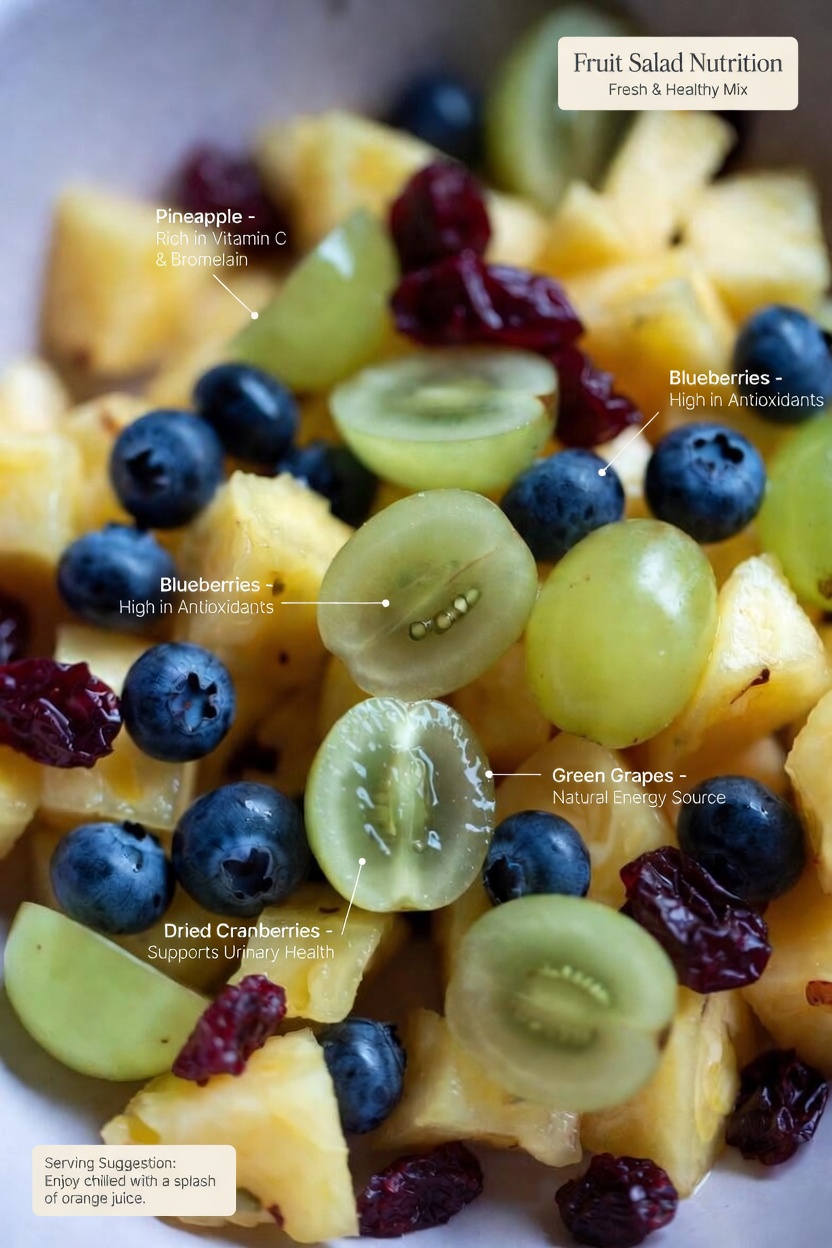
3. Blueberries: Tiny Berries Packed with Protective Nutrients
Blueberries are frequently listed by kidney-focused nutrition sources such as DaVita and the National Kidney Foundation. They are rich in anthocyanins, the antioxidants responsible for their deep blue color. These compounds help protect cells from damage caused by free radicals.
Blueberries are also low in calories and a good source of fiber, making them an excellent addition to a health-conscious eating pattern. By helping reduce inflammation and oxidative stress, they may indirectly support kidney function and overall well-being.
Practical Ways to Enjoy Blueberries
- Sprinkle them over oatmeal or yogurt at breakfast
- Blend them into a smoothie in the morning
- Eat about 1/2 cup fresh as a midday snack
Their intense color is a sign of their nutrient density, making them both visually appealing and highly nutritious.
4. Cranberries: Best Known for Urinary Tract Support
Cranberries are widely recognized for promoting urinary tract health. They contain proanthocyanidins, compounds that may help prevent certain bacteria from attaching to the walls of the urinary tract. Since urinary health is closely tied to kidney health, this can be especially helpful.
Cranberries also provide vitamin C and a range of antioxidants. To keep them a healthier option, it is best to choose fresh, unsweetened, or low-sugar forms whenever possible.
Easy Ways to Include Cranberries
- Add a small amount of dried cranberries to homemade trail mix
- Mix them into salads or use them in sauces
- Drink unsweetened cranberry juice diluted with water
Using different fruits throughout the week keeps your meals more interesting and helps you benefit from a wider range of nutrients.
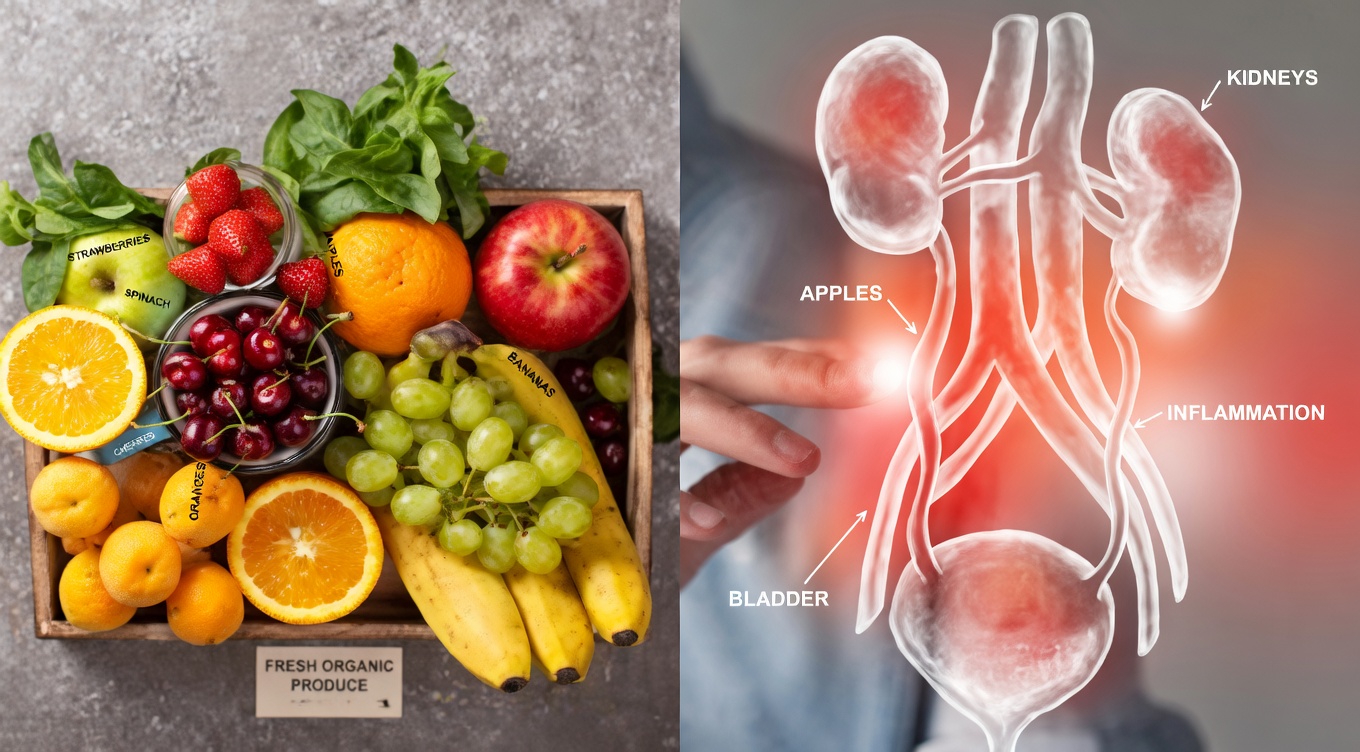
Quick Overview: What Makes These 4 Fruits Stand Out
Here is a quick comparison of their main strengths:
- Pineapple — bromelain, vitamin C, hydration support
- Red grapes — resveratrol, flavonoids, fiber, naturally low sodium
- Blueberries — anthocyanins, strong antioxidant profile, low in calories
- Cranberries — proanthocyanidins, vitamin C, urinary tract support
One reason these fruits are often favored is that they provide protective nutrients and water without being especially heavy in potassium or phosphorus for most people.
Practical Steps You Can Start Today
If you want to support your kidneys with simple dietary changes, begin with manageable actions:
- Choose one fruit from this list and add a serving to your meals tomorrow.
- Pay attention to how you feel over the next week, including your energy and general comfort.
- Combine these fruits in a simple fruit salad with pineapple, halved grapes, blueberries, and a small amount of cranberries.
- Keep drinking enough water throughout the day, since hydration remains essential.
- Speak with your doctor or dietitian before making significant diet changes, especially if you already have kidney disease or another medical condition.
Small decisions repeated consistently often lead to meaningful health benefits over time.
Conclusion: Simple Fruit Choices for Better Daily Kidney Support
Pineapple, red grapes, blueberries, and cranberries can all be smart additions to a kidney-supportive lifestyle. They offer hydration, antioxidants, fiber, and natural plant compounds that may help protect the body and support healthy kidney function.
They are also easy to find, reasonably affordable, and enjoyable to eat in many different ways. Start slowly, include them regularly, and pay attention to what works best for your body.
FAQ
What makes these fruits good for kidney support?
They provide water, antioxidants, fiber, and plant compounds that may help reduce oxidative stress and support overall balance in the body. In many cases, they are also relatively lower in nutrients that may need to be limited, such as excess sodium or potassium.
How much of these fruits should I eat each day?
A practical starting point is about 1/2 to 1 cup per serving, spread across the day as part of a varied and balanced diet. Moderation is important.
Can I eat these fruits if I already have kidney problems?
Many of these fruits appear in kidney-friendly nutrition guidance, but individual needs can vary. If you have kidney concerns, it is best to ask a healthcare professional or registered dietitian for advice based on your condition and lab results.