Soursop and Prostate Health: What Current Research Really Suggests
Many men over 50 deal with symptoms linked to an enlarged prostate, such as waking up multiple times at night to urinate, reduced urine flow, and the lingering feeling that the bladder has not fully emptied. These issues may seem minor at first, but they can interfere with sleep, lower confidence, and quietly affect everyday comfort.
Standard treatments, including medication and lifestyle adjustments, help many people manage these symptoms. At the same time, interest in natural ways to support prostate wellness continues to grow. One tropical fruit that has attracted scientific attention is soursop, also called graviola or Annona muricata. The big question is: what does research actually show about soursop and prostate health?
This article explores the latest findings on soursop, the plant compounds researchers are examining, and realistic ways to include it in a balanced diet. You will also find easy preparation ideas at the end.
What Is Soursop and Why Are Researchers Interested in It?
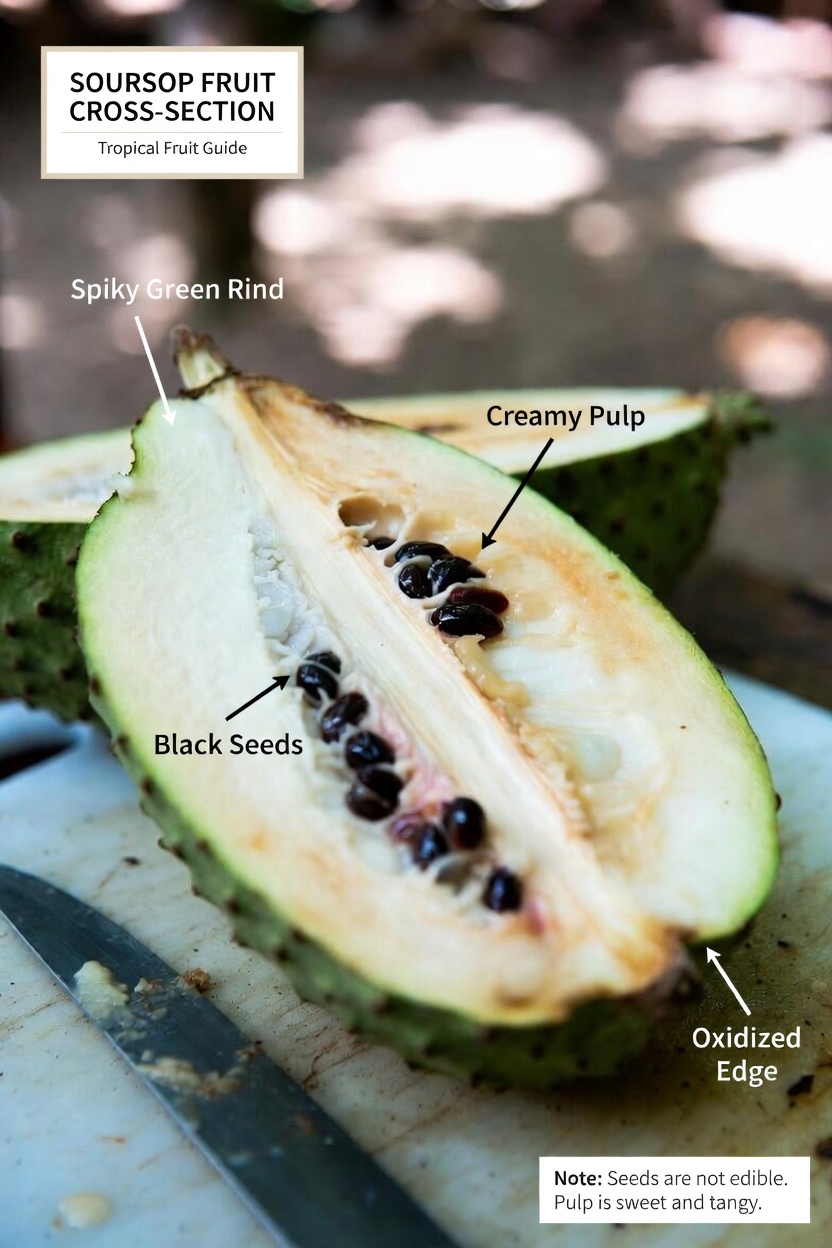
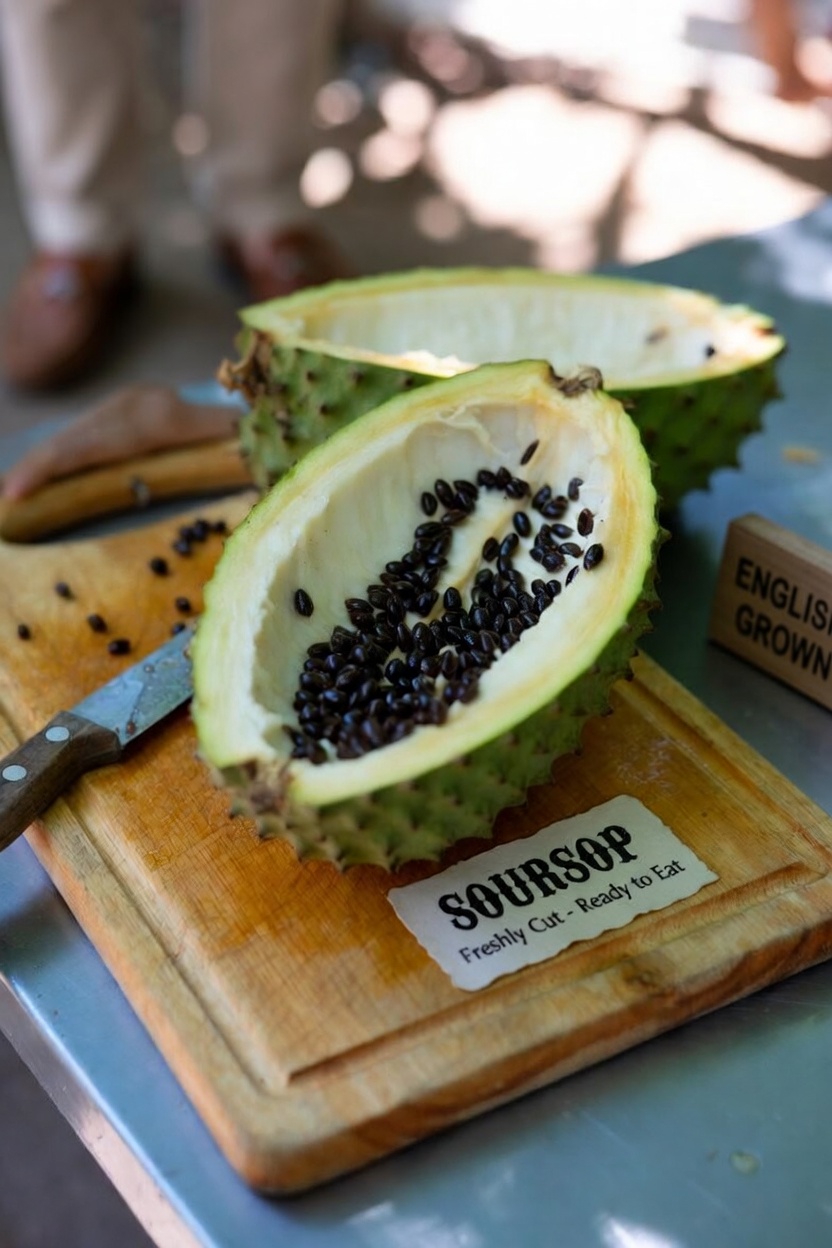
Soursop is a tropical fruit with a green, spiny exterior and soft white flesh inside. Its taste is often described as a blend of pineapple, strawberry, and citrus. In addition to its distinctive flavor, soursop contains several natural compounds that have drawn attention in laboratory and animal studies.
Among the most discussed are acetogenins, flavonoids, and other antioxidants. Scientists have been studying how these substances may affect biological processes connected to prostate function. Some preclinical studies have looked at whether soursop extracts influence markers associated with benign prostatic hyperplasia (BPH), a common non-cancerous enlargement of the prostate in older men.
That said, an important distinction must be made: most of the available evidence comes from test-tube and animal research, not from large, well-controlled studies in humans. Institutions such as Cancer Research UK and MD Anderson Cancer Center have emphasized that stronger human data is still needed before any firm health claims can be made.
Key Soursop Compounds Being Studied
Researchers are interested in soursop because of its diverse range of plant-based bioactive substances.
- Acetogenins: These compounds are unique to plants in the Annona family and have shown biological activity in laboratory settings. In animal studies, they have been linked to changes in inflammation and oxidative stress in prostate tissue.
- Antioxidants, including flavonoids and vitamin C: These compounds help neutralize free radicals, which are involved in cellular damage. By supporting overall cell health, they may indirectly contribute to balanced prostate function.
- Other phytochemicals: Substances such as annonacin are found in different parts of the plant. Research often focuses on the leaves and fruit pulp, although seeds have also been studied.
Some newer animal studies have examined how soursop fractions affect testosterone-induced changes in the prostate. These experiments reported shifts in prostate weight, inflammatory markers, and certain enzyme activities.
What the Studies Say About Soursop and Prostate Wellness
Current research has mainly centered on two areas:
- How soursop affects prostate-related cell activity
- How it performs in animal models of benign prostate enlargement
In laboratory studies, extracts made from soursop leaves or pulp have shown effects on prostate cancer cell lines under certain conditions. For example, some findings suggest that soursop extract may reduce cell proliferation or inhibit specific enzymes associated with growth, especially in stressed environments such as low oxygen conditions.
When it comes to benign prostatic hyperplasia, several studies in rats have shown notable results. In these experiments, researchers first triggered prostate enlargement using testosterone and then gave the animals extracts derived from different parts of the soursop plant, including the leaves, seeds, and fruit.
Reported outcomes in these animal studies often included:
- Lower prostate weight
- Reduced relative organ size
- Decreased prostate-specific antigen (PSA) markers
- Improved antioxidant activity in prostate tissue
- Less inflammation and oxidative damage
In multiple experiments, acetogenin-rich leaf extracts and hexane seed fractions produced these kinds of effects. Fruit pulp extracts also appeared to help reduce some of the changes seen in induced enlargement models.
These results suggest that compounds in soursop may help support healthy prostate function and size under controlled experimental conditions. Still, this does not mean the same effects have been confirmed in people. Animal findings are valuable for early investigation, but they do not automatically apply to human health. At present, human clinical evidence remains limited, and no major medical authority recommends soursop as a primary treatment for prostate conditions.
Possible Benefits Beyond Prostate Support
Even though the prostate-specific evidence is still developing, soursop does offer nutritional value that can fit into a healthy eating pattern.
Potential general benefits include:
- Vitamin C, which supports immune function
- Fiber, which helps digestive health
- Potassium and other minerals that contribute to overall wellness
Its antioxidant and anti-inflammatory properties have also been discussed in broader nutrition research. When eaten as part of a varied diet, soursop may contribute to general well-being rather than acting as a targeted cure.
How to Add Soursop to Your Diet Safely
If you want to try soursop, it is best to begin with the fresh fruit rather than highly concentrated supplements. A food-first approach is usually the most practical and cautious option.
Here is a simple way to include it in your routine:
- Pick a ripe fruit with slightly soft skin. Avoid fruit that is extremely hard or heavily bruised.
- Cut it open and scoop out the white flesh.
- Remove the large seeds before eating or blending.
- Blend it into smoothies with banana, yogurt, or other fruit for a creamy drink.
- Eat it fresh or enjoy it as juice.
- Keep portions moderate, around 1/2 to 1 cup per day.
- Freeze pieces if you want a sorbet-like snack.
Before changing your diet in a meaningful way, it is wise to speak with a healthcare professional, especially if you already have prostate symptoms or take prescription medication.
Important Safety Considerations
Soursop fruit is commonly eaten in many parts of the world, and the fruit pulp is generally considered safe in moderate amounts as a food. However, more caution is needed with leaves, stems, teas, and concentrated extracts.
Some studies have linked long-term or excessive intake of certain parts of the plant to possible nerve-related effects, including concerns connected to movement disorders in some populations. Because of this, using large amounts of non-fruit forms is not the same as simply eating the fruit occasionally.
People who should be especially cautious include:
- Pregnant individuals
- People with low blood pressure
- Anyone taking medication, including treatments that may affect blood pressure or prostate symptoms
If any of these apply to you, check with a healthcare provider first.
Conclusion: A Tropical Fruit With Potential, but Not Proof
Soursop has emerged as an intriguing tropical fruit because of its bioactive compounds and the promising results seen in laboratory and animal research. Early studies suggest possible effects on prostate-related markers such as organ size, inflammation, and oxidative balance.
Still, these findings should be viewed as preliminary, not definitive. There is not yet enough strong human evidence to say that soursop can prevent or treat prostate problems in everyday life. For now, the smartest strategy for prostate health remains the basics: routine medical check-ups, physical activity, a nutrient-rich diet, and professional advice when symptoms appear.
Staying informed and making thoughtful food choices can support long-term wellness without relying too heavily on any single ingredient.
FAQ
Is soursop the same as graviola?
Yes. Soursop and graviola refer to the same plant, Annona muricata. The fruit is often called soursop, while the term graviola is commonly used for the tree or its extracts.
Can I eat soursop every day for prostate health?
Moderate intake as part of a balanced diet is generally acceptable for many people, but there is no established daily amount proven by human studies to specifically support the prostate. It is better to focus on overall healthy habits than on one food alone.
Can soursop interact with prostate medications?
Possible interactions have not been studied thoroughly. If you take medications such as alpha-blockers or 5-alpha reductase inhibitors, speak with your doctor before using soursop regularly or trying extracts.