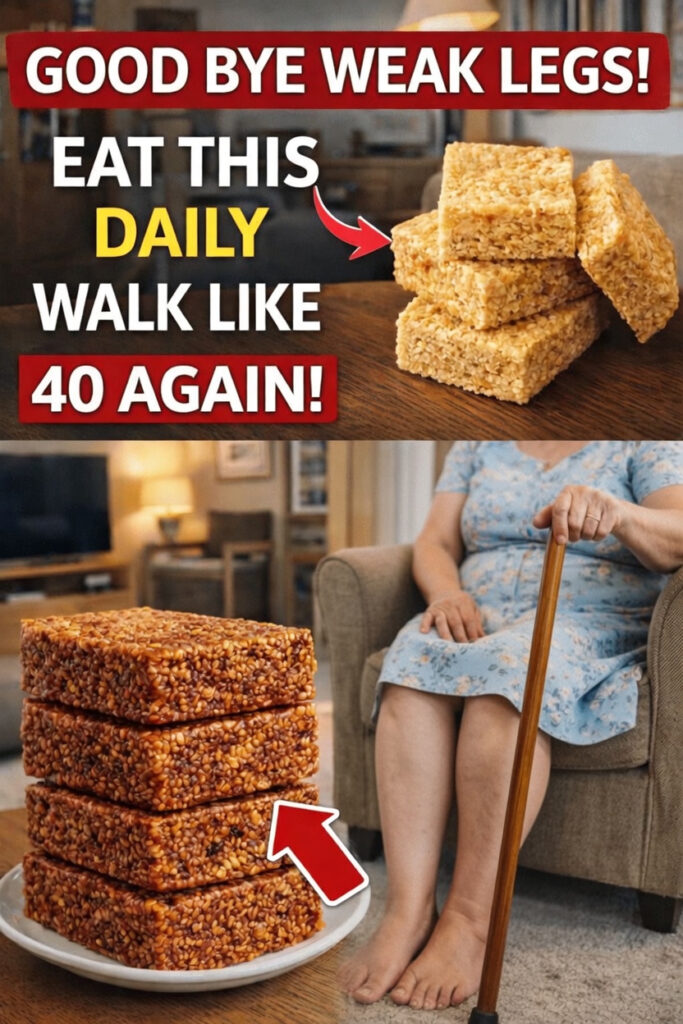
A Simple Daily Snack That May Help Older Adults Support Leg Strength
Many seniors find that their legs do not feel as strong as they once did. Over time, routine actions such as walking, going up stairs, or standing for a while can start to feel harder and more exhausting. This shift often affects more than physical comfort—it can lower confidence, limit independence, and increase the chance of falls, all of which can significantly impact daily life.
The encouraging news is that small lifestyle choices can help. Alongside light physical activity, adding nourishing snacks to your day may support muscle health and mobility. One easy and enjoyable option is a homemade peanut-based energy bar.
In this guide, you will learn why leg strength becomes more important with age, which nutrients matter most, how to make these bars at home, and how to use them safely as part of a balanced routine.
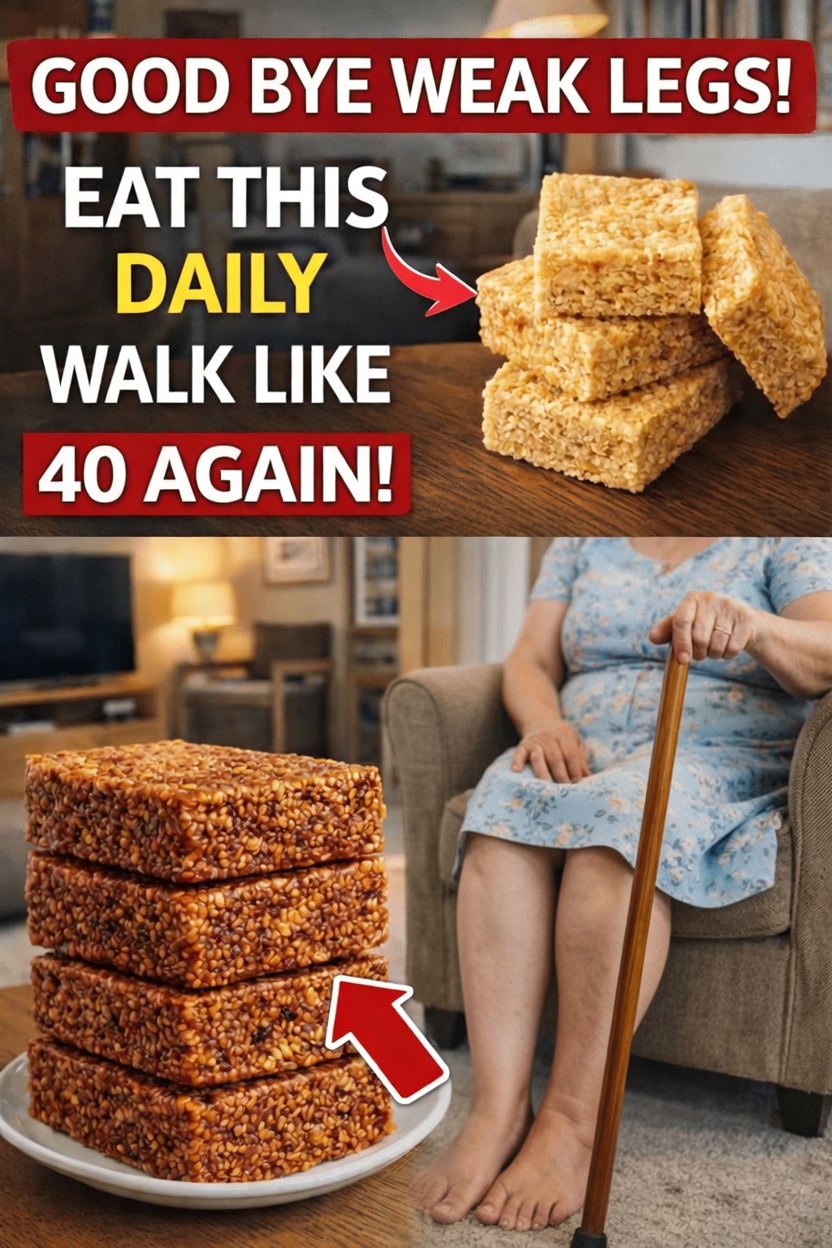
Why Leg Strength Becomes More Important With Age
As the body ages, muscle mass naturally declines. This age-related muscle loss, often called sarcopenia, commonly affects the lower body early on. Research suggests that adults over 65 who consume enough protein and key nutrients, while staying physically active, are more likely to maintain strength and function.
Strong leg muscles are essential for:
- Balance
- Stability
- Good posture
- Walking and stair climbing
- Remaining independent in daily life
When leg strength decreases, simple movements can become frustrating. Many older adults then move less, which can further weaken muscles over time. However, studies involving seniors indicate that regular intake of plant-based protein sources, including peanuts, may help support muscle power and improve performance in tasks such as rising from a chair.
Nutrition helps, but it works best when combined with gentle movement habits.
Nutrients That Help Support Healthy Leg Muscles
If your goal is to preserve lower-body strength, it helps to focus on foods that provide the following nutrients:
- Protein: Important for building and repairing muscle tissue. Older adults often benefit from eating protein consistently throughout the day.
- Magnesium: Plays a role in muscle relaxation and energy metabolism.
- Potassium: Helps muscles contract properly and may reduce cramping.
- Healthy fats and fiber: Support longer-lasting energy and help avoid rapid spikes in blood sugar.
Peanuts are especially useful because they offer plant protein, including leucine, an amino acid involved in muscle signaling. They also contain magnesium, potassium, and heart-friendly fats. In one six-month study involving older adults living in the community, daily peanut butter intake was linked to better sit-to-stand performance and improved muscle power compared with those who did not receive it.
Other foods that can also support muscle health include:
- Oats
- Bananas
- Nuts
- Seeds
- Yogurt
- Eggs
- Beans
A homemade peanut energy bar is a practical way to combine several of these benefits into one convenient snack.
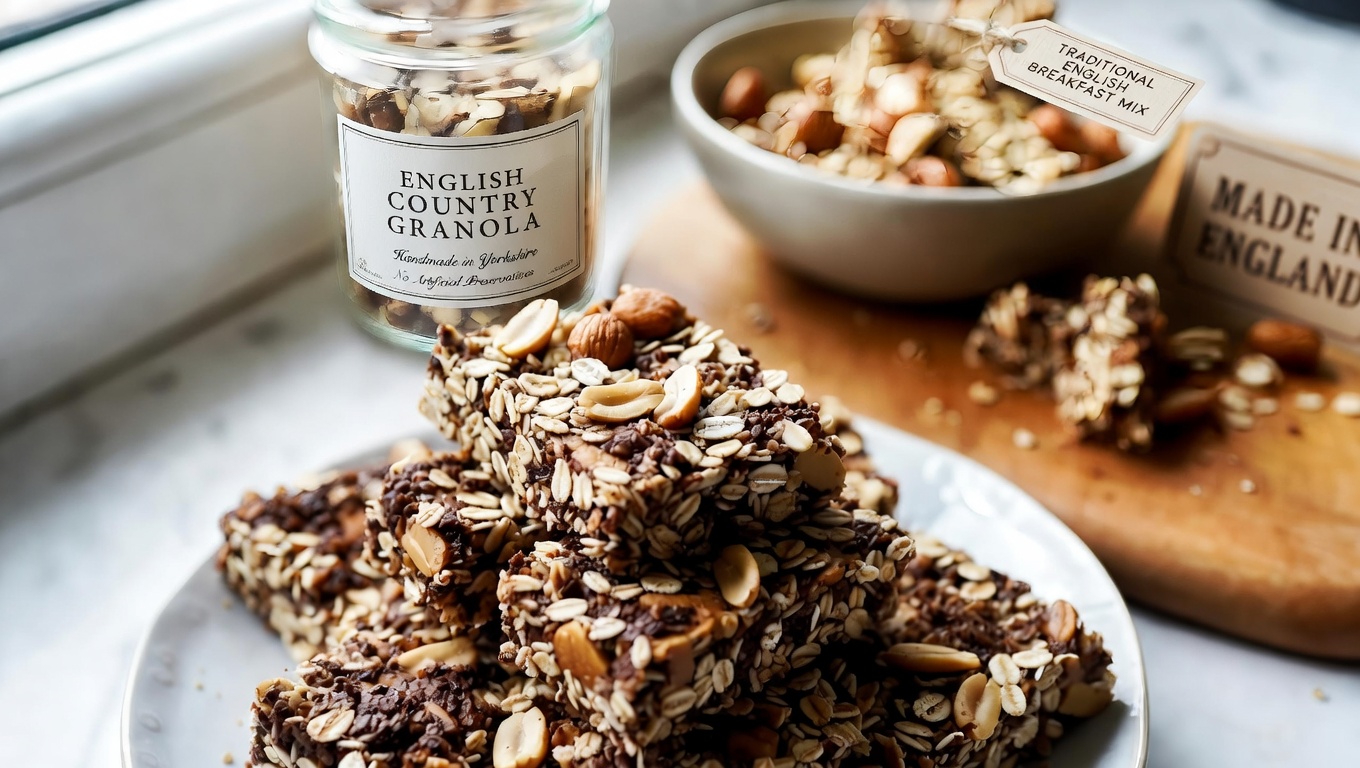
Homemade Peanut Energy Bars: An Easy Snack for Seniors
These bars are simple to prepare and can be made without baking, though a baked option is also possible. They are soft, satisfying, easy to carry, and simple to adjust based on personal taste or dietary needs.
Why These Bars Are a Good Choice
This snack works well for older adults because it combines:
- Protein from peanuts or peanut butter
- Complex carbohydrates from oats for lasting energy
- Natural sweetness without relying heavily on refined sugar
- A texture that is easier to chew than many packaged snack bars
Including a snack like this in your daily routine can fit well into an eating pattern designed to support healthy aging.
Peanut Energy Bar Recipe
This recipe makes about 12 to 16 bars.
Ingredients
- 1 cup natural peanut butter, preferably unsalted and without added sugar
- 1/2 cup honey or maple syrup
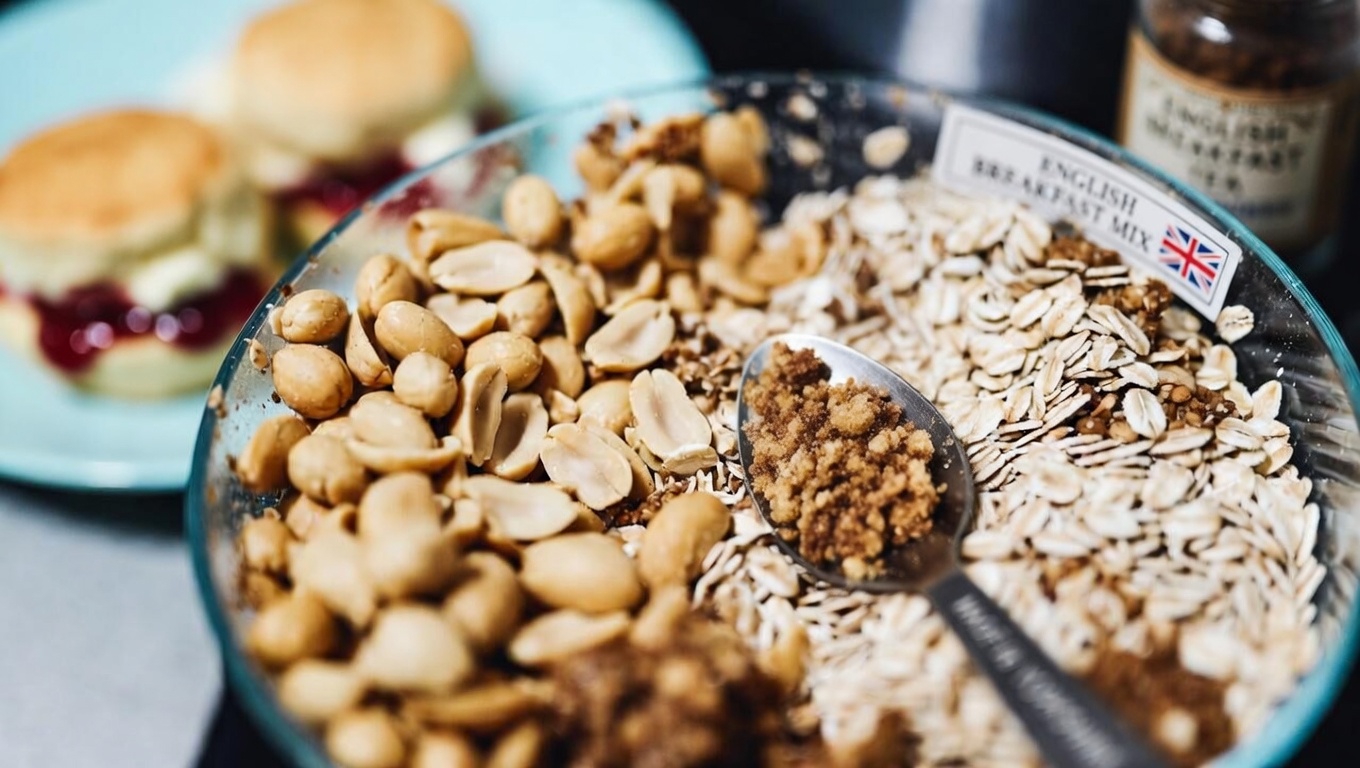
- 2 cups rolled oats
- 1/2 cup chopped peanuts or mixed nuts
- 1/4 cup ground flaxseeds or chia seeds for extra fiber and omega-3s, optional
- 1 teaspoon vanilla extract
- A pinch of salt
How to Make Them
- In a large bowl, combine the peanut butter and honey. Stir until smooth. If the peanut butter is too thick, warm it in the microwave for 10 to 20 seconds.
- Mix in the vanilla extract and salt.
- Add the oats, chopped nuts, and seeds. Stir well until the mixture holds together evenly.
- Firmly press everything into a lined 8×8-inch pan.
- Place the pan in the refrigerator for 1 to 2 hours, or until the mixture becomes firm.
- Slice into bars and store them in an airtight container in the fridge for up to one week.
Optional Baked Version
If you prefer a slightly firmer and crunchier texture:
- Press the mixture into the pan as above.
- Bake at 350°F (175°C) for 15 to 20 minutes.
- Let the bars cool completely before cutting.
How to Enjoy Them
A good starting point is:
- 1 bar per day
- Best as a mid-morning or afternoon snack
- Pair with fruit or yogurt for a more balanced mini-meal
Tips to Get the Most Benefit
To make this snack more effective as part of a muscle-supportive lifestyle, consider the following habits:
- Add light resistance exercise: Chair squats, gentle leg lifts, or regular walking can help the body use nutrients more effectively.
- Spread protein across the day: Many older adults do better when they include protein at each meal and snack. A common target is around 20 to 30 grams per eating occasion.
- Drink enough water: Poor hydration can make muscle fatigue worse.
- Watch portion sizes: These bars are nutrient-dense, but they are also calorie-rich, so moderation matters.
Research continues to show that plant proteins such as peanuts may support lean muscle mass and physical function, especially when they are part of a routine that includes regular activity.
Common Mistakes to Avoid
Even a healthy snack works best when used wisely. Try not to make these common errors:
- Depending on only one food: Peanut bars can help, but variety is still important. Include other protein sources such as fish, eggs, dairy, legumes, or tofu.
- Using too much sweetener: Excess honey or syrup can lead to energy crashes and make the bars less balanced.
- Ignoring movement: Nutrition alone is not enough. Muscles respond better when they are used daily.
- Eating without considering total needs: The right amount depends on your calorie intake, appetite, and health goals.
Final Thoughts: Small Habits Can Make a Meaningful Difference
A homemade peanut energy bar is a simple and flavorful way to add protein, healthy fats, and important minerals to your day. For older adults, this kind of snack can be a practical tool to help support leg strength and mobility over time.
When paired with balanced meals and light activity, small daily choices like this can contribute to better function, greater independence, and a more active life.
The key is consistency. You do not need to do everything perfectly—starting with one helpful habit can still make a difference.
Frequently Asked Questions
How many peanut energy bars should I eat each day?
For most people, one bar per day is a sensible place to begin. The right amount depends on your total calorie and protein needs, so it may be helpful to speak with a doctor or registered dietitian for personal guidance.
Can I replace peanuts if I have an allergy?
Yes. You can use:
- Almond butter
- Sunflower seed butter
- Other nut or seed butters, depending on your needs
If necessary, choose gluten-free oats and always read labels carefully to avoid cross-contamination.
Are these bars appropriate for people with diabetes?
They can fit into some meal plans, but the honey or other sweeteners will still affect blood sugar. If needed, make a lower-sugar version by:
- Reducing the honey
- Adding more oats
- Including extra nuts or seeds
It is best to monitor blood sugar levels and ask a healthcare professional for advice based on your individual condition.