Bay Leaves for Neck and Skin Care: Traditional Uses, Benefits, and Safe Home Methods
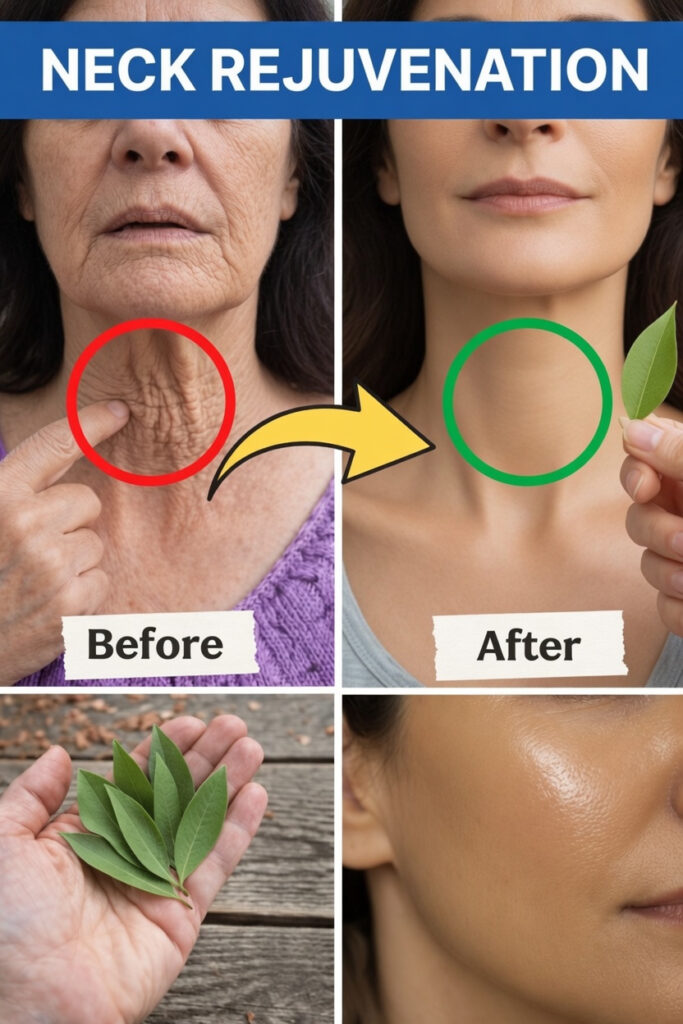
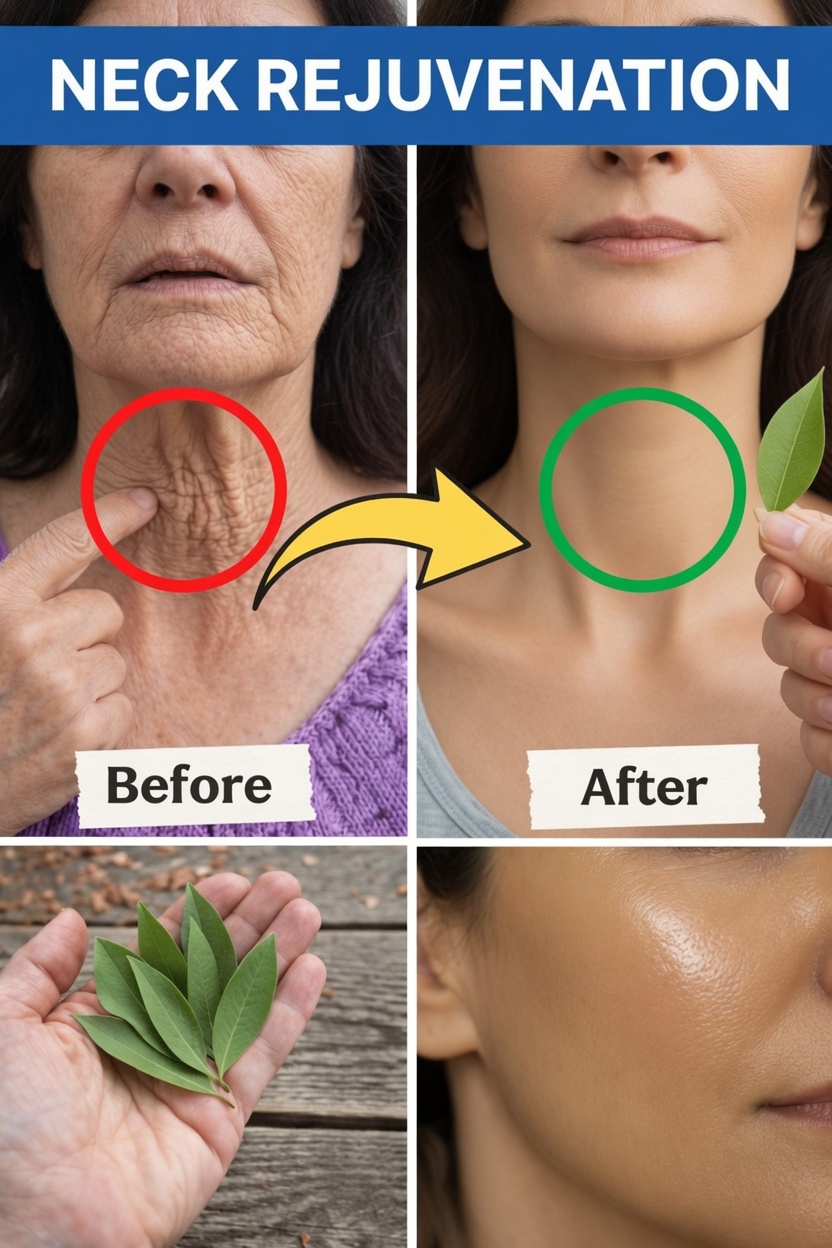
As time passes, many people begin to notice visible changes in their skin, especially around the neck and jawline. This area may start to look less firm, feel drier, or show more texture than before. For some, these changes can affect confidence, particularly when certain hairstyles or clothing no longer cover them as easily.
Because of this, many people look for simple, gentle skincare options that can be added to an everyday routine without much effort. Natural ingredients from the kitchen often become part of that search, and one ingredient that is frequently mentioned in home beauty discussions is the bay leaf. This article looks at how bay leaves have traditionally been used, what early research says about their natural compounds, and how they may be incorporated carefully into a basic skincare routine.
Why Bay Leaves Attract Attention in Skincare
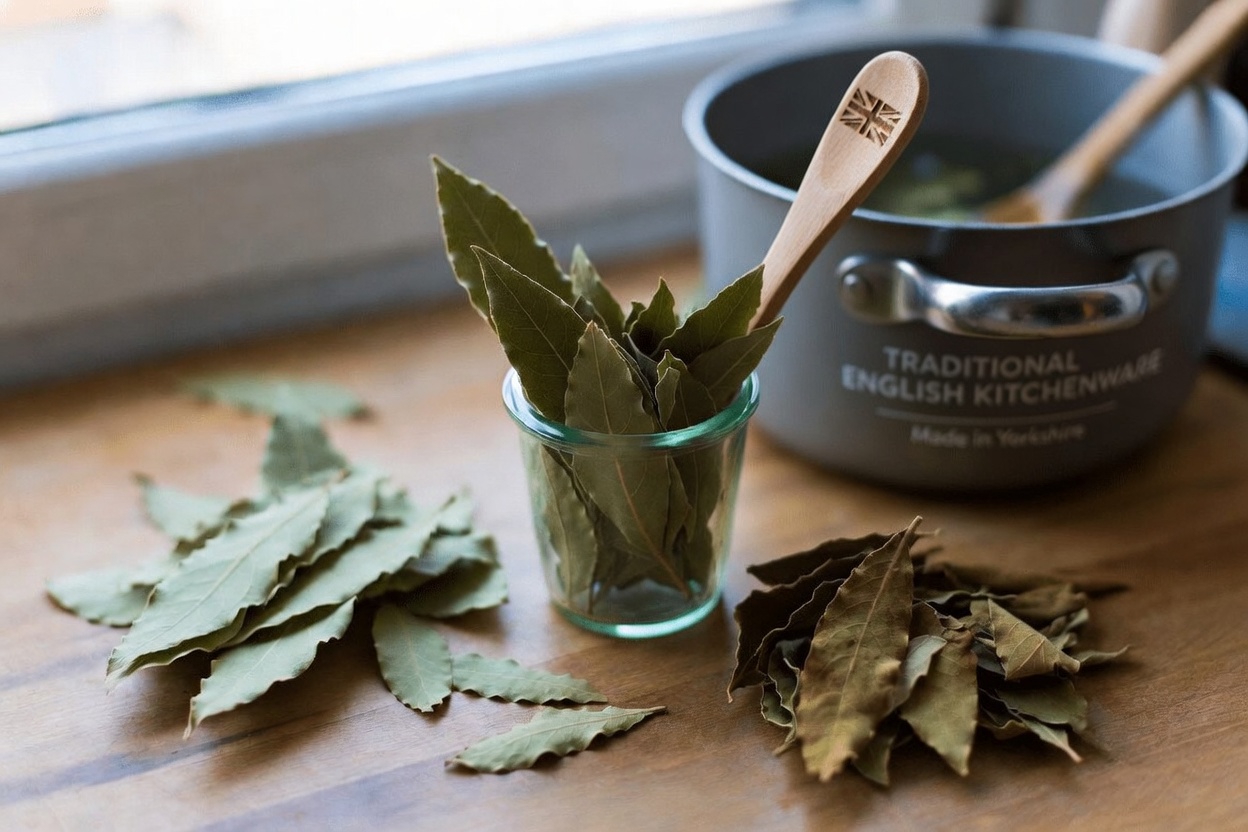
Bay leaves, sometimes called laurel leaves, come from the Laurus nobilis tree. They have a long history in both cooking and traditional wellness practices. Beyond their familiar fragrance, bay leaves contain plant compounds such as polyphenol antioxidants and aromatic oils including cineole and eugenol. These substances are often examined for their possible role in supporting skin comfort and overall appearance.
Studies on botanical ingredients suggest that antioxidants may help the skin deal with daily environmental stressors that can contribute to visible aging over time. Although there are still very few large human studies focused specifically on bay leaves for the neck or face, broader research on plant-derived antioxidants suggests they may help support hydration and smoother-looking skin when used topically in properly diluted preparations.
What makes bay leaves especially interesting is not only their composition, but also the traditional ways people prepare them at home.
Key Compounds Found in Bay Leaves
Bay leaves contain several natural components that make them appealing in home skincare experiments:
- Antioxidants that may help reduce the effects of free radicals caused by everyday exposure
- Compounds linked to anti-inflammatory activity in some laboratory findings
- Volatile aromatic oils that provide their recognizable scent and may offer a soothing feel
Some early studies involving plant extracts, including bay leaf derivatives, have explored their possible contribution to skin barrier support. Still, the findings are not yet consistent, and much more research is needed to determine how effective they are across different ages and skin types.
How People Commonly Make Bay Leaf Infusion at Home
A simple bay leaf infusion is one of the most popular ways people use this ingredient in skincare. Here is a typical method:
- Take 5 to 10 dried bay leaves from a trusted source.
- Add them to a small saucepan with about 300 ml of water.
- Heat gently and let the mixture simmer for 10 to 15 minutes, until the water develops a light color and aromatic scent.
- Remove it from the heat and allow it to cool fully.
- Strain the liquid.
- Pour the infusion into a clean bottle and keep it refrigerated for up to one week.
This cooled infusion is usually the starting point for several mild home applications.
Two Popular Ways to Use Bay Leaf Infusion
1. As a Gentle Toner
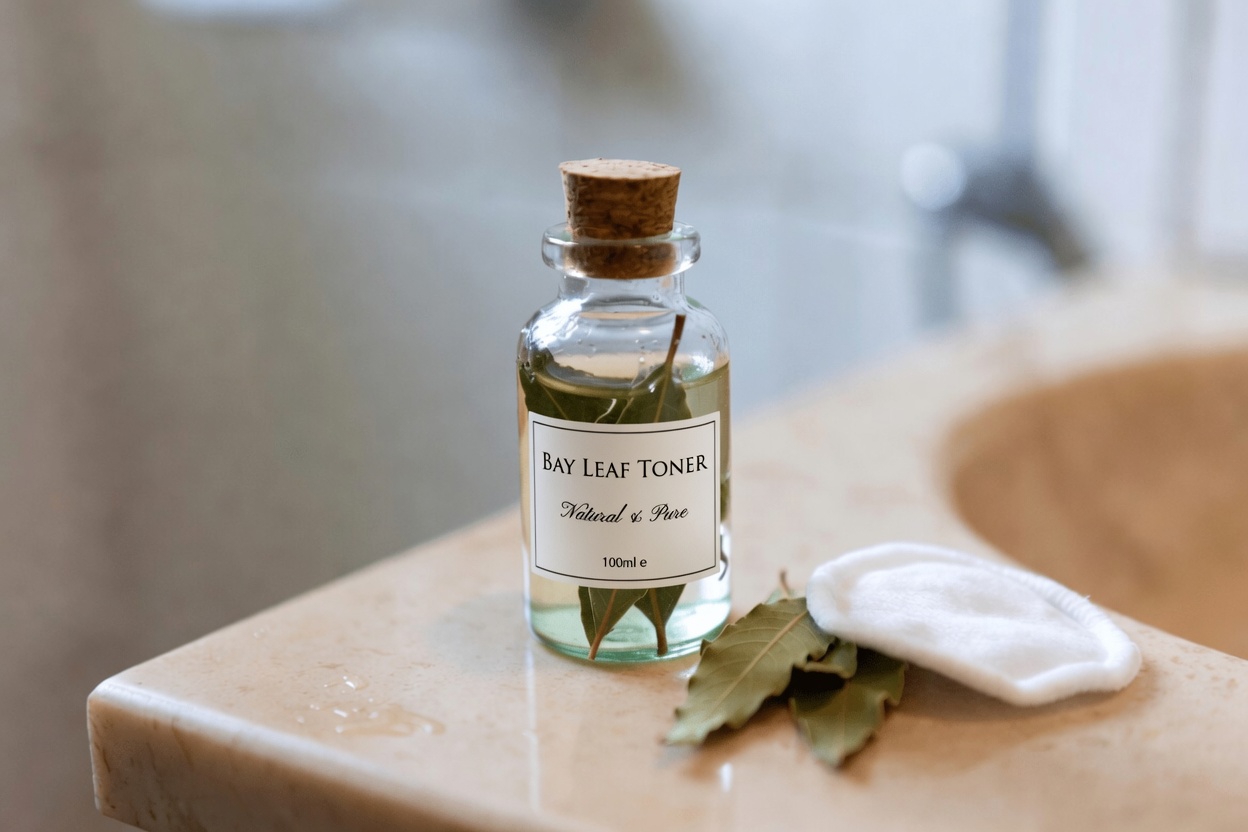
After cleansing the skin, many people apply the cooled bay leaf liquid to the face and neck using a cotton pad or a spray bottle. It can then be patted lightly into the skin and left to dry naturally. Some choose to use it both in the morning and in the evening as part of a regular routine.
2. As a Simple Neck and Jawline Mask
Another common option is to combine a small amount of bay leaf infusion with a natural thickening ingredient such as:
- Cornstarch
- Oatmeal
Mix until it becomes a soft paste, then apply it to clean skin on the neck and jawline. Leave it on for 10 to 15 minutes, then rinse with lukewarm water.
Before trying either method, it is important to do a patch test on the inner arm and wait 24 hours to see whether any reaction develops.
What Research Says About Botanical Antioxidants
Current scientific evidence on bay leaves for skincare is still limited. Some laboratory and animal studies have examined bay leaf extracts for various properties, including antioxidant activity. Certain findings suggest that the plant contains compounds that may support a calmer, more comfortable skin feel.
More broadly, reviews of plant-based antioxidants indicate they may help improve the look and feel of the skin when included in a daily care routine. However, clinical human evidence specifically focused on bay leaves is still developing.
That means bay leaves should not be seen as a replacement for established dermatological treatments. Instead, they may be viewed as a supportive, natural option for people who enjoy plant-based skincare and want to experiment carefully.
It is also important to remember that results vary from person to person. Skin appearance depends on many factors, including:
- Sun exposure
- Hydration
- Genetics
- Daily skincare habits
- Overall health and lifestyle
Simple Bay Leaf Uses Compared With Everyday Skincare Habits
People often choose bay leaf preparations because they are affordable and easy to try at home. Common approaches include:
- Daily diluted toner — light and refreshing, often considered suitable for many skin types when prepared properly
- Occasional mask — used as a relaxing treatment that may leave the skin feeling smoother
- Mixed with moisturizer — a few drops of cooled infusion added to a regular cream for extra hydration support
These options are often discussed in home remedy circles because they are practical, inexpensive, and fit easily into a simple routine.
Safety Tips and Best Practices
Before adding bay leaves or any new ingredient to your skincare routine, keep these precautions in mind:
- Choose organic or food-grade bay leaves whenever possible to reduce the chance of unwanted residues
- Always dilute properly
- Never put concentrated bay essential oil directly on the skin
- Avoid applying it to broken, irritated, or highly reactive skin
- Stop use right away if you notice redness, itching, burning, or discomfort
- Speak with a dermatologist if you have a skin condition or specific concerns
WebMD notes that bay leaf extracts are considered possibly safe in cosmetic use, but sensitive individuals can still experience allergic reactions.
Lifestyle Habits That Help Support Neck and Skin Appearance
Natural ingredients may be interesting to explore, but everyday habits usually have the greatest long-term impact on the way skin looks and feels. Helpful practices include:
- Applying broad-spectrum sunscreen daily, especially on the neck and chest
- Drinking enough water to stay well hydrated
- Eating foods rich in vitamins A, C, and E
- Doing gentle neck exercises and maintaining good posture
- Getting enough sleep to support the skin’s natural repair processes
When combined with a topical routine, these basics often contribute to better overall skin support.
Why Steady Care Matters More Than Fast Results
Many people hope for quick changes, but the most satisfying improvements usually come from consistent, gentle care over time. The skin on the neck is thinner than skin in many other areas and contains fewer oil glands, which makes it more vulnerable to dryness and visible aging.
For that reason, patience is important. Rather than expecting dramatic overnight results, it is often better to focus on a realistic routine that feels soothing, manageable, and sustainable over several weeks.
FAQ
Can I use bay leaf infusion on my neck every day?
Yes, some people use a diluted bay leaf toner daily on the neck area. It is best to begin gradually and pay attention to how your skin responds. Always dilute the infusion and perform a patch test before regular use.
Do bay leaves work the same way as professional skincare treatments?
No clear scientific evidence shows that bay leaves perform like professional or medical treatments. At this stage, they are better considered a supportive home ingredient based on traditional use and early research into their antioxidant compounds. More human studies are still needed.
What should I do if my skin reacts badly?
Stop using the infusion immediately. Rinse the area with cool water and apply a mild, gentle moisturizer. If the irritation continues or worsens, consult a dermatologist or healthcare professional.
Final Thoughts
Bay leaves offer a simple and accessible way to explore natural skincare practices. Their pleasant scent, traditional reputation, and ease of preparation make them appealing to people who prefer uncomplicated, kitchen-based ingredients.
When used thoughtfully, along with healthy daily habits and realistic expectations, bay leaf infusion can become part of a nurturing skincare routine. Still, it is important to approach any new ingredient with care, especially if your skin is sensitive or you have an existing condition.
This information is intended for educational purposes only and should not be considered medical advice. Individual experiences will vary, and it is always best to consult a qualified dermatologist or healthcare provider before trying new skincare ingredients.