Horse Chestnut for Swollen Legs: A Natural Remedy for Better Circulation
Swollen legs are not just uncomfortable—they can feel painful, heavy, and exhausting. In many cases, they may also point to underlying circulation problems. Although many people rely on conventional treatments, there is a well-known natural option with a long history of use: Horse Chestnut (Aesculus hippocastanum).
Used in traditional herbal medicine for centuries and supported by modern studies, horse chestnut is widely valued for helping with leg swelling, poor circulation, and vein-related discomfort.
What Is Horse Chestnut?
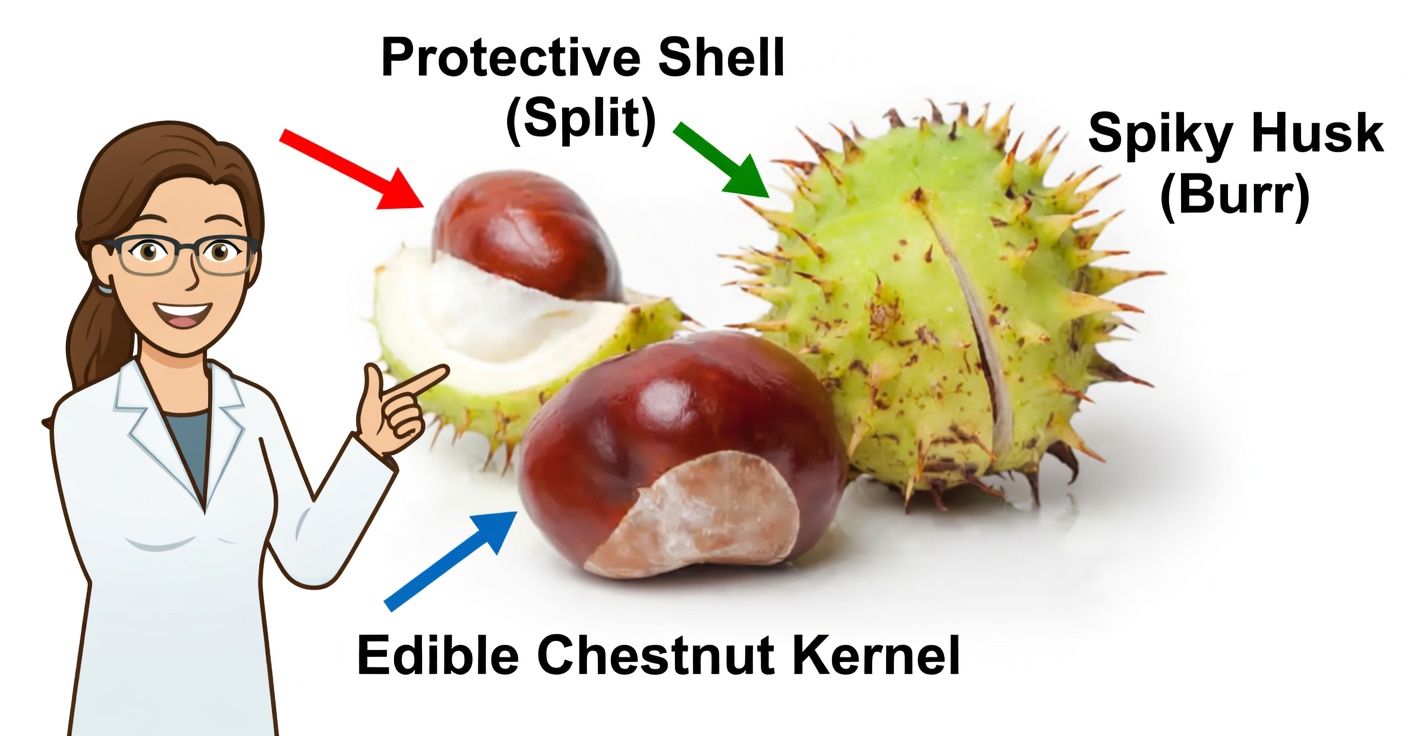
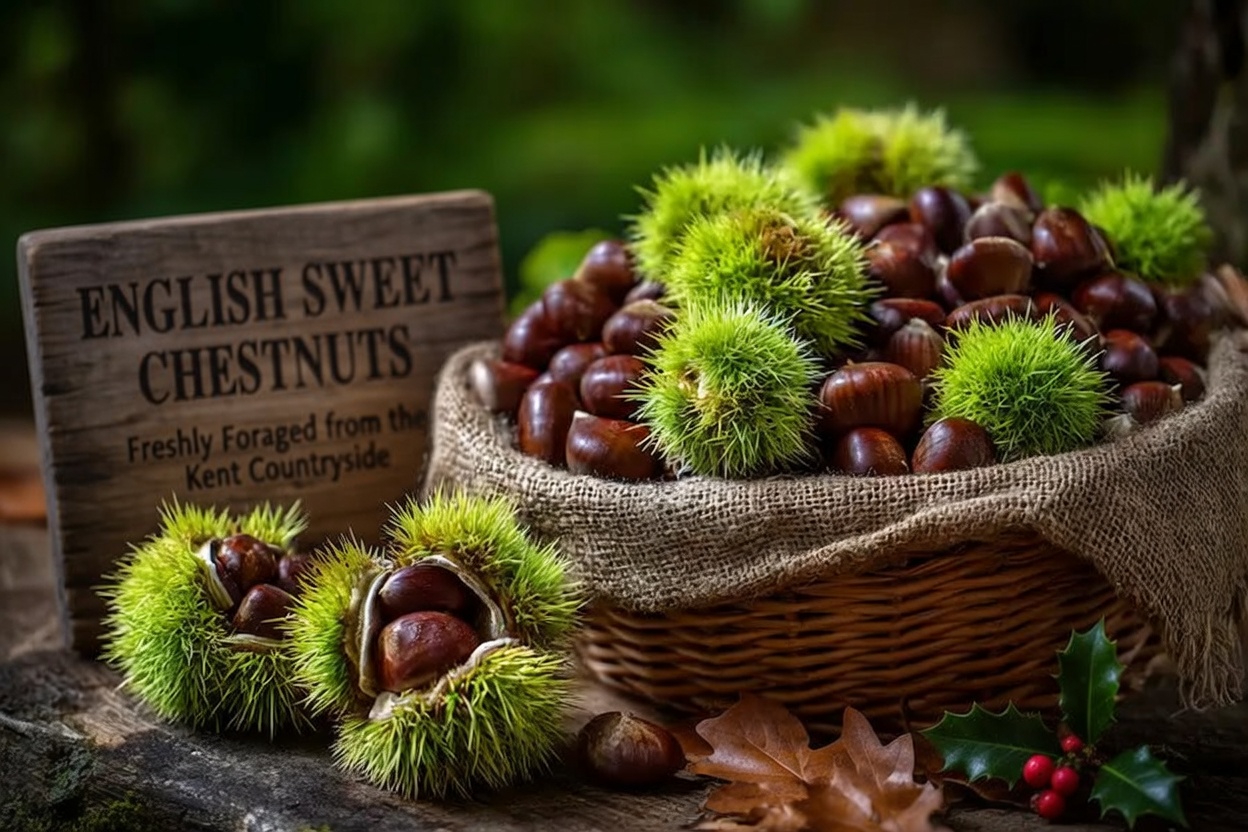
Horse chestnut is a European tree known for its spiny green fruit and smooth, shiny brown seeds. These seeds, often called conkers, contain an active compound known as aescin, which is largely responsible for the plant’s therapeutic effects.
This natural substance is especially recognized for its ability to support vein health, reduce fluid buildup, and improve blood flow in the legs.

Why Horse Chestnut Helps Swollen Legs
Leg swelling often develops when circulation is weak and blood vessels allow fluid to leak into nearby tissues. Horse chestnut may help address this problem in several important ways.
1. It Supports Stronger Blood Vessels
Aescin helps improve the tone and strength of veins and capillaries. As a result, these vessels are less likely to leak excess fluid into surrounding areas.
2. It Promotes Better Circulation
Horse chestnut can help blood move back toward the heart more efficiently. This may reduce the sensation of heavy, tired, or achy legs.
3. It Calms Inflammation
Its anti-inflammatory properties may ease swelling, tenderness, and discomfort in the legs, ankles, and feet.
These benefits make horse chestnut especially useful for people dealing with:
- Chronic venous insufficiency
- Varicose veins
- Edema caused by prolonged sitting or standing
- Swollen ankles during travel or hot weather
Additional Health Benefits of Horse Chestnut
Although horse chestnut is best known as a remedy for swollen legs, it may offer other wellness benefits too.
- May relieve hemorrhoids by supporting tighter, healthier veins
- Can reduce the appearance of varicose veins and ease related discomfort
- May help with leg cramps and restlessness linked to poor circulation
- Supports skin health by improving blood supply to tissues
- Encourages lymphatic drainage, which may reduce puffiness
- Helps minimize bruising by strengthening delicate capillaries

How to Use Horse Chestnut at Home
Important: Raw horse chestnut seeds, bark, and leaves are toxic if taken internally unless properly processed. Never eat raw horse chestnut.
1. Horse Chestnut Oil or Salve for External Use
This is one of the most practical ways to use horse chestnut at home for swollen legs, ankles, and visible veins.
Ingredients
- 4 to 5 horse chestnut seeds, dried or fresh, crushed
- 250 ml olive oil or almond oil
- Optional: calendula or comfrey for extra soothing effects
Instructions
- Crush the seeds using a mortar, pestle, or blender.
- Place the crushed seeds in a clean jar.
- Pour in the oil until the plant material is fully covered.
- Warm gently using a double boiler, or leave the jar in a sunny place for 1 to 2 weeks.
- Strain the oil through cheesecloth.
- Store it in a dark glass bottle or jar.
How to Apply
- Massage the oil into swollen legs, ankles, or varicose veins twice a day.
- For better results, apply it at night and keep your legs elevated for 15 to 20 minutes afterward.
2. Horse Chestnut Compress
A warm compress can be useful when you want quick external relief for swelling and discomfort.
Instructions
- Make a strong infusion by simmering crushed seeds or bark in water for about 20 minutes.
- Allow the liquid to cool until it feels warm but comfortable on the skin.
- Soak a cloth in the infusion and wring out the excess.
- Wrap the cloth around the swollen area.
- Cover it with plastic and a towel to help retain warmth.
- Leave it in place for 30 to 40 minutes, once daily.
3. Standardized Horse Chestnut Extract for Internal Use
If you prefer taking horse chestnut internally, the safest choice is a commercial standardized extract from a trusted manufacturer.
What to Look For
- Standardized to 16% to 20% aescin
- Typical daily amount: 300 mg, or as directed on the label
Who Should Avoid Internal Use
Horse chestnut extract may not be suitable for:
- Pregnant women
- Breastfeeding women
- People with kidney disease
- People with liver disease
- Anyone taking blood thinners, as it may increase bleeding risk
Tips to Improve Your Results
To get the most from horse chestnut, combine it with healthy daily habits that support circulation and reduce fluid retention.
- Elevate your legs while resting
- Drink enough water
- Avoid sitting or standing in one position for too long
- Use compression socks if needed
- Pair it with nettle tea or dandelion tea to naturally support drainage and circulation
Important Safety Note
Horse chestnut can be highly effective, but it is not a solution for every cause of swelling. If swelling in the legs is sudden, severe, painful, or comes with shortness of breath, seek medical attention immediately. These symptoms may be linked to serious conditions such as:
- Deep vein thrombosis
- Heart failure
- Other urgent circulatory or cardiovascular problems
Final Thoughts
If you regularly experience swollen, heavy, or tired legs and want a natural option supported by both tradition and research, horse chestnut is one of the strongest herbal remedies available. Used consistently as a massage oil, salve, compress, or standardized extract, it may significantly improve comfort, circulation, and overall leg health.
Beyond easing swelling, it can also benefit veins, skin, and lymphatic flow, making it a versatile herb for circulation support.
Sometimes the most effective remedies come from nature itself—you simply need to know how to use them well.