Guava for Eye Health: A Simple Daily Fruit That Helps Protect Vision
Long hours in front of digital screens often leave eyes feeling strained, dry, or slightly unfocused. Over time, aging, daily light exposure, blue light from devices, and oxidative stress can place extra pressure on eye comfort and visual health. The encouraging part is that small dietary habits can make a difference, and one colorful tropical fruit may be especially helpful.
Guava is an easy addition to breakfast, smoothies, or snacks, and it brings a powerful mix of nutrients that support overall eye wellness. Its vitamin and antioxidant content makes it a smart choice for anyone looking to nourish eye tissues naturally as part of a balanced routine.
Why Guava Is Worth Attention for Eye Wellness
Guava (Psidium guajava) is not just flavorful and refreshing. It is also rich in nutrients often associated with healthy eyes. A medium guava, typically around 100 to 150 grams, provides a strong nutritional profile that aligns with what many eye health experts recommend.
Scientific research has shown that diets high in vitamins and plant-based antioxidants may help reduce oxidative stress. This matters because oxidative damage can gradually build up in the eyes through normal aging and repeated exposure to sunlight and artificial light.
What makes guava especially interesting is that it combines several eye-supportive nutrients in meaningful amounts, which is something many fruits do not offer at the same level.
Key Eye-Supporting Nutrients Found in Guava
A 100-gram serving of fresh guava, based on USDA information and nutrition research, typically contains:
- Vitamin C: More than 200 mg, which is well above daily requirements and helps protect sensitive eye tissues as a strong antioxidant
- Beta-carotene: A provitamin A compound that the body converts into vitamin A, supporting normal retinal function and healthy vision
- Lycopene: About 5,200 µg, especially in pink or red guava varieties, known for its antioxidant role in reducing cellular stress
- Quercetin and other flavonoids: Plant compounds with anti-inflammatory effects that may help with everyday eye fatigue
- Fiber: Around 5 grams, which supports metabolic health and may indirectly benefit blood flow to the eyes
These nutrients work together to help the body defend eye tissues against long-term oxidative damage.
How Guava Nutrients Support Eye Protection
The eyes are constantly exposed to environmental and lifestyle stressors. UV rays, pollution, extended screen use, and natural aging all contribute to the production of free radicals. Over the years, this oxidative stress may affect lens clarity and retinal health.
Beta-carotene is important because it supports the retina’s photoreceptors and helps maintain normal vision, especially in lower light conditions. Since it converts into vitamin A, it plays a central role in visual function.
Vitamin C is also highly relevant. It is naturally present in the lens and aqueous humor of the eye, where it helps neutralize free radicals and protect delicate structures from oxidative damage.
Lycopene, quercetin, and related antioxidants may also help lower inflammation and reduce cellular stress. Population-based research often links these compounds with healthier eye aging.
That said, no single food can prevent or cure eye conditions such as cataracts or age-related macular degeneration. Still, regularly eating antioxidant-rich foods like guava can strengthen the body’s natural protective systems.
What Research Suggests About Guava and Vision Support
Studies and nutritional reviews frequently associate higher intakes of vitamin C, beta-carotene, and carotenoids like lycopene with better long-term eye health indicators.
In long-term observational research, diets rich in these nutrients are often connected with a lower likelihood of age-related changes affecting the eyes. Guava stands out because it offers a high dose of vitamin C alongside useful amounts of beta-carotene and lycopene, giving it an edge over many commonly eaten fruits.
It is important to keep expectations realistic. Most of the current evidence focuses on overall dietary patterns rather than guava alone. More clinical research specifically examining guava would provide clearer conclusions. Even so, its nutrient composition strongly supports its place in an eye-friendly diet.
Easy Ways to Include Guava in Your Day
One of the best things about guava is how simple it is to eat. You can enjoy it fresh, blend it into a drink, or combine it with other nutrient-dense foods.
Here are a few practical options:
- Eat it whole: Rinse a ripe guava, slice it, and eat it with the skin for added fiber and nutrients. It works well as a mid-morning or afternoon snack.
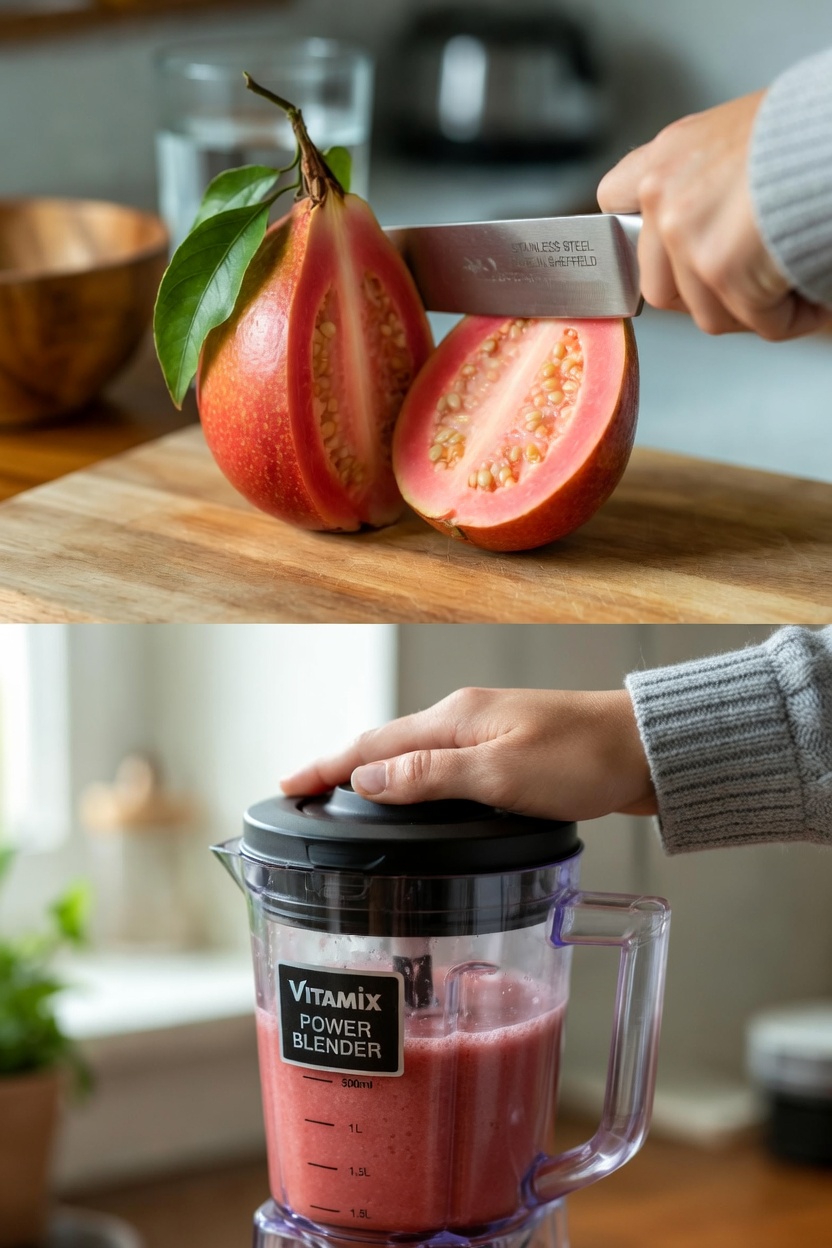
- Make a quick smoothie: Blend 1 chopped guava with 200 ml of water, a squeeze of lemon, and a little honey if desired. It takes only a few minutes.
- Pair it with other eye-friendly foods: Add guava to meals with carrots, spinach, or eggs for a broader range of vitamins and antioxidants.
- Focus on consistency: One serving on most days is generally more useful than large amounts once in a while.
If possible, choose pink-fleshed guava because it usually contains more lycopene than pale varieties.
A 3-Minute Guava Drink for Eye-Friendly Nutrition
This simple drink is refreshing, fast to prepare, and packed with nutrients that support eye health.
Ingredients
- 1 ripe guava
- 1/2 lemon
- 200 ml cold water
- Optional: 1 teaspoon honey
Steps
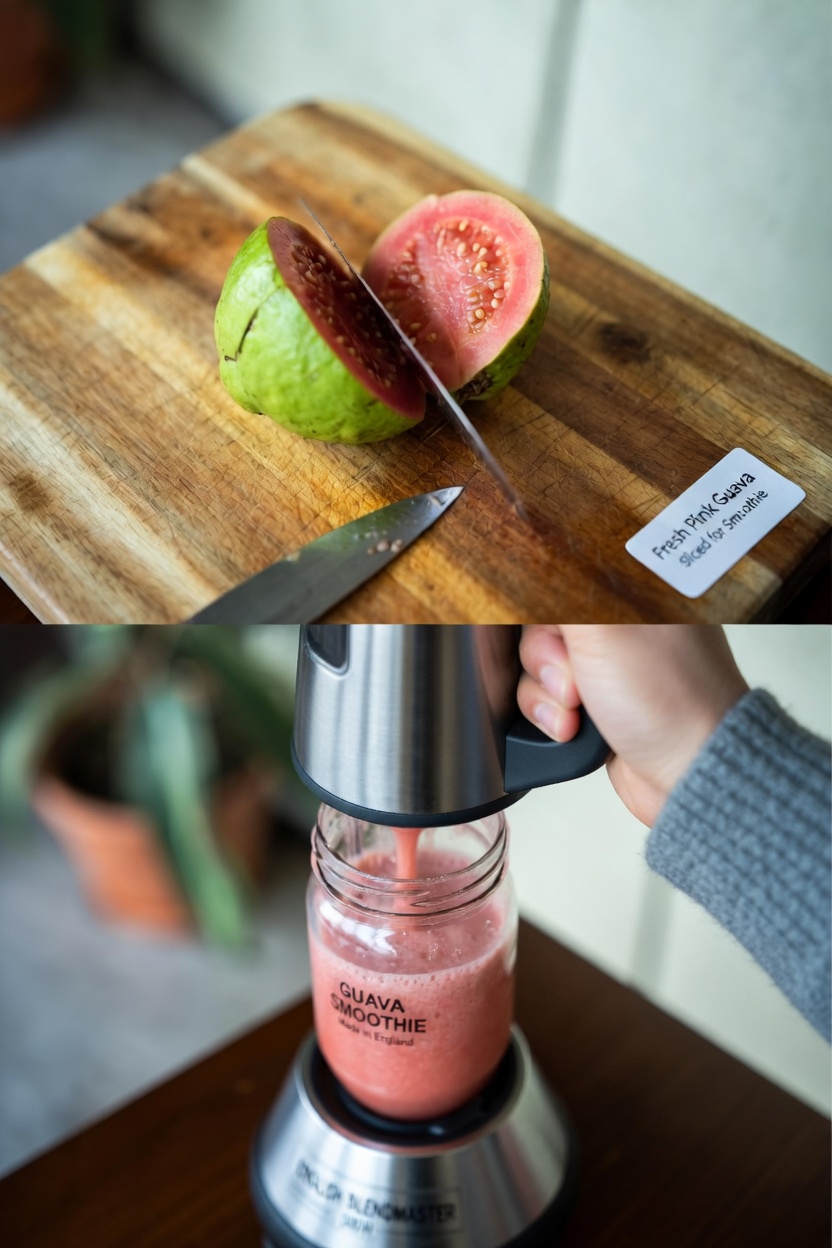
- Wash the guava thoroughly and cut it into chunks. Keep the skin and seeds if you want the full fiber and nutrient content.
- Place the guava in a blender with the water and lemon juice.
- Blend for 30 to 45 seconds until smooth.
- Strain if you prefer a smoother texture, or drink it unstrained for more fiber.
- Enjoy it fresh, ideally within 30 minutes.
This quick guava drink feels light and tropical while delivering antioxidants and vitamins that benefit more than just your eyes.
Safety Notes to Keep in Mind
For most people, guava is safe when eaten in normal food portions. Still, a few practical considerations are worth noting:
- Keep guava juice intake around 500 ml per day to avoid consuming too much natural sugar
- If you have a history of kidney stones, speak with your doctor, as some fruits may contain oxalates that require caution
- During pregnancy or breastfeeding, normal dietary amounts of guava are generally considered fine
- Continue healthy eye habits such as regular eye exams, wearing UV-protective sunglasses, staying hydrated, and taking screen breaks using the 20-20-20 rule
Nutrition can support eye health, but it works best as part of a broader lifestyle approach.
More Than Eye Support: Other Benefits of Guava
Adding guava to your routine may also support general wellness in several ways:
- Immune support thanks to its extremely high vitamin C content
- Better digestion from its fiber
- Heart health support through potassium and antioxidant compounds
- Skin health benefits because it provides nutrients involved in collagen production
When overall health improves, eye comfort and resilience often improve as well.
Final Thoughts: Why Guava Deserves a Place in Your Routine
Guava is not a miracle cure, and it cannot replace professional eye care. However, eating it regularly is a simple, affordable, and flavorful way to provide your eyes with nutrients linked to long-term protection and visual wellness.
Combined with adequate sleep, reduced screen glare, proper hydration, and yearly eye check-ups, guava can become a valuable part of a healthy vision-support routine.
Next time you shop for fruit, consider picking up guava. It is a small step that may benefit both your eyes and your overall well-being.
FAQ
How much guava should I eat for eye health support?
One medium guava, or a similar amount in a smoothie, on most days is usually enough to provide beneficial nutrients without going overboard on natural sugars.
Is guava better than oranges for vitamin C and eye support?
Guava often contains several times more vitamin C per gram than oranges. It also offers lycopene and beta-carotene, making it an excellent complementary fruit for eye-friendly nutrition.
Can guava leaves help with eye health?
Guava leaves are sometimes used in traditional wellness practices, but the evidence is much weaker compared with the fruit itself. For eye support, it is safest to focus on eating the fruit in normal food amounts and consult a healthcare professional if needed.