
Waking Up at 2:40 A.M. Again? Why Nighttime Urination Deserves Attention
Getting out of bed at 2:40 a.m. was never on your schedule. It was not a nightmare that woke you up, just that familiar pressure sending you straight to the bathroom. By morning, you feel more drained, less patient, and noticeably less focused. Many men brush it off as a normal part of aging.
But the reality is more serious than most people admit: repeated nighttime urination can slowly erode both energy and confidence. The good news is that there are supportive strategies worth considering, including traditional remedies such as nettle root. If you are curious about how it may fit into a practical routine, this guide will walk you through it carefully.
Why Nighttime Urination Matters More Than It Seems
At first, waking up to urinate, feeling urgency, or making frequent bathroom trips may not sound like a major issue. Over time, though, the impact becomes harder to ignore.
- Sleep gets interrupted
- Daytime stamina declines
- Daily plans start revolving around restroom availability
Even so, many men minimize the problem.
- They blame drinking water too late
- They blame coffee
- They blame colder weather
Sometimes those factors do contribute. But if the pattern continues even after improving habits, it deserves closer attention.
Studies show that lower urinary tract symptoms become increasingly common with age, especially when linked to benign prostate enlargement. This condition is not cancer, but it can affect bladder comfort and urine flow. That is not a reason to panic, but it is a reason to pay attention.
This is where traditional herbal support, including nettle root for urinary health, enters the discussion.

What Is Nettle Root?
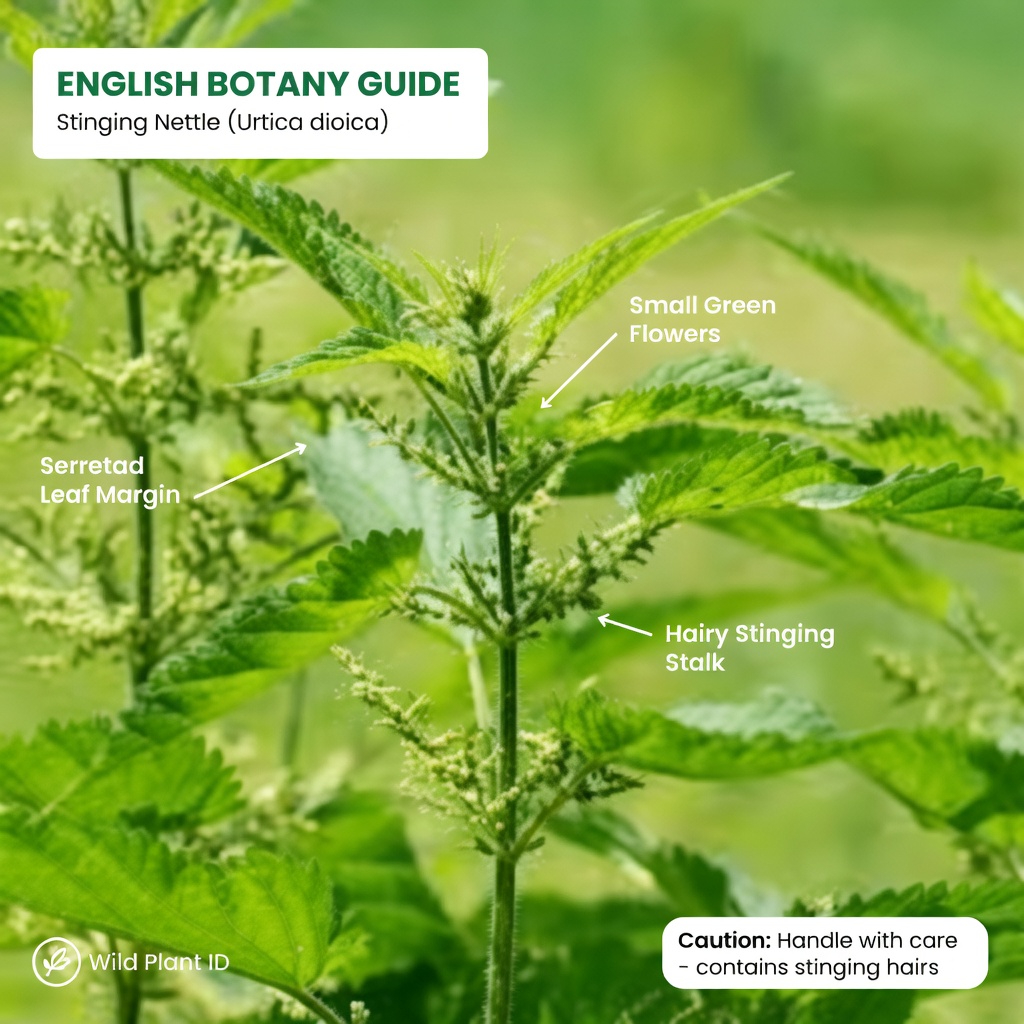
Nettle, most commonly Urtica dioica, is a perennial plant known for its sting-producing leaves. Traditionally, the leaves have been used for general wellness and are often associated with mild diuretic effects.
The root, however, is a different story.
In European herbal traditions, nettle root has long been used to support urinary comfort in men dealing with mild to moderate symptoms related to benign prostate enlargement.
That word matters: support.
- It does not mean a cure
- It does not replace proper medical care
- It is best seen as one part of a larger plan
Nettle root contains compounds different from those in the leaves, including plant sterols and lignans. Researchers believe these may interact with hormonal pathways involved in changes to prostate tissue. Some clinical studies have explored whether nettle root can improve urinary symptom scores and urine flow, although findings are mixed and larger studies are still needed.
So the current picture is clear: promising, but not miraculous.
Symptoms Many Men Experience but Rarely Talk About
Medical terms can feel abstract, so it helps to translate them into real life. You may notice:
- A weaker urine stream
- Trouble getting urination started
- The sensation that the bladder is not fully empty
- More frequent urination during the day
- Waking one or more times at night to urinate
These are commonly grouped under lower urinary tract symptoms.
What makes them complicated is that many everyday factors can make them worse, including:
- Stress
- Caffeine
- Alcohol
- Poor sleep
- Drinking too much fluid late in the evening
That is why observation is so important. Before assuming the cause, it helps to notice patterns.
There is another overlooked point: tracking symptoms alone can be useful. When you become more aware of what is happening, anxiety often decreases. And since anxiety can intensify urinary urgency, that awareness may bring relief by itself. The connection between body and mind is stronger than many people realize.
How Nettle Root Is Traditionally Used
Nettle root is typically not viewed as a fast-acting fix. In traditional use, it is taken consistently over time.
It is often considered for men with mild to moderate urinary symptoms who are already being monitored medically and who have ruled out more serious causes.
European herbal references and clinical reviews note that nettle root is sometimes used on its own or combined with other plant-based extracts. Still, the form and dose matter a great deal.
Common Forms of Nettle Root
| Form | Typical Use | Main Advantage | What to Watch For |
|---|---|---|---|
| Decoction | Root simmered gently in water | Traditional and simple | Requires accurate measuring |
| Dry extract | Capsules or tablets | Convenient and consistent | Strength varies by brand |
| Fluid extract | Liquid drops | Flexible dosing | Concentration may differ |
A common mistake is assuming that taking more will work better. That is not true.
Extracts are often much more concentrated than tea or decoction preparations. Because of that, dosage instructions should always be followed carefully.
What the Research Says So Far
Some studies suggest that nettle root extract may help improve urinary comfort in men with benign prostate enlargement. A few trials have reported improvements in:
- Symptom scores
- Urine flow rate
- Residual urine volume
Still, the benefits are usually moderate rather than dramatic.
That matters because expectations shape experience. If you are hoping for an overnight transformation, you may be disappointed. Herbal support tends to work best when approached as a steady routine, not an emergency solution.
A better mindset is this: focus on consistency, not quick rescue.
How to Use Nettle Root Responsibly
If you are thinking about trying nettle root, use a structured approach.
1. Rule Out Serious Causes First
Before starting any supplement:
- Talk with your healthcare provider
- Mention any ongoing urinary symptoms
- Report pain, fever, blood in the urine, or a sudden worsening of symptoms
Early evaluation can provide both safety and peace of mind.
2. Select the Right Form
If you enjoy traditional preparations, a decoction may appeal to you.
One commonly cited traditional method uses about 1.5 grams of dried nettle root per cup of water. The root is gently simmered rather than boiled aggressively.
Keep these points in mind:
- Measure carefully
- Simmer for about 10 to 15 minutes
- Do not estimate the amount casually
If you choose capsules or extracts instead, follow the product label and confirm the dose with a pharmacist or doctor.
3. Track Symptoms for 14 Days
Write down:
- How many times you wake at night
- Episodes of urgency
- Your overall sense of urinary comfort
This gives you something objective to review.
Many men are surprised to discover that lifestyle habits contribute just as much, or even more, than the supplement itself.
Habits That Can Improve the Outcome
Nettle root for frequent urination is rarely a complete solution on its own. Pairing it with sensible habits often has the biggest impact.
Try these changes for one week:
- Cut back on caffeine after midday
- Reduce or avoid evening alcohol
- Eat dinner earlier and keep it lighter
- Drink enough water during the day instead of late at night
- Empty your bladder before going to sleep
These small adjustments may reduce irritation and help calm nighttime symptoms.
The truth is simple: habits often work quietly, but they can be powerful.
Safety Points You Should Not Overlook
Natural products are not automatically risk-free.
Speak with your healthcare provider before using nettle root if you:
- Take blood pressure medication
- Use diabetes medication
- Take blood thinners
- Have kidney or liver problems
- Use several herbal supplements at the same time
Stop use and seek medical advice if you notice:
- Ongoing digestive discomfort
- Dizziness
- Worsening urinary symptoms
- Any new or unusual reaction
Quick Safety Overview
| Aspect | General Guidance | Important Note |
|---|---|---|
| Reason for use | Traditional support for mild urinary symptoms | Not a substitute for diagnosis |
| Duration | Intended for ongoing support | Review progress regularly |
| Dose | Depends on the preparation used | Extract strengths vary widely |
| Monitoring | Track symptoms over time | Adjust only with professional guidance |

The Emotional Impact Most Articles Ignore
Let us be honest: urinary symptoms can feel embarrassing. Many men avoid talking about them for years.
But taking the issue seriously is not a sign of weakness. It is a sign of responsibility.
Whether you begin with a medical checkup, better daily habits, or carefully chosen supplements, taking action can restore a sense of control. And that sense of control often improves confidence.
In some cases, the emotional benefit is just as meaningful as the physical one.
You are no longer pretending the issue is not there. You are managing it with intention.
The Bigger Picture: A Plan Works Better Than a Single Product
Nettle root may be a helpful part of a broader strategy, but it should not be the whole strategy.
Real improvement usually comes from combining several steps:
- Medical evaluation
- Lifestyle awareness
- Symptom tracking
- Realistic expectations
The herb is only one tool. The real value comes from the plan behind it.