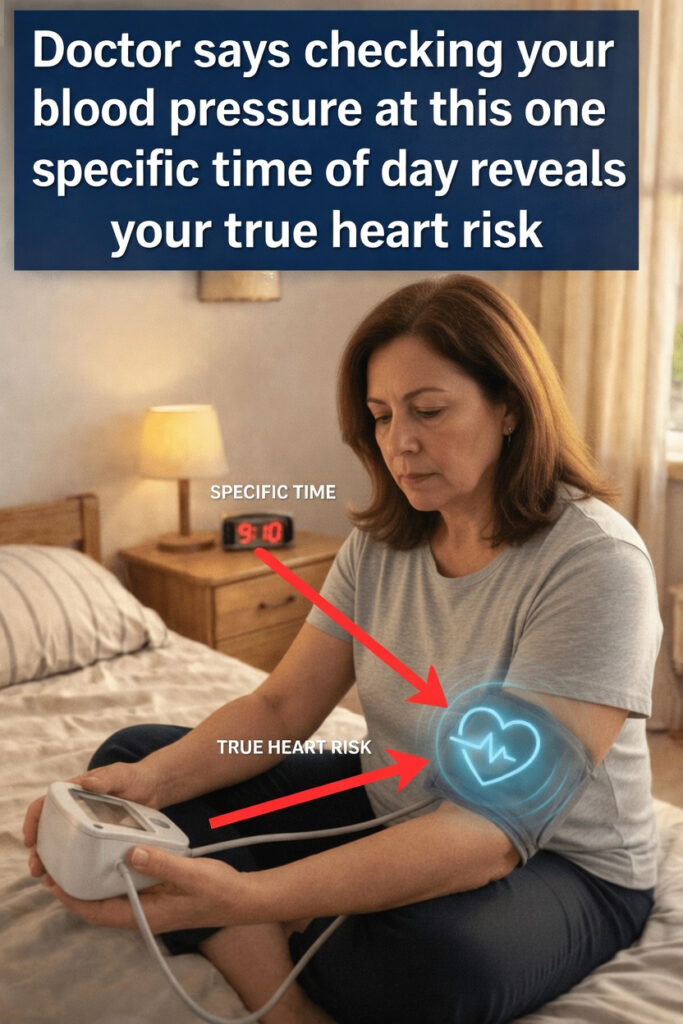
Why a Morning Blood Pressure Reading Can Reveal More About Heart Health
Many people have their blood pressure checked only during a routine medical appointment and assume that one result reflects their overall cardiovascular health. In reality, blood pressure changes throughout the day. Your circadian rhythm, stress level, movement, meals, and other daily influences can all affect the numbers.
Because of this, a single reading taken in a clinic may fail to show important trends linked to heart health. Research suggests that measuring blood pressure at regular times—especially over several days or weeks—offers a much more accurate picture. One of the most useful insights is that a reading taken in the morning may uncover patterns that random or evening checks do not always reveal.
What if the most informative measurement happens shortly after you wake up? Understanding this timing can help you monitor your blood pressure more effectively at home and spot meaningful daily patterns.
Why Blood Pressure Rises and Falls During the Day
Blood pressure does not stay constant from morning to night. It usually falls during sleep, then climbs quickly after waking. This increase is often called the morning surge. Medical research, including studies published in journals such as Hypertension from the American Heart Association, has examined how this early rise fits into normal cardiovascular rhythms.
For some individuals, that morning increase is more pronounced than expected, or their blood pressure remains elevated during the early part of the day. This matters because certain cardiovascular events are known to occur more often during these hours.
Clinic measurements are often taken at random times, commonly in the middle of the day. They can also be affected by anxiety in a medical setting, sometimes referred to as the white coat effect. By contrast, checking blood pressure at home under similar conditions each day can provide a more realistic view of usual levels. Health organizations such as the American Heart Association support home monitoring as a valuable complement to in-office readings.
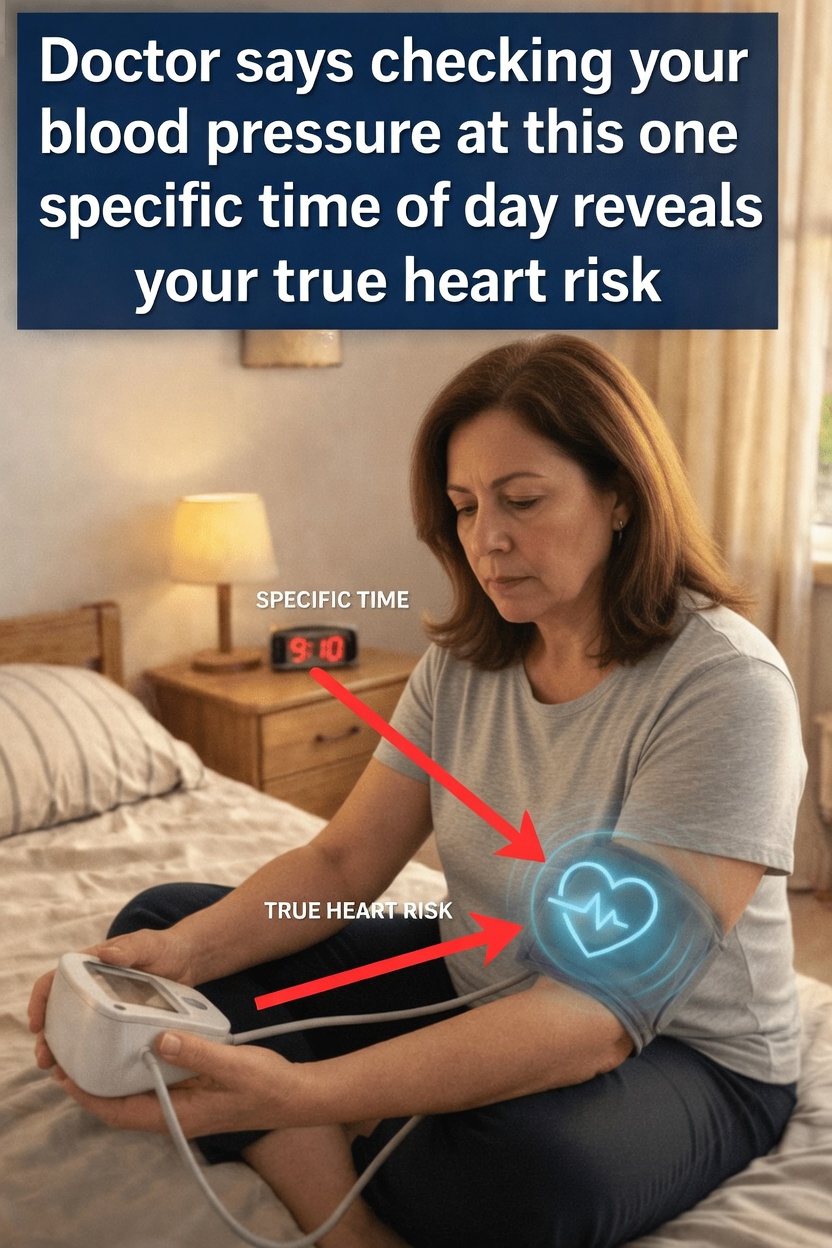
A key point many people overlook is that the morning period often captures the strongest daily fluctuation, making it especially useful for identifying patterns over time.
Why Morning Blood Pressure Readings Matter More
Heart specialists and hypertension experts often recommend measuring blood pressure in the morning, soon after getting out of bed and before breakfast, coffee, exercise, or medication. At that point, readings may be higher because of normal hormonal changes, activation of the sympathetic nervous system, and the body’s shift from rest to activity.
Studies have connected morning blood pressure behavior with broader cardiovascular concerns. A sharp jump from low nighttime values to higher morning levels has been explored in relation to vascular strain and daily heart-related stress. Not everyone experiences a dramatic surge, but regular morning checks make it easier to see whether blood pressure stays elevated during this potentially sensitive time.
Morning measurements are helpful because they reflect your body near its daily reset point. If those readings are consistently much higher than evening results, that difference may be worth discussing with your healthcare provider. It can open the door to conversations about sleep, stress, routine habits, or other factors affecting your blood pressure pattern.
How to Measure Morning Blood Pressure Correctly at Home
To get dependable readings, technique matters. Follow these best practices recommended by major health authorities:
-
Use a validated monitor
Choose an upper-arm blood pressure monitor that has been tested for accuracy. Reliable device lists are available through resources such as Validate BP. -
Prepare the right way
For at least 30 minutes before checking, avoid caffeine, smoking, exercise, and food. Empty your bladder first, then sit quietly for at least 5 minutes. -
Sit in the proper position
Keep your back supported, both feet flat on the floor, and your arm resting on a table at heart level. Do not cross your legs, and avoid talking during the measurement. -
Check at the right time
Measure blood pressure soon after waking, ideally between 6 a.m. and 10 a.m., before breakfast or medication. Take 2 to 3 readings, one minute apart, and record the average. -
Be consistent
Repeat the process daily for at least 7 days to identify meaningful trends. Then share your log with your doctor.
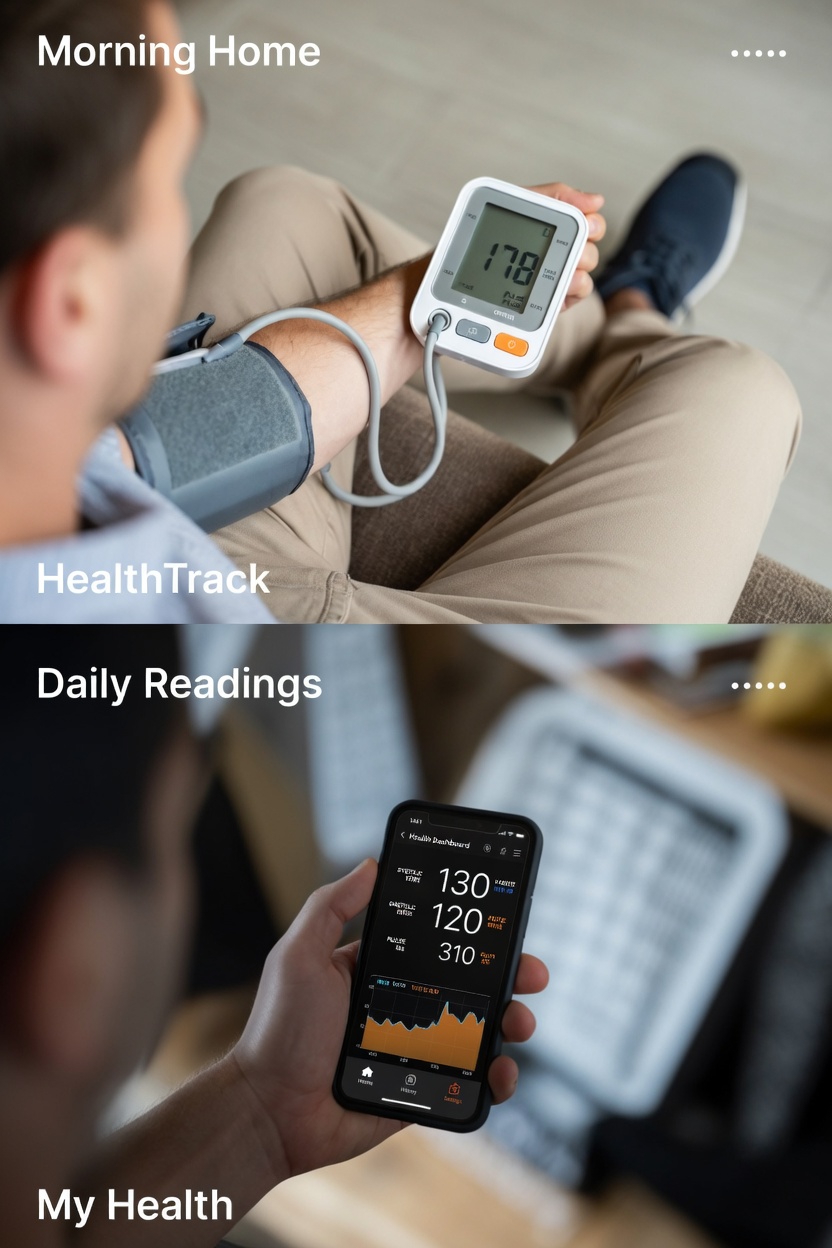
The most useful data comes from consistency, not perfection. Taking readings under the same conditions each day is what makes home blood pressure monitoring valuable.
Morning Blood Pressure Patterns That May Need Attention
A single high number in the morning does not automatically mean something is wrong. What matters most is the pattern. Here are some signs that may deserve closer attention:
- Morning averages consistently above 135/85 mmHg, a common home-monitoring threshold used in expert guidance
- A large difference between morning and evening readings, such as a systolic gap of 20 mmHg or more
- Little or no noticeable drop in blood pressure overnight if you also track evening values
- Symptoms such as morning headaches, fatigue, or dizziness along with elevated readings
These signs are not a diagnosis. They are simply indicators that it may be time to review your blood pressure trends with a qualified healthcare professional.
Why Evening Readings Still Matter
Although morning blood pressure checks are especially informative, they should not be the only measurements you take. Many experts recommend monitoring twice a day: once in the morning and again in the evening, usually between 6 p.m. and 10 p.m. before bed.
Evening readings often run lower because the day is winding down and the body is moving toward rest. When compared side by side, morning and evening numbers can reveal how much your blood pressure varies across the day.
Here is what each time period helps show:
- Morning: captures the waking surge and your daily starting point
- Evening: reflects the impact of the day’s activities and your pre-sleep state
Together, these readings give a fuller picture of blood pressure variability. Some research suggests that consistently elevated readings at multiple times of day may be more meaningful than an isolated high result.
Daily Habits That Can Support Healthier Blood Pressure
Monitoring helps you understand your blood pressure, but lifestyle habits also play an important role in supporting healthy daily patterns. Evidence-based strategies include:
-
Exercise regularly
Aim for about 150 minutes of moderate activity per week, such as brisk walking. -
Follow a heart-friendly diet
Focus on fruits, vegetables, whole grains, lean proteins, and lower sodium intake. -
Manage stress
Techniques like deep breathing, meditation, and enjoyable hobbies may help reduce daily tension. -
Limit alcohol and avoid smoking
Both can negatively affect blood pressure and overall cardiovascular health. -
Maintain a healthy weight
Weight management can make a meaningful difference in blood pressure control. -
Prioritize sleep
Try to get 7 to 9 hours of quality sleep each night, since poor sleep can affect blood pressure rhythms.
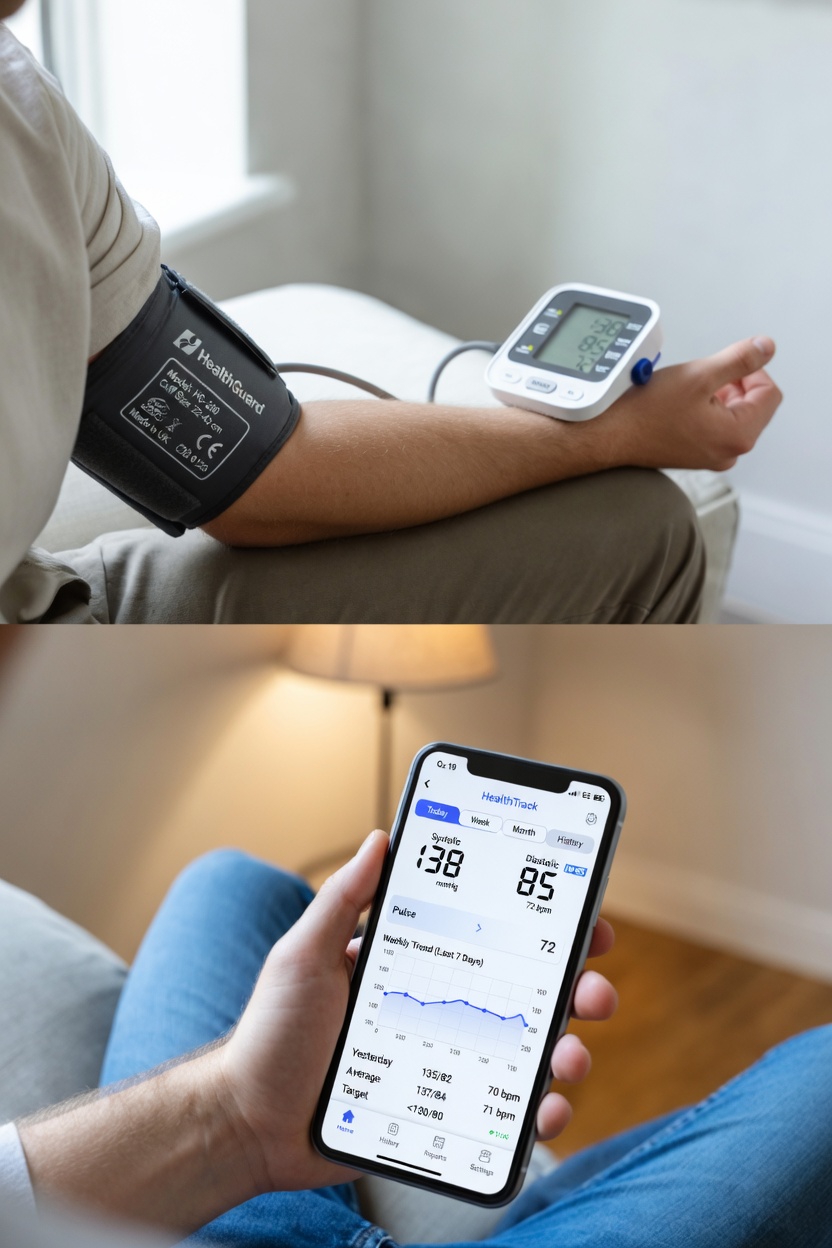
These habits are not instant solutions, but they can support healthier blood pressure patterns when combined with regular monitoring and medical guidance.
What Research Shows About Morning Blood Pressure and Heart Health
A growing body of research has focused on the relationship between morning blood pressure and cardiovascular risk. Studies on the morning surge have linked unusually large increases to factors such as arterial stiffness and higher daily vascular stress in some groups.
Meta-analyses and long-term studies suggest that understanding these morning patterns can add useful information beyond an overall 24-hour average. In other words, when blood pressure rises—and how much it rises—can be just as important as the average number itself.
Home monitoring is especially valuable because it captures data in real-life conditions. This can help healthcare providers evaluate trends more accurately than occasional office visits alone.
Final Takeaway: Start with Your Morning Routine
Measuring your blood pressure in the morning, before the day fully begins, can offer one of the clearest views of your daily cardiovascular pattern. It highlights the natural waking rise that other measurements may miss and makes it easier to identify meaningful trends over time.
For the best insight, combine morning checks with evening readings, healthy lifestyle habits, and regular communication with your doctor. Your heart is active every hour of the day, and paying attention to it in the morning may help you better understand and protect your long-term health.
FAQ
What is the best time to check blood pressure in the morning?
Most experts recommend measuring it soon after waking, after using the bathroom, but before eating, drinking coffee, taking medication, or becoming active. A common target window is 6 a.m. to 10 a.m.
How long should I track my blood pressure before showing it to a doctor?
A good starting point is at least 7 straight days of readings taken twice daily. This usually gives enough data to reveal useful patterns and averages.
Are morning readings alone enough to assess my blood pressure?
No. Morning readings are highly useful because they capture the waking surge, but evening measurements and professional evaluation provide a more complete picture.